

Introduction
Yes, a piano is a musical instrument. In the United States, people use pianos in homes, schools, churches, concert halls, jazz clubs, and recording studios. A piano makes sound when its keys trigger hammers that strike strings.
The piano is also a keyboard instrument, a string instrument, and, in a technical sense, a percussion instrument. Each label describes a different part of how the piano works.
Why Is a Piano an Instrument?
A piano meets the basic definition of a musical instrument because it creates organized sound that people use to make music.
An instrument needs a way to:
- Create sound
- Control pitch
- Change volume or tone
- Play notes in a planned way
A piano does all four.
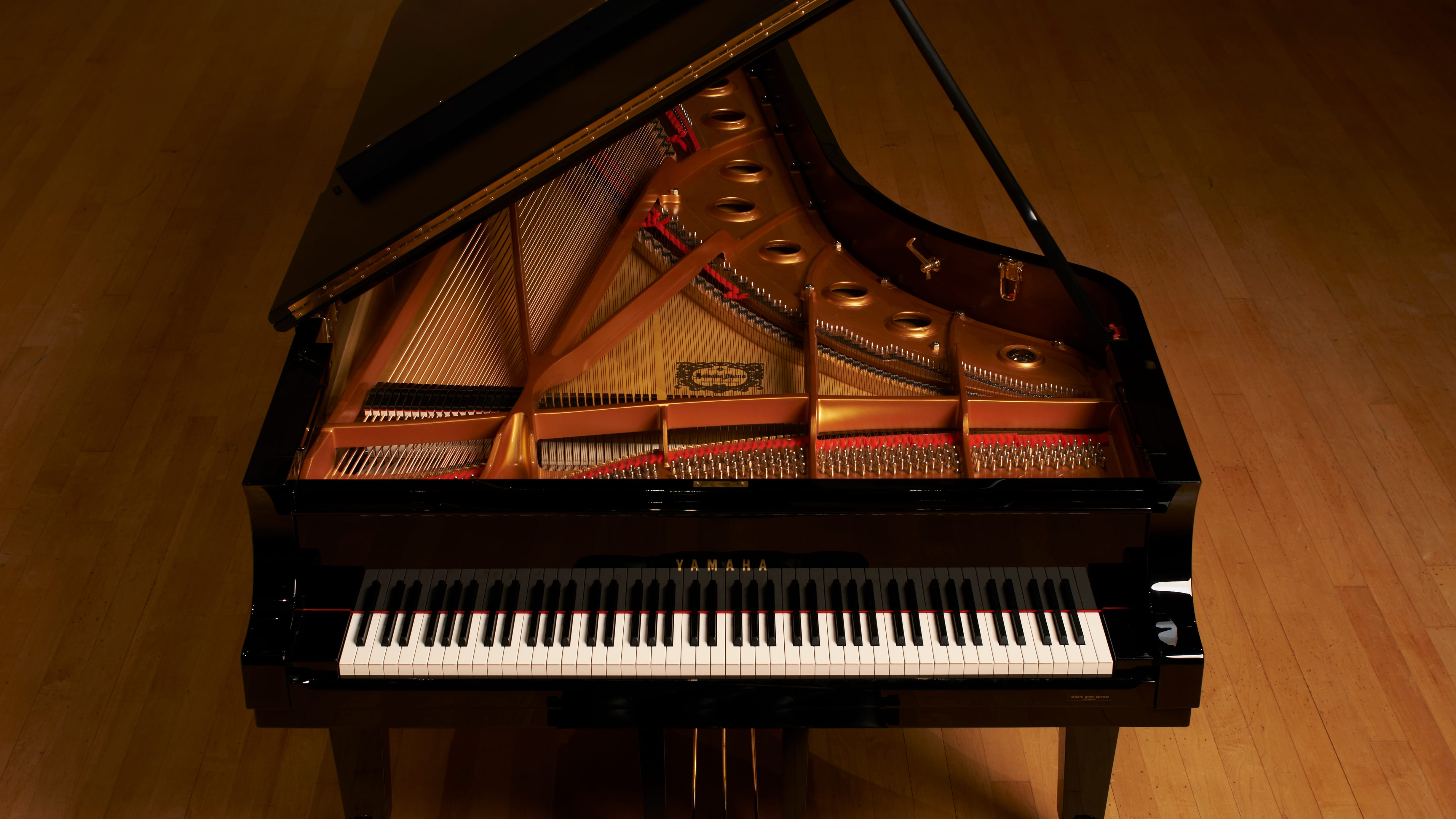
When you press a piano key, the key moves a small mechanism. That mechanism sends a felt-covered hammer toward one or more strings. The hammer strikes the strings, and the strings vibrate. Those vibrations move the air and reach your ears as sound.
The player controls the music by choosing:
- Which key to press
- How hard to press it
- How long to hold it
- When to release it
- Whether to use the pedals
This gives the piano a wide range of pitch, volume, rhythm, and tone.
The word “instrument” does not mean that a device must look like a violin, guitar, or brass horn. It means that the device produces sound for musical use. By that measure, a piano clearly qualifies.

What Type of Instrument Is a Piano?
A piano belongs to more than one instrument group. The best label depends on the system being used.
Piano as a keyboard instrument
The piano is a keyboard instrument because the player uses a row of keys to control the notes.
The keyboard makes it easy to play:
- Melodies
- Chords
- Bass lines
- Countermelodies
- Several notes at the same time
Other keyboard instruments include the organ, harpsichord, clavichord, and electronic keyboard.
The keys do not create the sound by themselves. They control the internal action that creates the sound.
Piano as a string instrument
An acoustic piano is a string instrument because strings vibrate to produce its sound.
Most piano strings are made from steel. The bass strings often have copper winding around a steel core. Longer and thicker strings usually produce lower notes. Shorter and thinner strings produce higher notes.
The soundboard helps make the piano loud. It is a large wooden panel that vibrates with the strings. This lets the piano move more air than the thin strings could move on their own.
For this reason, many music classification systems place the acoustic piano in the chordophone family. A chordophone is an instrument that makes sound through vibrating strings.
Piano as a percussion instrument
The piano is also often called a percussion instrument because hammers strike the strings.
This does not mean that a pianist hits the keys like a drum. The hammers inside the piano do the striking. The player controls those hammers through the keys.
This creates a useful distinction:
- By sound source: the piano is a string instrument.
- By playing action: the piano uses percussion.
- By interface: the piano is a keyboard instrument.
All three descriptions can be correct at the same time.
The Library of Congress classification of musical instruments and the Hornbostel–Sachs system help explain why instrument groups can overlap. Classification systems use different rules, so one instrument may have several valid labels.

How Does an Acoustic Piano Make Sound?
An acoustic piano turns finger movement into string vibration through a chain of mechanical parts.
The basic process works like this:
- You press a key.
- The key moves a lever inside the piano.
- The lever raises a felt-covered hammer.
- The hammer strikes one or more strings.
- The strings vibrate at a specific pitch.
- The soundboard amplifies the vibration.
- The dampers stop the sound when you release the key.
The hammer does not stay against the string. It quickly moves away after the strike. This allows the string to vibrate freely.
The piano’s action also lets the player control volume. A gentle key press moves the hammer with less force. A firm key press moves it with more force. This is why a piano can play both soft and loud notes.
The pedals change the sound in different ways:
- The sustain pedal lifts dampers so notes continue after the keys are released.
- The soft pedal changes the action or shifts the hammers on many acoustic pianos.
- The ** sostenuto pedal**, found on many grand pianos and some uprights, holds selected notes while later notes work normally.
Pedal functions can vary by piano design. Check the instrument’s manual or ask a qualified piano technician if a pedal behaves differently than expected.

Is a Digital Piano Also an Instrument?
Yes. A digital piano is an electronic musical instrument.
A digital piano does not use vibrating strings and acoustic soundboards in the same way as an acoustic piano. Instead, it uses recorded or digitally modeled piano sounds. Speakers then turn electronic signals into sound.
A digital piano still qualifies as an instrument because it lets a player create and control musical sound.
Acoustic and digital piano differences
| Feature | Acoustic piano | Digital piano |
|---|---|---|
| Main sound source | Vibrating strings | Digital sound system |
| Key action | Mechanical hammers | Electronic sensors, often with weighted action |
| Power | No outlet needed for basic sound | Usually needs electricity |
| Volume control | Limited without accessories | Often includes volume control and headphones |
| Maintenance | Regular tuning and service | Less tuning, but electronics may need repair |
| Touch response | Physical hammer and string response | Depends on the model and key system |
A digital piano is not an acoustic piano in the strict mechanical sense. However, it is still a piano-type musical instrument.
An electronic keyboard may also be an instrument, but it is not always a digital piano. Many keyboards have lighter keys, more sounds, automatic rhythms, and different designs. The name depends on the instrument’s purpose and construction.

Is a Piano a Percussion, String, or Keyboard Instrument?
The most precise answer is that a piano fits all three categories, but each category describes a different feature.
| Classification | Why it applies |
|---|---|
| Keyboard instrument | The player uses keys to control the notes |
| String instrument | Strings vibrate to create sound in an acoustic piano |
| Percussion instrument | Hammers strike the strings |
| Chordophone | The sound comes from vibrating strings |
| Solo and ensemble instrument | It can play alone or with other musicians |
In an orchestra, the piano is often listed separately from the main string, woodwind, brass, and percussion sections. This is a practical grouping, not proof that the piano lacks string or percussion features.
Music teachers may also describe the piano as a keyboard instrument because that label is most useful for lessons and performance. A musicologist may use chordophone because that label focuses on how the sound is produced.
The correct label depends on the question being asked.

Is a Piano a Musical Instrument or a Machine?
A piano is both a musical instrument and a machine made of many moving parts.
An acoustic piano contains thousands of parts, including:
- Keys
- Hammers
- Dampers
- Strings
- Bridges
- Soundboard
- Action parts
- Pedals
- Metal frame
These parts work together to produce musical sound. Calling the piano a machine describes its mechanics. Calling it an instrument describes its purpose.
The two terms do not conflict. A pipe organ is also a complex machine and a musical instrument. The same is true of a drum set, guitar, and saxophone.
The piano’s mechanical design is one reason its touch can feel different from one instrument to another. Age, design, regulation, climate, and maintenance all affect how the keys respond.
Is a Piano an Instrument If It Cannot Play by Itself?
Yes. A piano remains an instrument even when no one is playing it.
Many instruments cannot produce music without a performer. A violin needs a bow or fingers. A trumpet needs a player’s breath. A piano needs someone or something to press its keys.
Some pianos can play automatically through a player-piano system. That does not change the piano’s identity. It only adds a mechanism that controls the keys.
The same idea applies to digital pianos connected to computers or music apps. The piano remains an instrument, even when software sends the playing instructions.
What Makes a Piano Different From a Keyboard?
A piano is a type of keyboard instrument, while “keyboard” is a broader term.
A standard acoustic piano has:
- Strings
- Hammers
- A soundboard
- A physical action
- A fixed piano tone
A general electronic keyboard may have:
- Many instrument sounds
- Rhythm patterns
- Recording features
- Lighter keys
- Built-in speakers
- MIDI or USB connections
Some electronic keyboards are designed for piano study and have weighted keys. Others are made for portable performance or music production.
A digital piano aims to reproduce the playing feel and sound of an acoustic piano. A keyboard may focus more on flexibility and extra sounds. Neither choice is automatically better. The right option depends on whether the player values piano feel, portability, sound variety, or acoustic tone.

Common Misunderstandings About the Piano
“A piano is only a percussion instrument.”
This is incomplete. Hammers strike the strings, but the strings create the sound. The piano also uses a keyboard to control those strings.
“A piano is only a string instrument.”
This is also incomplete. The strings matter, but the piano’s hammer action and keyboard shape how the player produces sound.
“The keys make the sound.”
The keys control the action. On an acoustic piano, the hammers strike the strings. The keys themselves do not normally vibrate to create the main piano tone.
“A digital piano is not a real instrument.”
A digital piano is an electronic instrument. It produces musical sound through electronic circuits, software, and speakers rather than through acoustic strings.
“Every piano has 88 keys.”
Many full-size pianos have 88 keys, but not every piano-like instrument does. Smaller keyboards and some compact digital pianos may have fewer keys. Some large concert grand pianos may have additional notes.
“The pedals always work the same way.”
Pedal designs can vary. The sustain pedal is common, but the functions of the soft and middle pedals differ among upright pianos, grand pianos, and digital models.

How Do Pianos Compare With Other Instruments?
A piano is unusual because one player can produce melody, harmony, rhythm, and bass at the same time.
| Instrument | Main sound method | Typical strength |
|---|---|---|
| Piano | Hammers strike strings | Wide pitch range and many notes at once |
| Guitar | Fingers or pick pluck strings | Chords, melody, and portable playing |
| Violin | Bow vibrates strings | Sustained notes and expressive pitch changes |
| Drum | Stretched surface is struck | Rhythm and strong attacks |
| Flute | Air vibrates inside a tube | Clear melody and breath-based phrasing |
| Organ | Air or electronic sound creates tones | Sustained chords and varied tone colors |
This table gives broad comparisons. Real instruments can have different designs and playing methods.
The piano’s main advantage is its layout. Each key has a clear pitch, and the player can see the notes in a repeating pattern. That makes the piano useful for learning harmony and music theory.
Its main limits are size, weight, cost, and maintenance. An acoustic piano also needs suitable humidity and regular tuning to stay in good playing condition.
Key Takeaways
- Yes, a piano is a musical instrument.
- An acoustic piano makes sound when hammers strike strings.
- It is a keyboard instrument because the player uses keys.
- It is a string instrument because vibrating strings create its main sound.
- It is often linked with percussion because hammers strike the strings.
- A digital piano is an electronic musical instrument.
- “Piano” and “keyboard” are related terms, but they do not always mean the same thing.
FAQs
Is a piano an instrument in an orchestra?
Yes. A piano is a musical instrument that can perform with an orchestra. It may play a solo part, support harmony, or add color to the ensemble.
Is a piano a percussion instrument in band class?
It can be discussed as a percussion-related instrument because hammers strike the strings. In many school programs, however, the piano is taught as a keyboard instrument rather than placed in the main percussion section.
Is a piano a string instrument?
An acoustic piano is a string instrument because its strings vibrate to make the main sound. It is also a keyboard instrument and uses a percussion action.
Is a keyboard the same as a piano?
No. A piano is one kind of keyboard instrument. The word “keyboard” can mean an acoustic piano, digital piano, electronic keyboard, or another instrument controlled by keys.
Do digital pianos have strings?
Most digital pianos do not have acoustic strings. They create sound with electronic systems, digital samples or models, and speakers. Some hybrid pianos combine digital controls with acoustic piano parts.
What should a beginner call a piano?
“Piano” or “keyboard instrument” is clear and correct. If you are discussing how it makes sound, you can also explain that an acoustic piano is a struck-string instrument.
Conclusion
A piano is unquestionably a musical instrument. More specifically, it is a keyboard instrument that uses a hammer action to make strings vibrate in an acoustic design. That same piano can also be described as a chordophone or a percussion-related instrument, depending on the classification system.
For a simple answer, call it a keyboard instrument. For a technical answer, explain that an acoustic piano combines keys, hammers, strings, and a soundboard to produce music.