
For most people in the United States, the best piano is an 88-key digital piano with weighted keys, a strong speaker system, and a reliable warranty. It gives you a real piano layout, needs little care, and works well in a home, apartment, classroom, or church.
An acoustic piano may be the better choice if you want the most natural sound, have room for it, and can budget for tuning and upkeep. A keyboard with light, unweighted keys may be enough for casual play, but it is not the best tool for serious piano study.
The right choice depends on four things:
- Your skill level
- Your available space
- Your budget
- Your need for sound, touch, and portability
This guide explains how to choose without relying on a single “best piano” claim.
Quick answer: What is the best piano for most people?
The best piano for most new players is a full-size digital piano with 88 weighted keys, touch sensitivity, a sustain pedal, and a built-in stand or stable furniture-style support.
Models such as the Yamaha P-series, Roland FP-series, Kawai ES-series, and Casio Privia series are common examples of this type. The exact model matters less than the features and the way the instrument feels to you.
Choose an acoustic piano when:
- You want the sound and touch of strings, hammers, and a wooden cabinet.
- You have enough room for the instrument.
- You can pay for regular tuning and maintenance.
- You do not need to move it often.
Choose a digital piano when:
- You live in an apartment or smaller home.
- You want to practice with headphones.
- You need to move the piano.
- You want lower routine maintenance.
- You need recording, lesson apps, or built-in sounds.
Choose a portable keyboard only when portability and low cost matter more than realistic piano technique.
The best piano is not always the most expensive one. It is the one that gives you the right touch, sound, size, and support for the way you will use it.
Digital piano vs. acoustic piano
A digital piano creates sound with electronics. An acoustic piano creates sound when felt hammers strike strings. Both can support serious learning, but they offer different experiences.
| Feature | Digital piano | Acoustic piano |
|---|---|---|
| Sound source | Digital samples or modeling | Strings and soundboard |
| Key count | Usually 88 keys | Usually 88 keys |
| Headphone use | Yes, on most models | No, unless specially modified |
| Tuning | Rarely needed | Usually needed at least once or twice a year |
| Moving | Easier for portable models | Difficult and often costly |
| Volume control | Yes | No |
| Repairs | Electronics and key parts | Hammers, strings, pedals, cabinet, and action |
| Long-term feel | Varies by model | Depends on piano age and condition |
| Best for | Flexible home practice | Traditional piano experience |
A digital piano is not automatically a lesser instrument. A good digital piano can offer a consistent action, quiet practice, and useful tools. An older or poorly maintained acoustic piano may feel and sound worse than a well-made digital model.
Upright or grand acoustic piano?
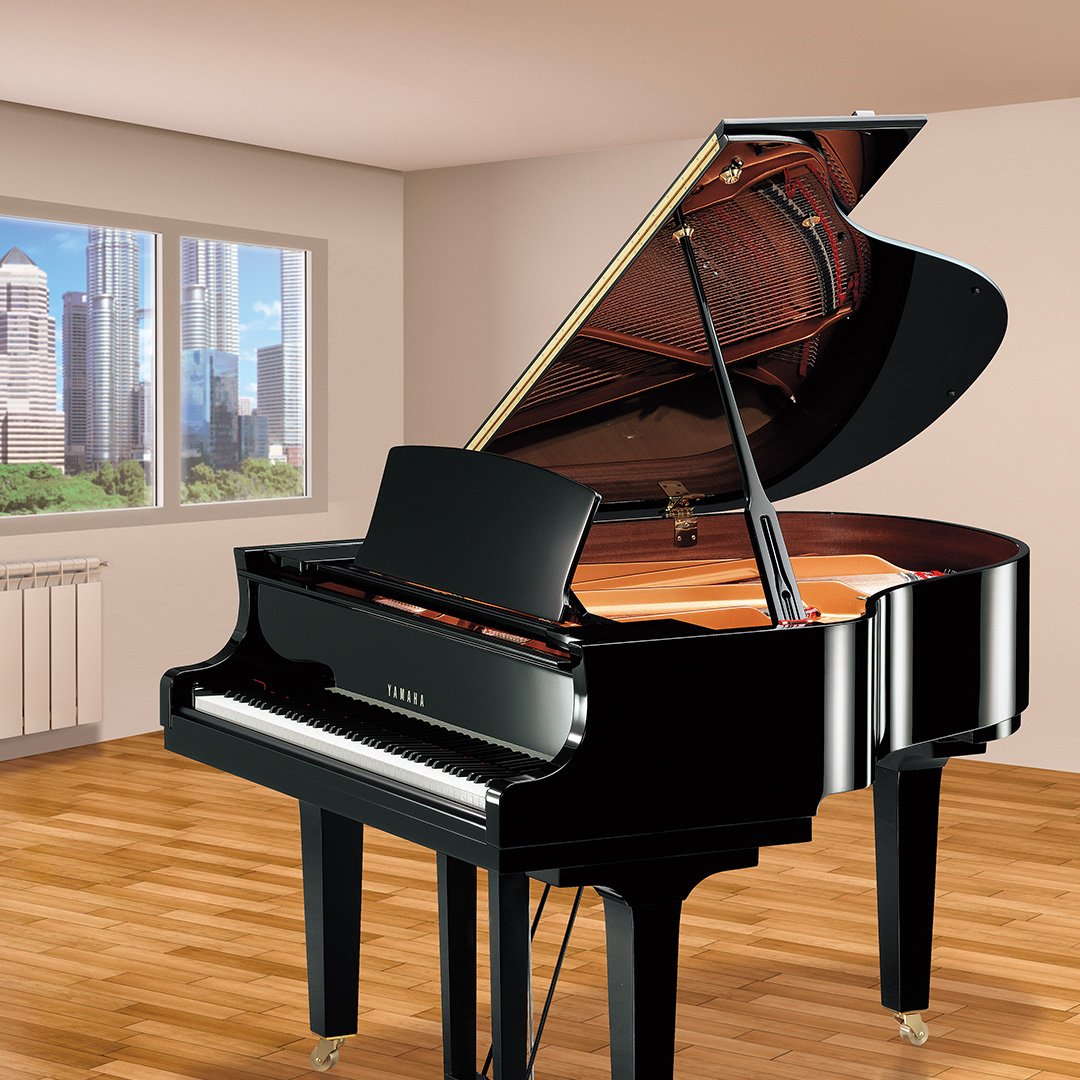
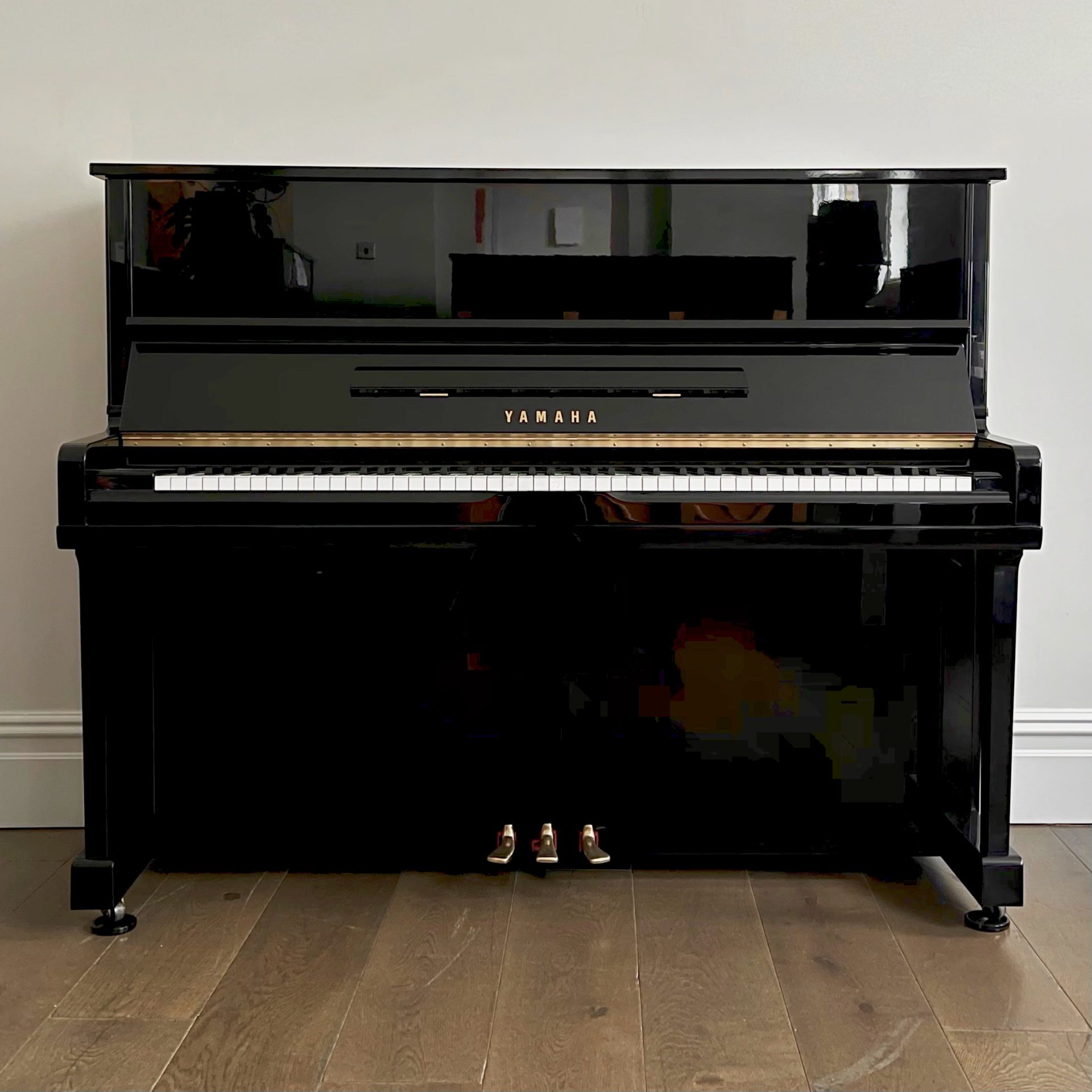
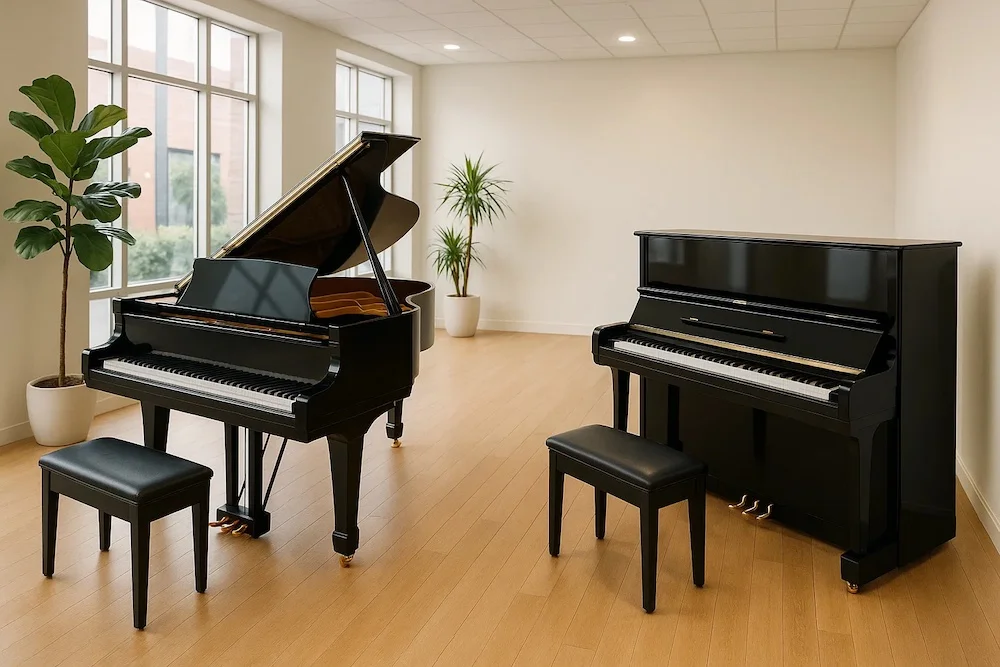
An upright piano has vertical strings and takes less floor space than a grand. It is the usual acoustic choice for a home.
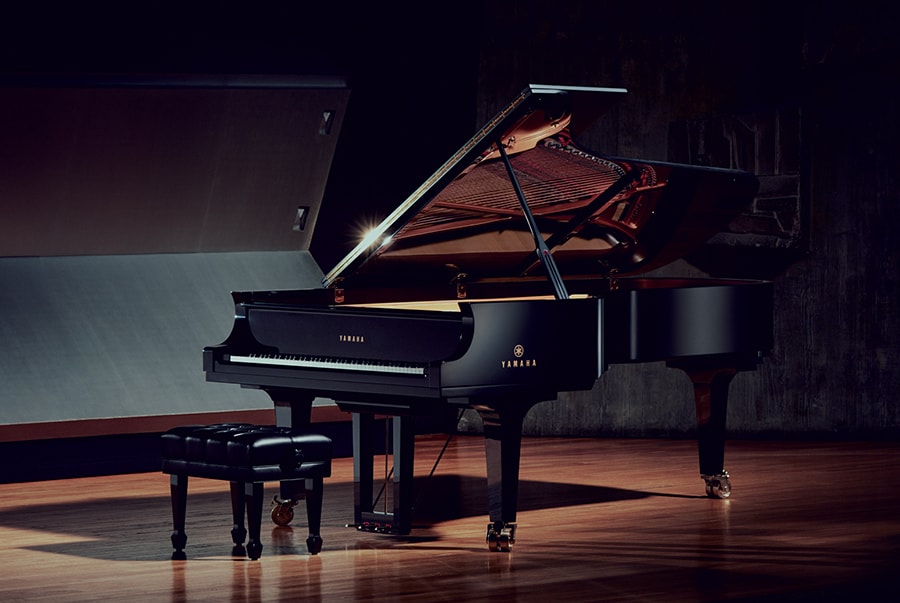
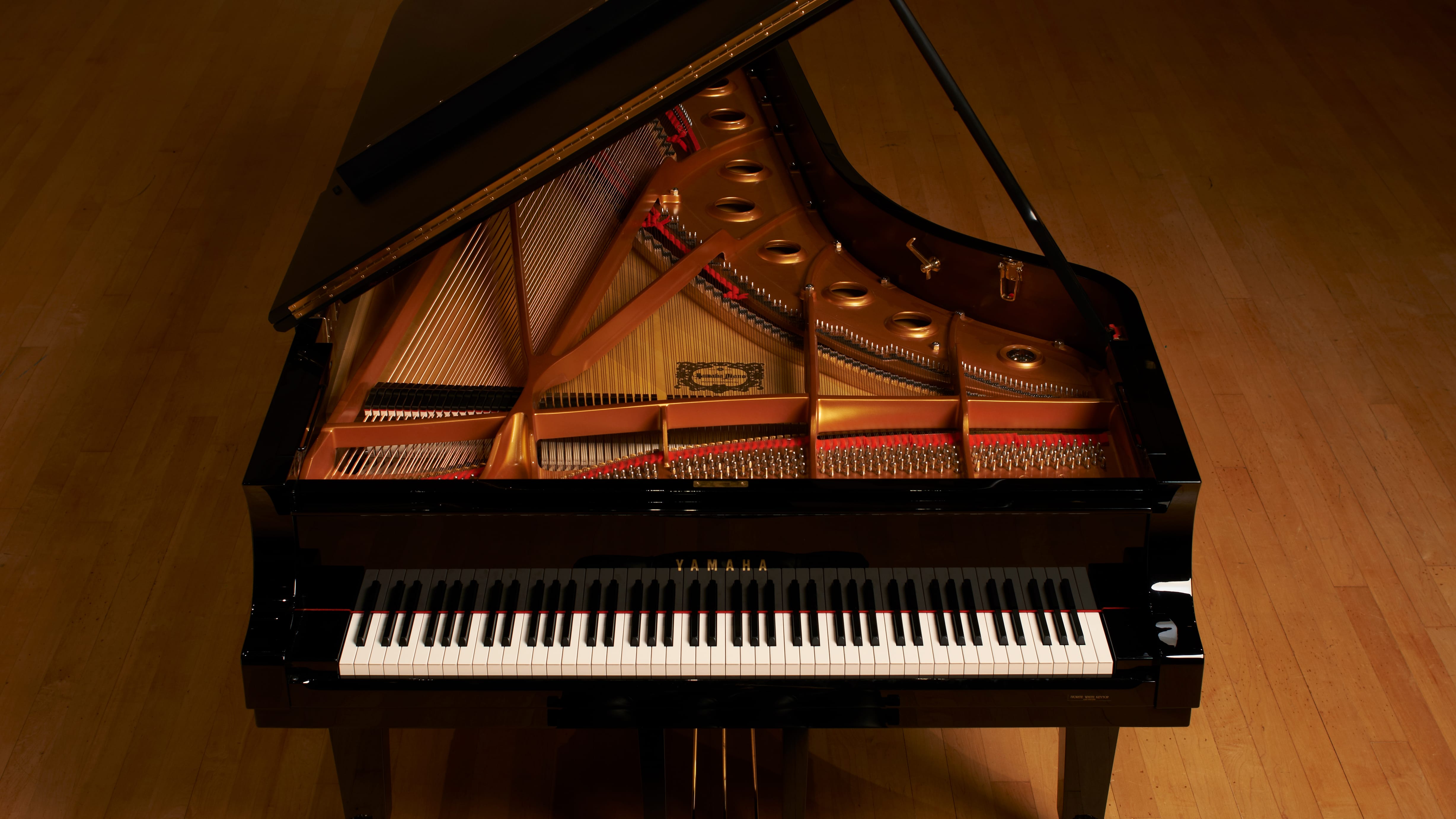
A grand piano has horizontal strings and a larger soundboard. Its action can offer more control, especially for advanced players. It also costs more, needs more space, and may require careful room planning.
For many American homes, a quality upright or digital piano is more practical than a grand piano.

The key features that matter most
The most important piano features are key action, sound, pedal control, speaker quality, and build quality. Extra sounds and app features come later.
1. Weighted, full-size keys
Look for 88 keys if you plan to study piano. This gives you the full range used by most piano music.
Weighted keys use resistance to copy the feel of an acoustic piano. Better actions also sense how fast and how hard you press each key. This is called touch sensitivity or velocity sensitivity.
Avoid choosing a light keyboard for long-term study if you can afford a weighted digital piano. Light keys can be fun, but they do not teach the same finger control as a piano action.
2. Graded hammer action
Many digital pianos use a graded action. The lower keys feel heavier, while the higher keys feel lighter. This copies the general behavior of an acoustic piano.
Graded action can help students build control across the keyboard. Still, terms such as “hammer action” and “advanced action” are not a complete quality test. Try the keys when possible.
3. A natural sound
A piano sound should respond to your touch. A soft press should sound soft. A hard press should sound stronger. The sound should also fade in a natural way when you hold a key.
The main piano tone matters more than the number of extra sounds. A model with 300 sounds is not automatically better for piano playing than one with 20 sounds.
4. A proper sustain pedal
The sustain pedal lets notes continue after you lift your fingers. A beginner model may include a small switch-style pedal. That can work, but a full-size pedal feels more natural.
For serious study, look for:
- A pedal with continuous control
- A sturdy connection
- Half-pedal support, if the piano provides it
- A three-pedal unit when you need the full range of piano technique
A pedal can be replaced later, so it should not outweigh a poor key action.
5. Strong speakers or headphone support
Speakers affect how the piano feels in a room. Small speakers may sound thin, while stronger speakers can give more depth and volume.
Headphone output is a major benefit for apartment living. Check whether the piano supports standard headphones or needs an adapter. Use a suitable volume level to protect your hearing.
6. Reliable controls and connections
Useful connections may include:
- USB for MIDI or audio, depending on the model
- Bluetooth MIDI or audio on some models
- A standard sustain-pedal input
- Two headphone jacks on some home models
- Line outputs for teaching, recording, or performance
Do not assume that Bluetooth audio and Bluetooth MIDI are the same. Bluetooth audio may stream music to the piano. Bluetooth MIDI may send playing data to an app. Check the manual for the exact function.
Best piano types by player
The best piano changes with the player. A child taking lessons has different needs from a touring musician or a concert pianist.
Best for a beginner
Choose an 88-key digital piano with:
- Weighted action
- Touch sensitivity
- A sustain pedal
- Headphone output
- A stable stand
- A simple control panel
You do not need a large library of sounds. You need an instrument that makes regular practice easy.
A beginner should avoid buying a very cheap keyboard if the goal is to learn traditional piano. Replacing it after a few months may cost more than buying a suitable digital piano at the start.
Best for a child
A digital piano often works well for a child because you can limit the volume and use headphones. It also removes some safety concerns linked to moving or opening an acoustic piano.
Choose a stable setup. Do not place a heavy digital piano on a weak table or an unstable stand. Keep cables away from walkways.
If the child is very young, a full-size instrument may seem large at first. That is not a reason to buy a toy keyboard if regular lessons are planned. A teacher can help decide whether the child is ready for 88 keys.
Best for an adult beginner
Adults often benefit from a piano that is easy to use after work. Headphones, a compact design, and a quiet practice mode can matter more than a large cabinet.
The best adult beginner piano is one that remains useful after the first year. A weighted 88-key model is usually a better long-term choice than a small keyboard.
Best for an advanced player
Advanced players should focus on:
- The feel of repeated notes
- Control at low volume
- Pedal response
- The transition between soft and loud playing
- Speaker or headphone detail
- MIDI and recording needs
- The quality of the stand and pedal system
An advanced player may prefer an acoustic piano, a high-end digital piano, or both. The choice depends on the room, budget, and performance goals.
Best for a church, school, or public space
A piano for public use needs more than a good tone. It should have:
- Strong construction
- Easy controls
- A secure stand
- A dependable pedal connection
- Outputs for sound equipment
- A warranty with suitable service support
For frequent travel, a portable digital piano may be practical. For a fixed stage or worship space, a stage piano with external speakers may work better.
A simple piano buying guide by budget
Prices change by brand, region, sales, and package. Check current U.S. prices before buying. The categories below describe what you can usually expect rather than fixed price rules.
Entry level: basic keyboard
This is the lowest-cost option. It may have 61 or 76 keys and light action.
It suits:
- Casual music making
- Very limited space
- Young children exploring music
- Players who need a portable instrument
It is less suitable for:
- Classical study
- Exam preparation
- Advanced technique
- Long-term piano training
Lower-midrange: weighted digital piano
This is often the best value for a new piano student. It usually has 88 weighted keys, touch response, a basic pedal, and headphone support.
It suits most home learners. This category often gives the best balance between cost, function, and useful piano technique.
Midrange: stronger digital piano
These models may add better speakers, improved key materials, more detailed piano sounds, and better pedal control.
They suit:
- Serious students
- Teachers
- Adults who want one piano for many years
- Players who care about touch and sound detail
High-end digital piano
High-end digital pianos may use better actions, more powerful speakers, furniture-style cabinets, and advanced sound systems.
They suit buyers who want a permanent home instrument but cannot use or maintain an acoustic piano. They can be excellent, but the improvement may be less important than room acoustics and personal preference.
Acoustic piano
The purchase price is only part of the cost. Plan for:
- Moving
- Tuning
- Repairs
- Humidity changes
- Bench and accessories
- Possible room preparation
Ask for an inspection by a qualified piano technician when buying a used acoustic piano. A low sale price does not prove that the piano is a good value.

Digital piano models worth comparing
No single model is best for every player. The following families are useful starting points because they are established product lines with published specifications and broad use in the U.S. market. This is a comparison of documented features, not hands-on testing.
| Piano family | Often suits | Main strength | Check before buying |
|---|---|---|---|
| Yamaha P-series | Beginners, home players, portable use | Familiar piano tone and simple design | Stand, pedal, and exact model |
| Roland FP-series | Players who value key response and digital features | Responsive action on many models | Sound preference and package contents |
| Kawai ES-series | Players who want a piano-focused portable design | Piano tone and touch-focused approach | Local availability and stand options |
| Casio Privia series | Home players seeking compact value | Slim designs and useful features | Exact action and speaker setup |
| Yamaha Arius series | Buyers who want a cabinet-style digital piano | Home furniture design | Room size and service options |
| Roland HP or LX series | Home players seeking a cabinet instrument | More complete home setup | Cost, size, and feature needs |
| Used acoustic upright | Traditionalists with room and maintenance budget | Real strings and acoustic response | Technician inspection and tuning history |
Product names and specifications can change. Confirm the exact model number, included pedals, stand, warranty, and app support on the manufacturer’s U.S. website.
Do not compare a portable digital piano with an acoustic upright by price alone. They are different systems with different ongoing costs.

How to test a piano before you buy
Testing the instrument is the best way to find a suitable piano. A product page can list specifications, but it cannot tell you whether the action feels right to your hands.
Use this short test in a store:
- Play every C from low to high.
- Check whether the key weight feels even.
- Play softly and then loudly.
- Repeat the same note quickly.
- Try slow scales.
- Test the sustain pedal.
- Play with speakers and headphones.
- Listen for rattles or uneven volume.
- Check the stand for movement.
- Confirm what comes in the box.
For a digital piano, test the main piano sound first. Then check the features you will actually use.
For a used acoustic piano, play notes across the full range. Listen for buzzing, dead notes, uneven volume, and pedals that do not work correctly. Look for cracks, water damage, missing parts, and signs of poor storage.
If you do not know how to assess a used acoustic piano, pay for an inspection before completing the purchase.
Common mistakes when choosing a piano
Buying by brand alone
A respected brand can make several types of instruments. One model may suit you while another does not. Compare the exact action, size, pedals, warranty, and service options.
Choosing the cheapest 88-key model
An 88-key label does not guarantee a good action. Check whether the keys are weighted and touch-sensitive.
Forgetting the stand
Some portable digital pianos do not include a stand. Add the cost of a stable stand and proper pedal before comparing totals.
Ignoring room size
A large acoustic piano can dominate a small room. Sound reflects from walls, floors, and ceilings. A piano that is too loud for the room may become tiring to use.
Buying used without a technician
A used acoustic piano may hide expensive problems. The cabinet can look good while the action, strings, pinblock, or soundboard needs work.
Assuming apps replace lessons
Apps can help with rhythm, notes, and practice plans. They do not always correct posture, tension, tone, or musical phrasing. A qualified teacher can still add value.
Using unsafe volume levels
Loud piano sound and long headphone sessions can harm hearing. Keep the volume at a comfortable level and take breaks.

Acoustic piano care and digital piano care
An acoustic piano needs more regular care than a digital piano. Most acoustic pianos need tuning after moving and at regular intervals. The Piano Technicians Guild recommends regular tuning, but the exact schedule depends on climate, use, and the instrument’s condition.
Keep an acoustic piano away from:
- Direct heat
- Air-conditioning vents
- Damp areas
- Strong sunlight
- Large and sudden temperature changes
Do not place drinks on the piano. Liquid damage can affect wood, felt, strings, and electronics.
A digital piano needs less routine care, but it still needs protection from spills, heat, and unstable power. Follow the manual for cleaning. Do not spray cleaner directly onto keys or controls.
If a digital piano develops stuck keys, crackling, or power problems, unplug it before checking cables. Do not open the case unless you are trained to work on electronic equipment.

What piano should you buy?
Use this decision path:
- You want quiet practice and low upkeep: Choose a weighted digital piano.
- You want a traditional acoustic sound: Choose an upright or grand after a technician check.
- You need to move often: Choose a portable 88-key digital piano.
- You are learning classical piano: Choose a weighted 88-key model with a good sustain pedal.
- You have a small budget: Buy the best weighted digital piano you can afford rather than a large light-action keyboard.
- You want a permanent living-room instrument: Compare cabinet-style digital pianos with well-maintained acoustic uprights.
- You perform with other musicians: Consider outputs, portability, speaker needs, and reliable controls.
For many U.S. buyers, a midrange 88-key digital piano is the safest starting point. It supports proper practice, fits more homes, and avoids the tuning and moving costs of an acoustic piano.
Frequently asked questions
Is a digital piano good enough to learn on?
Yes. A digital piano with weighted, touch-sensitive keys can support serious study. Choose a model with 88 keys and a good pedal rather than a basic light-action keyboard.
Is an acoustic piano better than a digital piano?
Not in every situation. An acoustic piano can offer a richer physical response, but it needs space, tuning, and care. A digital piano may be better for an apartment, quiet practice, or frequent moving.
How many keys should a piano have?
Choose 88 keys for full piano study. A 61-key keyboard can work for simple songs and casual use, but it limits the range of many piano pieces.
Should a beginner buy a used piano?
A used digital piano can be a good value if the keys, ports, speakers, pedal, and power supply work. A used acoustic piano should be inspected by a piano technician before purchase.
Do I need a piano bench?
A proper bench is strongly recommended. It helps you keep a stable height and posture. Avoid using a chair that is too low, too soft, or unable to support your movement.
How long should a digital piano last?
There is no single lifespan for every model. Use, storage, key wear, electronics, and repair support all matter. A well-cared-for digital piano can remain useful for many years, but electronic parts may be harder to replace as a model ages.
Final recommendation
For most people asking what the best piano is, the answer is a reliable 88-key digital piano with weighted action, touch sensitivity, headphone support, and a proper sustain pedal.
Choose an acoustic piano when its sound and physical feel matter more than convenience, and when you can support its space and maintenance needs. Before buying, test the exact instrument, confirm the full package cost, and check the U.S. warranty and return policy.
The best next step is simple: visit a local music store and play three types of instruments—an entry-level weighted digital piano, a better digital piano, and an acoustic upright. Your hands and ears will tell you more than a product list.