

Yes, an electric guitar is worth it for many players in the United States—especially if you want rock, blues, metal, punk, pop, country, jazz, or easy access to effects and recording. It is less worthwhile if you need a simple, portable instrument that works without an amplifier.
The guitar itself is only part of the system. You may also need an amplifier or headphone amp, cable, picks, tuner, strap, and possibly a stand. That raises the starting cost, but it also gives you more control over volume, tone, practice, and music styles than a basic acoustic guitar.
The best answer depends on four things:
- The music you want to play
- Your total budget
- Where and how you will practice
- Whether you want a simple instrument or a flexible setup

What Makes an Electric Guitar Different?
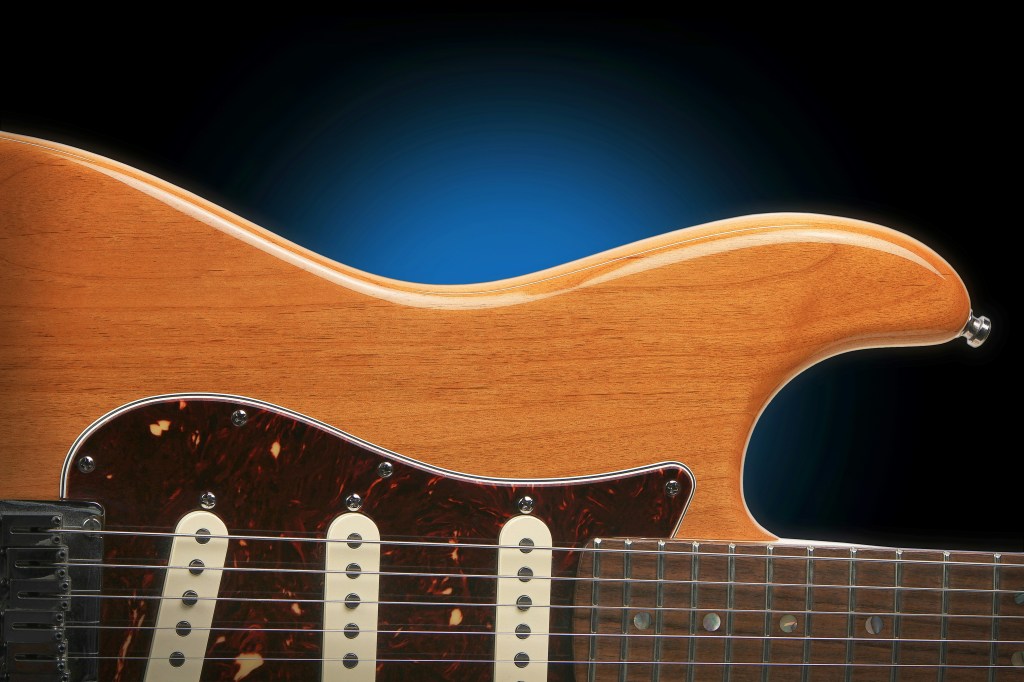
An electric guitar uses magnetic pickups to turn string movement into an electrical signal. That signal travels through a cable to an amplifier, which turns it into sound.
Unlike an acoustic guitar, an unplugged electric guitar is quiet. You can hear the strings, but the sound is thin and soft. The amplifier provides much of the volume, tone, distortion, and character people associate with electric guitar.
An electric guitar setup usually includes:
- Electric guitar: The instrument itself
- Pickups: Devices that sense string vibration
- Cable: Connects the guitar to an amp or audio device
- Amplifier: Makes the signal loud and shapes the tone
- Effects: Change the sound with distortion, delay, reverb, chorus, and other tools
- Accessories: Picks, strap, tuner, stand, and spare strings
A pickup is not the same as a microphone. A microphone captures sound in the air. A magnetic pickup senses the movement of metal strings above magnets. This is why standard electric guitar pickups work best with steel strings.
The amplifier matters more than many first-time buyers expect. Two guitars can sound quite different through different amps, even when both guitars are well made. However, a good amp cannot fully fix poor fretwork, tuning problems, or an uncomfortable neck.
Manufacturers such as Fender and Gibson document the basic parts and controls of electric guitars, but the exact design varies by model. Pickup type, body wood, bridge design, neck shape, and scale length all affect the playing experience.

The Main Reasons an Electric Guitar Is Worth It
An electric guitar is worth buying when its strengths match your goals. Its biggest advantages are flexibility, low-volume practice, and access to a wide range of sounds.
You can play many styles
Electric guitar works well for:
- Rock
- Blues
- Metal
- Punk
- Country
- Funk
- Pop
- Jazz
- Indie music
- Worship and contemporary music
- Home recording
An acoustic guitar can also play some of these styles, but an electric guitar makes certain sounds much easier. Distortion, controlled feedback, palm muting, bends, sustained notes, and effects are central to many electric guitar parts.
If your favorite players use electric guitar, learning on one can also make practice feel more relevant. Motivation matters. A guitar that makes you want to pick it up is often more valuable than one that looks practical on paper.
You can practice at a lower volume
Many U.S. players live in apartments, dorms, shared homes, or neighborhoods with close neighbors. An electric guitar can work well in these settings because you can use:
- Headphones with a compatible amp
- A headphone amp
- A small practice amplifier at low volume
- A computer or mobile device with an audio interface
- A digital modeling unit
This does not make an electric guitar silent. Unplugged string noise still exists, and some amplifiers do not support headphones. Check the manual before connecting headphones. Never plug headphones into a guitar’s output jack unless the device specifically supports that connection.
You can shape the sound as you improve
A basic electric guitar can produce clean, distorted, bright, warm, sharp, or smooth sounds. You can change the tone with:
- Pickup selection
- Volume and tone controls
- Amplifier settings
- Effects pedals
- Software plugins
- Playing position
- Pick thickness and technique
This flexibility can make the instrument useful for years. You do not need to replace the guitar every time your musical interests change.
The strings may feel easier to press
Many beginners find electric guitar strings easier to press than steel-string acoustic guitar strings. Electric guitars often use lighter string gauges and lower action, which means the strings sit closer to the fretboard.
That does not mean electric guitar is effortless. You still need finger strength, clean fretting, timing, and practice. A poorly adjusted electric guitar can feel harder to play than a well-set-up acoustic guitar.
String tension also depends on scale length, tuning, string gauge, and setup. Do not assume every electric guitar will feel the same.

When an Electric Guitar May Not Be Worth It
An electric guitar may not be the best choice if you want the simplest or lowest-cost path to making sound.
You want to play anywhere without extra gear
An acoustic guitar is easier to carry and play. You can take it to a park, camp, living room, or friend’s house without an amplifier or cable.
An electric guitar needs more parts for a full setup. You may also need access to power unless you use a battery-powered device or practice unplugged.
You mainly want singer-songwriter accompaniment
If your goal is to sing while playing open chords, an acoustic guitar may serve you better. It produces a fuller sound on its own and often fits that style more naturally.
This is not a strict rule. Many singers use electric guitar with a clean amp tone. The question is whether the electric guitar supports your main use or adds equipment you do not need.
You have a very small total budget
The price of the guitar is not the whole cost. A realistic beginner setup may include:
| Item | Why it matters |
|---|---|
| Electric guitar | The main instrument |
| Practice amp or headphone device | Produces or shapes the sound |
| Instrument cable | Connects the guitar to the amp |
| Tuner | Helps keep the guitar in tune |
| Picks | Useful for many playing styles |
| Strap | Helps when playing while standing |
| Spare strings | Strings eventually break or wear out |
| Stand or case | Protects the guitar between sessions |
A low-cost guitar can be usable, but the cheapest option is not always the best value. A guitar that will not stay in tune or has sharp fret ends may discourage practice.
A used guitar can lower the cost. Buy from a seller with a clear return policy when possible, and inspect the neck, frets, bridge, tuners, output jack, and electronics before committing.
You are unsure whether you enjoy guitar
If you have never played before, renting, borrowing, or taking a few lessons can reduce the risk. Some music stores in the United States offer rental programs or beginner packages, but terms vary by store and location.
The goal is not to delay forever. It is to learn whether you enjoy regular practice before spending money on features you may not use.

How Much Does an Electric Guitar Setup Cost?
The total cost varies widely, but you should budget for the complete system rather than the guitar alone.
Here is a hypothetical example:
| Setup | Guitar | Other gear | Example total |
|---|---|---|---|
| Basic starter setup | $250 | $150 | $400 |
| Comfortable beginner setup | $500 | $250 | $750 |
| Higher-quality starter setup | $900 | $350 | $1,250 |
These are planning examples, not current price quotes. U.S. prices change by brand, sales, taxes, used condition, and included equipment.
A basic starter setup may be enough to learn chords, scales, riffs, and simple songs. A more comfortable setup may offer better fretwork, more reliable tuning, a better practice amp, and improved long-term value.
A useful way to judge value is to calculate the cost per month you expect to use the instrument. For example, a $600 setup used for three years costs about $16.67 per month before maintenance. A $300 setup used for three months costs about $100 per month.
That calculation does not prove one purchase is better. It shows why a slightly better instrument can be less expensive in practice if it keeps you interested and gets regular use.
Costs that may appear later
Plan for occasional expenses such as:
- New strings
- Professional setup work
- A replacement cable
- A better amplifier
- A gig bag or hard case
- Effects pedals
- Music lessons
- Repairs
Most electric guitars do not require frequent professional service when stored correctly, but they do need basic care. Keep the instrument away from extreme heat, moisture, and rapid temperature changes. A stable indoor environment is usually suitable.

Is an Electric Guitar Good for Beginners?
Yes. An electric guitar can be an excellent beginner instrument if it feels comfortable, stays in tune, and matches the music you want to play.
A beginner does not need an expensive guitar. The most important factors are:
- Comfort: The neck should feel manageable in your hand.
- Playable action: The strings should not sit unnecessarily high above the frets.
- Stable tuning: The tuning machines and bridge should work reliably.
- Good basic setup: The frets should not have dangerous sharp edges.
- Suitable sound: The pickups and amp should support your preferred style.
- Reliable electronics: The output jack and controls should work without cutting out.
A low-priced guitar with a basic setup can be better than a more expensive guitar that feels uncomfortable. If possible, play the exact instrument before buying. If you shop online, review the return policy and inspect the guitar soon after delivery.
Beginner features that may help
You may benefit from:
- A comfortable “C”-shaped neck
- A fixed bridge
- Two or more pickup options
- A simple control layout
- A shorter or medium scale if your hands are small
- A light-to-medium string gauge
- A practice amp with a headphone output
A floating tremolo bridge can create pitch effects, but it may add setup and tuning complexity. Beginners who want the simplest maintenance often prefer a fixed bridge or a basic synchronized tremolo bridge.
No single body shape or brand is right for every player. Comfort and intended music matter more than a famous logo.

Electric Guitar vs. Acoustic Guitar
The better choice depends on the type of music and practice environment you have.
| Factor | Electric guitar | Acoustic guitar |
|---|---|---|
| Extra equipment | Usually required | Usually not required |
| Practice volume | Can be low with headphones or a small amp | Always produces acoustic sound |
| Tone options | Very broad with amps and effects | More limited but direct |
| Portability | Less convenient | Highly convenient |
| String feel | Often lighter | Often more demanding, depending on model |
| Best fit | Rock, blues, metal, pop, lead guitar | Folk, country rhythm, singer-songwriter playing |
| Ongoing setup | Guitar, amp, cable, accessories | Guitar and accessories |
This table describes common patterns, not fixed rules. Electric guitar can play folk music, and acoustic guitar can play blues or rock. Your preferred sound should guide the choice.
Choose electric first when:
- You want to play riffs, solos, or distorted chords.
- You need quiet practice.
- You like experimenting with effects.
- Your favorite music uses electric guitar.
- You expect to record with an amp or audio interface.
Choose acoustic first when:
- You want to sing and play simple chords.
- You want a guitar that needs no amp.
- You value portability.
- You prefer a direct, natural sound.
- You want the fewest extra purchases.
Some players eventually own both. That is reasonable if each guitar serves a different purpose, but you do not need both to learn the fundamentals.

Electric Guitar vs. Other Beginner Instruments
An electric guitar is not automatically the best first instrument. Compare it with the options you may already be considering.
Electric guitar vs. digital piano
A digital piano is often better for players who want a clear visual layout, full chords, and immediate sound without an amp. An electric guitar is better for players drawn to riffs, bends, rhythm patterns, and guitar-based music.
Electric guitar vs. bass guitar
Bass guitar has thicker strings and a lower register. It may be the right choice if you want to support a band or focus on groove. Some bass parts are simpler at first, but bass still requires timing and consistent technique.
Electric guitar vs. ukulele
A ukulele is smaller and often easier to carry. It has fewer strings and a different tuning, so it is not a direct substitute for electric guitar. Choose based on the sound and songs you want to play.
Electric guitar vs. a guitar-learning app
An app can help with timing, lessons, and motivation. It cannot replace the physical instrument. Treat apps as learning tools, not as proof that any guitar will be easy to play.

What Should You Buy With an Electric Guitar?
Start with gear that solves a real need. You do not need a large pedalboard or expensive recording system on day one.
Essential gear
Buy or obtain:
- Electric guitar
- Practice amplifier or headphone solution
- Instrument cable
- Tuner
- Picks
- Spare strings
- Strap if you plan to stand
- Gig bag or case
A clip-on tuner works well for many beginners, but some electric guitar signals can be difficult for a clip-on tuner to detect in noisy rooms. A pedal tuner, amp tuner, or tuning app may also work.
Useful but optional gear
You may later want:
- Metronome
- Guitar stand
- Capo
- String winder
- Small screwdriver set
- Effects pedal
- Audio interface
- Recording software
- Lessons or structured course
A modeling amplifier can provide several amp sounds and effects in one unit. That may be useful for beginners who want variety without buying separate pedals. A simple practice amp can be better for someone who wants fewer controls and less distraction.

Common Problems That Make an Electric Guitar Feel “Not Worth It”
Many disappointing first experiences come from setup or expectation problems rather than the idea of electric guitar itself.
The guitar will not stay in tune
Possible causes include:
- New strings stretching
- Incorrect string installation
- Loose tuning machines
- A poorly cut nut
- Bridge friction
- Aggressive bending
- Temperature changes
Tune the guitar carefully, stretch new strings gently, and check whether the problem affects one string or all strings. If tuning remains unstable, a qualified guitar technician may need to inspect the nut and hardware.
The strings feel hard to press
Possible causes include:
- High action
- Heavy strings
- Incorrect neck relief
- Poor technique
- An unsuitable scale length
Do not force the strings down with excessive pressure. A professional setup can often improve playability. If the guitar has severe fret buzz or cannot be adjusted normally, return it or have it assessed before spending more money.
The sound is weak or noisy
Check the signal path in this order:
- Confirm the amplifier is powered on.
- Set the amp volume to a low level.
- Check both ends of the cable.
- Test another cable if available.
- Turn the guitar volume control up.
- Test another input or amp if available.
- Inspect the output jack for looseness.
Unplug the cable before opening or modifying electronic equipment. Tube amplifiers can contain dangerous voltages even after being switched off. Do not attempt internal amp repairs unless you are trained to do so.
The guitar sounds bad through the amp
Try a clean amp setting first. Set the guitar volume near full, then adjust gain, bass, middle, treble, and volume one at a time.
Distortion can hide mistakes but can also make unwanted noise more obvious. If the guitar sounds poor on a clean setting, check tuning, string condition, pickup height, and setup before buying more effects.

How to Decide if an Electric Guitar Is Worth It for You
Use this simple decision test.
Choose an electric guitar if you answer “yes” to most of these questions
- Do you want to play music built around electric guitar?
- Can you afford the guitar and basic gear together?
- Do you need to practice quietly?
- Will you use effects or different amp sounds?
- Do you have a place to store the equipment?
- Are you willing to learn basic setup and maintenance?
- Does the instrument make you want to practice?
Consider an acoustic guitar instead if you answer “yes” to most of these questions
- Do you want to play without an amplifier?
- Do you value simple travel and storage?
- Do you mainly want to sing while playing chords?
- Is your budget too small for a complete electric setup?
- Do you prefer a natural, unprocessed sound?
- Do you want fewer controls and accessories?
If your answers are mixed, try both before buying. A local U.S. music store, teacher, friend, or rental program may let you compare them. Spend at least several minutes sitting and standing with each instrument. Comfort can be easier to judge than technical specifications.

How Long Does It Take to Learn Electric Guitar?
You can learn a few basic chords and riffs within weeks, but useful skill develops over months and years. Progress depends on practice quality, not only practice time.
A simple beginner routine might include:
- Five minutes of tuning and warm-up
- Ten minutes of chord changes
- Ten minutes of rhythm with a metronome
- Ten minutes learning a short song or riff
- Five minutes reviewing a problem area
Practice slowly enough to play the notes clearly. Increase speed only when your timing stays controlled.
Electric guitar can feel easy at first because lighter strings may reduce finger strain. Later, bends, vibrato, muting, alternate picking, barre chords, and rhythm accuracy add new challenges. That is normal progress, not evidence that you chose the wrong instrument.
A teacher can help correct posture, hand position, picking technique, and practice structure. Online lessons can also work, but choose material that explains the technique rather than only showing tabs.

Frequently Asked Questions
Is an electric guitar cheaper than an acoustic guitar?
Not always. An acoustic guitar can be ready to play by itself, while an electric guitar usually needs an amp, cable, and other accessories. A complete electric setup may cost more at the start, even when the guitar itself is inexpensive.
Can you play an electric guitar without an amp?
Yes, but the sound will be quiet and thin. You can hear enough for basic practice, but the unplugged sound does not represent the guitar’s full tone. A headphone amp, audio interface, or small practice amp gives you a more useful playing experience.
Is electric guitar easier than acoustic guitar?
It can be easier in some ways because electric guitars often use lighter strings and lower action. It can also be more complex because you must manage an amp, controls, noise, and effects. “Easier” depends on the guitar setup and the skills you want to learn.
Should a beginner buy a cheap electric guitar?
A beginner can buy an affordable electric guitar, but avoid choosing only by the lowest price. Prioritize comfort, tuning stability, safe fret ends, working electronics, and a return policy. A used guitar from a reliable seller can also be good value.
Do electric guitars need batteries?
Most passive electric guitar pickups do not need batteries. Active pickups and some guitars with built-in preamps do. Check the exact model before buying and remove batteries if the manufacturer advises it during long-term storage.
Is an electric guitar good for small apartments?
Usually, yes. You can use a headphone-compatible amp or device and keep the amplified volume low. However, string noise, tapping, and occasional amp sound may still travel through walls and floors.
Final Verdict: Is an Electric Guitar Worth It?
An electric guitar is worth it when you want its sound, flexibility, and practice options. It is especially practical for U.S. beginners who enjoy rock, blues, metal, pop, or recording and need to control volume.
It may not be worth the added cost if you want a simple guitar for singing, travel, or unplugged playing. In that case, an acoustic guitar may be the more efficient first purchase.
The safest choice is to judge the complete setup, not the guitar alone. Set a total budget, try the instrument if possible, confirm the amp or headphone plan, and choose comfort over appearance. If you still want to pick it up after a few test sessions, that is strong evidence that an electric guitar will be worth it for you.