
Piano music is music written for, played on, or built around the piano. In the United States, it appears in homes, schools, churches, concert halls, jazz clubs, film scores, and digital recordings. It may feature one pianist alone, a piano with singers or instruments, or a piano used as part of a larger ensemble.
The term does not describe one single style. Classical sonatas, jazz improvisation, blues, pop ballads, ragtime, film music, and beginner exercises can all be called piano music. What connects them is the piano’s role in creating rhythm, melody, harmony, or all three at once.

Quick answer: Piano music is any music performed on or written for the piano. It can be solo or part of an ensemble, and it can belong to almost any musical genre.
What does piano music mean?
Piano music means music in which the piano has a central or supporting role. A pianist may play the main melody, form the chords behind a singer, provide rhythm, or perform several musical parts at the same time.
The phrase can refer to several things:
- Solo piano music: One person plays the full work on piano.
- Piano accompaniment: The piano supports a singer, choir, or another instrument.
- Chamber music: The piano performs with a small group, such as a string quartet.
- Piano concerto music: A piano soloist plays with an orchestra.
- Popular piano music: Songs and instrumental pieces from pop, rock, blues, country, and other styles.
- Educational piano music: Scales, studies, method-book pieces, and exercises designed to build skill.
A piano can play both melody and harmony. Melody is the main line of notes that a listener may sing. Harmony is the group of notes that supports that line. Since the piano has many keys and a wide range, one player can create the effect of several musical parts at once.
The phrase “piano music” is broader than “classical piano music.” Classical piano is one important branch, but the piano also has deep roots in jazz, gospel, blues, ragtime, musical theater, country, and popular music in the United States.

How does a piano make music?
An acoustic piano makes sound when felt-covered hammers strike metal strings. Pressing a key starts a chain of small mechanical actions. The key moves a lever, the lever sends the hammer toward a string, and the string vibrates.
The vibrating string transfers energy to the piano’s soundboard. The soundboard moves air and makes the sound louder. A damper controls how long many notes ring. When a player releases a key, the damper returns to the string and stops much of the vibration.
The piano’s main parts include:
- Keys: The player presses these to start each note.
- Action: The mechanical system that transfers movement from a key to a hammer.
- Hammers: Felt-covered parts that strike the strings.
- Strings: Metal wires that vibrate at different pitches.
- Soundboard: A wooden panel that helps project the sound.
- Dampers: Parts that stop strings from ringing.
- Pedals: Controls that change sustain, tone, or other effects.
A piano usually has 88 keys. The keys move from low bass notes on the left to high treble notes on the right. The exact design can vary by instrument.
A digital piano creates sound in a different way. It uses electronic sound samples, modeling, or both. It does not use strings and hammers to produce its sound. Still, music written for acoustic piano can often be played on a digital piano, provided the instrument has a suitable range and responsive keys.
The piano’s volume responds to touch. Pressing a key with more force usually makes a louder sound. Pressing it gently produces a softer sound. This gives the piano a wide range of expression, from a quiet melody to a strong chord.

What are the main types of piano music?
The main types of piano music differ by purpose, setting, style, and the number of performers. Knowing these types helps you understand what a piece is meant to do.
Solo piano music
Solo piano music is written for one pianist. The performer may play the melody, harmony, bass line, and rhythm without help from another musician.
Common solo forms include:
- Sonata: A large work that often has several sections or movements.
- Prelude: A short piece that may introduce a musical idea or stand alone.
- Etude: A study written to develop a specific skill.
- Nocturne: A piece often linked with a calm, night-like mood.
- Waltz: Music based on a triple-meter dance pattern.
- Minuet: A formal dance style in triple meter.
- Ragtime: Syncopated music with a steady bass pattern.
- Theme and variations: A melody followed by changed versions of that melody.
These labels describe forms or styles, not fixed rules. A modern composer may use an old form in a new way.
Piano accompaniment
In accompaniment, the piano supports another performer. It may play chords, echo the melody, create a steady beat, or fill in the musical texture.
A piano can accompany:
- A solo singer
- A choir
- A violinist or cellist
- A musical theater performer
- A dance class
- A church service
- A school ensemble
An accompanist must listen closely. The goal is not always to play loudly or draw attention. The piano must support the main performer while keeping the beat and musical shape clear.
Chamber music
Chamber music uses a small group of performers. Piano trios, piano quartets, and piano quintets are common examples. These groups often include piano with strings, such as violin, viola, and cello.
In chamber music, the piano may switch roles from one passage to the next. It can provide the foundation in one moment and carry the main theme in another. Players must balance their sound and respond to each other.
Piano concertos
A piano concerto places a piano soloist with an orchestra. The orchestra may introduce themes, answer the piano, or create a large sound around the solo part.
A concerto is not simply a piano piece with background music. It is a conversation between the soloist and the orchestra. The form often includes contrasting sections and moments in which the piano plays alone.
Popular and American piano styles
Piano music in the United States developed through many musical traditions. Important examples include:
- Blues piano: Often uses expressive phrasing, repeated patterns, and blue notes.
- Jazz piano: May include improvisation, complex chords, swing, and interaction with a band.
- Ragtime: Uses syncopated melodies over a regular bass pattern.
- Gospel piano: Often combines strong rhythm, repeated chord patterns, and expressive harmony.
- Rock and pop piano: Usually supports a song with chords, riffs, bass movement, or hooks.
- Country piano: May use simple chord patterns, rhythmic fills, and links to honky-tonk traditions.
- Musical theater piano: Supports singers, rehearsals, dance numbers, and dramatic timing.
These categories can overlap. A single song may combine blues harmony, gospel rhythm, jazz chords, and pop structure.

How is piano music written and read?
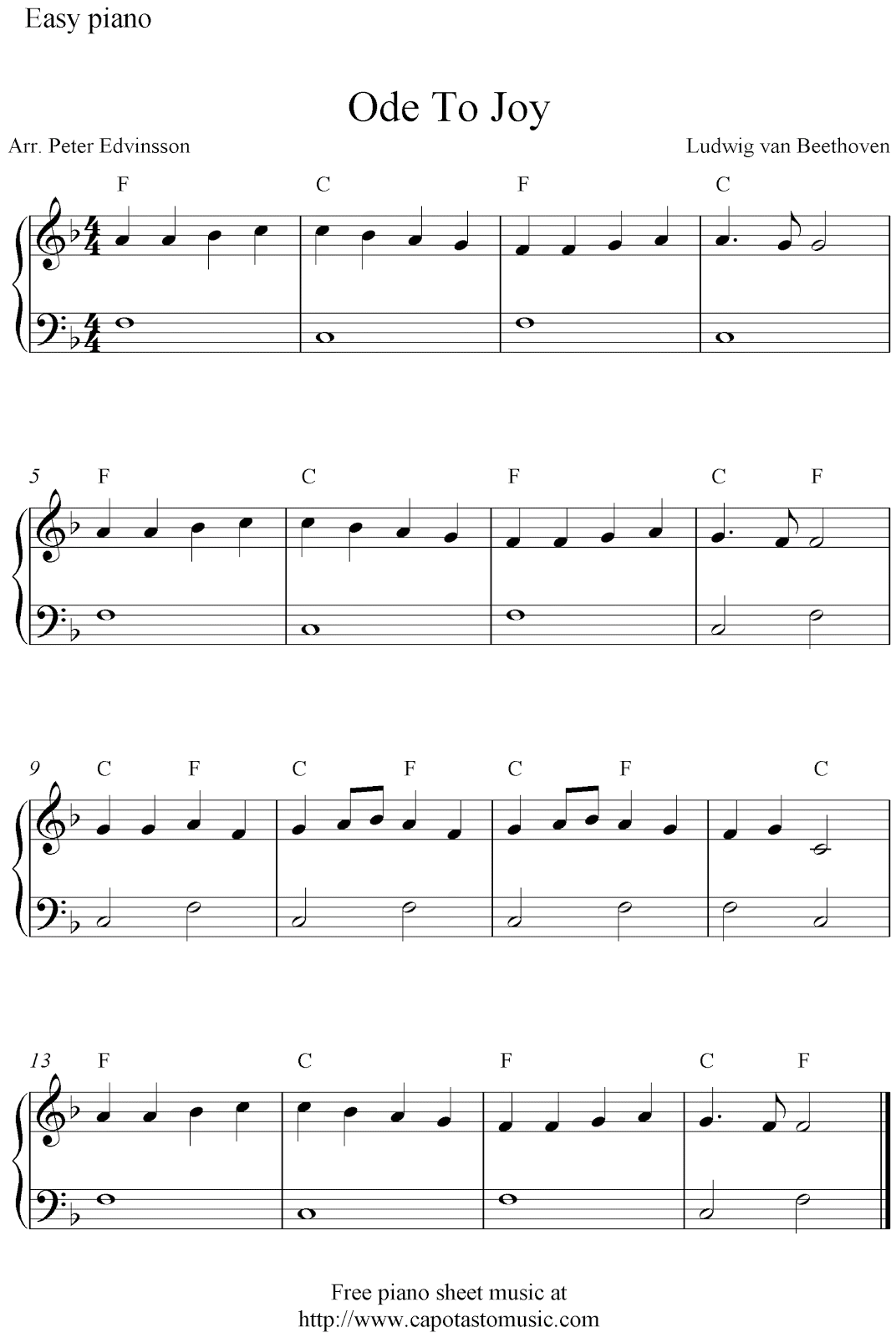
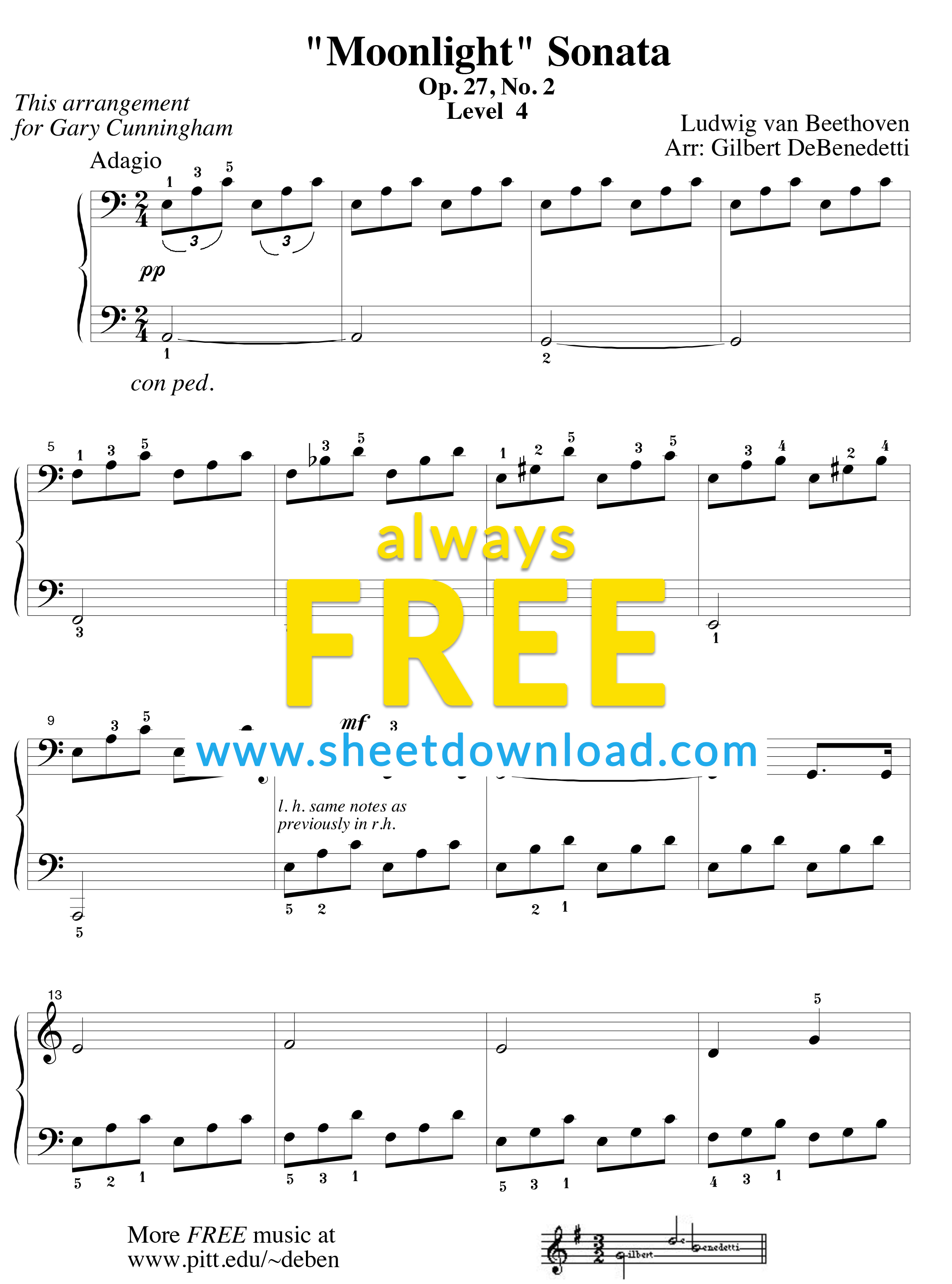
Most traditional piano music uses staff notation. A staff is a set of five horizontal lines. Piano music commonly uses two staves at once:
- The treble clef usually shows notes played by the right hand.
- The bass clef usually shows notes played by the left hand.
This division is a guide, not a strict rule. Either hand may cross into the other staff when the music requires it.
A written piano score can show several musical details:
- Pitch: Which note to play
- Rhythm: How long to hold each note
- Tempo: How fast to play
- Dynamics: How soft or loud to play
- Articulation: Whether notes are smooth, detached, accented, or connected
- Pedaling: When to use the piano pedals
- Expression marks: Changes in mood, force, or speed
Piano music may also use chord symbols, such as C, G7, or A minor. Chord symbols are common in jazz, pop, worship music, and lead sheets. They tell the player which harmony to use but may not give every note or rhythm.
Some piano players learn by ear instead of reading notation. Learning by ear means identifying notes, chords, rhythms, and patterns through listening. Many musicians use both methods: notation provides detail, while ear training helps with memory and musical response.
Why is the piano useful for so many kinds of music?
The piano is useful because it covers a wide pitch range and can play many notes at once. A single pianist can create a bass line, chords, melody, and rhythm with two hands.
The instrument also provides a clear visual layout. The keys repeat in a pattern, which helps players see the relationship between notes. This makes the piano useful for learning scales, chords, harmony, and music theory.
Composers often use the piano to plan music before arranging it for an orchestra or band. A piano can reduce a large musical idea to a form that one person can play. Singers and instrumentalists also use it to find notes, practice parts, and study harmony.
The piano has limits, too. It cannot sustain a note forever in the same way as a violin or human voice. Each note begins with a hammer strike, and the sound slowly fades. A pianist must use timing, touch, pedaling, and phrasing to shape the music.
The instrument also demands coordination. A player may need to read two staves, control both hands, manage rhythm, and use the pedals at the same time. Good piano playing is not only about hitting the correct keys. It is also about control, balance, timing, and musical intent.

What is the difference between piano music and a piano song?
A piano piece is usually written mainly for the piano. It may be an instrumental work with no singing.
A piano song often means a song that includes piano as its main instrument. It may have lyrics and a singer. The piano can provide chords and rhythm while the voice carries the melody.
For example:
- A solo arrangement of a film theme is piano music.
- A singer performing a ballad with piano is a piano song.
- A piano version of a pop song may include the vocal melody without the original words.
- A piano concerto is piano music but not usually called a piano song.
The terms are informal, so their use can vary. The key difference is whether the work centers on instrumental piano performance or on a song with vocals.
How can a beginner start listening to or playing piano music?
A beginner can start by choosing music that matches their goal. Someone who wants to relax may enjoy slow solo pieces. Someone who wants to play popular music may begin with simple chord patterns. Someone interested in classical music may start with short pieces written for early learners.
For listening, try this simple process:
- Listen once without analyzing the music.
- Notice the main melody.
- Listen for the bass or lowest notes.
- Hear whether the rhythm feels steady, swung, or free.
- Notice changes in volume, speed, and mood.
- Listen again and identify repeated sections.
For playing, start with a basic setup:
- Sit so the shoulders and arms can stay relaxed.
- Keep the fingers curved without forcing them.
- Learn a few notes and simple rhythms at a time.
- Practice slowly enough to avoid repeated mistakes.
- Use a metronome when steady timing is the goal.
- Stop if pain develops rather than trying to push through it.
Short, focused practice is often more useful than a long session filled with tension. A teacher can help with posture, technique, reading, and a practice plan. A qualified teacher is especially helpful when a learner has ongoing pain, numbness, or weakness.
Success at the early stage means more than playing fast. Look for an even beat, relaxed movement, clear notes, and the ability to repeat a short passage with fewer errors.
Key takeaways
- Piano music is any music written for, performed on, or centered around the piano.
- It includes classical, jazz, blues, pop, gospel, ragtime, country, film, and educational music.
- An acoustic piano creates sound with hammers, strings, and a soundboard.
- A digital piano creates sound electronically but can still play much of the same repertoire.
- Piano music may be solo, accompanied, part of chamber music, or performed with an orchestra.
- The piano is versatile because one player can perform melody, harmony, bass, and rhythm together.
Frequently asked questions
Is piano music a genre?
No. Piano music is a broad category, not one genre. It can include many genres, such as classical, jazz, blues, pop, gospel, and ragtime.
Is all piano music classical?
No. Classical piano music is only one part of piano music. The piano is also central to many American styles, including jazz, blues, gospel, ragtime, rock, country, and musical theater.
Can piano music include singing?
Yes. A piano may accompany a singer, choir, or musical theater performer. However, “solo piano music” usually means instrumental music without a vocal part.
What is the difference between acoustic and digital piano music?
An acoustic piano makes sound through vibrating strings and a soundboard. A digital piano makes sound through electronic systems. The written music may be the same, but the touch, tone, pedals, and response can differ between instruments.
Do you need to read music to play piano music?
No. Some players learn by ear, use chord symbols, or follow tutorials. Reading music gives you a precise way to understand pitch, rhythm, dynamics, and structure, so it can expand the range of music you can learn.
Conclusion
Piano music is not one sound or one style. It is a wide musical category built around an instrument that can carry melody, harmony, rhythm, and bass at the same time. That range explains why the piano works in a quiet solo piece, a jazz group, a church band, a pop song, or a full orchestra.
To explore it, choose one style that interests you, listen for its melody and rhythm, and then try a simple piece or chord pattern. The best next step is to hear how the piano’s touch, timing, and harmony shape the music.