

A microphone is not a musical instrument, but it is an essential sound-making tool.
The question “is a microphone an instrument” has a clear answer, but the full story is more interesting. A microphone captures sound, changes it into an electrical signal, and helps performers, speakers, and producers shape what listeners hear. Its role can feel musical, especially in modern recording, live shows, beatboxing, and electronic music.
Is a Microphone an Instrument?
In the traditional sense, a microphone is not a musical instrument. A musical instrument creates sound through vibration, such as a guitar string, piano string, drum head, or brass tube. A microphone does not usually create the original sound. Instead, it detects sound waves and converts them into an electrical signal.
This difference is important. A singer creates sound with the vocal cords, while the microphone captures that voice. A guitarist creates notes with the strings, while the microphone records the vibration from the strings and guitar body.
Still, the answer can change when we look at modern music. Artists use microphones to create vocal effects, rhythmic sounds, loops, and electronic textures. In these cases, a microphone becomes part of the creative instrument system, even if it is not an instrument by classical definition.

How a Microphone Works
A microphone works much like a translator. It hears changes in air pressure and turns those changes into an electrical signal that other equipment can use.
Sound begins when an object vibrates. Those vibrations move through the air as sound waves. When the waves reach a microphone, they move a thin part called a diaphragm.
The diaphragm’s movement is then changed into an electrical signal. The exact process depends on the microphone type.
Dynamic microphones
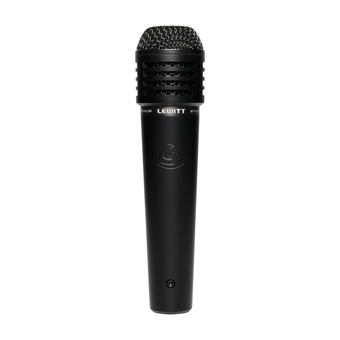
Dynamic microphones use a diaphragm, voice coil, and magnet. When sound moves the diaphragm, the voice coil moves within the magnetic field. This creates a small electrical signal.
Dynamic microphones are:
• Strong and reliable
• Often less sensitive than condenser microphones
• Common for live vocals, guitar amplifiers, and drums
• Useful in loud or demanding settings
The Shure SM58 is a well-known example. It is popular because it can handle rough use and high sound levels.
Condenser microphones
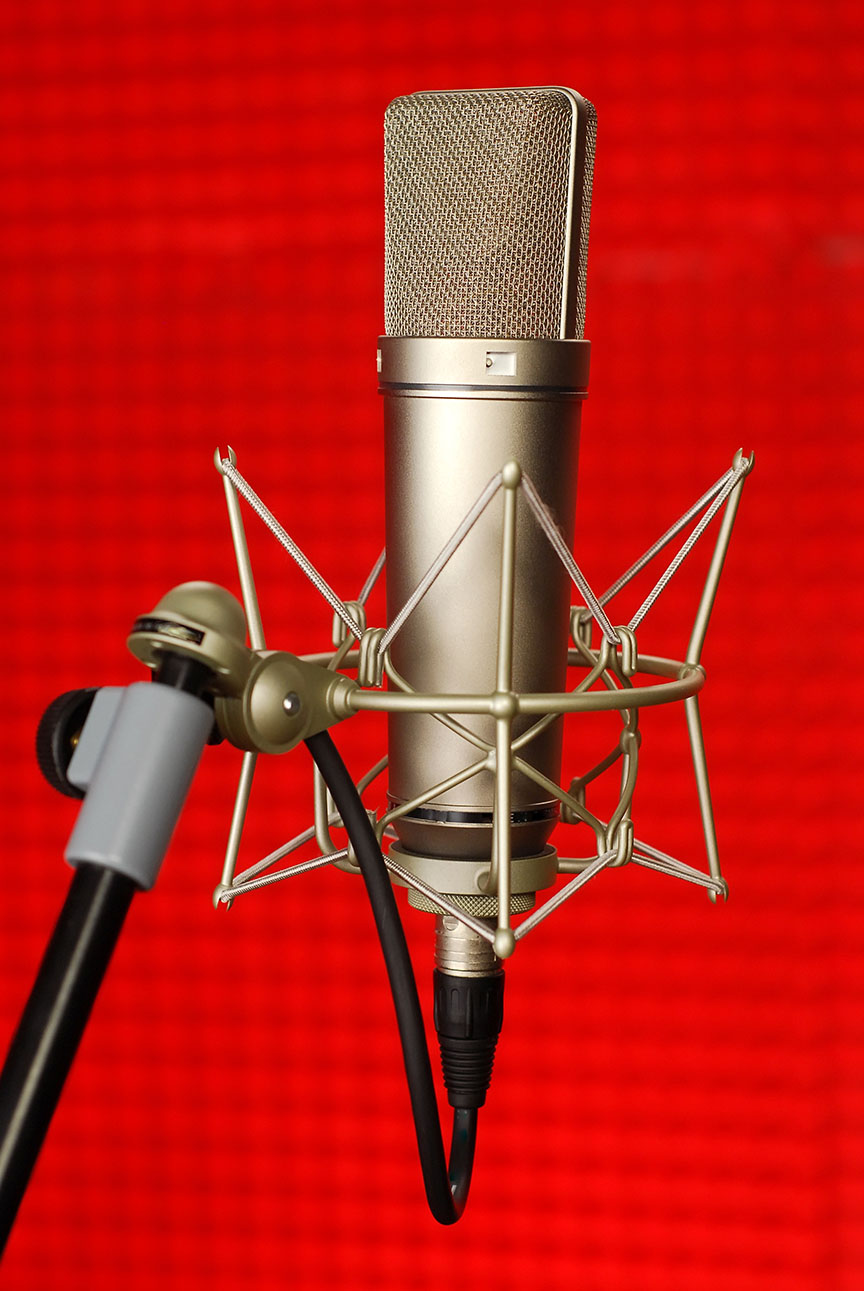
Condenser microphones use a thin diaphragm placed near a charged backplate. Sound changes the distance between the diaphragm and backplate. This changes the electrical charge and creates the audio signal.
Condenser microphones are often:
• More sensitive
• Better at capturing fine detail
• Used for studio vocals, acoustic instruments, and podcasts
• Powered by batteries or phantom power
They can capture soft sounds well, but they may also pick up more room noise.
Ribbon microphones
Ribbon microphones use a very thin metal ribbon. Sound moves the ribbon inside a magnetic field. This design can produce a smooth and natural sound.
Ribbon microphones are often used on:
• Brass instruments
• Guitar cabinets
• Strings
• Room recordings
• Warm vocal tracks
They can be delicate, so they need careful handling.

Why a Microphone Is Not Usually Called an Instrument
The word “instrument” has several meanings. In music, it usually means an object that produces musical tones. Under that definition, a microphone is a transducer, not an instrument.
A transducer changes one form of energy into another. A microphone changes acoustic energy into electrical energy. A speaker does the reverse by changing electrical energy into sound.
This makes a microphone closer to a recording device than a traditional instrument. It does not have strings, keys, valves, or a resonating body that creates the main musical note.
There are a few exceptions. Some microphones include built-in circuits that alter the signal. Others are used as sound sources in experimental music. Even then, the microphone is usually acting as a sound controller or signal tool rather than a standard instrument.
So, is a microphone an instrument? In music education and audio engineering, the most accurate answer is no. It is an audio transducer that can become part of an instrument setup.

Can a Microphone Be Used as a Musical Instrument?
Yes, a microphone can be used as a musical instrument in a practical and creative sense. Artists can tap it, scrape it, move it, distort it, or use feedback to create sound.
Beatboxers are a clear example. They use a microphone to amplify vocal percussion and shape the sound for an audience. The microphone does not create the beat alone, but it becomes part of the performance method.
Singers also use microphones as expressive tools. They may change distance, angle, pressure, or movement to affect the sound. A singer who moves closer can create a stronger bass effect. Pulling away during a loud note can help prevent distortion.
Artists may also use microphones for:
• Live looping
• Vocal sampling
• Feedback performance
• Sound installation art
• Foley and experimental recording
• Radio-style voice effects
• Contact microphone performance
In these settings, the microphone helps produce the final musical result. This is why some people reasonably describe it as an instrument, even though audio experts classify it as a transducer.

Microphone as a Creative Tool
A microphone does more than capture sound accurately. It can change how sound feels, how close a performer seems, and how a listener understands the performance.
For example, a close microphone position can make a voice sound intimate. A microphone placed several feet away can make the same voice sound more open and connected to the room.
Microphone choice also changes tone. A dynamic microphone may make a loud rock vocal feel focused and controlled. A condenser microphone may reveal breath, mouth sounds, and small changes in pitch.
During recording, I have found that beginners often blame their voice or instrument when the real issue is microphone placement. Moving the microphone just a few inches can change the balance more than buying a costly new model.
Useful placement tips include:
• Point the microphone toward the sound source, not always directly at its center.
• Keep a steady distance when recording vocals.
• Use a pop filter to reduce harsh “p” and “b” sounds.
• Test several positions before changing equipment.
• Listen in context with the full mix.
A microphone is like a camera for sound. The camera does not create the person in front of it, but its lens and position strongly affect the final image. A microphone works in much the same way.

The Difference Between a Microphone and a Musical Instrument
The main difference is the function each device performs.
| Feature | Microphone | Musical instrument |
|---|---|---|
| Main role | Captures sound | Produces sound |
| Input | Sound waves | Human action or energy |
| Output | Electrical audio signal | Acoustic sound |
| Examples | Dynamic, condenser, ribbon | Piano, guitar, violin |
| Common use | Recording and amplification | Performance and composition |
This table shows the general rule, but real music can blur the line. An electric guitar needs pickups, cables, and amplifiers. A synthesizer uses electronic circuits to create sound. A microphone may also be connected to effects and looping systems.
The full setup matters. A microphone alone normally captures sound. A microphone connected to a sampler, effects processor, and speaker can become part of a playable sound system.
That distinction helps explain why people disagree about whether a microphone is an instrument. They may be using different definitions of the word “instrument.”
Is a Microphone an Instrument in Music Education?
Most music programs do not classify microphones as instruments. They usually place microphones under audio equipment, recording technology, or amplification tools.
A school band may list woodwinds, brass, percussion, and strings as instrument families. A microphone supports those groups but does not normally belong to one of them.
However, music education is becoming broader. Students now learn beat production, digital audio, live looping, sampling, and electronic performance. In those areas, a microphone can be treated as an interactive musical tool.
The classification depends on the goal:
• For music history, a microphone is usually audio equipment.
• For sound engineering, it is a transducer.
• For live performance, it may be an expressive tool.
• For experimental music, it can function like an instrument.
• For beatboxing, it is part of the performance setup.
This flexible view is more useful than a simple yes-or-no answer.
Can a Microphone Create Sound?
A microphone usually does not create sound in the same way an instrument does. It detects existing sound and converts it into a signal.
However, a microphone can help create new sounds through feedback. Feedback happens when sound from a speaker enters the microphone again. The signal repeats, grows, and may produce a ringing tone.
Musicians can control feedback by changing:
• Microphone distance
• Speaker position
• Volume level
• Room shape
• Frequency range
• Microphone direction
Feedback can be musical, but it can also damage speakers and hearing. Always start at a low volume. Never place a microphone directly in front of a loud speaker unless the setup is designed for that purpose.
A microphone can also trigger samples or software instruments. In that case, the microphone detects a sound, while another device creates the final tone. The microphone acts as a controller.
Common Uses of Microphones
Microphones appear in far more places than concerts and recording studios. They are part of daily communication, entertainment, science, and accessibility tools.
Common uses include:
• Singing and live performance
• Podcasting and voice recording
• Video calls
• Film production
• News reporting
• Public speaking
• Musical instrument recording
• Hearing assistance systems
• Voice commands
• Wildlife and field recording
Each use needs a different microphone design. A stage microphone must resist handling noise and loud sound. A podcast microphone should produce clear speech in a controlled room. A film microphone must capture dialogue from a distance.
Choosing the right microphone means matching the device to the sound source, space, and purpose. The most expensive microphone is not always the best choice.
How to Choose the Right Microphone
If you are buying your first microphone, start with your goal. Do not begin with brand names or online popularity.
Use these steps:
- Decide what you will record. Choose voice, singing, guitar, drums, streaming, or field sound.
- Check your room. A sensitive condenser microphone may capture echoes and computer fans.
- Set a realistic budget. Include a stand, cable, pop filter, and audio interface when needed.
- Choose the right connection. USB microphones connect directly to computers, while XLR microphones usually need an interface or mixer.
- Test placement. Position often matters as much as the microphone model.
- Check comfort and durability. A microphone should suit your workflow.
For a noisy bedroom, a dynamic microphone may be a smart choice. For a treated studio, a condenser microphone may reveal more detail. For outdoor work, wind protection is essential.
One common mistake is buying a highly sensitive microphone for an untreated room. The result may include echo, traffic, computer noise, and air conditioning. Better room control often improves the recording more than a more expensive microphone.
Microphone Benefits and Limitations
Microphones make modern audio possible, but they are not perfect. Understanding their strengths and weaknesses helps you use them well.
Benefits
• They amplify quiet sounds for large audiences.
• They preserve performances for later listening.
• They allow sound editing and processing.
• They support remote communication.
• They capture details that human ears may miss.
• They make new performance styles possible.
Limitations
• They can capture unwanted background noise.
• They may distort when exposed to very loud sounds.
• Different models color sound in different ways.
• Poor placement can create weak or harsh recordings.
• Room reflections can reduce clarity.
• Wireless systems may suffer from interference.
A microphone does not automatically improve sound. It reveals the quality of the source, room, placement, and recording chain. Good technique still matters.
Expert View: Transducer or Instrument?
From an audio engineering perspective, the answer is straightforward: a microphone is a transducer. It converts acoustic pressure into an electrical signal.
From a performance perspective, the answer can be more flexible. If a performer uses the microphone to shape rhythm, tone, feedback, or effects, it becomes part of the musical instrument system.
Both views can be correct because they describe different functions. The technical label explains how the device works. The artistic label explains how a performer uses it.
This is similar to a computer. A computer is not traditionally a musical instrument, but it can become one when used to play software synthesizers, trigger samples, or process live sound.
Frequently Asked Questions About Is a Microphone an Instrument
Is a microphone considered a musical instrument?
Usually, no. A microphone is technically an audio transducer because it captures sound and changes it into an electrical signal. In experimental music or beatboxing, it may function as part of a musical instrument setup.
Does a microphone produce sound?
A microphone normally does not produce sound by itself. It captures sound and sends an electrical signal to equipment such as a mixer, amplifier, recorder, or computer.
Is a microphone an instrument in a band?
A microphone is not usually counted as a band instrument. It supports singers and instrumentalists by amplifying or recording their sound.
Can you play a microphone like an instrument?
Yes, you can use a microphone creatively by tapping it, moving it, using feedback, or processing its signal. This approach appears in beatboxing, sound art, live looping, and experimental music.
What type of device is a microphone?
A microphone is an electroacoustic transducer. It converts changes in air pressure into an electrical audio signal.
Is a microphone needed for singing?
A microphone is not needed to produce singing, but it is useful for amplification and recording. It helps a singer reach a larger audience and preserve a performance.
Conclusion
So, is a microphone an instrument? In the technical sense, no. It is a transducer that captures sound and converts it into an electrical signal. Yet in creative performance, a microphone can become much more than a recording device.
Its placement, design, movement, and connection to effects can shape the final music. Treat it as both a precise audio tool and a creative partner. Test different microphones, improve your placement, and listen closely to the results. Share your favorite microphone technique or explore more recording guides to build your skills.