

For many people in the United States, owning an acoustic guitar is worth it because one instrument can support learning, songwriting, travel, home playing, and casual social music. It needs no amplifier, takes little space, and can be ready to play in seconds.
Still, an acoustic guitar is not the right choice for everyone. Your answer depends on your music goals, budget, hand comfort, living space, and how often you expect to play. A good acoustic can become a useful daily tool. A poor fit can sit in a closet with high action, sore fingers, and little motivation to continue.
This guide explains the real benefits, costs, limits, and signs that an acoustic guitar makes sense for you.
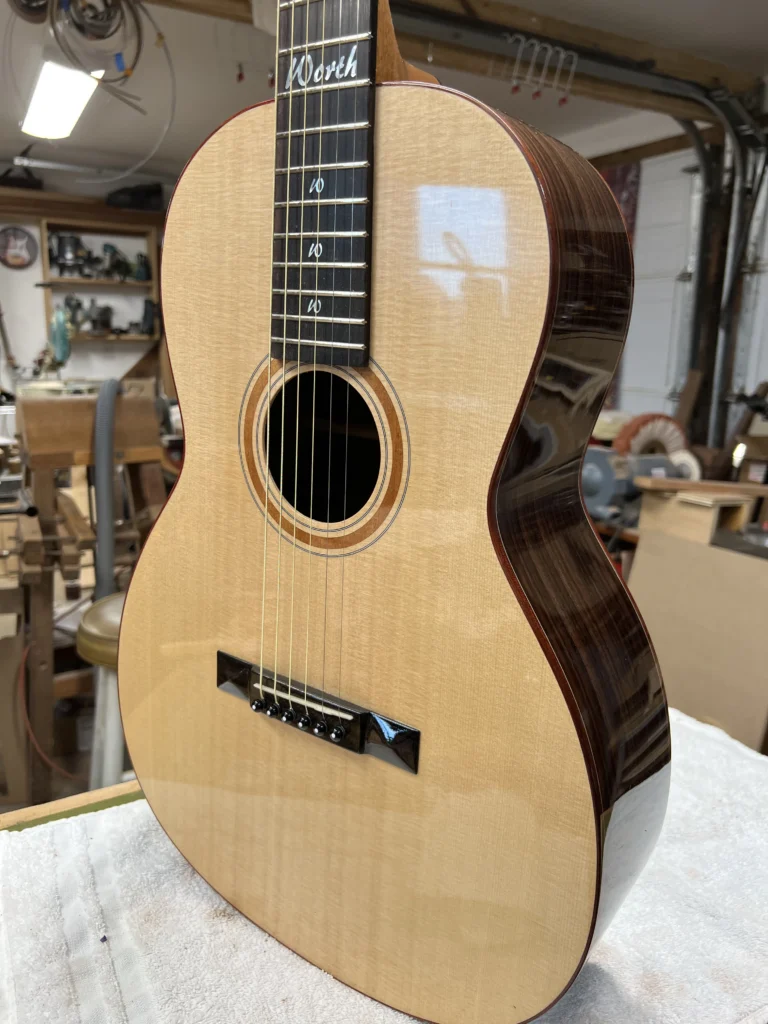
The Short Answer: Is an Acoustic Guitar Worth Owning?
Yes, an acoustic guitar is usually worth owning if you want a simple instrument for learning chords, singing, songwriting, folk music, country, rock, blues, or casual playing.
It may not be worth it if you mainly want loud electric tones, heavy effects, very low string tension, or music that depends on an amplifier. In those cases, an electric guitar may offer a better first experience.
An acoustic guitar is most valuable when you will use its main strengths:
- It plays without an amplifier.
- It is easy to carry around the house or to a small gathering.
- It can support both rhythm playing and basic melody work.
- It encourages short, frequent practice.
- It can sound complete with only one player.
- It has fewer electronic parts to maintain.
The key question is not, “Is an acoustic guitar good?” The better question is, “Does an acoustic guitar match the way I want to make music?”
Acoustic guitar vs. electric guitar at a glance
| Factor | Acoustic guitar | Electric guitar |
|---|---|---|
| Extra equipment | Usually none | Amplifier, cable, and power may be needed |
| Best for | Chords, singing, folk, country, unplugged playing | Rock, metal, blues, effects, lead guitar |
| String feel | Often firmer, depending on setup and strings | Usually lighter and easier to bend |
| Volume control | Limited | Easy with an amp |
| Portability | High | Lower when the amp is included |
| Practice at low volume | Can still be fairly loud | Easier with headphones or a small amp |
| Typical maintenance | Strings, setup, humidity care | Strings, setup, electronics, cables |
A steel-string acoustic often feels harder on the fingers at first than an electric guitar. That does not mean it is a worse beginner instrument. It means the setup, body size, string type, and practice plan matter.
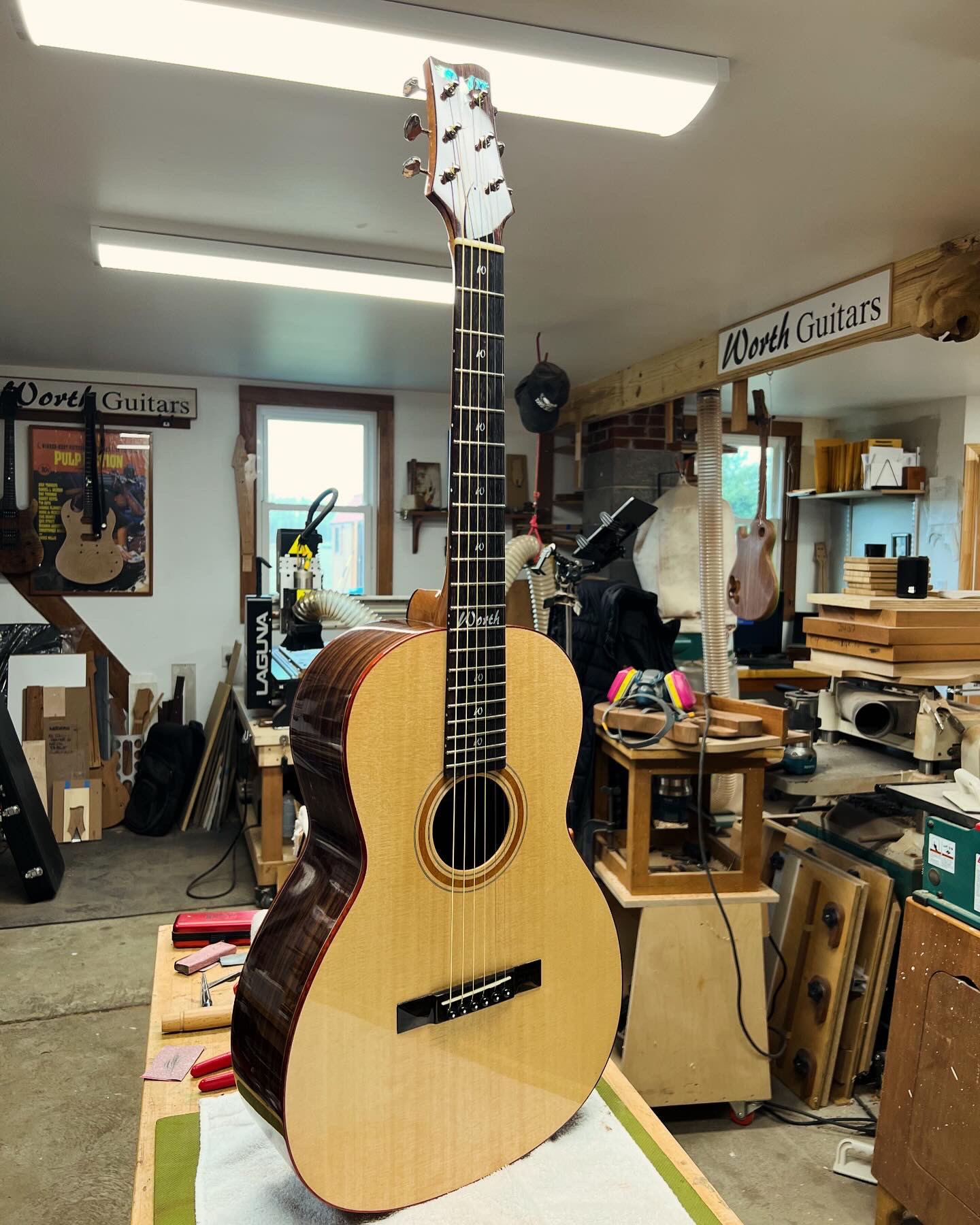
What Makes an Acoustic Guitar Useful?
An acoustic guitar combines the instrument, sound box, bridge, strings, and neck in one portable system. When you pluck a string, the vibration moves through the bridge and into the guitar’s top. The hollow body helps project and shape the sound.
That design gives the acoustic guitar several practical advantages.
It is ready to play
You do not need to connect an acoustic guitar to an amplifier for normal use. Pick it up, tune it, and play. This removes friction from practice.
That small advantage matters. If playing takes only a minute to begin, you may play more often. A guitar left on a safe stand can become a visible reminder to practice, though it should be kept away from heat, direct sunlight, pets, and high-traffic areas.
It supports complete solo playing
An acoustic guitar can provide rhythm, harmony, bass movement, and melody at the same time. A player can sing over simple chords without needing a band.
This makes it useful for:
- Campfire and backyard music
- Church or community groups
- Songwriting
- Open-mic preparation
- Classroom and youth music
- Casual family playing
- Personal relaxation
It teaches transferable skills
Basic acoustic guitar work develops skills that also apply to electric guitar:
- Chord shapes
- Rhythm and timing
- Fretting accuracy
- Picking control
- Music reading or chord-chart use
- Ear training
- Song structure
If you later switch to electric guitar, much of this foundation remains useful. The two instruments are related, but technique and tone goals will differ.
It has fewer parts to manage
A standard acoustic guitar does not need an amplifier, speaker, instrument cable, or batteries. That can lower the cost and simplify storage.
An acoustic-electric guitar includes a pickup and controls for amplification. Those parts add flexibility, but they also add electronics that may need battery changes or service. An acoustic-electric model is not automatically better than a regular acoustic. Buy that feature only if you expect to plug in.

When Is Owning an Acoustic Guitar Not Worth It?
An acoustic guitar may not be worth owning if it conflicts with your sound, comfort, or living situation.
You mainly want amplified music
If your goal is metal, high-gain rock, looping, ambient effects, or sustained lead guitar, an electric guitar may fit better. You can play those styles on an acoustic, but the instrument will not naturally provide the same tone or response.
An electric guitar also tends to use lighter strings and may require less pressure from the fretting hand. That can help some beginners, especially those with hand pain or limited finger strength. It still requires an amplifier or a compatible practice device.
You need very quiet practice
An acoustic guitar produces sound without an amp, but it is not silent. Strumming can travel through walls in an apartment, dorm, or shared home.
Possible solutions include:
- Fingerstyle practice at a low volume
- A sound-hole cover, where appropriate
- Softer strings
- Short practice sessions during acceptable hours
- An electric guitar with headphones
- A nylon-string guitar, which often has a softer sound
A sound-hole cover does not make an acoustic guitar silent. It may change the tone and feel, so treat it as a volume-control aid rather than a complete solution.
The guitar causes pain
New players often feel fingertip tenderness. That discomfort can improve as technique and skin tolerance develop. Sharp pain in the wrist, thumb, elbow, or shoulder is different and should not be ignored.
Stop if playing causes persistent pain, numbness, tingling, or loss of strength. Check posture, hand position, guitar size, string tension, and setup. If symptoms continue, seek advice from a qualified health professional.
You do not have a safe storage plan
Wood responds to changes in temperature and humidity. Very dry indoor air, common in heated homes during winter, can contribute to cracks, sharp fret ends, or other problems. Excess moisture can also affect the neck and body.
You do not need to treat an inexpensive beginner guitar like a museum piece. You should avoid leaving it in a hot car, next to a heater, in direct sun, or in an unconditioned garage. A stable indoor room and a suitable case or stand are usually better choices.

How Much Does It Cost to Own an Acoustic Guitar?
The purchase price is only part of the cost. A realistic budget includes the guitar, setup, accessories, replacement strings, and possible repairs.
Typical first-year budget in the United States
The figures below are planning ranges, not fixed market prices. Brand, materials, sales tax, region, condition, and availability can change the total.
| Item | Basic budget | More comfortable budget |
|---|---|---|
| Beginner acoustic guitar | About $150–$400 | About $400–$900 |
| Tuner | $10–$30 | Included or app-based |
| Picks | $5–$15 | $5–$20 |
| Gig bag or case | $25–$150 | $75–$250 |
| Extra strings | $8–$20 per set | $10–$25 per set |
| Capo, if needed | $10–$30 | $20–$60 |
| Initial setup | $50–$150 or more | Often worthwhile |
| Possible first-year total | About $250–$700 | About $500–$1,300 |
These ranges are not a promise of quality. A $200 guitar with poor action may be harder to play than a used guitar that costs more. A used instrument may offer strong value, but it should be checked for cracks, neck problems, loose braces, bridge lift, fret wear, and excessive action.
The cost per month can be modest
Consider this hypothetical example:
- Guitar and basic accessories: $350
- First-year strings and small supplies: $60
- Setup: $100
- Total first-year cost: $510
If you play for 24 months, the equipment cost works out to about $21 per month, before repairs or lessons. If you play for five years, the same cost averages about $8.50 per month.
This calculation does not prove that the purchase is worthwhile. It shows why regular use matters. A cheap guitar that is never played is expensive in practical terms. A moderately priced guitar that supports years of music can be good value.
Used versus new
A used acoustic guitar can be a smart choice when:
- You can inspect it in person.
- The neck looks stable.
- The bridge is secure.
- The top is not badly warped.
- The tuning machines work.
- The frets are usable.
- The price leaves room for a setup.
New guitars may offer easier returns and a warranty. Used guitars may offer better materials for the price, but hidden repairs can remove the savings.
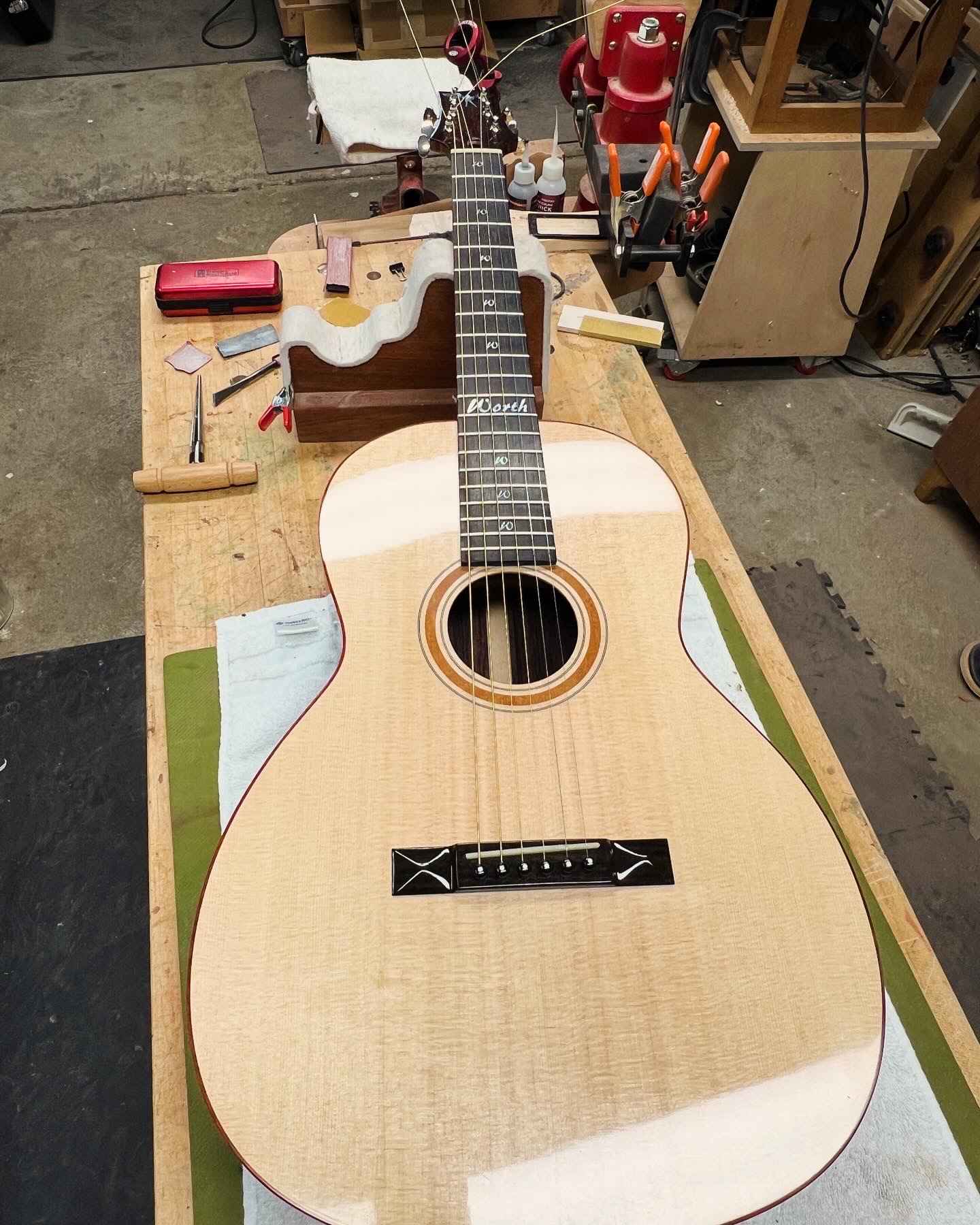
What Type of Acoustic Guitar Should You Own?
The best acoustic guitar is the one that fits your music, body, budget, and practice space. Body shape and string type matter more than many first-time buyers expect.
Steel-string acoustic guitar
Steel-string guitars are common in American folk, country, bluegrass, pop, rock, and singer-songwriter music. They produce a bright, clear sound and can project well.
They also create more string tension than nylon-string guitars. A good setup and suitable string gauge can make a major difference in comfort.
Nylon-string or classical guitar
Nylon-string guitars have a softer feel and a warmer sound. They are common in classical, flamenco, Latin, and fingerstyle music.
The neck is often wider than a steel-string neck. That extra width may help some fingerstyle players, but it can feel awkward for small hands or players who prefer compact chord shapes.
Do not put steel strings on a guitar designed only for nylon strings. The added tension can damage the instrument.
Dreadnought
A dreadnought has a large body and strong projection. It can work well for strumming, flatpicking, country, folk, and bluegrass.
Its size may feel bulky for smaller players or people who play while seated. A large body is not automatically louder or better for every musician.
Concert, grand concert, or auditorium body
These smaller and medium-sized bodies can offer a comfortable balance between volume and playability. They may suit beginners, seated players, and people who want a less bulky guitar.
The exact name varies by maker. Try the guitar in playing position rather than choosing by the label alone.
Travel and parlor guitars
Travel guitars use compact bodies for portability. Parlor guitars often have smaller bodies and a distinct midrange sound.
They may be excellent for limited spaces and smaller players. Their lower volume can be a benefit at home, but they may not provide the fullness a player wants for group strumming.
Acoustic-electric guitars
An acoustic-electric guitar includes a pickup system for connection to an amplifier or sound system. It can be useful for live performance, open mics, church services, and recording setups that require a pickup.
If you will only play at home, the extra electronics may not justify the added cost. A standard acoustic can usually be fitted with a pickup later, though installation and sound quality vary.

What Should Beginners Check Before Buying?
A beginner should prioritize comfort, a healthy neck, reasonable action, and a return option. Decorative wood, brand prestige, and extra electronics should come later.
Check the action
Action is the distance between the strings and the frets. High action can make chords feel stiff and can discourage practice. Very low action may cause buzzing if the neck, frets, or setup are not correct.
There is no single action height that suits every player. A qualified guitar technician can measure and adjust it. When trying a guitar, play simple chords near the first few frets and note whether the strings feel excessively hard to press.
Check for fret buzz
Play each fret on each string. A small amount of buzz may be fixable. Widespread buzz can point to setup or fret issues.
A beginner may not know what is normal. Ask a teacher, technician, or experienced player to inspect the instrument before buying used.
Check the neck and body
Look for:
- A neck that does not appear sharply twisted
- No major cracks in the top or back
- A bridge that lies firmly against the top
- No large gap around the bridge
- Tuning machines that turn smoothly
- Frets without severe sharp edges or deep wear
- A neck joint that looks stable
A small finish mark is not the same as structural damage. When in doubt, do not rely on a quick visual guess.
Check your posture
Sit with the guitar for several minutes. Notice whether:
- Your shoulder stays relaxed
- Your wrist bends only moderately
- Your picking arm rests naturally
- The body presses comfortably against you
- You can see the fretboard without bending your neck sharply
A guitar that feels comfortable is more likely to be played.
Test the return policy
Online listings may not show setup quality, neck shape, or actual sound. Confirm the return period, restocking rules, shipping costs, and warranty terms before ordering.
A return policy can matter more than a small discount.
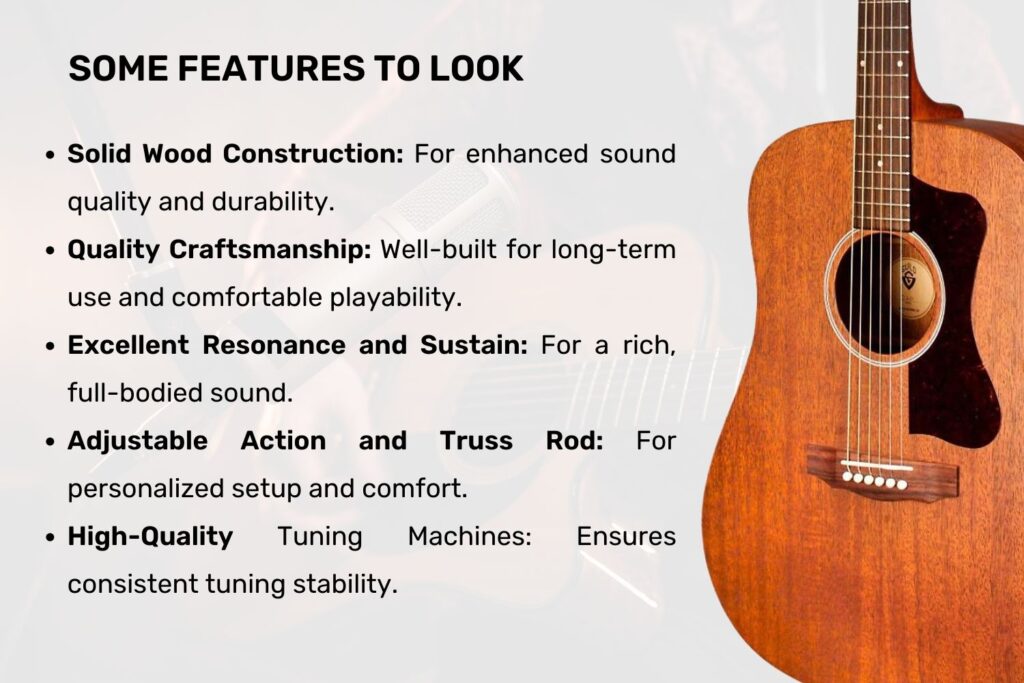
How Can You Make an Acoustic Guitar Easier to Play?
A difficult guitar is not always a bad guitar. It may need a setup, different strings, or a better practice approach.
Start with a basic setup
A guitar technician can inspect the neck relief, nut, saddle, frets, and action. The technician may adjust the instrument to make fretting easier and reduce unwanted buzzing.
A setup cannot correct every problem. It will not turn a damaged neck or badly built guitar into a high-quality instrument. Ask for a diagnosis before approving expensive work.
Try lighter strings when suitable
Lighter strings often feel easier to press and bend. They may also produce less volume and a thinner tone. The correct string type and gauge depend on the guitar’s design.
Use the manufacturer’s guidance or ask a qualified technician before making a major change. Nylon and steel strings are not interchangeable.
Practice in short blocks
Start with 10 to 15 minutes at a time. Focus on clean chord changes, relaxed pressure, and steady rhythm. Several short sessions can be easier on the hands than one long session.
Press only as hard as needed to make the note ring. Excess pressure creates fatigue and slows chord changes.
Use a strap while seated if it helps
A strap can stabilize the guitar and reduce the need to grip the neck. Adjust it so the guitar stays in a consistent position.
Do not let the neck drop toward the floor. A stable position helps the fretting hand move with less strain.
Learn songs early
Technical drills have value, but songs create a reason to practice. Start with two- or three-chord songs that match your interests.
A simple song played with steady timing is more useful than a complex song played with tension and frequent stops.

What Are the Ongoing Costs and Maintenance Needs?
An acoustic guitar is relatively simple to maintain, but it is not maintenance-free.
Strings
Strings lose brightness, tuning stability, and feel over time. How long they last depends on sweat, playing time, string type, storage, and personal preference.
Replace them when they sound dull, feel rough, refuse to stay in tune, or show corrosion. Players who perform often may replace them more frequently than casual players.
Tuning
A digital tuner or reliable tuning app helps keep the guitar ready to play. Standard tuning is usually E-A-D-G-B-E from the lowest-pitched string to the highest.
Tune before practice. A guitar that is consistently out of tune can make chord work sound wrong and slow ear development.
Cleaning
Wipe the strings and instrument with a clean, dry cloth after playing. Use guitar-safe products when needed. Household cleaners may damage finishes.
Do not apply oil or polish to unfinished areas without knowing what the material requires.
Humidity and temperature
Keep the guitar in a stable indoor environment. Avoid:
- A closed vehicle on a hot or freezing day
- Direct heat from a radiator or vent
- Long periods in a damp basement
- Long periods in a very dry room
- Sudden temperature changes
A hard case and humidity-control product may be useful in extreme indoor conditions. Follow the product directions. Too much moisture can also cause problems.
Repairs
Common service needs include:
- Setup work
- String replacement
- Fret dressing
- Nut or saddle replacement
- Tuning-machine repair
- Bridge repair
- Crack repair
The repair cost should match the guitar’s value and your attachment to it. A local guitar repair technician can explain whether repair, replacement, or continued use makes the most sense.
Is an Acoustic Guitar a Good Investment?
An acoustic guitar can be a good personal investment, but it is usually not a reliable financial investment.
Most guitars lose value after purchase, especially low-cost models. Some vintage, rare, handmade, or highly sought-after instruments may hold or increase value, but future prices are uncertain.
Buy an acoustic guitar because you expect to play it. Do not buy a regular production guitar mainly as an investment unless you understand condition, market demand, authenticity, storage, and resale risk.
The strongest return usually comes from use:
- More opportunities to practice
- A tool for songwriting
- A low-cost way to make music with others
- A long-term hobby
- A portable creative outlet
If resale matters, keep the case, receipts, model information, and service records. Avoid preventable damage and store the instrument properly.

Acoustic Guitar Decision Guide
Use this quick guide before you buy.
| Your situation | Is an acoustic guitar likely worth it? | Better approach |
|---|---|---|
| You want to sing and play chords | Yes | Choose a comfortable steel-string body |
| You want folk, country, or pop | Usually | Try a medium or dreadnought body |
| You want classical or Latin music | Yes | Consider a nylon-string guitar |
| You live in a quiet apartment | Maybe | Consider a smaller body or electric with headphones |
| You have hand pain | Maybe not as a first choice | Test light strings, a good setup, or electric guitar |
| You want metal and effects | Usually not | Start with an electric guitar |
| You travel often | Yes, with limits | Consider a travel or compact acoustic |
| You are unsure you will practice | Try before buying | Borrow, rent, or buy from a seller with returns |
| You want to perform with amplification | Yes | Consider an acoustic-electric model |
| You want an investment | Usually no | Buy for use, not expected profit |
A simple scoring test
Give yourself one point for each statement that is true:
- I want to play songs with chords.
- I want to sing while I play.
- I need an instrument that works without an amp.
- I can practice at a reasonable volume.
- I have a safe place to store it.
- I can spend enough for a playable instrument.
- I am willing to learn basic tuning and care.
- I expect to play at least once a week.
Six to eight points: An acoustic guitar is likely a strong fit.
Three to five points: Try one first, or consider a rental or used instrument with a return option.
Zero to two points: Wait before buying or compare an electric, keyboard, or another instrument.
This is a decision aid, not a test of musical ability. You do not need prior experience to own an acoustic guitar.

Common Mistakes New Acoustic Guitar Owners Make
The most common mistakes involve fit, setup, and unrealistic practice expectations.
Buying the cheapest guitar without trying it
A low price can be useful, but poor playability can stop progress. Look for comfort and a healthy instrument before choosing the lowest price.
Choosing by appearance alone
A beautiful finish cannot tell you whether the neck feels right. Play the guitar, or use a seller with a clear return policy.
Assuming finger pain is always normal
Mild fingertip tenderness may occur during early practice. Sharp, lasting, or joint-related pain is a warning to stop and reassess.
Ignoring the setup
A basic setup may transform a difficult guitar. Ask for one when action is high, notes buzz, or the instrument feels harder than similar guitars.
Buying features you do not need
An onboard tuner, pickup, cutaway, or decorative wood may be useful. None replaces a comfortable neck and good setup.
Practicing too long too soon
Long sessions can create soreness and frustration. Build time slowly and stop before your hands become tired.
Leaving the guitar in a car
Heat and cold can damage wood, glue, finishes, and neck stability. Take the guitar indoors instead.
Learning only isolated exercises
Exercises help, but songs build timing and motivation. Combine both.
Frequently Asked Questions
Is an acoustic guitar good for a complete beginner?
Yes. An acoustic guitar can be a strong beginner instrument because it needs little equipment and teaches rhythm and chords. Choose a comfortable body size, reasonable action, and strings that match the instrument.
Is it easier to learn on acoustic or electric guitar?
Neither is always easier. Electric guitar often has lighter strings and lower physical resistance, while acoustic guitar is simpler to set up and use. Choose based on the music you want to play and the feel that encourages you to practice.
How much should I spend on my first acoustic guitar?
Spend enough to get a playable instrument with a stable neck and reasonable action. In the U.S., many beginners plan for roughly $150 to $400 for the guitar, then add accessories and possibly a setup. A used guitar can be worthwhile if an experienced person checks it.
Can I play an acoustic guitar quietly?
You can play softly, but a normal acoustic guitar is not silent. Fingerstyle, gentle picking, a smaller body, and careful practice times can reduce volume. For near-silent practice, an electric guitar with headphones may work better.
How often should I play an acoustic guitar?
Short, regular sessions are often more useful than occasional long sessions. Ten to 20 minutes several times per week can build a habit. Increase practice time as your hands and attention adjust.
Should I buy a steel-string or nylon-string guitar?
Choose steel strings for many folk, country, pop, rock, and singer-songwriter styles. Choose nylon strings for classical, flamenco, Latin, and some fingerstyle work. Do not substitute one string type for the other unless the guitar supports it.
Is an acoustic-electric guitar worth the extra cost?
It is worth considering if you expect to connect to an amplifier, PA system, or recording setup. If you will only play at home, a regular acoustic may provide better value.
Conclusion: Should You Own an Acoustic Guitar?
An acoustic guitar is worth owning when its strengths match your life. It offers a complete sound with little equipment, supports many styles, and can make regular practice easy to start.
It is less suitable when you need very quiet playing, amplified effects, low string resistance, or a highly specialized tone. Those needs may point toward an electric or nylon-string guitar instead.
Before buying, try several body sizes, check the action, consider the full first-year cost, and use a return policy when possible. Choose the guitar you will actually pick up—not simply the one that looks best or costs the least.