

If you play guitar in the United States, you cannot safely use every type of guitar string on every guitar. The right strings must match the instrument’s design, scale length, bridge, nut, tuning, pickup system, and expected string tension.
You can often try different brands, materials, and gauges within the correct string family. However, steel strings, nylon strings, electric strings, acoustic strings, and bass strings are not interchangeable in every case.
A steel-string acoustic guitar usually needs steel acoustic strings. A classical guitar needs nylon or fluorocarbon strings. An electric guitar needs electric guitar strings, especially if it uses magnetic pickups.

The Short Answer: Guitar Strings Are Not Universal
You may use many different string sets on the same guitar, but they must be suitable for that guitar’s construction.
For example:
- Most steel-string acoustic guitars can use different acoustic steel-string brands.
- Most electric guitars can use several electric string gauges and materials.
- Classical guitars need strings made for classical guitar.
- Steel strings should not be put on a classical guitar.
- Nylon strings may fit on some steel-string guitars, but they may not work well or stay in place.
- Bass strings belong on bass guitars, not standard six-string guitars.
- A 12-string guitar needs a proper 12-string set.
The main risk is not simply whether a string can fit through the bridge or tuning post. The key issue is tension. A string set with much higher tension can stress the neck, bridge, top, or other parts of the instrument.
The best starting point is the string type and gauge listed by the guitar maker. Manufacturers such as Martin, Taylor, Fender, and Gibson provide string guidance for many instruments.

What Determines Whether a String Will Work?
Four factors decide whether a guitar string is a good match: construction, tension, physical fit, and sound system.
1. Guitar construction
A guitar is built around a certain type of string.
Steel-string acoustic guitars have bracing under the top to handle the pull of steel strings. Classical guitars use a different bracing design and are built for lower-tension nylon strings.
Electric guitars have solid or semi-hollow bodies and usually tolerate a wider range of steel-string gauges. Still, the bridge, nut, neck, and tuning machines can limit your choices.
2. String tension
String tension is the pulling force created when a string is tuned to pitch. It depends on:
- String length
- String gauge
- String material
- Core design
- Tuning
- String construction
A thicker string usually creates more tension than a thinner string at the same pitch. A longer scale length also creates more tension.
This is why a .010 electric set and a .010 acoustic set do not always feel the same. Their materials and construction differ.
3. Physical fit
A string must fit several parts of the guitar:
- The nut slot
- The bridge or bridge pin
- The tuner post
- The tailpiece
- The scale length
- The ball-end or loop-end design
A thicker string may not sit correctly in a narrow nut slot. A thinner string may move too much inside a wide slot. Either problem can cause buzz, poor tuning, or weak sustain.
4. Pickup and sound system
electric guitar pickups usually sense the movement of magnetic metal strings. Nickel-plated steel, nickel, stainless steel, and similar electric-string materials are designed for this system.
Nylon strings usually produce little or no signal through a standard magnetic pickup. They may work with a microphone or a piezo pickup, but not as a normal replacement for steel electric strings.

Can You Use Any Brand of Strings?
Yes, you can usually change brands if the new strings are made for the same type of guitar and have a similar gauge.
For example, you can often replace one brand of light acoustic strings with another brand’s light acoustic strings. You may notice a change in tone, feel, brightness, or string life, but the guitar should remain compatible.
The word light is not perfectly identical across all brands. One company’s light acoustic set may have slightly different gauges or tension from another company’s light set.
Before changing brands, compare:
- String type, such as acoustic bronze or electric nickel
- Individual string gauges
- Published tension, if available
- Coated or uncoated construction
- Ball-end or loop-end design
- Recommended instrument type
A small change is often fine. A large change may require a setup.
Can You Use Different String Gauges?
You can use different gauges, but the change affects playability and may require adjustment.
Lighter strings
Lighter strings usually:
- Feel easier to bend
- Require less finger pressure
- Produce less tension
- May sound slightly thinner
- May buzz more if the setup is not suitable
- May go out of tune more easily in some conditions
Heavier strings
Heavier strings usually:
- Feel firmer
- Produce more tension
- Can provide a fuller sound
- May help some players who tune down
- Require more effort to bend
- May need wider nut slots
- Can stress parts of a guitar if the increase is large
The most common electric guitar sets include gauges such as .009–.042, .010–.046, and .011–.049. Acoustic guitar sets often use labels such as extra light, custom light, light, medium, and heavy.
These labels are not universal measurements. Always check the actual gauge numbers.
A simple example
Suppose your electric guitar uses a .010–.046 set. Moving to .009–.042 is a small change for many guitars. Moving to .012–.056 is a much larger change.
The second change may alter:
- Neck relief
- Action
- Intonation
- Nut fit
- Tuning stability
- Tremolo balance
That does not mean the heavier set is always unsafe. It means the guitar may need a proper setup.

Can You Use Electric Strings on an Acoustic Guitar?
Electric guitar strings may physically fit some acoustic guitars, but they are usually not the best choice.
Electric strings often use nickel or nickel-plated steel. Acoustic strings commonly use bronze alloys, such as 80/20 bronze or phosphor bronze, to create a louder and more acoustic-focused tone.
An electric set on an acoustic guitar may produce:
- Less volume
- A thinner or less open acoustic tone
- Different tension
- Different response under the pick
- Poor balance between the bass and treble strings
The result depends on the guitar and the string set. The guitar may not be damaged by a similar-gauge electric set, but the sound may not meet your goal.
Do not assume that any string marked “steel” is the same. Electric steel strings and acoustic steel strings are designed for different instruments and tonal systems.

Can You Use Acoustic Strings on an Electric Guitar?
Acoustic strings may fit an electric guitar, but the result is often poor with standard magnetic pickups.
Acoustic guitar strings can contain magnetic metal, but their design, winding, core, and gauge may not suit the pickup or bridge. Some acoustic strings produce a weak or unbalanced electric signal.
You may also run into fit problems. Acoustic strings can have:
- Larger ball ends
- Different winding lengths
- Different tension
- A wound third string instead of a plain third string
- A gauge that does not suit the electric guitar’s nut or bridge
Some players use acoustic strings on electric guitars for unusual tones or special setups. That is an experiment, not a universal replacement.
For normal electric guitar use, choose strings labeled for electric guitar.

Can You Put Nylon Strings on a Steel-String Guitar?
Nylon strings may be installed on some steel-string guitars, but they are not a direct replacement.
A steel-string guitar may have:
- Nut slots made for steel strings
- A bridge designed for ball-end steel strings
- Tuners sized for steel strings
- Bracing designed around steel-string tension
- A neck and setup intended for steel-string action
Classical guitar strings often use tie ends, while many steel-string guitars use ball ends. Nylon strings may not stay attached unless the guitar and strings are designed for that arrangement.
Nylon strings also have much lower tension than steel strings. The guitar may play quietly, feel loose, or have poor intonation after the change.
If you want a nylon-string sound, a classical, crossover, or hybrid guitar is usually a better solution. Do not install steel strings on a classical guitar unless the guitar maker specifically says that the instrument supports them.

Can You Put Steel Strings on a Classical Guitar?
In general, no. Do not put steel strings on a standard classical guitar.
Steel strings can create much more tension than the instrument was built to handle. Possible damage includes:
- A lifted bridge
- A damaged soundboard
- Neck movement
- Cracks
- Structural failure
- Permanent changes to the guitar
The exact result depends on the guitar, string set, tuning, and construction. A steel-string acoustic guitar and a classical guitar may look similar, but their internal designs are different.
Some nylon-string guitars are made as hybrids and may use special strings. Follow the maker’s instructions for that exact model.
If steel strings are already installed on a classical guitar, loosen them carefully and ask a qualified guitar technician to inspect the instrument if you see lifting, cracks, unusual buzzing, or a changed neck angle.
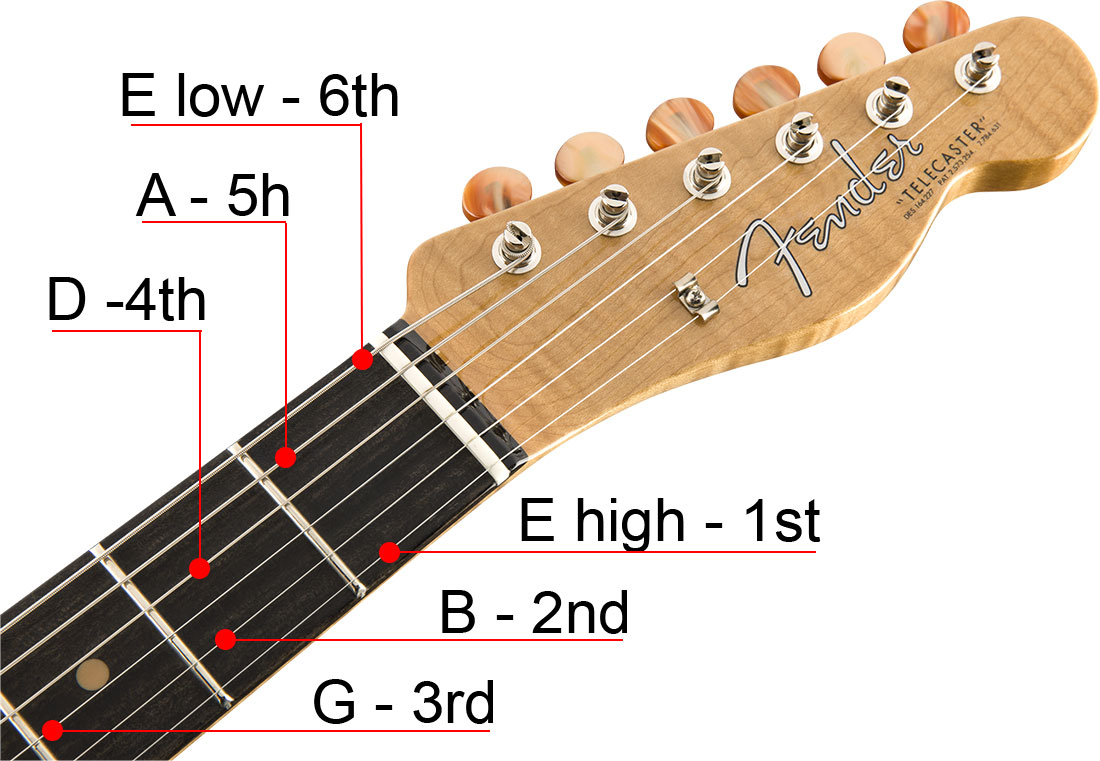
Can You Use Any Strings on a 12-String Guitar?
No. A 12-string guitar needs a string set made for a 12-string instrument.
A 12-string guitar has six paired courses. Each pair must use the correct pitch relationship and gauge. The lighter octave strings are not interchangeable with the main strings.
Using the wrong set can cause:
- Incorrect octave pairing
- Poor intonation
- Uneven tension
- Bridge or tuner problems
- Difficulty tuning
- An unbalanced sound
A 12-string set is also not simply two six-string sets placed on one guitar. The string gauges and octave arrangement are designed for the instrument.

What Do Acoustic and Electric String Types Mean?
The material and winding style change the sound, feel, and sometimes the guitar’s response.
| String type | Common use | Typical sound or feel |
|---|---|---|
| 80/20 bronze | Steel-string acoustic guitar | Bright and clear at first |
| Phosphor bronze | Steel-string acoustic guitar | Warm, balanced, and common |
| Nickel-plated steel | Electric guitar | Familiar electric tone and feel |
| Stainless steel | Electric guitar | Bright feel and strong attack |
| Pure nickel | Electric guitar | Softer, warmer electric tone |
| Nylon or fluorocarbon | Classical and some specialty guitars | Soft feel and mellow tone |
| Flatwound electric strings | Jazz and some vintage styles | Smooth feel and reduced finger noise |
These descriptions are broad. The exact sound also depends on the guitar, amplifier, pick, playing style, tuning, and string gauge.
Coated strings have a thin protective layer. They may last longer for some players, but they can feel different and may sound less bright at first.

How to Choose the Right Guitar Strings
Use this process before buying a new set.
Step 1: Identify the guitar
Check whether your guitar is:
- Steel-string acoustic
- Classical or nylon-string
- Electric
- Semi-hollow electric
- 12-string acoustic or electric
- Baritone
- Resonator
- Bass
If you are unsure, look for the model name inside the soundhole, on the headstock, or near the neck joint.
Step 2: Find the current gauge
Look at the package from your current strings, if you still have it. You can also measure the strings with a string gauge tool, although a small error is easy without the right tool.
If the guitar plays well now, staying close to the current gauge is the safest way to try a new brand or material.
Step 3: Match the string family
Choose strings labeled for the instrument. For example:
- “Electric guitar strings” for an electric guitar
- “Acoustic guitar strings” for a steel-string acoustic
- “Classical guitar strings” for a nylon-string guitar
- “12-string acoustic strings” for a 12-string acoustic
Step 4: Check the tuning
Standard tuning and lower tunings can favor different gauges.
A player who tunes an electric guitar to E standard may prefer .009s or .010s. A player who tunes to D standard or lower may prefer heavier strings to maintain a firmer feel.
Do not choose a gauge based only on tuning. Consider scale length and the guitar maker’s advice too.
Step 5: Check the ends and hardware
Most steel-string acoustic and electric strings use ball ends, but the ball size and winding length can differ. Classical strings may use tie ends or ball ends.
Check the bridge and tuner design before buying an unusual set.

When Does a String Change Require a Guitar Setup?
A setup may be needed when the new strings differ greatly in gauge, tension, or tuning.
Watch for these signs:
- New fret buzz
- Strings sitting unusually high
- Tuning that will not stabilize
- A bridge that begins to lift
- A changed neck curve
- Intonation that is no longer accurate
- A string that will not fit the nut or bridge
- A tremolo bridge that tilts forward or backward
A small gauge change may settle after the guitar is tuned and played. A major change can require adjustments to the truss rod, bridge, nut, or intonation.
Do not turn the truss rod without knowing what you are doing. The truss rod controls neck relief, and excessive force can damage the neck. Stop if the adjustment feels stuck or unusually tight.
Take the guitar to a qualified repair shop if you see structural damage or cannot restore normal playability.

Common Mistakes to Avoid
Assuming the same gauge has the same tension
A .010 string can feel different depending on its material, core, winding, and scale length. Compare the full set, not one number.
Using steel strings on a classical guitar
This is one of the most serious mistakes. The guitar may not show damage at once, but the extra tension can cause costly structural problems.
Choosing strings only by color or price
Bronze color does not tell you whether a set is right for an electric or acoustic guitar. Low price also does not prove poor quality, but the label must match the instrument.
Ignoring the third string
Electric sets may have a plain or wound third string. A wound third can feel smoother and intonate differently. A plain third may bend more easily.
Changing gauge and tuning at the same time
Changing both makes it harder to identify the cause of a problem. If possible, change one variable at a time.
Using bass strings on a guitar
Bass strings are much larger and use different tension and winding designs. They are not suitable substitutes for normal guitar strings.

A Practical String Choice Guide
| Your guitar or goal | Good starting point |
|---|---|
| Steel-string acoustic guitar | The maker’s recommended acoustic gauge |
| Electric guitar in standard tuning | The current electric gauge or a nearby set |
| Electric guitar tuned down | A slightly heavier set, checked against setup limits |
| Classical guitar | Nylon or fluorocarbon classical strings |
| Bright acoustic tone | 80/20 bronze |
| Balanced acoustic tone | Phosphor bronze |
| Warm electric tone | Pure nickel or suitable flatwounds |
| Less finger noise | Flatwound or coated strings |
| 12-string guitar | A dedicated 12-string set |
| Unusual string experiment | Confirm tension, fit, and pickup response first |
This table is a starting point, not a substitute for the guitar maker’s specifications.

FAQ About Guitar String Compatibility
Can I put thicker strings on my guitar?
Often, yes, but thick strings increase tension. The nut slots, bridge, neck, and setup must support the change. Move up gradually and check for buzzing, high action, tuning trouble, or structural changes.
Can I mix different string brands?
Yes. You can mix brands if each string is made for the instrument and the gauges are suitable. However, mixed materials may create uneven tone or feel.
Can I use lighter strings on an acoustic guitar?
Usually, yes, if the strings are made for steel-string acoustic guitar. Lighter strings may be easier to play but can produce less volume and may need a setup.
Are coated guitar strings safe?
Coated strings are generally safe when they are made for your guitar type and have a suitable gauge. They may feel smoother and can sound different from uncoated strings.
How often should I change guitar strings?
Change them when they sound dull, feel rough, will not stay in tune, or show corrosion. The timing depends on how often you play, how much your hands sweat, and the string type.
What should I do if I bought the wrong strings?
Do not install them if the package lists a different instrument or if the gauge is far from your current set. Exchange them if possible. If they are already installed and the guitar shows buzzing, lifting, cracks, or unusual tension, loosen them and seek help from a guitar technician.

Key Takeaways
- You cannot use every type of string on every guitar.
- Match the string family to the instrument.
- Steel-string acoustic, electric, classical, bass, and 12-string guitars use different string designs.
- Gauge changes affect tension, tone, feel, and setup.
- Never put normal steel strings on a classical guitar.
- Check the guitar maker’s recommended gauge before making a large change.
- If the guitar develops structural problems or severe playability issues, stop and consult a qualified repair technician.
Conclusion
You can try many different guitar strings, but “any strings” is too broad. Choose a set made for your guitar, then compare gauge, tension, material, tuning, and hardware fit.
For the safest change, start with the string type and gauge already recommended for your instrument. Once you understand how those strings work, you can experiment with brands, coatings, materials, and nearby gauges without guessing.
Sources and manufacturer guidance
- D’Addario String Tension Pro — tension comparisons for different string constructions and gauges
- Fender Support — electric guitar string and setup guidance
- Martin Guitar Support — acoustic guitar care and string information
- Taylor Guitars Support — guitar maintenance and string guidance
- Savarez — classical guitar string types and tension information