

Condenser microphones are used to capture detailed vocals, instruments, podcasts, voiceovers, and studio recordings.
If you want clear, lively sound with fine detail, learning what are condenser microphones used for can help you choose the right microphone. These microphones are common in recording studios, home offices, film sets, and live sound work. They can reveal soft breaths, finger movement, room tone, and musical texture that other microphone types may miss.
What Are Condenser Microphones?
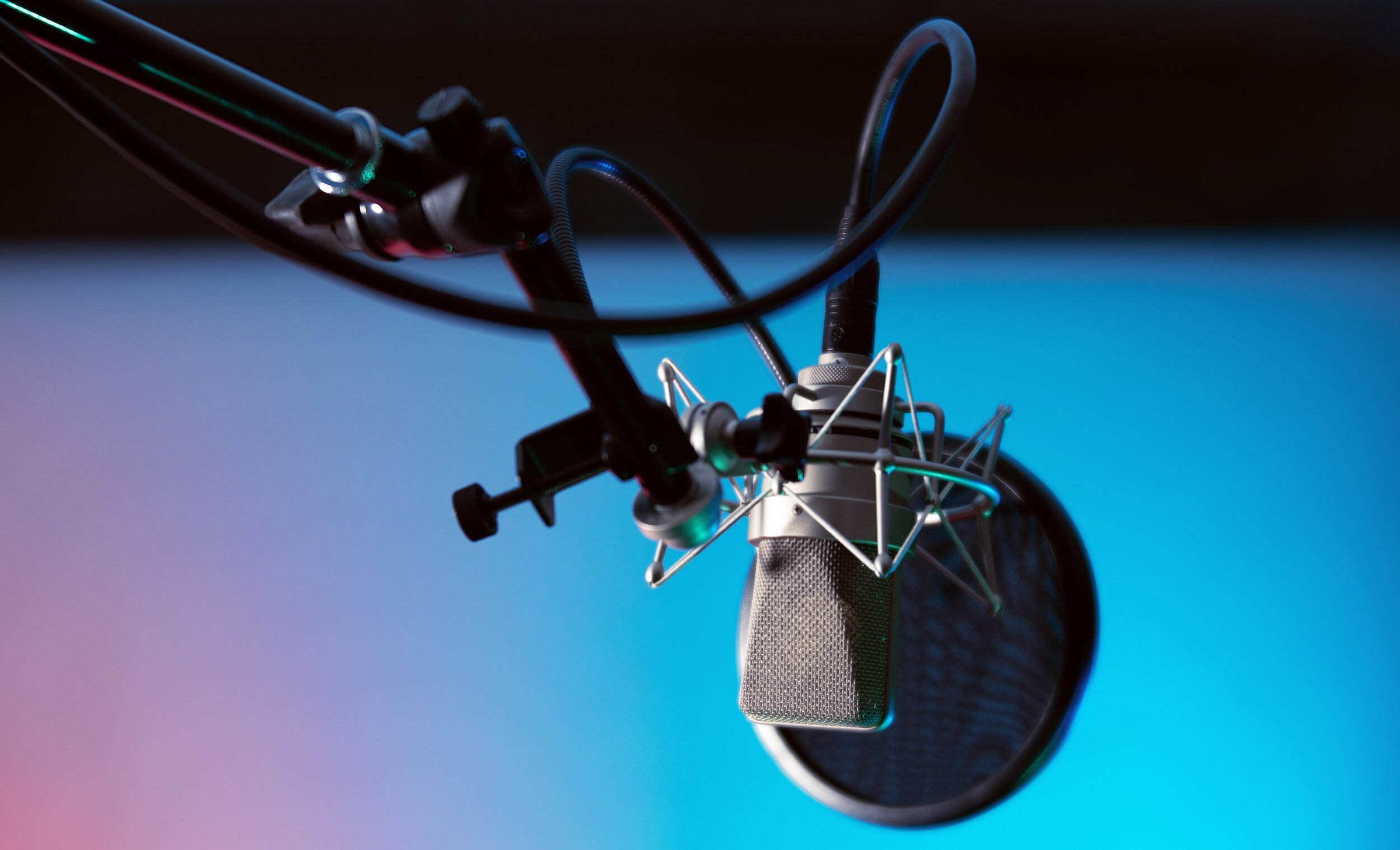
A condenser microphone is a microphone that uses a thin diaphragm and a charged backplate to turn sound into an electrical signal. When sound waves move the diaphragm, the distance between these parts changes. The microphone then converts that change into an audio signal.
Most condenser microphones need power to work. This power usually comes from 48-volt phantom power on an audio interface, mixer, or preamp. Some small condenser microphones use batteries, USB power, or a built-in audio circuit instead.
Condenser microphones are known for high sensitivity and a wide frequency response. In simple terms, they act like a detailed camera for sound. They pick up small changes in volume, tone, and texture.
Common condenser microphone types include:
• Large-diaphragm condenser microphones, often used for vocals, voiceovers, and solo instruments.
• Small-diaphragm condenser microphones, often used for acoustic guitar, piano, cymbals, and stereo recording.
• Tube condenser microphones, which use a vacuum tube and often create a warm, colored sound.
• Electret condenser microphones, used in phones, cameras, lavalier microphones, and many compact recording devices.
The word “condenser” describes the microphone’s internal design. It does not describe one single sound. Different models can sound bright, warm, neutral, smooth, or bold.

What Are Condenser Microphones Used For?
What are condenser microphones used for in real recording work? They are used wherever detail, clarity, and natural tone matter.
The most common uses include:
• Studio vocals: Condenser microphones capture vocal tone, breath, and small changes in expression.
• Voiceovers: They provide a clear sound for commercials, documentaries, online courses, and audiobooks.
• Podcasts and streaming: A condenser microphone can create a polished voice when used in a quiet room.
• Acoustic instruments: They capture the string detail of guitars, the body of violins, and the attack of piano notes.
• Drum recording: Small-diaphragm condensers work well as overhead microphones and room microphones.
• Choirs and orchestras: Their wide response helps capture many instruments and voices at once.
• Film and video production: Shotgun condenser microphones are often used to record dialogue from a distance.
• Sound effects: They can capture quiet details such as footsteps, paper movement, room sounds, and small object noises.
• Measurement and testing: Specialized condenser microphones measure sound pressure in rooms, machines, and laboratories.
In a studio, a condenser microphone is often the first choice when the goal is an open and detailed recording. It can capture the character of a singer or instrument instead of only recording the loudest part.
Still, the room matters. A sensitive microphone can capture both the performance and the refrigerator humming in the next room.

Why Do Condenser Microphones Capture So Much Detail?
Condenser microphones use a very light diaphragm. Because the diaphragm has low mass, it can respond quickly to fast changes in sound.
This quick response helps the microphone capture:
• High-frequency detail
• Soft consonants
• Breath sounds
• Pick noise from guitar strings
• Cymbal shimmer
• Room reflections
• Small changes in vocal tone
A dynamic microphone uses a diaphragm connected to a coil and magnet. That design is strong and useful, but it usually has more moving mass. A condenser microphone uses an electrically charged capsule, which can respond to subtle sound changes with great speed.
This does not mean a condenser microphone is always better. It means the microphone is more revealing. A revealing microphone can show the beauty of a great performance, but it can also expose harshness, background noise, poor room acoustics, or uneven microphone technique.
A useful way to think about it is this: a condenser microphone opens the window wider. More sound comes through, including sounds you may not want.

Common Applications for Condenser Microphones
Vocals and voiceovers
Large-diaphragm condenser microphones are widely used for lead vocals. They can capture the full range of a human voice, from low chest tones to bright upper harmonics.
For voiceovers, a condenser microphone can produce a clean and intimate sound. This works well for narration, e-learning, advertising, and video content. Use a pop filter to reduce bursts from sounds such as “p” and “b.”
The best microphone depends on the voice. A bright microphone may add clarity to a deep voice, while a smoother model may reduce sharpness in a bright voice.
Acoustic guitar and string instruments
Small-diaphragm condenser microphones are popular for acoustic guitar. They can capture both the pick attack and the natural body of the instrument.
A common starting position is near the area where the neck meets the body. Pointing the microphone directly at the sound hole may create too much low-end energy. Moving the microphone farther away can capture more room sound and a wider image.
For violins, cellos, and other string instruments, placement is just as important as the microphone model. A small change in angle can reduce harsh bow noise or improve warmth.
Piano and percussion
Condenser microphones are often used in pairs for piano. A matched stereo pair can create a balanced image of the instrument.
They also work well for:
• Hand percussion
• Marimba
• Vibraphone
• Shakers
• Tambourines
• Drum overheads
Because condensers capture fast transients, they can record the sharp attack of sticks, picks, and mallets. However, you should check the microphone’s maximum sound pressure level before placing it close to a loud source.
Podcasts and streaming
USB condenser microphones are common for podcasts, gaming, online meetings, and livestreams. They offer a simple setup because the microphone connects directly to a computer.
They work best when:
• The room is quiet.
• The microphone is close to the speaker.
• A pop filter or foam windscreen is used.
• The speaker talks slightly past the microphone rather than directly into it.
• The recording level leaves enough headroom.
A condenser microphone will not fix a loud air conditioner or an echoing room. In many home setups, improving the room and microphone position creates a bigger improvement than buying a more expensive microphone.
Film, video, and field recording
Shotgun condenser microphones use a narrow pickup pattern to focus on sound from the front. They are used on boom poles, camera rigs, and film sets.
They can help isolate dialogue, but they are not magic tools. A shotgun microphone still picks up reflections in a hard room. Outdoors, it also needs proper wind protection.
For interviews, a boom microphone placed close to the speaker usually sounds more natural than a microphone mounted far away on the camera.
Condenser Microphones vs. Dynamic Microphones
The difference between condenser and dynamic microphones is important when deciding what are condenser microphones used for.
| Feature | Condenser microphone | Dynamic microphone |
|---|---|---|
| Sensitivity | Usually high | Usually lower |
| Detail | Very detailed | Often focused and controlled |
| Power | Usually needs phantom power | Usually does not need phantom power |
| Room noise | Picks up more | Often rejects more unwanted sound |
| Durability | Can be more delicate | Usually very rugged |
| Common uses | Studio vocals, instruments, voiceovers | Live vocals, loud sources, untreated rooms |
Choose a condenser microphone when you want detail and have a controlled recording space. Choose a dynamic microphone when you need strong background rejection, rugged handling, or close recording of a loud source.
There are exceptions. Some dynamic microphones sound excellent in studios, and some condensers work well on stage. Microphone choice depends on the source, room, placement, and desired sound.
A practical lesson from many recording sessions is that microphone placement often matters more than microphone price. A modest condenser microphone placed well can outperform a premium model placed too far away or pointed at the wrong part of an instrument.

Benefits of Using a Condenser Microphone
Condenser microphones offer several advantages for recording and production.
• High sensitivity: They can capture quiet sources and subtle performance changes.
• Wide frequency response: Many models record a broad range of audible frequencies.
• Fast transient response: They reproduce sharp attacks from drums, strings, picks, and consonants.
• Clear vocal sound: They often provide an open and detailed vocal image.
• Strong stereo options: Small-diaphragm models are useful for stereo recording techniques.
• Flexible studio use: One good condenser microphone can work on vocals, instruments, narration, and room sound.
Their sensitivity can make a performance feel close and real. This is one reason they are common in professional music production and broadcast work.
However, a benefit in one situation can become a problem in another. High sensitivity may mean more room noise. A wide frequency response may make a bright voice sound too sharp. Good recording requires both the right microphone and the right environment.

Limitations of Condenser Microphones
Understanding the limits helps answer what are condenser microphones used for more accurately.
Condenser microphones are not ideal for every recording task. Their main limitations include:
• They often require phantom power.
• They can pick up background noise and room reflections.
• Some models may distort when placed too close to very loud sources.
• They can be more sensitive to moisture, dust, and physical shocks.
• Cheap models may sound harsh or noisy.
• They may require careful placement and gain adjustment.
Phantom power is usually safe for modern balanced condenser microphones when used correctly. However, always follow the manufacturer’s instructions, especially with ribbon microphones, older equipment, or unusual cables.
Condensers can also overload. Check the microphone’s maximum SPL rating before recording loud guitar amplifiers, brass instruments, kick drums, or close cymbals. If the microphone has a pad switch, activating it can provide extra headroom.
The room is another major limit. Bare walls, windows, and floors create reflections that may make the recording sound hollow or metallic. Soft furnishings, curtains, rugs, and thoughtful placement can help reduce this effect.

How to Choose the Right Condenser Microphone
Start with the sound source rather than the brand name. Ask what you plan to record and what problems exist in your space.
Use these steps:
Identify the source. Decide whether you will record vocals, acoustic guitar, piano, drums, narration, or field sound.
Check the room. A sensitive condenser may not suit a noisy or echoing room.
Choose the diaphragm size. Large diaphragms often suit vocals, while small diaphragms often suit instruments and stereo pairs.
Check the polar pattern. Cardioid rejects sound from the rear. Omnidirectional captures sound from all directions. Figure-eight captures sound from the front and back.
Review the SPL rating. Choose a microphone that can handle the loudness of your source.
Consider phantom power. Make sure your interface, mixer, or recorder can supply the required power.
Listen before buying when possible. Frequency charts help, but your voice and room are the final test.
A cardioid condenser is a useful first choice for many home studios. It focuses on the front of the microphone and can reduce some sound from behind. It will not remove all room noise, but it can make placement easier.
Do not assume a higher price guarantees a better result. A microphone should match the singer, instrument, room, and recording goal.

How to Use a Condenser Microphone Correctly
Good technique protects the microphone and improves the recording.
• Place the microphone 6 to 12 inches from a vocalist as a starting point.
• Use a pop filter between the speaker and microphone.
• Aim the microphone slightly away from harsh consonants when needed.
• Keep the microphone stable on a strong stand.
• Turn on phantom power only after connecting compatible equipment.
• Set the input gain so loud sections do not clip.
• Leave headroom instead of recording as loud as possible.
• Monitor with headphones to catch hum, distortion, and room noise.
• Store the microphone in a dry, protected place.
The distance between the microphone and source changes the tone. Moving closer often increases bass through the proximity effect, especially with directional patterns. Moving farther away can sound more natural but may add more room noise.
One common mistake is to stand too close and aim directly at the mouth. This can create plosives and excessive low end. A pop filter, a slight angle, and steady distance usually solve much of the problem.
Another mistake is treating the microphone as the entire recording system. The room, cable, interface, preamp, headphones, and performance all affect the final result.
Are Condenser Microphones Good for Home Studios?
Yes, condenser microphones can be excellent for home studios, especially for vocals, podcasts, acoustic instruments, and voiceovers. The key is controlling noise and reflections.
Before buying expensive acoustic panels, try simple changes:
• Record away from bare walls and windows.
• Place soft furniture or heavy curtains around reflective surfaces.
• Turn off fans and noisy appliances.
• Keep the microphone close enough to the speaker.
• Use headphones to monitor the recording.
• Record at different times of day to find the quietest period.
If your room is very noisy, a dynamic microphone may give you a cleaner result. If your room is quiet and reasonably controlled, a condenser can provide more detail and air.
A home studio does not need to look like a commercial studio. It needs a quiet position, sensible microphone placement, and a clear recording plan.
Frequently Asked Questions About What Are Condenser Microphones Used For
What are condenser microphones used for in music?
Condenser microphones are used for vocals, acoustic guitar, piano, strings, drum overheads, percussion, and room recording. They are popular because they capture fine detail and fast changes in sound.
Do condenser microphones need power?
Most condenser microphones need phantom power, usually 48 volts, from an audio interface, mixer, or preamp. USB and electret condenser microphones may receive power through USB, batteries, or another built-in source.
Are condenser microphones better than dynamic microphones?
Neither type is always better. Condensers usually capture more detail, while dynamics often handle loud sources and noisy rooms with less unwanted sound.
Can you use a condenser microphone for vocals?
Yes, condenser microphones are widely used for singing, voiceovers, podcasts, and narration. Use a pop filter, maintain a steady distance, and record in the quietest room possible.
Can a condenser microphone be used for live performances?
Yes, but it must be chosen and placed carefully. Stage condensers can provide detail, although they may be more sensitive to feedback, handling noise, and loud surroundings.
Why does my condenser microphone sound noisy?
Noise may come from the room, computer fans, poor cables, electrical interference, or excessive gain. Move closer to the microphone, lower the gain, improve the room, and test the cable and power source.
Can a condenser microphone record loud instruments?
Many can, but you should check the maximum SPL rating and use a pad when available. Keep enough distance from loud amplifiers, drums, and brass instruments to avoid distortion.
Conclusion
Condenser microphones are used for detailed recording in music, broadcasting, podcasting, film, streaming, sound design, and measurement. Their light diaphragms capture subtle tones and fast transients, but that sensitivity also reveals room noise, reflections, and poor technique.
Choose a condenser microphone when you need clarity and have a suitable recording space. Start with careful placement, proper gain, a pop filter, and a quiet environment before spending more money on gear.
Try your microphone in several positions, record short tests, and trust what you hear. Explore more recording guides, compare microphone techniques, and share your setup or questions in the comments.