

A Les Paul guitar is a solid-body electric guitar known for warm tone, sustain, and its single-cutaway shape.
If you have seen a classic rock guitarist holding a thick, rounded electric guitar, you may have seen a Les Paul. This guide explains what is a Les Paul guitar, how it sounds, where it came from, and how to choose the right model with confidence.
What Is a Les Paul Guitar?
A Les Paul guitar is a solid-body electric guitar made famous by guitarist and inventor Les Paul and Gibson. It usually has a single-cutaway body, two humbucking pickups, a set neck, and a carved maple top over a mahogany body.
The design first appeared in the early 1950s. Gibson introduced the original model in 1952, and the guitar later became one of the most important electric guitars in music history.
A typical Les Paul guitar includes:
• A solid mahogany body for weight and warmth
• A carved maple cap for brightness and visual depth
• Two humbucking pickups for a thick, quiet signal
• A glued-in mahogany neck for sustain
• A rosewood or similar fingerboard
• A shorter 24.75-inch scale length
• A Tune-o-matic bridge and stopbar tailpiece
• Two volume controls and two tone controls
• A three-way pickup selector
The exact parts can change by model. Some Les Paul guitars use P-90 pickups, lighter body chambers, different neck shapes, or modern bridges.
In simple terms, a Les Paul guitar is built to sound powerful, smooth, and full. It is often linked with rock, blues, hard rock, jazz, and heavy metal.

The History of the Les Paul Guitar
The story of the Les Paul guitar begins with Lester William Polsfuss, known as Les Paul. He was a skilled guitarist, inventor, and recording pioneer. He wanted an electric guitar with better sustain and less feedback than the hollow instruments common in the 1940s.
Les Paul built an early solid-body instrument called “The Log.” It was made from a solid block of wood with guitar sides attached to make it look more familiar. The design was not widely accepted at first, but it helped prove that a solid guitar could produce a strong, focused sound.
Gibson later worked with Les Paul to create a commercial solid-body guitar. The first Gibson Les Paul appeared in 1952 with a gold finish and a trapeze-style bridge. Early versions used P-90 single-coil pickups.
The design changed over time. In 1957, Gibson introduced the humbucking pickup, which reduced electrical noise and created a thicker tone. Many players consider late-1950s Les Paul guitars especially valuable because of their build quality, sound, and rarity.
Gibson stopped making the original Les Paul model for a short period in the 1960s. The company brought it back in 1968 after players showed renewed interest in powerful rock guitar tones.
The Les Paul guitar became closely linked with players such as:
• Jimmy Page
• Slash
• Peter Green
• Gary Moore
• Billy Gibbons
• Joe Perry
• Randy Rhoads
• Zakk Wylde
• Neil Young
• Alex Lifeson
These musicians used different models and settings, but they helped make the Les Paul guitar a global icon.
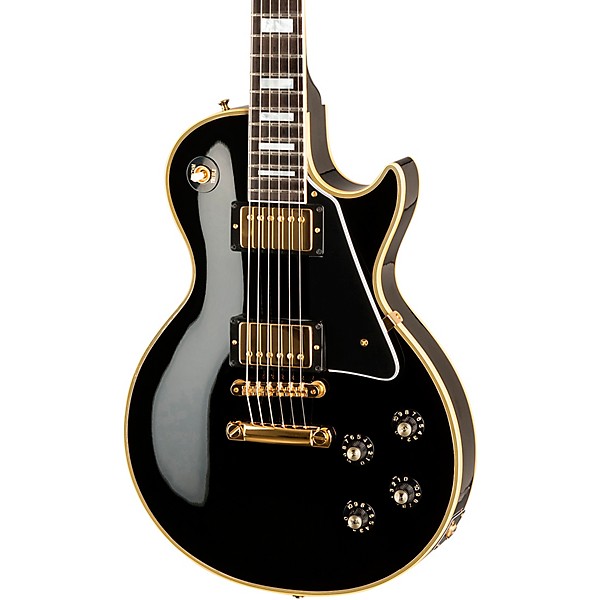
Les Paul Guitar Body and Neck Construction
The body construction helps explain why a Les Paul guitar feels and sounds different from many other electric guitars.
Mahogany Body
Most traditional Les Paul guitars use a mahogany body. Mahogany is a dense wood with a warm and full response. It can help produce strong low mids and a smooth attack.
A solid mahogany body also adds weight. Many Les Paul guitars are heavier than guitars made from alder, basswood, or lighter chambered woods. That weight can support sustain, but it may also cause shoulder or back fatigue during long shows.
Maple Top
A traditional Les Paul guitar has a maple cap on top of the mahogany body. The maple top adds stiffness and can bring more bite and clarity to the sound.
Many models use a plain maple top. Higher-priced models may use figured maple with flame or quilt patterns. These patterns affect appearance more than basic tone.
Set Neck
A Les Paul guitar usually has a glued-in neck. This is called a set neck. It differs from a bolt-on neck, which attaches to the body with screws.
A set neck can provide a smooth feel and good sustain. However, neck repairs can be more complex than repairs on a bolt-on guitar. This is one reason you should inspect an older or used Les Paul carefully before buying it.
Short Scale Length
Most Gibson-style Les Paul guitars use a 24.75-inch scale length. Fender-style guitars often use a 25.5-inch scale.
The shorter scale can make the strings feel softer. It may also make bends easier for some players. The neck can feel less stretched, which helps players with smaller hands.

What Does a Les Paul Guitar Sound Like?
A Les Paul guitar usually has a warm, thick, smooth, and sustaining sound. Its tone depends on the pickups, amplifier, strings, setup, playing style, and wood. Still, the design has a recognizable voice.
The bridge pickup often sounds:
• Bright and aggressive
• Strong in the midrange
• Clear enough for riffs
• Effective for overdrive and distortion
The neck pickup often sounds:
• Warm and round
• Smooth for lead playing
• Full for blues and jazz
• Useful for clean chords
The middle switch position blends both pickups. This setting can produce a balanced tone with enough body and clarity.
A Les Paul guitar can move from clean to heavily distorted with simple volume changes. Roll the guitar volume down, and the sound may become cleaner. Turn it up, and the amplifier receives a stronger signal.
That response is one reason experienced players value the instrument. The guitar becomes part of the tone control system. You do not need to change pedals for every small change in sound.
When I compare Les Paul-style guitars, I pay close attention to how each pickup reacts to the volume knob. A good instrument should not become dull or weak when you lower the volume. It should clean up in a musical way.

Why Does a Les Paul Guitar Have Two Humbuckers?
Most standard Les Paul guitars use two humbucking pickups. A humbucker uses two coils wired together to reduce electrical hum. It also produces a stronger and thicker signal than a traditional single-coil pickup.
This design helps a Les Paul guitar handle high-gain amplifiers. The sound stays powerful and less noisy than many single-coil guitars.
Humbuckers are useful for:
• Classic rock
• Hard rock
• Heavy metal
• Blues
• Jazz
• Southern rock
• Alternative music
• Lead guitar
Not every Les Paul guitar uses humbuckers. Some models use P-90 pickups, which are single-coil pickups with a raw and open sound. P-90 Les Paul guitars often have more bite and touch response, but they can produce more hum.
Pickup design varies across Gibson, Epiphone, and other brands. Some use vintage-style pickups with lower output. Others use high-output pickups for modern metal and hard rock.
The best pickup depends on your music. A vintage-style humbucker may suit blues and classic rock. A high-output pickup may suit tight, aggressive distortion. Neither choice is automatically better.

Les Paul Guitar Models Explained
The name Les Paul covers many models. They share the main design, but their parts, price, and features can differ.
Gibson Les Paul Standard
The Gibson Les Paul Standard is one of the best-known versions. It often includes a carved maple top, mahogany body, two humbuckers, a set neck, and a traditional control layout.
It is designed for players who want classic construction and a broad range of tones. Standards often cost more because of American production, materials, labor, and detailed finishing.
Gibson Les Paul Custom
The Les Paul Custom is a premium model with a formal look. It often includes multi-ply binding, gold hardware, and an ebony fingerboard.
Many players choose it for its appearance and high-end appointments. It can be heavier and more expensive than other Les Paul models.
Gibson Les Paul Studio
The Les Paul Studio focuses on core sound and playability. It often removes some cosmetic features, such as extensive binding, to reduce the price.
A Studio can be a practical choice for recording, rehearsing, and gigging. It may deliver much of the familiar Les Paul sound without the cost of a Standard.
Gibson Les Paul Junior
The Les Paul Junior usually has one bridge pickup and a simpler control layout. It is lighter in features and often has a direct, punchy sound.
This model suits players who like simple controls and strong midrange. It also teaches an important lesson: a guitar does not need many parts to sound powerful.
Gibson Les Paul Special
The Les Paul Special often uses two P-90 pickups. It has a flatter top and a more open, gritty sound than a traditional humbucker model.
It can work well for blues, punk, garage rock, and classic rock.
Epiphone Les Paul
Epiphone makes more affordable Les Paul guitars. These instruments use the same broad design idea, but materials, electronics, finishing, and manufacturing locations may differ by model.
An Epiphone Les Paul can be an excellent first serious electric guitar. However, quality varies between models, so check the fretwork, tuning stability, and setup.

Les Paul vs. Stratocaster
Many beginners compare a Les Paul guitar with a Fender Stratocaster. Both are famous, but they feel and sound quite different.
| Feature | Les Paul | Stratocaster |
|---|---|---|
| Body shape | Single-cutaway | Double-cutaway |
| Common pickups | Two humbuckers | Three single-coils or mixed pickups |
| Scale length | About 24.75 inches | 25.5 inches |
| Neck joint | Usually set neck | Usually bolt-on |
| Tone | Thick and warm | Bright and clear |
| Weight | Often heavier | Often lighter |
| Tremolo | Usually fixed bridge | Often synchronized tremolo |
| Controls | Two volume and two tone knobs | One volume and two tone knobs |
A Les Paul guitar may suit you if you want sustain, thick overdrive, and a shorter scale. A Stratocaster may suit you if you want a bright attack, light weight, and easy access to many pickup sounds.
This does not mean one guitar is more versatile in every situation. A skilled player can create many sounds with either instrument. Your hands, amplifier, and playing style matter as much as the guitar model.

Advantages and Limitations of a Les Paul Guitar
A Les Paul guitar offers several clear benefits, but it also has limits. Knowing both sides will help you make a smarter choice.
Main Advantages
• Thick, powerful humbucker tone
• Strong sustain
• Comfortable shorter scale for many players
• Simple and useful control layout
• Excellent sound for rock and blues
• Stable fixed bridge on most models
• Classic appearance with lasting appeal
• Good response to volume and tone changes
Common Limitations
• Many models are heavy
• Some neck designs feel large
• Upper-fret access can be less open than on a double-cutaway guitar
• Set-neck repairs can cost more
• Traditional finishes may show wear easily
• Budget models can need a professional setup
• High-output pickups may sound muddy with some amplifiers
• Some players find the body uncomfortable when seated
The weight issue deserves special attention. A heavy guitar is not always a bad guitar, but comfort affects how long and how well you play. Try the instrument with a strap before buying it.
A common mistake is choosing a guitar only because a famous player uses it. Your body, hands, music, and budget are different. The best Les Paul guitar is the one that feels good and supports your goals.
How to Choose a Les Paul Guitar
Start with your budget. Include the cost of an amplifier, cable, strap, tuner, case, and possible setup. A lower-priced guitar with a professional setup can feel better than an expensive guitar with poor adjustment.
Use this buying checklist:
- Hold the guitar while standing and sitting.
- Check whether the weight feels manageable.
- Play every fret and listen for buzzing.
- Test both pickups and all control knobs.
- Turn the volume down to check for a clean response.
- Check that the tuning machines turn smoothly.
- Look for cracks near the headstock and neck joint.
- Inspect the bridge, tailpiece, and frets.
- Ask whether the guitar has had a recent setup.
- Compare the instrument with at least one other model.
For a first Les Paul guitar, an entry-level Epiphone can offer strong value. A midrange model may provide better pickups, fretwork, and hardware. A Gibson may offer premium materials, detailed finishing, and long-term appeal, but price alone does not guarantee a perfect setup.
Used guitars can be excellent buys. Inspect them in person when possible. On older instruments, check for neck movement, lifted bridges, repaired headstocks, worn frets, and replaced parts.
The most important test is simple: play it. A guitar should make you want to practice. That response is more useful than a feature list.
Setting Up and Maintaining a Les Paul Guitar
A proper setup can transform a Les Paul guitar. A technician may adjust the neck relief, action, pickup height, intonation, and nut.
Good setup work can improve:
• Tuning stability
• Fretting comfort
• Chord clarity
• Sustain
• Intonation
• Pickup balance
Use fresh strings that match your playing style. Many players begin with .010 to .046 strings, but lighter or heavier sets may work better for you. Changing string gauge can affect neck relief and intonation, so the guitar may need another setup.
Keep the guitar in a stable environment. Wood reacts to major changes in humidity and temperature. Avoid leaving it near a heater, air conditioner, or sunny window.
Basic care includes:
• Wipe the strings after playing
• Store the guitar in a case or quality stand
• Check tuning before every session
• Clean the fingerboard as recommended for its finish
• Tighten loose hardware gently
• Replace dead strings before recording or performing
• Use a qualified repair technician for structural issues
Be careful around the headstock. The angled design can make that area more vulnerable to impact. Never place a Les Paul guitar where it can fall forward onto the headstock.
How to Get the Best Les Paul Guitar Tone
Your amplifier has a major effect on the sound. A bright guitar through a dark amplifier can sound balanced. A bright amplifier with a bright pickup may sound harsh.
Begin with simple settings:
• Use the bridge pickup for riffs and strong rhythm parts
• Use the neck pickup for warm leads and clean chords
• Set the tone controls near the middle
• Add gain slowly
• Keep bass controlled to avoid muddy chords
• Use the guitar volume knob to clean up the sound
• Raise or lower pickup height for balance
Pickup height matters more than many new players expect. If a pickup sits too close to the strings, the magnetic pull can affect sustain and tuning. If it sits too low, the signal may sound weak.
Play with your right hand as well as your controls. Picking near the bridge creates more bite. Picking closer to the neck creates a softer sound. A Les Paul guitar gives you many tone changes before you touch a pedal.
For recording, avoid excessive gain. Too much distortion can hide the natural attack of the guitar. A slightly cleaner tone often sounds larger in a mix.
Common Mistakes to Avoid
Buying the heaviest or most expensive Les Paul guitar is not always the best choice. Comfort, neck shape, and setup have a direct effect on your playing.
Avoid these common mistakes:
• Buying without checking the neck and frets
• Assuming every Les Paul has the same neck shape
• Ignoring the weight during a short store test
• Using too much gain to hide weak technique
• Choosing strings without considering scale and tuning
• Neglecting the nut and bridge when tuning problems occur
• Storing the guitar in extreme heat or cold
• Comparing only brand names instead of the actual instrument
• Buying a used guitar without checking for repairs
• Forgetting the cost of an amplifier and setup
One lesson I would give any new player is to slow down. Play clean chords. Test each pickup. Turn every knob. A few quiet minutes in a music store can reveal more than a long online specification sheet.
Also, do not fear small cosmetic marks on a used guitar. A clean fretboard, healthy neck, and working electronics matter more than a tiny scratch.
Is a Les Paul Guitar Good for Beginners?
A Les Paul guitar can be a good beginner instrument, but it is not perfect for every new player. Its short scale, simple controls, and thick sound can make it enjoyable to learn on.
The main concerns are weight and neck shape. Some beginners may find a Les Paul tiring during long practice sessions. Others may love the solid feel and smooth bending.
An affordable Epiphone Les Paul can be a sensible starting point. Look for one with:
• Straight neck
• Comfortable fret edges
• Reliable tuning machines
• Working electronics
• Reasonable action
• A return policy or inspection period
A new player should not spend the entire budget on the guitar. A small practice amplifier, tuner, cable, strap, and lessons can improve progress more than a costly upgrade.
The best beginner guitar is the one that feels inviting. If you enjoy picking it up each day, you are more likely to build a steady practice habit.
Frequently Asked Questions About What Is a Les Paul Guitar
What is a Les Paul guitar used for?
A Les Paul guitar is used for rock, blues, jazz, hard rock, metal, country, and many other styles. Its humbuckers and sustain make it especially popular for strong rhythm parts and lead guitar.
Why are Les Paul guitars so heavy?
Traditional Les Paul guitars use dense woods, such as mahogany, and have a thick solid body. Some modern models use weight-relief chambers to reduce the load.
Are Les Paul guitars good for beginners?
Yes, many beginners enjoy a Les Paul guitar because it has a simple layout, warm tone, and comfortable shorter scale. Weight and neck shape should be checked before purchase.
What is the difference between a Gibson and an Epiphone Les Paul?
Gibson Les Paul guitars are generally made in the United States with premium materials and higher prices. Epiphone makes more affordable versions with different specifications, but many offer strong playability and useful tone.
Do all Les Paul guitars have humbucker pickups?
No. Many Les Paul guitars use humbuckers, but some models use P-90 pickups or other designs. Always check the model specifications before buying.
Is a Les Paul guitar better than a Stratocaster?
Neither guitar is better for every player. A Les Paul usually offers a thicker tone and shorter scale, while a Stratocaster often provides a brighter sound, lighter body, and more open upper-fret access.
How do you maintain a Les Paul guitar?
Keep it clean, use suitable strings, store it away from extreme temperature changes, and check its setup when tuning or fret problems appear. A qualified technician should handle cracks, loose bridges, or major neck issues.
Conclusion
A Les Paul guitar is a solid-body electric guitar with a classic single-cutaway shape, powerful pickups, strong sustain, and a warm voice. Its mahogany body, maple top, set neck, shorter scale, and simple controls have made it a lasting choice for players across many styles.
The right model depends on your budget, body comfort, music, and playing goals. Try several guitars, test every control, and give comfort as much attention as tone.
Visit a local music store, compare Gibson and Epiphone models, and spend time playing before you decide. A good Les Paul guitar should not only sound inspiring; it should make you want to play more often.