

A Tele guitar is a solid-body electric guitar known for bright tone, simple controls, and a classic two-pickup design.
The Telecaster is one of the most influential electric guitars ever made. Its sharp attack, strong sustain, and rugged build have shaped country, rock, blues, pop, punk, and many other styles. This guide explains what is a tele guitar, how it works, why players love it, and how to choose the right model.

What Is a Tele Guitar?
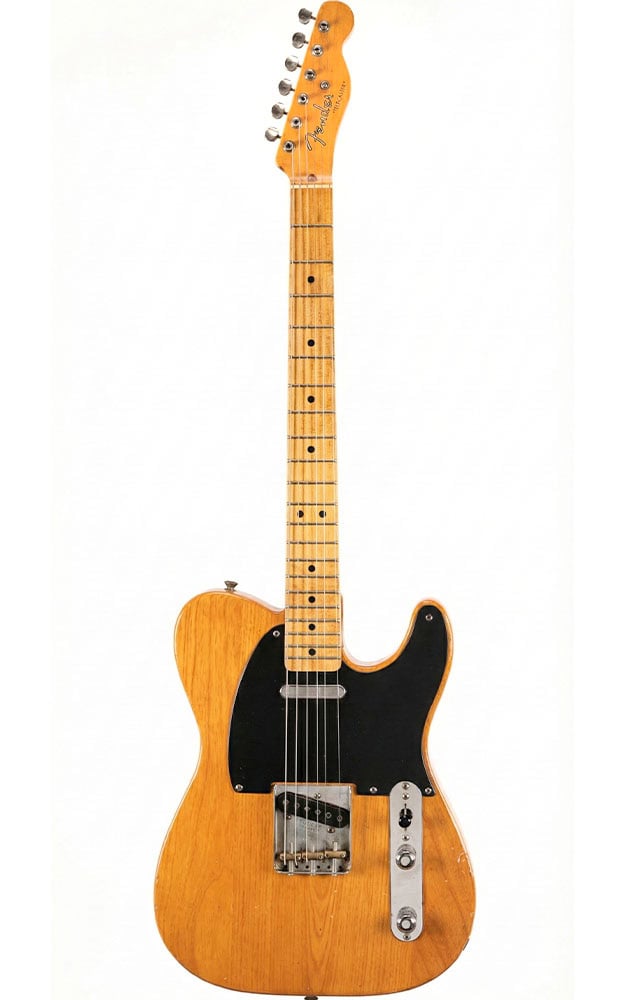
A tele guitar is a solid-body electric guitar based on the Fender Telecaster design. It usually has two single-coil pickups, a bolt-on neck, a fixed bridge, and a simple control layout with one volume knob, one tone knob, and a pickup selector.
The word “Tele” is short for Telecaster. Many players also use “tele guitar” to describe guitars made by other brands that follow the same basic design.
The Telecaster first appeared in the early 1950s. Fender originally introduced the guitar as the Broadcaster, but the name changed after a trademark conflict. The new name, Telecaster, soon became linked with a clear, cutting sound and a practical design.
A standard tele guitar often includes:
• A solid wood body
• Two single-coil pickups
• A 25.5-inch scale length
• A bolt-on neck
• A 21- or 22-fret fingerboard
• A three-way pickup switch
• A bridge with metal saddles
• A string-through-body or top-loading string system
The design is simple, but that simplicity is part of its appeal. Like a reliable pickup truck, a tele guitar focuses on doing its job well without adding unnecessary parts.

The Main Parts of a Tele Guitar
Understanding the parts helps explain why a tele guitar sounds and feels different from other electric guitars.
The body
The body is usually made from ash, alder, poplar, pine, or similar woods. The exact wood affects weight, resonance, and appearance, but the pickups, bridge, strings, and amplifier have a major effect on the final sound.
Traditional Telecaster bodies have a flat shape with a small amount of contouring. Many modern models add belly cuts, forearm contours, or lighter chambered bodies for extra comfort.
The neck
A tele guitar usually has a maple or maple-and-rosewood neck. The neck attaches to the body with screws rather than glue. This is called a bolt-on neck.
A bolt-on neck makes repairs and replacement easier. It also contributes to the fast, direct response that many players associate with a Telecaster.
The pickups
Most classic tele guitars use two single-coil pickups:
• The bridge pickup produces a bright, sharp, and focused sound.
• The neck pickup creates a warmer, rounder, and smoother sound.
The bridge pickup sits on a metal plate. This plate can add brightness and a strong attack. Some Tele-style guitars use humbuckers, P-90 pickups, or noiseless single coils for a wider range of tones.
The bridge
The bridge holds the strings in place and helps set the guitar’s intonation. Traditional Telecaster bridges use three brass or steel saddles, with two strings often sharing one saddle.
Modern six-saddle bridges make intonation adjustment easier. Neither design is automatically better. Three-saddle bridges can offer a vintage feel, while six-saddle bridges provide more precise adjustment.
The controls
A typical tele guitar has:
• A three-way pickup selector
• One volume control
• One tone control
This layout is easy to learn. It also encourages players to shape their sound with picking strength, guitar volume, tone control, and amplifier settings.
What Does a Tele Guitar Sound Like?
A tele guitar is known for its bright, clear, and punchy tone. The bridge pickup has strong treble and a quick response, which helps individual notes remain clear in a busy band mix.
The neck pickup sounds fuller and more relaxed. It works well for blues lines, jazz-influenced chords, clean pop parts, and soft rhythm work.
The middle switch position blends both pickups. It can produce a balanced tone with useful snap and body.
Common tele guitar sound qualities include:
• Twangy
• Bright
• Clear
• Punchy
• Dynamic
• Articulate
• Slightly gritty when pushed
The word “twang” often describes the classic Telecaster sound. Twang does not mean the guitar only works for country music. It means the notes have a lively attack and a noticeable sense of snap.
A clean Telecaster can sound glassy and open. With overdrive, it can become gritty and aggressive. With distortion, it can handle rock, punk, indie, and alternative music. The guitar responds strongly to the player’s hands, so a light touch and a hard attack can sound very different.

Why Is the Telecaster Design So Popular?
The tele guitar has remained popular because it solves several common guitar problems with a simple design.
It has a clear sound
A Telecaster can cut through drums, bass, keyboards, and other guitars. This makes it useful for live shows and studio sessions.
It is easy to maintain
The simple electronics are easy to understand. A technician can usually diagnose common issues without removing large amounts of hardware.
It is durable
The flat body, bolt-on neck, and sturdy bridge give many Tele-style guitars a strong reputation for reliability. Of course, any guitar can suffer damage if it is dropped, stored in poor conditions, or exposed to extreme temperature changes.
It has strong dynamic response
A tele guitar often responds clearly to picking pressure. Play softly, and the tone can sound clean and gentle. Pick harder, and the notes become louder, sharper, and more forceful.
It works across many music styles
Players use tele guitars for:
• Country
• Blues
• Rock
• Indie rock
• Punk
• Alternative
• Americana
• Folk rock
• Pop
• Jazz and fusion
The guitar’s range comes from its pickup positions, volume control, tone control, effects, and amplifier. A skilled player can make one Telecaster sound very different from another.

Tele Guitar Compared With a Stratocaster
People often compare the Telecaster with the Fender Stratocaster. Both are important Fender designs, but they feel and sound different.
A traditional tele guitar has two pickups and a fixed bridge. A Stratocaster usually has three pickups and a tremolo bridge. The Stratocaster body also has deeper contours, which may feel more comfortable when played while seated or standing.
Here is a simple comparison:
| Feature | Tele guitar | Stratocaster |
|---|---|---|
| Common pickup layout | Two single coils | Three single coils |
| Bridge | Usually fixed | Often tremolo |
| Tone | Direct, bright, punchy | Smooth, glassy, and varied |
| Body shape | More traditional and flat | More contoured |
| Controls | Simple | More flexible |
| Common strengths | Rhythm, country, rock, blues | Funk, blues, rock, pop |
This does not mean one guitar is better. A tele guitar often feels more direct and focused. A Stratocaster may offer more pickup combinations and tremolo effects.

Tele Guitar Compared With a Gibson Les Paul
A Telecaster and a Gibson Les Paul represent two very different electric guitar ideas.
A Les Paul commonly uses a mahogany body, a maple top, two humbuckers, a set neck, and a shorter 24.75-inch scale length. A tele guitar usually uses a longer 25.5-inch scale, single-coil pickups, a bolt-on neck, and a fixed bridge.
A Les Paul often produces a thick, warm, and powerful tone. A tele guitar usually sounds brighter, leaner, and more open.
The differences can affect playing feel:
• A Telecaster often has tighter string tension at the same tuning.
• A Les Paul may feel slightly softer because of its shorter scale.
• A Telecaster usually has more high-end clarity.
• A Les Paul often has more natural compression and midrange power.
Many players keep both types because they fill different roles. The Telecaster can provide cut and definition, while the Les Paul can provide weight and sustain.

Is a Tele Guitar Good for Beginners?
Yes, a tele guitar can be an excellent beginner guitar. Its controls are simple, its bridge is stable, and its sound encourages players to learn good picking and muting habits.
There are a few points to check before buying:
• The neck should feel comfortable in your hand.
• The frets should have smooth edges.
• The strings should not sit unusually high above the fingerboard.
• The pickup selector should work without crackling.
• The guitar should stay in tune.
• The total weight should feel manageable.
Some Tele-style guitars are heavy. A heavy guitar is not always a bad guitar, but it can become uncomfortable during long practice sessions. A lighter model may be a better choice for a beginner who plans to play while standing.
A proper setup matters more than many new players expect. A technician can adjust the truss rod, bridge height, pickup height, and intonation. A well-set-up affordable guitar can feel much better than an expensive guitar that needs adjustment.
The Advantages and Limitations of a Tele Guitar
A tele guitar offers many benefits, but it is not perfect for every player.
Advantages
• Clear note separation
• Strong rhythm tone
• Simple controls
• Reliable fixed bridge
• Easy maintenance
• Wide musical range
• Excellent response to picking dynamics
• Large selection of affordable and professional models
Limitations
• Traditional single-coil pickups can produce hum
• Some models are heavy
• The bridge pickup may sound too bright for some players
• The basic body shape may feel less comfortable than a deeply contoured guitar
• Three-saddle bridges may require careful intonation adjustment
Single-coil hum is normal in many traditional designs. It can become louder near fluorescent lights, computer screens, power supplies, and other sources of electrical interference. Noiseless pickups can reduce this problem, but they may sound slightly different from vintage-style pickups.
How to Choose the Right Tele Guitar
Start with your playing goals rather than the logo on the headstock. A beginner who wants country and clean blues may prefer traditional single coils. A rock player may prefer a model with a humbucker in the neck or bridge position.
Consider these features:
Pickup type
Traditional single coils offer classic Telecaster brightness. Noiseless single coils reduce hum. Humbuckers provide a thicker and smoother sound.
Neck profile
Some necks feel slim and fast. Others have a thick, rounded shape. If possible, play the guitar before buying it. A comfortable neck can make practice much easier.
Bridge style
A vintage three-saddle bridge offers a classic appearance and feel. A six-saddle bridge allows more exact intonation adjustment.
Body weight
Ask about the guitar’s weight when shopping online. A difference of one or two pounds can matter during a long rehearsal.
Fret quality
Look for clean fret ends and even fretwork. Rough fret edges can make a new guitar feel uncomfortable.
Electronics
Turn every knob and switch. Listen for crackles, sudden volume drops, or weak output. Minor noise may be fixable, but serious electronic faults should affect the price.
Price
Entry-level Tele-style guitars can be very good after a professional setup. Midrange models often improve the hardware, fretwork, pickups, and finish. High-end models may offer premium materials and careful craftsmanship, but a higher price does not guarantee a better match for your hands.
Practical Tips for Getting Better Tone
A tele guitar often sounds best when the basic setup is correct. Before buying expensive pedals, check the strings, pickup height, and amplifier settings.
Try these steps:
Install fresh strings suited to your playing style.
Adjust the pickup height so the sound is strong but not harsh.
Use the bridge pickup for sharp rhythm parts.
Roll the tone knob back slightly if the bridge pickup sounds too bright.
Use the neck pickup for warmer lead tones.
Lower the guitar volume to clean up an overdriven amplifier.
Practice palm muting to control the guitar’s natural snap.
Test the guitar through a clean amplifier before adding effects.
One common mistake is setting the bridge pickup too close to the strings. This can make the tone harsh and may affect string vibration. Small adjustments can make a large difference.
Another mistake is ignoring the amplifier. The same tele guitar can sound thin through one amp and full through another. Guitar tone is a complete chain that includes the player, strings, pickups, cable, amplifier, speaker, and room.
How to Maintain a Tele Guitar
Basic maintenance helps a tele guitar stay comfortable and reliable.
• Wipe the strings after playing.
• Store the guitar away from extreme heat and cold.
• Keep the fingerboard clean when changing strings.
• Check tuning and intonation from time to time.
• Tighten loose screws carefully.
• Replace worn strings before they lose their tone.
• Use a proper case or gig bag for transport.
Wood reacts to humidity. Very dry air can cause fret ends to feel sharp or, in severe cases, create cracks. Extremely high humidity can also cause problems. A stable indoor environment is usually best.
Do not force a truss rod adjustment if you are unsure. The truss rod controls neck relief, and incorrect adjustments can damage the instrument. When in doubt, use a qualified guitar technician.
Frequently Asked Questions About What Is a Tele Guitar
What is a tele guitar used for?
A tele guitar is used for country, blues, rock, pop, punk, indie, folk, and many other styles. Its clear sound makes it useful for both rhythm playing and lead guitar.
Is a tele guitar the same as a Telecaster?
A Telecaster is Fender’s official model name, while “tele guitar” is a casual term. Other companies also make Tele-style guitars with similar body shapes, bridges, and pickup layouts.
Why does a tele guitar sound so bright?
The bridge pickup, metal bridge plate, long scale length, and traditional single-coil design all help create its bright attack. Players can soften the tone with the neck pickup, tone control, amplifier, or effects.
Is a tele guitar good for rock music?
Yes, a tele guitar works very well for rock. It can produce sharp clean tones, gritty overdrive, and aggressive distortion, especially when paired with the right amplifier and pickups.
Do all tele guitars have single-coil pickups?
No. Many classic models use two single-coil pickups, but modern Tele-style guitars may include humbuckers, P-90s, or noiseless pickups.
Are tele guitars hard to play?
A tele guitar is not inherently hard to play. String height, neck shape, fret quality, setup, and personal comfort have a greater effect on playability than the body design alone.
Conclusion
A tele guitar is a solid-body electric guitar known for its bright tone, strong attack, simple controls, and dependable construction. Its classic design uses two pickups and a fixed bridge, but modern versions offer many variations, including humbuckers, noiseless pickups, lighter bodies, and contoured necks.
The best tele guitar is the one that feels comfortable, stays in tune, and matches your music. Try several models, check the setup, and listen to how each guitar responds to your hands. Explore different Tele-style guitars, test them through a clean amplifier, and share your favorite model or tone in the comments.