

A good acoustic guitar brand combines reliable build quality, rich tone, comfortable playability, and strong value.
Choosing what is a good acoustic guitar brand depends on your budget, playing style, and sound goals. After comparing guitars across beginner, intermediate, and professional price ranges, I find that Yamaha offers excellent value, while Martin and Taylor lead many premium categories. Still, the best brand is the one that feels right in your hands and fits the music you want to play.
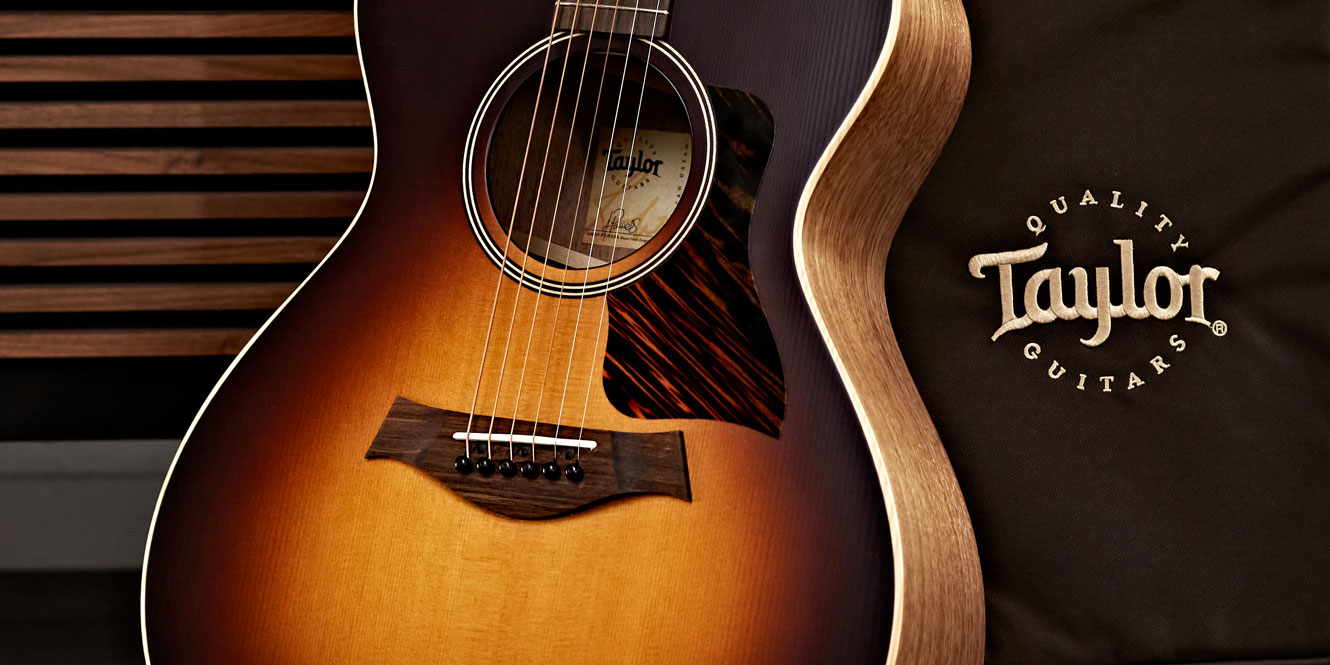
What Is a Good Acoustic Guitar Brand?
A good acoustic guitar brand makes instruments that stay in tune, sound balanced, feel comfortable, and hold up over time. It should also offer clear product information, dependable quality control, useful warranties, and replacement support.
The answer to what is a good acoustic guitar brand is not limited to one company. A $300 Yamaha may be a better choice for a new player than a $3,000 Martin if it feels easier to play and matches the player’s needs.
Several traits separate a strong acoustic guitar maker from a weak one:
• Consistent construction across models
• Stable necks and accurate fretwork
• Quality wood, bracing, and hardware
• Good sound projection and tonal balance
• Comfortable body shapes and neck profiles
• Reliable customer service
• A proven history of making guitars
A famous logo alone does not guarantee a good guitar. Even respected brands can produce models that suit one player better than another. The specific model, setup, body shape, and condition matter just as much as the brand name.
The Best Acoustic Guitar Brands at a Glance
The following brands are trusted choices for different needs. Each has strengths, limits, and a distinct approach to guitar design.
Yamaha: Best Overall Value
Yamaha is often the safest recommendation for beginners and budget-minded players. Its FG and FS series guitars have earned a strong reputation for solid construction, easy playability, and useful tone at modest prices.
The Yamaha FG800 is a common example. It uses a solid spruce top and produces more volume and detail than many entry-level guitars with laminated tops. Yamaha also makes smaller concert-style models, electric-acoustic guitars, and premium instruments.
Yamaha is a good choice if you want:
• A dependable first guitar
• Strong value under $500
• A bright, clear tone
• Easy access to replacement parts and service
Its main limitation is that some lower-cost models may sound less complex than premium guitars. However, that difference is often less important for a new player than comfort and a good setup.
Martin: Best for Traditional Acoustic Tone
C. F. Martin & Co. is one of the most influential acoustic guitar makers in history. Martin guitars are known for strong projection, warm bass, clear mids, and the classic dreadnought sound heard in folk, country, bluegrass, and singer-songwriter music.
The D-18 and D-28 are famous examples. The company also makes more affordable models, including the X Series and Road Series. These guitars may use modern materials or layered woods, but they still reflect Martin’s core design ideas.
Martin is a good choice if you want:
• A deep, traditional acoustic sound
• Strong volume for flatpicking or strumming
• A guitar with long-term resale appeal
• A respected instrument for recording or live work
A Martin may not be ideal for every beginner. Some dreadnought bodies feel large, and premium models can cost thousands of dollars. A smaller 000, OM, or 00 body may be easier to handle.
Taylor: Best for Playability and Modern Design
Taylor guitars are widely praised for their smooth necks, precise fretwork, bright clarity, and comfortable playing feel. The company offers guitars from affordable Academy models to high-end American-made instruments.
Taylor’s Grand Auditorium body is popular because it balances fingerstyle detail with strumming power. The patented Taylor neck design also makes many models feel easy to adjust and maintain.
Taylor is a good choice if you want:
• A comfortable neck
• A clear and modern tone
• Excellent factory setup
• A wide range of body sizes
• A strong acoustic-electric system
Taylor guitars can sound brighter and less bass-heavy than some Martin models. That is not a flaw, but it is a tonal preference. Players who want warmth and a woody sound may prefer another brand.
Gibson: Best for Bold, Vintage-Inspired Sound
Gibson acoustic guitars have a long history in blues, rock, country, and popular music. Models such as the J-45 are known for warm mids, strong projection, and a compressed tone that works well with vocals.
Gibson guitars often feel less polished in a modern, clinical way than some competitors. That character is part of their appeal. They can sound rich and powerful when strummed with confidence.
Gibson is a good choice if you want:
• A warm and powerful tone
• A classic slope-shoulder body
• Vintage-inspired design
• A guitar that sits well under a singing voice
The price can be high, and the large body may not suit every player. Test one carefully before buying, especially if you have short arms or shoulder discomfort.
Seagull: Best for Solid Wood Value
Seagull, made by Godin in Canada, has earned respect for producing well-built guitars with solid wood tops and thoughtful designs. Many Seagull models use a slightly wider nut, which gives fingerstyle players more room.
These guitars often have a warm, open sound and strong build quality. The brand is especially appealing to intermediate players who want a serious instrument without moving into the highest price range.
Seagull is a good choice if you want:
• Solid wood construction at a fair price
• A warm and balanced tone
• A wider neck for fingerpicking
• A guitar built in North America
The wider neck may feel less natural to players who prefer a slim electric-guitar profile.
Takamine: Best for Live Performance
Takamine is strongly associated with acoustic-electric guitars. Its instruments are popular with working musicians because they offer reliable electronics, stable performance, and easy stage control.
Takamine guitars often have a focused acoustic sound that works well through an amplifier or sound system. They may not have the same unplugged richness as a high-end Martin or Taylor, but they can perform very well in a live mix.
Takamine is a good choice if you want:
• A dependable stage guitar
• Practical onboard electronics
• Good feedback control
• A comfortable amplified sound
Breedlove and Guild: Strong Alternatives
Breedlove makes acoustic guitars with clear tones, comfortable body shapes, and a focus on sustainable wood choices. Its Oregon and Pursuit lines are worth considering for players who want modern design and balanced sound.
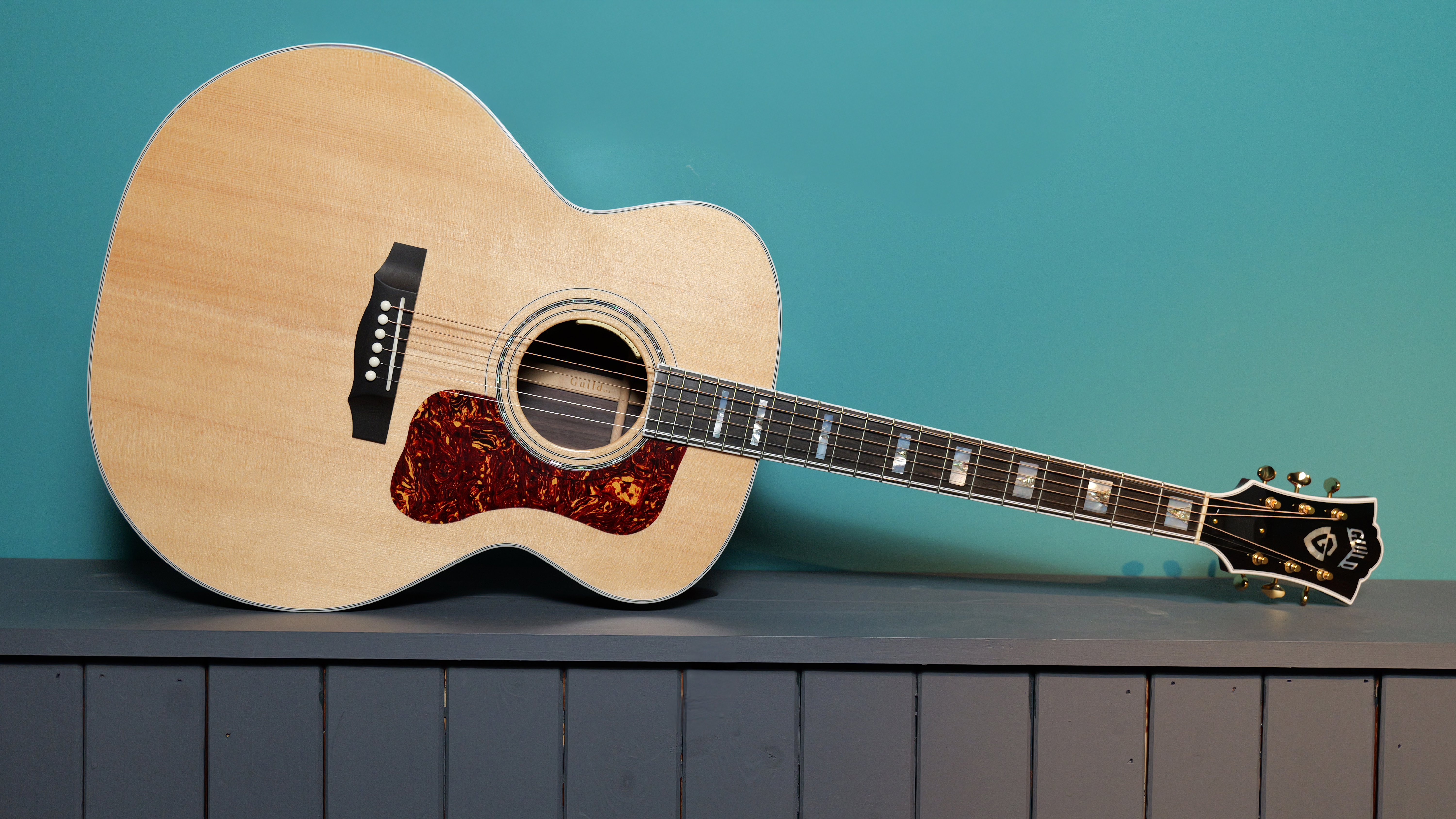
Guild has a long history of making sturdy guitars with rich tone and strong projection. Its concert, dreadnought, and jumbo models suit players who want a more traditional feel without choosing Martin or Gibson.
These brands may receive less attention online than the biggest names, but they often deliver excellent value. A guitar does not need the most famous headstock to be a great instrument.
How to Choose the Right Acoustic Guitar Brand
The best way to understand what is a good acoustic guitar brand is to match the brand with your actual needs. Start with the player, not the logo.
Consider Your Skill Level
Beginners need a guitar that encourages practice. A difficult neck, high action, or poor tuning stability can make learning feel harder than it should.
For a first guitar, consider:
• Yamaha FG or FS models
• Taylor Academy models
• Fender beginner acoustic guitars
• Epiphone acoustic models
• Seagull entry-level instruments
Intermediate players may benefit from a solid-top guitar with better projection and more tonal detail. Premium players can focus on wood selection, body design, craftsmanship, and long-term ownership value.
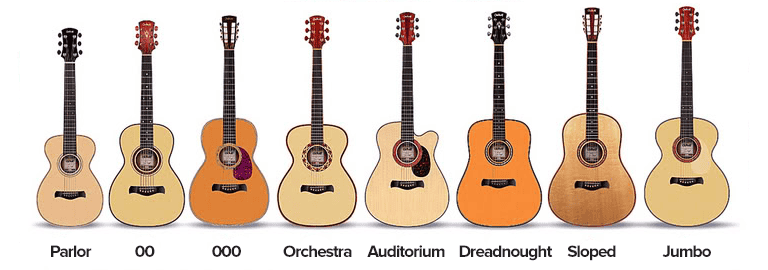
Choose the Right Body Shape
Body shape affects comfort, volume, bass response, and playing style.
• Dreadnought: Loud, deep, and strong for strumming
• Concert or 000: Comfortable, balanced, and versatile
• Orchestra or OM: Clear and responsive for fingerstyle and mixed playing
• Grand Auditorium: Flexible for both strumming and picking
• Parlor: Small, focused, and useful for blues or light fingerpicking
A large guitar is not automatically better. During guitar tests, I have seen players choose a smaller body after realizing that comfort helped them play longer and with better control.
Check the Neck Profile and Nut Width
The neck should feel natural. Some players like a slim neck, while others prefer a fuller shape. Nut width also matters.
A typical steel-string acoustic guitar has a nut width near 1 11/16 inches. Wider designs may help fingerstyle players, while narrower necks can feel quicker for chord changes.
Place your hand around the neck. Try open chords, barre chords, and single-note lines. If your thumb, wrist, or fingers feel strained, try another model.
Understand Solid Wood and Laminated Wood
A solid wood top usually produces more depth, volume, and tonal change as the guitar ages. Common top woods include spruce, cedar, and mahogany.
Laminated wood is made from layers. It is often more resistant to changes in humidity and can lower the cost. Many excellent guitars use a solid top with laminated back and sides.
Do not assume that all-solid wood is always the best choice. It can sound wonderful, but it needs more care. A laminated guitar may be the smarter option for travel, outdoor use, or a dry home.

Acoustic Guitar Woods and Their Sound
Wood affects tone, but body shape, bracing, strings, and construction also play major roles. Think of tonewood as one ingredient in a recipe, not the entire meal.
Spruce
Spruce is the most common top wood on steel-string acoustic guitars. It offers strong projection, clear highs, and a broad dynamic range.
A spruce guitar can sound gentle when played softly and powerful when played hard. Sitka spruce is common, while Engelmann spruce often has a softer and more delicate response.
Cedar
Cedar responds quickly to a light touch. It often sounds warm and smooth, making it popular with fingerstyle players and gentle strummers.
Cedar may compress slightly when played very hard. Players with a heavy attack may prefer spruce.
Mahogany
Mahogany tops and back-and-side sets often produce a focused, dry, woody tone. They can sound excellent for blues, folk, and vocal accompaniment.
Mahogany usually has less sparkling high-end detail than spruce, but many players enjoy its direct and intimate sound.
Rosewood
Rosewood often provides deep bass, rich overtones, and clear treble. It is common on premium guitars and works well for players who want a wide tonal range.
Wood availability and trade rules can change. Responsible manufacturers now use certified, reclaimed, or alternative woods. Check current product details instead of relying on old assumptions.

What Makes an Acoustic Guitar Sound Good?
A good acoustic guitar needs more than expensive materials. Its parts must work together.
Bracing
Bracing supports the top while allowing it to vibrate. X-bracing is common on steel-string guitars, but makers use many patterns and variations.
A well-designed brace system can improve volume, sustain, and balance. Too much support may make a guitar feel stiff. Too little may create structural problems.
Setup
Setup is one of the most overlooked factors. A skilled technician adjusts the neck relief, string height, saddle, nut, and intonation.
A $400 guitar with a great setup can feel better than a $2,000 guitar that has not been adjusted. Before judging a model, make sure the strings are fresh and the action is reasonable.
Tuning Stability
A guitar should remain reasonably stable as you play. Tuning problems can come from poor tuners, a tight nut, loose strings, temperature changes, or incorrect string installation.
New strings may need a short settling period. If a guitar goes badly out of tune after proper setup, treat that as a warning sign.
Intonation
Play notes at the 12th fret and compare them with the open strings. Small differences are normal, but large pitch errors can point to saddle or neck problems.
Accurate intonation matters for chords, recording, and playing with other musicians.
Resonance and Balance
Listen for balance across the strings. The bass should not overwhelm the mids, and the treble should not sound thin or harsh.
Play both softly and loudly. A good guitar should offer useful tone at different volumes.

How Much Should You Spend on an Acoustic Guitar?
There is no single correct budget, but price ranges can help set expectations.
• Under $300: Good for basic learning, but inspect setup and fret quality carefully
• $300 to $700: Strong beginner and intermediate choices, often with solid tops
• $700 to $1,500: Better materials, construction, electronics, and tonal detail
• $1,500 to $3,000: Professional-level instruments from major brands
• Over $3,000: Premium craftsmanship, rare woods, boutique work, and collector value
Spending more does not guarantee that you will enjoy the guitar more. Your budget should also include a case, tuner, spare strings, humidifier, strap, and possible setup work.
For many beginners, the sweet spot is around $400 to $800. At this level, you can often find a reliable solid-top guitar that will remain useful for years.
New or Used Acoustic Guitar?
A used guitar can offer excellent value. It may also have hidden problems, so inspect it carefully.
Look for:
• A neck that is not badly bowed
• No major cracks near the bridge or neck joint
• A bridge that is firmly attached
• Frets without severe wear
• Tuners that turn smoothly
• A top that is not excessively swollen or collapsed
• A truss rod that still allows adjustment
Ask about humidity control and repairs. A small finish crack may be harmless, while a loose bridge or damaged neck can be expensive.
When I compare used guitars, I focus on structure before appearance. A few scratches rarely affect playability. A lifting bridge or separated brace can turn a bargain into a costly repair.
Common Mistakes When Buying an Acoustic Guitar
Many buyers focus on the brand first and the instrument second. That approach can lead to disappointment.
Avoid these mistakes:
• Buying only because a famous artist uses the brand
• Ignoring body size and physical comfort
• Choosing a guitar with very high string action
• Testing only one guitar in a noisy store
• Forgetting to check tuning and intonation
• Assuming a solid top means perfect quality
• Buying online without checking return terms
• Skipping a professional setup
Play several guitars in the same price range. Use the same chords and picking pattern on each one. Record short clips if the store allows it, because your ears may remember one guitar differently after you leave.
Is a Good Acoustic Guitar Brand Worth the Price?
A respected brand can offer better quality control, resale value, repair support, and design experience. These benefits can make the higher price worthwhile.
However, brand reputation has limits. A high-end guitar may not suit your hands, music, or room. A less famous brand may give you a better fit and more enjoyable tone.
The best answer to what is a good acoustic guitar brand is based on total value. Consider the guitar’s comfort, sound, durability, warranty, setup, and expected use. Price matters, but it should not be the only measure.
Simple Steps to Test an Acoustic Guitar
Use this short process when shopping in person.
Sit in your normal playing position.
Check whether the body feels comfortable against your chest.
Play common open chords.
Try a few barre chords.
Pick individual notes across every string.
Listen for buzzing, dead notes, or uneven volume.
Compare the 12th-fret notes with the open strings.
Check tuning after several minutes.
Ask whether the guitar has received a professional setup.
Play the guitar softly and loudly.
If you buy online, choose a seller with a clear return policy. Let the guitar reach room temperature before tuning it fully, especially after shipping in cold or hot weather.
Frequently Asked Questions About What Is a Good Acoustic Guitar Brand
What is a good acoustic guitar brand for beginners?
Yamaha is one of the strongest beginner choices because its guitars are reliable, affordable, and easy to find. Taylor Academy, Fender, Epiphone, and Seagull also offer useful options at different prices.
Is Martin better than Taylor?
Neither brand is always better. Martin often suits players who want a warm, traditional tone, while Taylor is known for clear sound, comfortable necks, and modern playability.
What is the best acoustic guitar brand under $500?
Yamaha is a leading choice under $500, especially in the FG and FS ranges. Alvarez, Fender, Epiphone, and some Seagull models can also provide strong value depending on the exact model and setup.
Should I buy a solid-top acoustic guitar?
A solid-top guitar often gives you more projection and tonal detail than an all-laminated model. Still, a well-made laminated guitar may be more durable and practical for travel or changing climates.
What acoustic guitar brand has the best sound?
Sound is subjective, so there is no universal winner. Martin, Taylor, Gibson, Yamaha, Guild, Seagull, and Breedlove all make guitars with excellent tone, but the best match depends on your music and playing style.
How long should a good acoustic guitar last?
A well-made acoustic guitar can last for decades with proper care. Keep it at a stable humidity level, replace worn strings, and have a technician inspect the neck and bridge when needed.
Is an expensive acoustic guitar easier to play?
It can be, but price is not the only factor. A good setup, comfortable neck, suitable body size, and correct string choice often make a larger difference than the brand or price alone.
Conclusion
The answer to what is a good acoustic guitar brand depends on your hands, ears, budget, and musical goals. Yamaha is hard to beat for value, Martin excels at traditional acoustic tone, Taylor offers outstanding playability, and brands such as Seagull, Takamine, Guild, Breedlove, and Gibson bring their own strengths.
Do not buy a guitar from the logo alone. Test the body shape, neck, tuning stability, intonation, and unplugged sound. Choose the instrument that makes you want to play for another hour, then ask a qualified technician to give it a proper setup. Explore several models, compare them carefully, and share your favorite choice with other guitar players.