

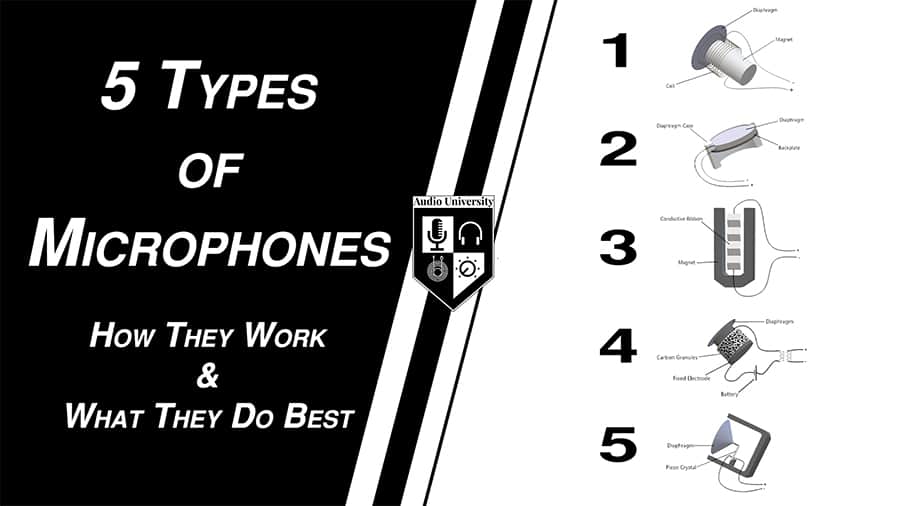
There are five main microphone types: dynamic, condenser, ribbon, lavalier, and shotgun microphones.
Knowing what types of microphones are there helps you choose the right tool for podcasts, music, video, streaming, meetings, and live events. Each microphone uses a different design to capture sound, so the best choice depends on your voice, room, subject, and recording goal. This guide explains the main microphone categories, their strengths, limits, and practical uses in clear terms.
Why Microphone Type Matters
A microphone changes sound waves into an electrical signal. That signal then goes to a camera, audio interface, mixer, computer, or recording device. The microphone type affects how much detail, room sound, background noise, and volume variation the system captures.
When people ask, “what types of microphones are there,” they often want more than a list of names. They want to know which microphone will sound clear, reduce noise, and fit their budget.
The right microphone can make an average recording sound polished. The wrong one can make a great performance sound thin, harsh, distant, or noisy. Think of a microphone as a camera for sound: each model has its own focus, angle, and level of detail.
Microphones differ in several key ways:
• Transducer design: How the microphone changes sound into an electrical signal.
• Pickup pattern: The direction from which the microphone hears sound.
• Sensitivity: How well it detects quiet sounds.
• Frequency response: Which low, middle, and high sounds it captures.
• Power needs: Whether it works without power or needs phantom power, a battery, or USB power.
The Five Main Types of Microphones
The main microphone types are dynamic, condenser, ribbon, lavalier, and shotgun microphones. Some categories describe the internal design, while others describe the microphone’s shape or main use.
For example, dynamic and condenser microphones describe transducer technology. Lavalier and shotgun microphones describe common form factors and applications. A shotgun microphone can use a condenser capsule, while a lavalier microphone can use an electret condenser capsule.
Here is a simple overview:
• Dynamic microphones are tough and handle loud sound well.
• Condenser microphones capture detail and soft sounds with high sensitivity.
• Ribbon microphones offer a smooth and natural tone.
• Lavalier microphones are small and clip onto clothing.
• Shotgun microphones use a narrow pickup pattern for focused audio.
USB and XLR microphones are also common terms. They describe the connection method, not always the microphone’s core transducer type. A USB condenser microphone, for example, is still a condenser microphone with a built-in digital converter.

Dynamic Microphones
Dynamic microphones use a diaphragm, a voice coil, and a magnet. When sound moves the diaphragm, the coil moves through the magnetic field and creates an electrical signal.
Dynamic microphones are known for their strength. They do not usually need external power, and they can handle loud sources such as guitar amplifiers, drums, and live vocals. Their lower sensitivity can also help reduce unwanted room noise.
A dynamic microphone is often a smart choice when:
• You record in a noisy room.
• You perform on stage.
• You need a microphone for loud vocals or instruments.
• You want a simple setup with little risk of overload.
• You need a durable microphone for travel or regular use.
A famous handheld stage microphone is a dynamic microphone. Broadcasters also use large dynamic microphones because they can produce a rich voice sound while rejecting some room noise.
Dynamic microphones have limits. They often need to sit close to the speaker’s mouth. If you move too far away, the sound may become quiet and lose warmth. Some models also need a strong audio interface or preamp to reach a healthy recording level.
One common mistake is to treat every dynamic microphone as a broadcast microphone. A basic stage model may sound bright and clear, while a broadcast model may have a deeper tone and stronger proximity effect.
Best uses for dynamic microphones
Dynamic microphones work well for:
• Live singing
• Podcasting in untreated rooms
• Radio and voice-over work
• Snare drums and toms
• Guitar cabinets
• Public speaking
• Loud rehearsals
A useful setup tip is to keep the microphone close but not directly against your lips. Start about 3 to 6 inches away, then adjust the angle and distance until the voice sounds full without too much bass.

Condenser Microphones
Condenser microphones use a lightweight diaphragm placed near a backplate. Sound changes the distance between these parts, which creates an electrical signal.
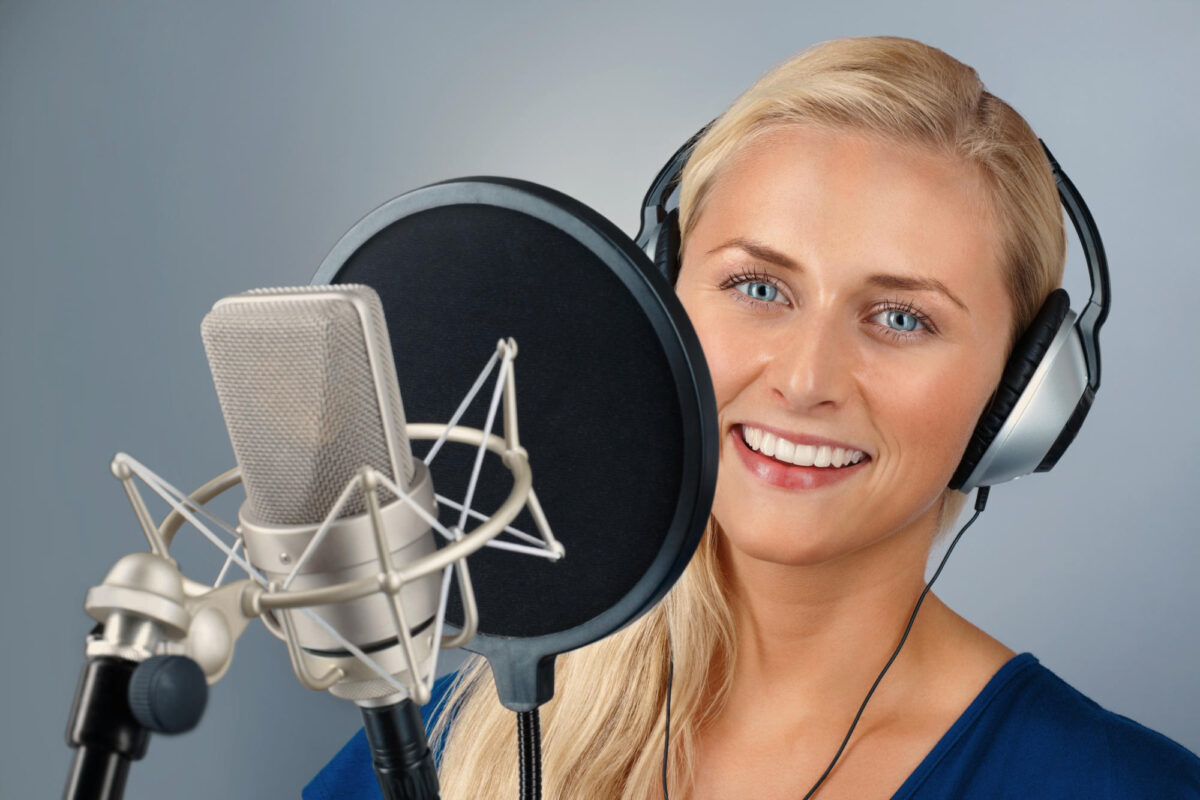
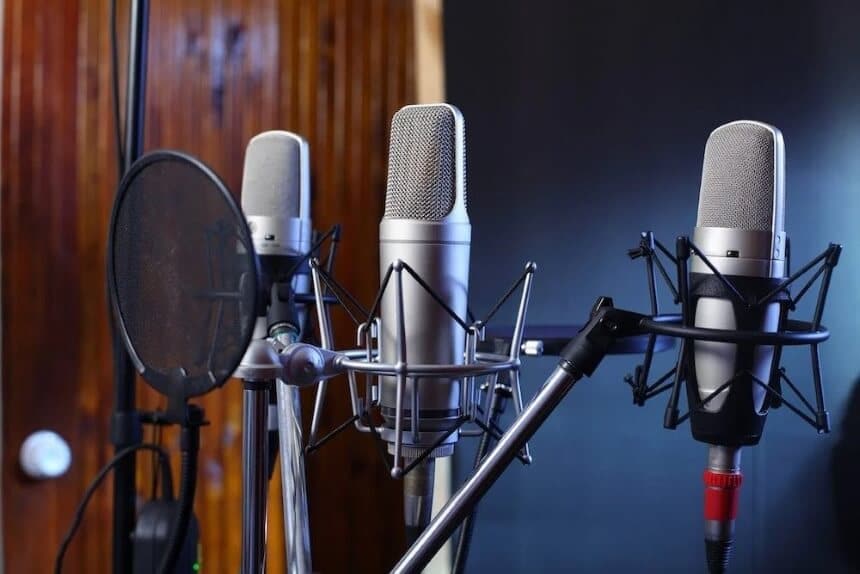
Because the diaphragm is light, condenser microphones can capture small changes in sound. They often provide a detailed, open, and clear recording. This makes them popular for studio vocals, acoustic guitar, piano, overhead drums, video production, and voice-over work.
Most studio condenser microphones need phantom power. Phantom power is usually 48 volts supplied by an audio interface, mixer, or compatible recorder through an XLR cable. USB condenser microphones receive power through the USB connection.
Condenser microphones are useful when:
• You want detailed vocal recordings.
• Your room has good acoustic treatment.
• You record quiet instruments.
• You need a wide and natural frequency range.
• You want a microphone for studio or home production.
Their sensitivity is both a benefit and a limitation. A condenser microphone may capture keyboard noise, air conditioning, computer fans, traffic, and room reflections. In a bare room, that extra detail can make the recording sound less professional.
I often recommend testing a condenser microphone by recording ten seconds of silence before recording the main take. Listen with headphones. If you hear a strong hum, fan, echo, or hiss, improve the room or consider a less sensitive microphone.
Large-diaphragm and small-diaphragm condensers
Large-diaphragm condenser microphones are common for vocals and spoken voice. They often add a smooth, full character, although the exact sound depends on the model and circuit.
Small-diaphragm condenser microphones are often chosen for acoustic instruments, cymbals, strings, and stereo recording. They can provide a fast response and a balanced sound across a broad range of frequencies.
Neither design is automatically better. The best option depends on the source, room, microphone position, and desired sound.

Ribbon Microphones
Ribbon microphones use a very thin strip of metal suspended between magnets. The ribbon moves when sound reaches it and generates an electrical signal.
Ribbon microphones are known for a smooth and natural sound. They often soften harsh high frequencies, which can make them useful on bright guitar amplifiers, brass instruments, strings, and certain vocals.
Traditional passive ribbon microphones can be delicate. Blowing directly into the ribbon, dropping the microphone, or sending phantom power through a damaged cable may cause problems. Modern active ribbon microphones are usually stronger and may require phantom power.
Ribbon microphones are a good option when:
• A sound source feels sharp or aggressive.
• You want a vintage-style tone.
• You record guitar cabinets or brass.
• You want a natural response from the front and rear of the microphone.
Many ribbon microphones use a figure-eight pickup pattern. This means they capture sound from the front and back while rejecting sound from the sides. That pattern can help create a smooth recording, but it also captures room reflections from behind.
A practical lesson is to check the microphone manual before connecting it. Some passive ribbon models require special care with phantom power. A safe audio cable and a reliable interface are important.

Lavalier Microphones
A lavalier microphone is a small microphone that clips to a person’s clothing. It is also called a lapel microphone or clip microphone.
Lavalier microphones are common in interviews, presentations, documentaries, theater, online courses, and television. They let the speaker move naturally while keeping the microphone near the mouth.
A lavalier microphone may be wired or wireless. Wired models connect to a recorder, camera, phone adapter, or wireless transmitter. Wireless models send the signal to a receiver connected to the camera or recording system.
Lavalier microphones work well when:
• The speaker needs both hands free.
• You are filming interviews.
• The subject moves during a presentation.
• A handheld microphone would distract from the video.
• You need consistent distance from the speaker’s mouth.
Placement matters more than many beginners expect. Clip the microphone around 6 to 8 inches below the mouth, then check that clothing does not rub against it. A small piece of clothing tape can help secure the cable.
Lavalier microphones have some limits. They may pick up shirt noise, necklaces, wind, and rubbing from jackets. Wireless systems may also face interference, battery problems, or a short operating range.
Before an important shoot, test the full system. Check the transmitter battery, receiver connection, clothing noise, and recording level. A short sound check can prevent a long and painful reshoot.
Shotgun Microphones
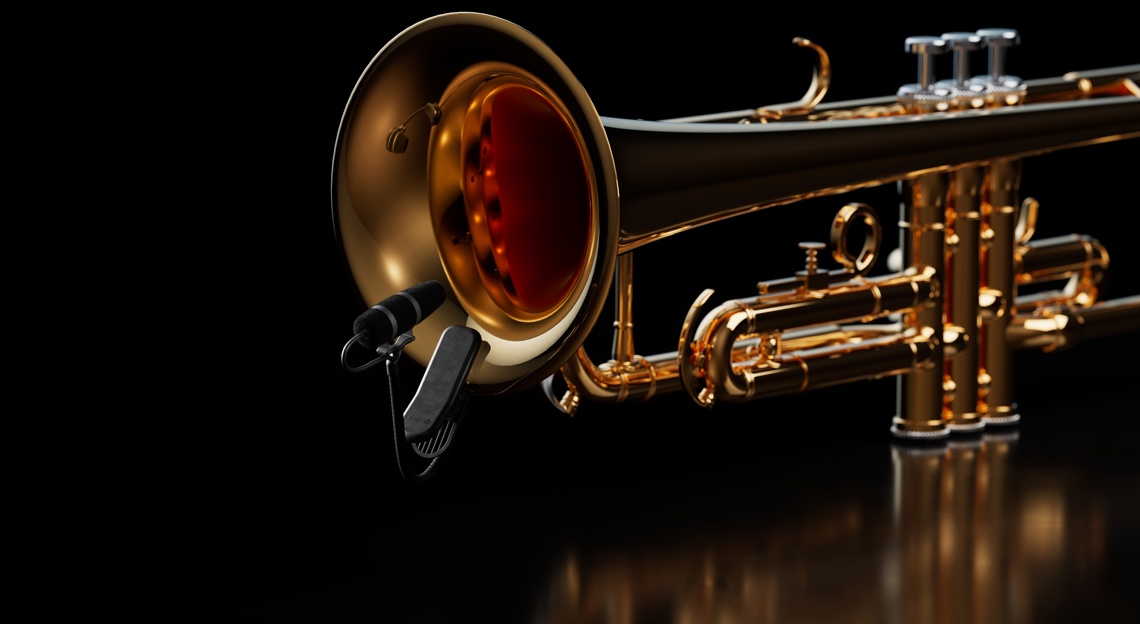
A shotgun microphone has a long interference tube and a narrow pickup pattern. It is designed to focus on sound from the front while reducing some sound from the sides.
Shotgun microphones are widely used in film, television, news, sports, and outdoor video. They are often mounted on a boom pole or camera. A boom operator can place the microphone just outside the camera frame and aim it toward the speaker.
A shotgun microphone is useful when:
• You need focused audio from a distance.
• You are recording video outdoors.
• You want the microphone hidden outside the frame.
• You are filming dialogue or interviews.
• You need to reduce some side noise.
A shotgun microphone is not a magic “zoom lens” for sound. It still works best when it is close to the speaker. In a reflective room, the microphone may capture echoes from walls, floors, and ceilings. A shorter microphone placed close to the subject can sound better than a long shotgun placed far away.
Wind protection is essential outdoors. Use a foam cover for light airflow and a furry windscreen, often called a blimp or dead cat, for stronger wind. Always monitor the sound with headphones when possible.
Other Microphone Categories You Should Know
Understanding what types of microphones are there also means learning about less common but useful designs. These microphones may serve specialized jobs in music, measurement, communication, and video production.
Boundary microphones
A boundary microphone sits on a flat surface such as a table, stage floor, or conference desk. Its design uses the surface to reduce some phase problems caused by reflected sound.
Boundary microphones are useful for:
• Conference rooms
• Theater stages
• Group discussions
• Meeting tables
• Piano lids
They can capture several speakers, but they may also pick up table taps, papers, and keyboard noise.
USB microphones
USB microphones connect directly to a computer, tablet, or compatible phone. They contain a microphone capsule, preamp, analog-to-digital converter, and headphone output in one unit.
USB microphones are convenient for:
• Podcasting
• Streaming
• Video calls
• Online teaching
• Home voice-over work
They are easy to use, but they offer less flexibility than an XLR setup. You cannot always change the preamp, upgrade each part separately, or route several microphones with the same control.
XLR microphones
XLR microphones use a professional audio connector. The microphone connects to an audio interface, mixer, recorder, or camera adapter.
XLR systems are useful when:
• You want a flexible studio setup.
• You need multiple microphones.
• You want external preamp control.
• You plan to upgrade your equipment over time.
• You record music or professional video.
An XLR microphone does not automatically sound better than a USB microphone. The room, microphone position, performance, and gain settings often matter more.
Contact microphones
Contact microphones detect vibrations through a solid surface. They do not mainly capture sound moving through the air.
They are used for:
• Experimental music
• Percussion
• Acoustic instrument pickups
• Vibration studies
• Sound design
A contact microphone can produce unusual and creative sounds, but it may not sound like a normal room microphone.
Measurement microphones
Measurement microphones are designed to capture sound with a known, consistent response. Audio professionals and engineers use them for room analysis, speaker testing, and acoustic measurement.
They are not usually the best choice for flattering vocals. Their purpose is accuracy, not character.
Microphone Pickup Patterns Explained
A pickup pattern describes the direction from which a microphone captures sound. This feature is just as important as the microphone type.
The main pickup patterns include:
• Cardioid: Captures mostly from the front and rejects much of the rear sound.
• Supercardioid: Captures a tighter area in front but may pick up a small amount from the rear.
• Hypercardioid: Offers an even narrower front pattern with more rear pickup.
• Omnidirectional: Captures sound from all directions.
• Figure-eight: Captures sound from the front and rear while rejecting the sides.
• Shotgun or lobar: Uses a highly focused front pattern for directional recording.
Cardioid is the most common pattern for singers, speakers, streamers, and podcasters. It helps reduce sound from behind the microphone, such as a computer fan or noisy room.
Omnidirectional microphones can sound natural because they do not strongly favor one direction. They are useful for some lavalier microphones, group recording, and measurement work. However, they do not reject room noise as well as a directional microphone.
Figure-eight microphones are helpful for two-person interviews, vocal duets, and mid-side recording. They require careful placement because sound from the front and rear is captured with similar strength.
Proximity effect
Some directional microphones produce more bass when the sound source moves very close. This is called the proximity effect.
It can make a voice sound warm and powerful. It can also make the voice muddy or boomy. If the low end becomes too strong, move back slightly or speak across the microphone rather than directly into it.

How to Choose the Right Microphone
The best microphone depends on your situation, not just your budget. Before you shop, answer four simple questions:
What will you record?
Where will you record it?
How far will the microphone be from the sound source?
What equipment will connect to it?
Use this guide as a starting point:
• For live vocals, choose a durable dynamic microphone.
• For a quiet studio, consider a condenser microphone.
• For a noisy bedroom, try a close dynamic microphone or improve the room first.
• For interviews on camera, use a lavalier or shotgun microphone.
• For acoustic guitar, test a small-diaphragm condenser or a ribbon microphone.
• For streaming, choose a USB microphone for simplicity or an XLR microphone for expansion.
• For loud guitar amps, use a dynamic microphone or a ribbon microphone.
• For conference tables, consider a boundary or omnidirectional microphone.
Room sound is often the deciding factor. A $100 microphone close to the speaker can beat a $500 microphone placed across a noisy room. This is one of the most useful lessons for new recordists.
Consider the connection
USB microphones are simple. XLR microphones offer more control. A wireless microphone adds mobility but also adds batteries, radio range, and interference to the setup.
Check whether your device supports the connector you plan to use. You may need an adapter, audio interface, phantom power, or a compatible recording app.
Consider the frequency response
A flat microphone captures sound with less tonal shaping. A vocal microphone may boost presence or bass to create a more pleasing result.
No frequency response is perfect for every voice. A bright microphone may help a deep voice sound clear, while a warm microphone may suit a thin or sharp voice.
Consider sensitivity and maximum sound pressure level
Sensitivity describes how strongly the microphone responds to sound. Maximum sound pressure level, or SPL, describes how loud a source can become before the microphone distorts.
For loud drums and guitar amplifiers, check the maximum SPL. For quiet acoustic instruments, sensitivity and low self-noise may matter more.
Microphone Placement and Recording Tips
Good placement can improve sound more than buying a new microphone. Start with the microphone close enough to capture a strong signal, but far enough to avoid harsh breath noise and unwanted bass.
Try these basic techniques:
• Keep the microphone 3 to 8 inches from a spoken voice.
• Aim slightly past the mouth to reduce popping sounds.
• Use a pop filter for vocals and speech.
• Keep the microphone away from hard, reflective walls.
• Place the microphone above or below the mouth when recording dialogue.
• Use headphones to check noise, echo, and distortion.
• Set the input gain so peaks do not reach 0 dBFS.
Digital recordings should leave headroom. A safe starting point is to let normal speech peak around −18 to −12 dBFS, with louder moments staying below clipping. Exact levels depend on the system, but avoiding distortion is always important.
A pop filter helps control bursts from words such as “p,” “b,” and “t.” It does not fix poor placement by itself. Turn the microphone slightly to the side and keep a steady distance.
Room treatment does not need to be expensive. Curtains, rugs, bookshelves, and soft furniture can reduce harsh reflections. Avoid placing the microphone in the exact center of a small room, where low-frequency problems can become stronger.
A practical test is to record the same sentence from three positions. Compare the sound with headphones. This quick test shows how much distance and room placement affect the result.
Common Microphone Mistakes to Avoid
Many poor recordings come from setup mistakes rather than bad equipment. Learning what types of microphones are there is useful, but using them correctly matters just as much.
Avoid these common problems:
• Holding a sensitive microphone by the body and creating handling noise.
• Placing a condenser microphone in a noisy room without monitoring.
• Recording too far from the microphone.
• Speaking directly into a microphone without a pop filter.
• Setting the gain too high and causing clipping.
• Using a shotgun microphone indoors near hard walls.
• Forgetting fresh batteries in a wireless system.
• Choosing a microphone because it is popular rather than suitable.
• Recording without headphones when monitoring is possible.
• Buying an XLR microphone without an interface or mixer.
One mistake I frequently see in beginner setups is upgrading the microphone before fixing the room. Echo from bare walls can make even a premium microphone sound distant. A small change in placement or soft furnishings often gives a larger improvement than a new microphone.
Also, do not judge a microphone only from a short online demo. Voice, room, preamp, processing, microphone distance, and recording level all affect the result. Test a microphone in your own space when you can.
Frequently Asked Questions About What Types of Microphones Are There
What types of microphones are there for beginners?
The most useful beginner choices are dynamic, condenser, USB, lavalier, and shotgun microphones. A USB condenser microphone is simple for desk recording, while a dynamic microphone can work better in a noisy room.
What is the most common type of microphone?
Dynamic and condenser microphones are the most common general-purpose types. Dynamic microphones are common for live sound, while condenser microphones are common in studios, video production, and voice recording.
Are condenser microphones better than dynamic microphones?
Neither type is always better. Condenser microphones usually capture more detail, while dynamic microphones often handle loud sources and noisy rooms more easily.
What microphone is best for podcasting?
A dynamic microphone is often a strong choice for untreated rooms because it can reduce some background sound when used close to the speaker. A condenser microphone can work well in a quiet, treated room and may capture more vocal detail.
What is the difference between USB and XLR microphones?
A USB microphone connects directly to a computer or compatible device and includes its own audio electronics. An XLR microphone connects to an audio interface or mixer, which gives you more control and makes it easier to expand the setup.
What type of microphone is best for singing?
A dynamic microphone is common for live singing because it is durable and handles loud vocals well. A condenser microphone is often preferred in a quiet studio because it captures more vocal detail.
Do microphones pick up background noise?
Yes, all microphones can pick up background noise. Pickup pattern, microphone distance, room acoustics, gain level, and microphone sensitivity affect how much noise reaches the recording.
Conclusion
The answer to what types of microphones are there includes dynamic, condenser, ribbon, lavalier, shotgun, boundary, USB, XLR, contact, and measurement microphones. Each type has a different design and purpose, so the best choice depends on your sound source, room, distance, connection, and budget.
Start with the microphone that suits your real recording space. Place it close, control your gain, monitor with headphones, and test before an important recording. Once you understand what types of microphones are there, choosing equipment becomes far less confusing.
Try one microphone placement change before buying new gear, then compare the result. Explore more recording guides, test microphones in your own room, and share your experience with others who are learning audio.