

A used guitar is usually worth 30% to 70% of its current new price in the U.S., but that range is only a starting point. A common beginner guitar may sell for $75 to $250. A better-known model from Fender, Gibson, Martin, Taylor, PRS, or similar brands may sell for $400 to $2,000 or more. Rare, vintage, or highly sought-after guitars can be worth much more.
The best price depends on the exact model, year, condition, upgrades, local demand, and sales channel. The fastest way to get a fair estimate is to compare your guitar with recent sold prices for the same model, not just online asking prices.

The Short Answer: What Is a Used Guitar Worth?
Most used guitars fall into these broad U.S. price ranges:
| Guitar type | Typical used value |
|---|---|
| Basic beginner guitar | $50–$200 |
| Entry-level electric guitar | $100–$350 |
| Mid-range electric or acoustic guitar | $250–$900 |
| Professional-level guitar | $700–$2,500 |
| American-made or premium guitar | $800–$3,500 |
| Vintage, rare, or collectible guitar | $1,000–$50,000+ |
These are broad estimates, not fixed values. A $600 guitar that is ten years old may sell for $300 to $450. A limited-edition model may hold most of its value. A damaged guitar may be worth only parts value.
A useful first estimate is:
Used value = current comparable new price × condition factor
Typical condition factors are:
- Like new: 70%–85% of current new price
- Very good: 55%–75%
- Good: 40%–60%
- Fair: 25%–45%
- Poor or damaged: 0%–30%
This method works best for common guitars with stable prices. It works less well for vintage instruments, discontinued models, and guitars with major repairs.
What Determines a Used Guitar’s Value?
The guitar’s exact identity matters more than its general type. “A Fender Stratocaster” is not enough information. A 2022 Player Stratocaster, a 1965 Stratocaster, and a Squier Affinity Stratocaster have very different values.
1. Brand and model
Brand recognition affects demand. Fender, Gibson, Martin, Taylor, PRS, Gretsch, Rickenbacker, Ibanez, Yamaha, Epiphone, and Schecter all have models with different resale prices.
The model name is often printed on the headstock. Check the label inside an acoustic guitar or the serial number on an electric guitar. Do not rely on a seller’s title alone. Online listings often contain errors.
2. Year and country of manufacture
The year can help, but older does not always mean more valuable.
A well-kept vintage Gibson may be highly collectible. An old low-cost guitar with weak construction may not be. Some production years also have better or worse reputations among buyers.
The country of manufacture can also affect value. This is a general factor, not a final answer. The model, condition, and buyer demand still matter more.
3. Condition
Condition is one of the largest value factors. Buyers care about both appearance and playability.
Check for:
- Cracks in the body, neck, or headstock
- A bent or twisted neck
- High action, which means the strings sit far above the fretboard
- Worn or uneven frets
- Loose tuning machines
- Scratchy controls
- Dead pickups or weak output
- Bridge damage
- Missing parts
- Water damage
- Rust or corrosion
- Signs of amateur repairs
Small scratches may have little effect. A repaired headstock break can reduce value by 30% to 60% or more, depending on the model and quality of the repair.
4. Original parts and modifications
Original parts usually help a collectible guitar. Modifications may help a player but hurt resale value.
Examples include:
- Replacement pickups
- New tuning machines
- A refinish
- Added routing for electronics
- A changed bridge
- Replacement knobs or pickguards
- Non-original necks
- Aftermarket wiring
A practical upgrade does not always add its full cost to the price. A $300 pickup set may improve the guitar, but buyers may not pay $300 more for it.
5. Included case and accessories
A genuine hard case can add meaningful value. A gig bag may add only a small amount.
Other useful items include:
- Original tremolo arm
- Factory paperwork
- Manufacturer tags
- Original bridge or parts
- Proof of purchase
- A certificate of authenticity
- A documented repair record
Accessories rarely recover their full retail cost. They can, however, make the guitar easier to sell.
6. Local supply and demand
Used guitar prices vary across the United States. A guitar may sell faster in Nashville, Los Angeles, New York, Austin, or another large music market than in a small town. Shipping expands the buyer pool, but it adds packing, insurance, and damage risk.
Season also matters. Demand may rise around the holidays and during the spring and summer. These changes are usually smaller than the effect of the model and condition.
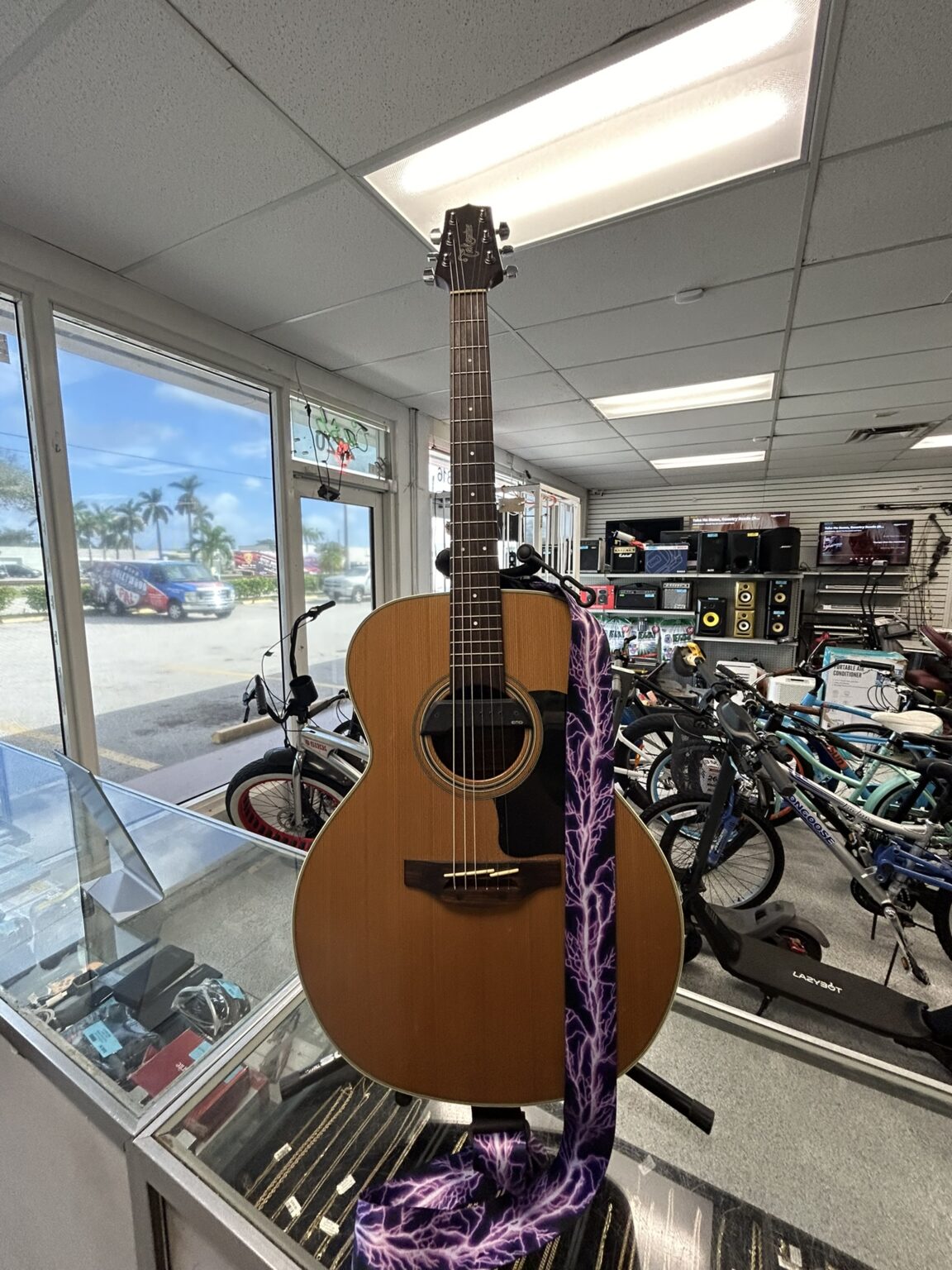
How to Find the Real Market Value
The most reliable method is to study recent completed sales for the exact guitar.
Step 1: Identify the exact guitar
Record:
- Brand
- Model
- Series
- Year, if known
- Finish color
- Number of strings
- Pickup type
- Country of manufacture
- Serial number
- Left-handed or right-handed design
- Included case
- Known repairs or modifications
Take clear photos of the front, back, headstock, bridge, electronics, serial number, and any damage.
If you cannot identify the model, ask a guitar shop or experienced repair technician. Do not remove parts or open the instrument if doing so could cause damage.
Step 2: Check several U.S. price sources
Use more than one source because each shows a different part of the market.
Useful sources include:
- Reverb Price Guide: helpful for recorded transaction data and model research
- eBay sold listings: useful for completed online sales
- Guitar Center Used: useful for dealer asking prices and model comparisons
- Sweetwater, Musician’s Friend, and manufacturer sites: useful for current new prices
- Local stores and classified listings: useful for regional demand
Search for the exact model plus terms such as:
- Sold
- Completed
- Used
- Original
- Excellent condition
- With case
Do not treat an unsold listing as proof of value. A seller may list a guitar for $1,000, but that does not mean buyers will pay $1,000.
Step 3: Remove unusual sales
Ignore listings that are not comparable. This includes:
- Parts-only guitars
- Damaged instruments
- Counterfeit items
- Bundles with several products
- Signed guitars
- Custom shop models
- Guitars with expensive cases
- Listings with unusually high shipping costs
- Auctions with no bids
- Listings that are still active
Choose at least three to five similar sold examples when possible.
Step 4: Calculate a price range
Add the comparable sale prices and divide by the number of sales. This gives a rough midpoint.
For example, suppose comparable guitars sold for:
- $475
- $500
- $525
- $550
The average is:
($475 + $500 + $525 + $550) ÷ 4 = $512.50
If your guitar has more wear than these examples, a fair estimate may be closer to $450. If it includes the original case and has fresh service, $525 or slightly more may be reasonable.
Use a range rather than a single exact number. Used-guitar markets are not precise enough to support false accuracy.
Step 5: Set the price based on your goal
Your best price depends on how quickly you want to sell.
| Selling goal | Suggested price |
|---|---|
| Sell very quickly | 10%–20% below typical sold prices |
| Fair private-sale price | Near the recent sale midpoint |
| Test the market | 5%–15% above the midpoint |
| Sell to a dealer | Often 20%–40% below private-sale value |
These are practical estimates, not rules. A rare guitar may need a specialist buyer. A common beginner guitar may need a low price to attract attention.

Private Sale, Trade-In, or Guitar Shop: Which Pays More?
A private sale usually produces the highest gross price. A dealer sale or trade-in is usually faster and simpler.
Private sale
A private seller may use Facebook Marketplace, Craigslist, OfferUp, Reverb, or local music groups.
Advantages:
- Higher possible selling price
- Direct contact with buyers
- More control over the listing
- No dealer margin
Disadvantages:
- More messages and negotiation
- Greater risk of scams
- Packing and shipping duties
- Possible returns or disputes on some platforms
- More time spent arranging a meeting
A private buyer may expect a discount for cosmetic wear, missing parts, or needed setup work.
Guitar shop sale
A shop may offer cash, consignment, or trade credit.
A direct cash offer is often lower because the store must cover:
- Staff time
- Testing and setup
- Repairs
- Rent and operating costs
- Inventory risk
- Payment fees
- Warranty or return obligations
- Profit
Consignment can produce more money than a direct sale, but payment may take longer. Ask about the store’s percentage, repair charges, listing period, and what happens if the guitar does not sell.
Trade-in
A trade-in can make sense when you already know what you want to buy. The shop may offer more trade credit than cash, but compare the full deal.
For example:
- Cash value for your guitar: $400
- Trade credit: $500
- Price of replacement guitar: $1,000
Your effective cost is $500 before tax and other fees. Compare that with selling privately for $550 and buying the replacement separately.
Online marketplace
Online sales offer access to more buyers. They also involve fees, shipping, insurance, and possible disputes. Calculate your net amount, not only the listing price.
Net proceeds = sale price − platform fees − payment fees − shipping − insurance − repair costs
A $700 sale may leave less than $600 after these costs. Check the current fee rules for the platform before listing because they can change.

How Condition Changes the Value of a Used Guitar
A guitar’s condition should describe both its looks and its function.
Like new
The guitar has little or no visible wear. The electronics work correctly. The neck is stable, the frets are clean, and the instrument may still have its original packaging or case.
This condition usually supports the highest price for a standard used model.
Very good
The guitar has minor marks from normal use. It plays well and needs no major repair. Small scratches, light fret wear, or replaced strings are common.
Most well-kept used guitars fall into this category.
Good
The guitar has visible wear but remains functional. It may need a setup, cleaning, or minor repair. The buyer should receive clear photos and a full description.
Fair
The guitar works, but it has clear problems. These may include heavy fret wear, noisy electronics, missing parts, finish damage, or a needed repair.
Price the guitar for a player who accepts repair costs.
Poor or project condition
The guitar may have structural damage, major electronic problems, a broken neck, or missing important parts. It may be worth selling as a project or for parts.
Do not describe a damaged guitar as “good condition” because it still makes sound. Structural problems can become costly and unsafe to repair.

Do Repairs Increase a Guitar’s Value?
Repairs can increase value when they restore basic playability, but they rarely return every dollar spent.
A basic setup may include:
- Adjusting neck relief
- Setting string height
- Adjusting intonation
- Cleaning the instrument
- Replacing strings
- Checking electronics
A setup can make a guitar easier to sell because buyers can test it properly. It may not increase the price by the full service cost.
Major repairs need more care. A professional neck repair may protect the value of a valuable instrument. On a low-cost guitar, the repair may cost more than the instrument is worth.
Before spending money, compare:
- The guitar’s likely value in its current state
- The repair estimate
- The likely value after repair
- The time needed to sell it
- The risk that another problem will appear
For example, a $150 guitar that needs a $200 repair may not be worth restoring for resale. A $2,000 vintage guitar may justify an evaluation by a qualified repair specialist.
Keep receipts and repair notes. Buyers are more likely to trust a documented professional repair than an unexplained claim that the guitar was “fixed.”

How Much Are Vintage and Rare Guitars Worth?
Vintage and rare guitars require a different valuation method. A standard percentage of current retail price may be misleading.
Value may depend on:
- Exact production year
- Original finish
- Original parts
- Factory options
- Serial number
- Provenance
- Repair history
- Rarity
- Recent auction and dealer sales
- Collector demand
A vintage guitar with replaced pickups or a refinished body may be worth much less than an all-original example. On the other hand, a clean professional repair may preserve much of its value.
For an instrument worth several thousand dollars, get more than one opinion. A respected vintage dealer, experienced appraiser, or repair shop can inspect the guitar in person. Ask whether the appraisal is for insurance, sale, estate planning, or tax purposes. The purpose can change the method and fee.
Be careful with claims such as “rare,” “investment grade,” or “one of the last made.” Ask for records that support those claims.

Common Mistakes When Pricing a Used Guitar
Using the original retail price
A guitar bought for $1,200 may not still be worth $1,200. Current new prices, model changes, and buyer demand matter more than the original receipt.
Counting every upgrade at full cost
A buyer may like upgraded pickups, but they may not pay the full installation price. Some buyers prefer original parts.
Comparing different models
A Mexican-made Fender, American-made Fender, Squier, and custom shop Fender are not interchangeable. Match the exact series and year when possible.
Trusting active listings
An asking price is a seller’s hope. A completed sale is stronger evidence.
Hiding defects
Undisclosed damage can lead to a return, dispute, or poor review. Honest photos usually help a guitar sell faster.
Forgetting selling costs
Fees, shipping, insurance, and repairs can reduce your final amount. Calculate the net proceeds before choosing a sales channel.
Cleaning too aggressively
Avoid harsh chemicals, excess moisture, and amateur refinishing. These can damage the finish or reduce originality. For valuable or vintage guitars, ask a qualified technician before making changes.
Meeting unsafe buyers
For local sales, use a public meeting place or a music store that allows transactions. Avoid unusual payment requests, overpayment schemes, and shipping requests from unverified buyers.

A Simple Used-Guitar Pricing Worksheet
Use this worksheet before you list the guitar.
Guitar identity
- Brand:
- Exact model:
- Year:
- Serial number:
- Country of manufacture:
- Original finish:
- Left-handed or right-handed:
- Case included:
Condition
- Body:
- Neck:
- Frets:
- Electronics:
- Hardware:
- Repairs:
- Missing parts:
- Modifications:
Market research
- Comparable sale 1:
- Comparable sale 2:
- Comparable sale 3:
- Comparable sale 4:
- Average sale price:
- Best condition adjustment:
- Expected private-sale range:
Selling costs
- Platform fee:
- Payment fee:
- Shipping:
- Insurance:
- Setup or repair:
- Expected net proceeds:
A useful listing price is often slightly above your target price. This leaves room for normal negotiation without setting an unrealistic anchor.

Key Takeaways
- Most used guitars sell for 30% to 70% of current new price.
- The exact model matters more than the broad brand name.
- Recent sold prices are better evidence than active listings.
- Condition, original parts, repairs, and the case can change the price.
- Private sales often pay more, while dealers offer speed and convenience.
- Calculate net proceeds after fees, shipping, and repairs.
- Vintage and rare guitars need specialist research and may not follow standard percentage rules.
- Be honest about damage and modifications.
Frequently Asked Questions
How much is a used guitar worth if I do not know the model?
Start with the headstock logo, body shape, hardware, serial number, and label inside the sound hole if it is an acoustic guitar. Search photos and model details from the manufacturer or ask a guitar shop. Do not price it until you know whether it is a low-cost copy, a standard production model, or a rare instrument.
Is a 10-year-old guitar still worth money?
Yes. Age alone does not determine value. A ten-year-old guitar in good condition may sell for a strong price if the model remains popular. A discontinued or poorly maintained model may be worth less.
Should I sell my guitar or trade it in?
Sell privately if you want the highest likely amount and can handle the time and risk. Trade it in if convenience matters more or if the store offers a fair credit value toward your next instrument.
Does a guitar case increase resale value?
Usually, yes, especially if it is the original hard case. The case may not add its full retail price, but it can protect the guitar during shipping and make the listing more attractive.
Can a guitar be worth more than its original price?
Yes. Rare vintage models, limited editions, discontinued instruments, and guitars with strong collector demand can rise in value. This is not true for most mass-produced guitars, so verify the exact model and recent sales.
Where can I get a professional guitar appraisal?
For a valuable or vintage guitar, contact a reputable vintage dealer, qualified luthier, established guitar shop, or professional appraiser. Ask what the appraisal covers and whether it is intended for sale, insurance, donation, or estate purposes.
Conclusion: Estimate the Range, Then Verify the Sale Price
The answer to “how much is a used guitar worth?” starts with the exact model and ends with recent U.S. sales data. Use the guitar’s current new price only as a guide. Check its condition, originality, repair history, and included accessories. Then compare several completed sales and subtract your selling costs.
For a common guitar, this process can give you a useful price range in less than an hour. For a vintage or high-value instrument, an in-person appraisal is often worth the cost.