

A shotgun mic is a highly directional microphone designed to capture sound from the front while reducing noise from the sides.
If you record interviews, films, podcasts, news clips, or outdoor video, understanding what is a shotgun mic can greatly improve your audio. This guide explains how shotgun microphones work, where to use them, their limits, and how to choose and position one with confidence.
What Is a Shotgun Mic?
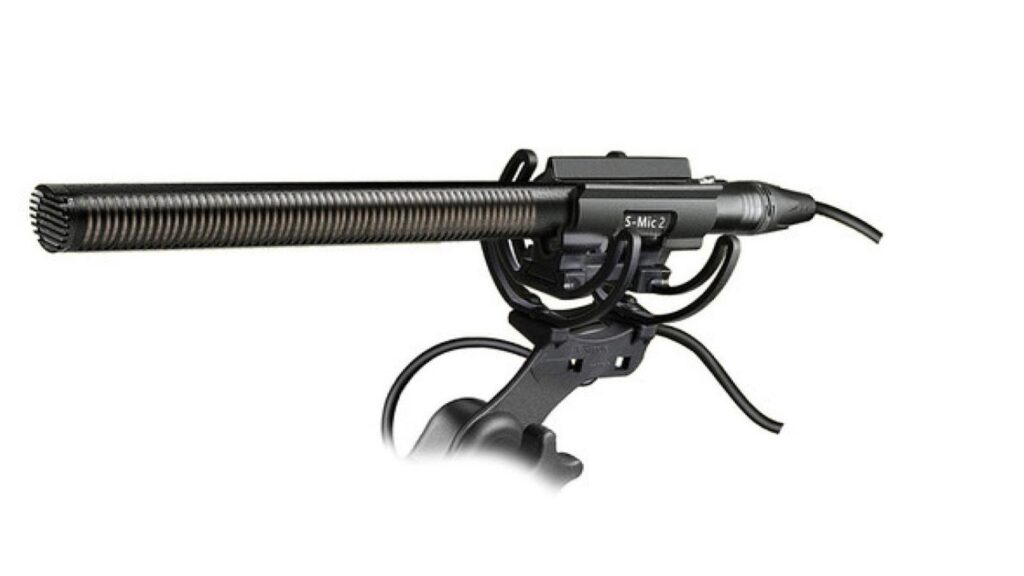
A shotgun mic is a long, narrow microphone built to pick up sound mainly from the direction it faces. It rejects much of the sound arriving from the sides and rear, which helps isolate a speaker’s voice from nearby noise.
The name comes from its shape. Like a shotgun barrel, the microphone has a slim body that points toward the sound source. However, it does not “zoom in” on sound. It still hears room noise, traffic, wind, and echoes when those sounds reach the microphone.
Most shotgun microphones use an interference tube. This tube has slots along its sides. Sound from the front reaches the microphone capsule in a direct path, while sound from the sides enters through the slots at slightly different times. These timing differences cause some side sounds to cancel out.
A shotgun mic is often called a directional microphone, but that phrase covers many designs. A shotgun mic usually has a supercardioid or lobar pickup pattern, making it more focused than a standard cardioid microphone.

How Does a Shotgun Mic Work?
The main parts of a shotgun mic work together to control sound direction.
The microphone capsule
The capsule changes sound waves into an electrical signal. In many professional shotgun microphones, the capsule is a condenser design. Condenser capsules are sensitive and detailed, so they can capture clear speech from a useful distance.
This sensitivity is helpful, but it also creates a trade-off. A sensitive microphone can pick up unwanted sounds if you place it too far away or point it poorly.
The interference tube
The interference tube is the long section in front of the capsule. Its slots create phase differences between sound waves that arrive from the sides.
When side sounds reach the capsule at different times, some frequencies cancel. Sound coming from the front travels more directly and remains stronger. This gives the shotgun mic its narrow pickup pattern.
The rear rejection system
A shotgun mic also reduces some sound from behind. The amount of rear rejection depends on the model, frequency, angle, and room. No microphone blocks all unwanted sound.
In a quiet outdoor space, a shotgun mic can isolate speech well. In a hard, echo-filled room, even a high-end model may capture reflections from walls, floors, and ceilings.
The output and power system
Many professional shotgun microphones use an XLR output. They often need 48-volt phantom power from a camera, audio recorder, or mixer.
Short camera-mounted models may use a 3.5-millimeter connector. Some use plug-in power, while others use a battery. Always check the microphone, camera, and cable requirements before recording.

What Is a Shotgun Mic Used For?
A shotgun mic is used when you need focused speech or sound from a specific direction. It is common in video production because it can sit just outside the camera frame while staying close to the speaker.
Common uses include:
• Film and television dialogue
• Documentary interviews
• News reporting
• YouTube videos
• Wedding and event videos
• Wildlife recording
• Sports broadcasts
• Theater and stage production
• Foley and sound effects
• Corporate training videos
A boom operator may hold the shotgun mic above or below the actors. The microphone stays close to the speaker but remains out of the camera’s view. This setup often sounds more natural than a microphone mounted on the camera.
A camera-mounted shotgun mic can also help. It is useful for reference audio, quick interviews, travel videos, and run-and-gun work. Still, a camera-mounted microphone is usually farther from the speaker than a boom microphone, so the sound may be thinner or noisier.
For professional dialogue, distance matters more than microphone price. A midrange shotgun mic placed close to the speaker can sound better than an expensive model mounted several feet away.

Shotgun Mic Pickup Patterns Explained
People often describe a shotgun mic as “long range.” This description can be misleading. A shotgun mic does not have a fixed maximum distance. Its useful range depends on the speaker’s volume, background noise, room acoustics, wind, and microphone placement.
The pickup pattern describes how well the microphone hears sound from different angles.
Front sensitivity
The front of a shotgun mic is the most sensitive area. Point the microphone toward the speaker’s mouth or upper chest, not directly at the top of the head.
Small changes in angle can affect clarity. A speaker who turns away from the microphone may sound quieter and less present.
Side rejection
A shotgun mic rejects many sounds from the sides, but its performance varies by frequency. It may reject some midrange noise well while allowing other low or high sounds through.
This means a passing truck, air conditioner, or nearby conversation may still appear in the recording. Directional pickup reduces unwanted sound; it does not erase it.
Rear rejection
The rear of the microphone is often less sensitive than the front. However, the exact pattern differs between models. Read the polar pattern chart when comparing microphones, especially if you record in noisy spaces.
Off-axis sound
Off-axis sound comes from outside the microphone’s main direction. Good shotgun microphones keep off-axis sound smooth and natural. Cheaper models may make side sounds thin, harsh, or strangely colored.
This matters when a speaker moves during an interview. A smooth off-axis response makes the voice sound more consistent as the person turns.
Shotgun Mic vs. Lavalier Mic
A shotgun mic and a lavalier mic solve different recording problems.
A shotgun mic is usually placed above, below, or in front of the speaker. A lavalier mic clips to the speaker’s clothing and stays close to the mouth.
Choose a shotgun mic when:
• You want a natural voice without a visible microphone
• You can place the microphone close to the speaker
• You are recording film scenes or interviews
• The speaker may move in and out of frame
• You need to record several people from one direction
Choose a lavalier mic when:
• The speaker moves a lot
• You need consistent volume
• The microphone must remain close to the mouth
• You are recording a presenter or wedding speaker
• The camera position makes boom placement difficult
A lavalier may pick up clothing rustle, necklace noise, and cable movement. A shotgun mic may capture more room sound if it is too far away. Many professional productions use both and record separate tracks for safety.

Shotgun Mic vs. Supercardioid Mic
A supercardioid microphone has a focused front pickup pattern, but it usually does not use a long interference tube. A shotgun mic often has a narrower pattern, especially at higher frequencies.
The difference is important indoors. In a small room with strong reflections, a short supercardioid microphone can sometimes sound more natural than a long shotgun mic. The long tube may react poorly to reflections from nearby walls.
A supercardioid mic can be a strong choice for indoor boom work, stage use, and controlled spaces. A shotgun mic often performs well outdoors, where there are fewer close reflections.
The best choice depends on the environment, not only the microphone label. Test both types when possible.

Benefits of Using a Shotgun Mic
A shotgun mic offers several practical advantages.
Focused sound
Its directional design helps place attention on the speaker. This can improve speech clarity when background noise comes from the sides.
Hidden placement
You can place a shotgun mic just outside the frame. This keeps the image clean and avoids the visible cable or microphone often seen with handheld or lavalier options.
Natural dialogue
When positioned correctly, a shotgun mic captures the voice from a short distance. This often sounds more open and natural than a small microphone clipped to clothing.
Flexible production use
One shotgun mic can work on a boom pole, stand, camera rig, or shock mount. This makes it useful across interviews, short films, events, and field recording.
Better control in postproduction
A clean, focused recording gives you more options when editing. You can adjust levels, reduce steady background noise, and mix the voice with music more effectively.
The biggest benefit comes from placement. A directional microphone cannot fix poor distance, bad room sound, or heavy wind after the recording is complete.

Limitations of a Shotgun Mic
A shotgun mic is powerful, but it is not magic.
It does not remove background noise
If traffic is directly behind the speaker, the microphone may still hear it. If a lawn mower is beside the microphone, side rejection may reduce the sound but not eliminate it.
It needs accurate aiming
The microphone must point toward the speaker. If it points too high, too low, or toward a nearby wall, the recording may lose clarity.
It can sound poor indoors
Long interference tubes may emphasize room reflections. In a small room with hard surfaces, a shotgun mic can produce a hollow or phasey sound.
It can be sensitive to handling noise
A boom pole, cable, camera mount, or hand movement can create rumble. Use a proper shock mount and avoid touching the microphone during recording.
It needs wind protection
Outdoor wind can overload the microphone and create deep rumble. A thin foam cover is rarely enough in strong wind. Use a furry wind cover or a blimp system when conditions require it.
It may need extra equipment
Professional use may require a boom pole, shock mount, XLR cable, recorder, headphones, batteries, and wind protection. The microphone is only one part of the audio system.
How to Use a Shotgun Mic Correctly
Follow these steps for cleaner recordings.
Place the microphone as close as possible without entering the frame. Closer placement usually improves voice clarity and reduces room noise.
Aim at the speaker’s chest or mouth area. Avoid pointing far above the head or at the floor.
Keep the microphone slightly off to one side when possible. This can reduce breath noise and make the placement less obvious.
Use a shock mount. It helps isolate the microphone from bumps, cable movement, and boom handling.
Monitor with headphones. Your ears can reveal wind, clothing noise, distortion, and unwanted voices before the recording ends.
Set proper recording levels. Leave headroom for loud speech. Digital clipping cannot be repaired well after recording.
Protect the microphone from wind. Start with foam in light air and use stronger protection in outdoor conditions.
Record room tone. Capture 30 to 60 seconds of the location without speech. This helps editors create smoother cuts.
Keep the cable secure. A loose cable can tap the pole or brush against clothing.
Test before the main take. A short test can save an entire interview or scene.
A useful field lesson is simple: move the microphone before raising the gain. Increasing gain makes the desired voice louder, but it also makes room noise louder. Distance is often the most important control.
Choosing the Right Shotgun Mic
When comparing a shotgun mic, focus on the job rather than the brand name.
Consider the recording space
For outdoor work, look for strong wind protection options and good off-axis rejection. For indoor work, consider a shorter shotgun mic or a supercardioid microphone.
Check the connector
An XLR microphone suits a recorder, mixer, or professional camera with balanced inputs. A 3.5-millimeter model may suit a consumer camera, phone adapter, or compact recorder.
Check power needs
Find out whether the microphone uses phantom power, plug-in power, or a battery. A microphone that cannot receive the required power will not work correctly.
Compare self-noise
Self-noise is the microphone’s internal noise. Lower self-noise is useful for quiet dialogue, nature recording, and soft voices.
Review sensitivity
A sensitive microphone can produce a strong signal, but it may also capture more unwanted sound. Sensitivity should match your recorder and recording environment.
Look at off-axis response
A smooth off-axis response helps voices sound natural when the speaker moves. Polar charts and reliable audio tests can help you compare models.
Think about size
A longer shotgun mic may offer stronger directionality at some frequencies, but it can be harder to use indoors and more difficult to balance on a boom. A compact model may be easier for travel and camera mounting.
Do not assume the most expensive shotgun mic is automatically the best choice. A microphone that suits your room, recorder, and workflow will usually deliver better results.
Common Shotgun Mic Mistakes
Many poor recordings come from setup mistakes, not bad microphones.
Mounting the mic on the camera for every shot
A camera-mounted shotgun mic is convenient, but it may sit too far from the speaker. Use a boom or stand when you need stronger dialogue.
Using a shotgun mic in a reflective room
Hard walls and floors create echoes. Move closer, add soft materials, or try a shorter directional microphone.
Forgetting wind protection
Even a light breeze can ruin outdoor audio. Check the recording with headphones before the main take.
Pointing at the wrong place
Aim toward the speaker’s mouth area. A few inches of angle can change the tone.
Holding the boom too far away
The microphone should be close but out of frame. If it is several feet above the person, the room becomes part of the recording.
Ignoring clothing and movement noise
A boom microphone can hear footsteps, pole movement, and cable taps. Use a shock mount and handle the boom gently.
Recording without headphones
Meters show volume, not sound quality. Headphones reveal problems that meters cannot show.
Shotgun Mic Accessories You May Need
The right accessories make a major difference.
• Boom pole: Lets you position the microphone above or below the frame.
• Shock mount: Reduces handling and vibration noise.
• Foam windscreen: Helps with light air movement and protects the capsule.
• Furry wind cover: Reduces stronger outdoor wind.
• Blimp system: Provides stronger wind protection for professional field work.
• XLR cable: Carries a balanced audio signal to compatible recorders and cameras.
• Headphones: Help you hear noise, distortion, and changes in microphone position.
• Portable recorder: Supplies preamps, power, and recording storage.
• Stand or microphone arm: Keeps the microphone fixed during interviews or studio work.
• Spare batteries: Useful for microphones and recorders that rely on battery power.
Avoid buying every accessory at once. Start with a suitable microphone, shock mount, headphones, and basic wind protection. Add a boom pole and recorder when your projects require them.
How Much Does a Shotgun Mic Cost?
Shotgun mic prices range from low-cost camera models to professional broadcast equipment. A basic model may work for casual videos, while higher-end microphones offer lower noise, stronger build quality, better off-axis sound, and more reliable performance.
Price does not determine the final result by itself. A budget shotgun mic placed close to a speaker can outperform a premium model placed far away in a noisy room.
Plan for the whole setup. You may need to budget for:
• Microphone
• Recorder or camera input
• Shock mount
• Boom pole
• XLR cable
• Headphones
• Wind protection
• Batteries or power supplies
For a beginner, good placement and monitoring are often more valuable than immediately buying an expensive microphone.
Frequently Asked Questions About What Is a Shotgun Mic
What is a shotgun mic used for?
A shotgun mic is used to capture focused sound from the direction it faces. It is common for film dialogue, interviews, news, documentaries, events, and outdoor recordings.
Is a shotgun mic better than a regular microphone?
A shotgun mic is better when you need directional pickup and can aim it toward the sound source. It is not always better in a reflective indoor room or when the speaker moves unpredictably.
Can a shotgun mic remove background noise?
No, a shotgun mic cannot remove all background noise. It reduces sound from some angles, but nearby, loud, or reflected sounds may still appear in the recording.
Can you use a shotgun mic indoors?
Yes, but the result depends on the room. In small rooms with hard surfaces, a short shotgun mic or supercardioid microphone may sound more natural than a long shotgun mic.
Does a shotgun mic need phantom power?
Many professional XLR shotgun microphones need 48-volt phantom power. Some compact models use batteries or plug-in power, so check the manufacturer’s specifications before connecting the microphone.
How close should a shotgun mic be?
Place the shotgun mic as close as possible without letting it enter the camera frame. For many video scenes, positioning it roughly 12 to 24 inches from the speaker can produce a clearer voice, but the ideal distance depends on the lens, room, and scene.
Can a shotgun mic work with a smartphone?
Yes, with the correct adapter and power setup. Some compact shotgun microphones are made for phones, while professional XLR models need a compatible audio interface or recorder.
Conclusion
A shotgun mic is a directional microphone that helps capture focused speech while reducing some sound from the sides and rear. Its interference tube, narrow pickup pattern, and flexible mounting options make it a valuable tool for video, film, interviews, and field recording.
The best results come from close placement, careful aiming, wind protection, and headphone monitoring. Remember that a shotgun mic does not zoom in on sound or erase background noise. Choose the microphone and accessories that fit your space, recorder, and production style, then test your setup before the important take. Explore more audio guides, practice with your equipment, and share your recording questions in the comments.