

Most acoustic guitars cost $100 to $3,000, with solid beginner and pro models spanning much wider ranges.
The answer depends on the guitar’s materials, build quality, brand, size, and features. After comparing entry-level, mid-range, and professional instruments, I’ve found that the best value often sits between $300 and $900. This guide explains how much does an acoustic guitar cost, what you get at each price, and how to avoid paying for features you do not need.

Acoustic guitar price ranges at a glance
For most buyers in the United States, acoustic guitar prices fall into five broad groups. These ranges apply to new guitars before sales tax, shipping, and accessories.
| Price range | Typical guitar type | What to expect |
|---|---|---|
| $50 to $150 | Basic beginner guitar | Simple materials, basic setup, limited long-term durability |
| $150 to $350 | Better beginner guitar | Improved comfort, tone, and quality control |
| $350 to $900 | Intermediate guitar | Better woods, stronger construction, more balanced sound |
| $900 to $2,000 | Advanced guitar | Higher-grade materials, careful setup, strong projection |
| $2,000 and above | Professional or boutique guitar | Premium woods, detailed craftsmanship, unique tone |
So, how much does an acoustic guitar cost for a new player? A dependable first guitar usually costs between $200 and $500. You can spend less, but very cheap guitars may have high action, tuning problems, or sharp fret edges.
A guitar priced at $600 is not always three times better than one priced at $200. However, it may feel better, stay in tune longer, sound richer, and remain useful as your skills grow. Think of the price like buying a pair of shoes: the cheapest pair may work, but the right fit makes every step easier.

How much does an acoustic guitar cost by player level?
Your playing level is one of the best ways to set a realistic budget. A new player needs comfort and reliability more than rare wood or advanced electronics. An experienced player may care more about tone, projection, neck shape, and long-term value.
Beginner acoustic guitars: $100 to $350
Beginner guitars in this range often use laminated wood. Laminate is made from thin layers of wood pressed together. It is less sensitive to humidity and usually costs less than solid wood.
A good beginner guitar should have:
• Comfortable string height, also called action
• Frets with smooth edges
• Tuners that hold pitch
• A neck that feels straight
• A body size that suits your arms and posture
• A clear return policy
Many respected beginner models cost about $200 to $350. They may not have the rich, complex tone of a professional guitar, but they can be excellent learning tools.
Intermediate acoustic guitars: $350 to $900
This range is often the sweet spot for value. Many guitars use a solid spruce or cedar top with laminated back and sides. A solid top can vibrate more freely and may sound better as it ages.
At this price, you may also get:
• Better fretwork
• More stable tuning machines
• Improved bracing
• A smoother neck
• A padded gig bag or hard case
• Optional pickup systems
For many players, how much does an acoustic guitar cost becomes less important than how well the instrument supports regular practice. A comfortable $500 guitar can inspire more playing than an uncomfortable $1,500 guitar.
Advanced and professional guitars: $900 and above
Professional acoustic guitars often use solid wood throughout the body. They may include hand-voiced bracing, premium fretwork, carefully selected wood, and detailed finish work.
The price can rise quickly because skilled labor takes time. Small details, such as the shape of the neck, the balance between bass and treble, and the way the top responds to a light touch, can make a major difference.
Still, expensive does not mean perfect for everyone. A large dreadnought may sound powerful but feel awkward for a smaller player. A smaller concert body may feel easy to play but produce less bass.

What affects the price of an acoustic guitar?
The question “how much does an acoustic guitar cost?” has no single answer because several parts influence the final price. Understanding these parts helps you compare guitars fairly.
Wood and construction
The top has a major effect on sound. Spruce is common because it offers strong projection and a wide dynamic range. Cedar often produces a warmer tone and responds well to gentle fingerpicking.
Solid wood usually costs more than laminate. It can offer greater tonal depth, but it also needs more care. Changes in humidity may cause cracks, swelling, or neck movement.
The back and sides also matter, but the top often has the largest effect on how the guitar responds. Common tonewoods include mahogany, rosewood, maple, sapele, and ovangkol. Each has a different balance of warmth, brightness, sustain, and projection.
Brand and quality control
Established brands often charge more because they invest in design, quality checks, warranty service, and distribution. You are not paying only for the logo. You are also paying for a more consistent chance of receiving a well-built instrument.
That said, smaller brands can offer strong value. A less famous guitar may perform very well if it has good fretwork, stable construction, and a proper setup.
Body shape and size
Dreadnought guitars are large and often provide strong bass and volume. Concert and orchestra shapes are usually more balanced. Parlor guitars are smaller and can suit folk, blues, and casual playing.
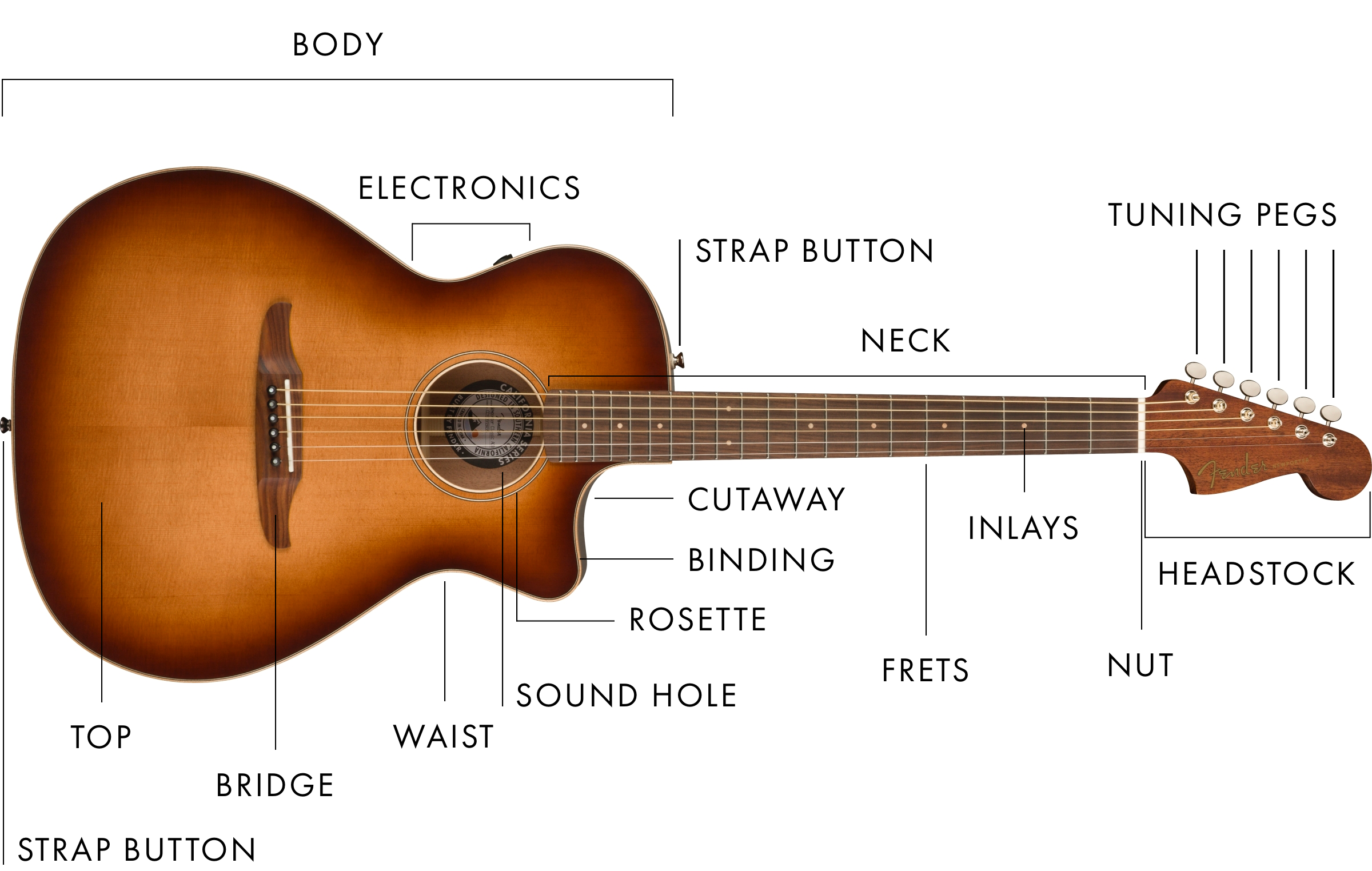
Cutaway bodies allow easier access to higher frets. They may raise the price slightly, especially when combined with built-in electronics.
Electronics
An acoustic electric guitar has a pickup and preamp for use with an amplifier or sound system. This feature can add $50 to $300 or more to the price.
If you only play at home, electronics may not be necessary. If you perform, record, or attend open-mic nights, a built-in pickup can be very useful.
Setup and final inspection
A guitar can have excellent materials and still play poorly if it leaves the factory with a bad setup. A professional setup may adjust the truss rod, saddle, nut, and action.
A basic setup often costs $50 to $100. Complex repairs can cost much more. Include this possible cost when deciding how much does an acoustic guitar cost for your first purchase.

New versus used acoustic guitar prices
Used guitars can offer excellent value. A guitar that sells new for $700 may appear used for $400 to $550, depending on its condition, age, brand, and local demand.
Before buying used, inspect these areas:
• Look for cracks near the bridge and neck
• Check whether the bridge is lifting
• Examine the top for severe bulging
• Sight down the neck for major bends
• Test every fret for buzzing
• Turn each tuning machine
• Confirm that the truss rod still works
• Check for missing parts or poor repairs
A few small scratches are normal. Structural damage is more serious. A repaired crack may be safe, but you should ask who completed the repair and whether the guitar has remained stable.
The used market also changes by location. Popular brands may hold value well, while unusual models can sell for much less. If you know how much does an acoustic guitar cost when new, you can judge whether a used price is fair.
Buying used from a music store usually gives you more protection than buying from a stranger online. Stores may offer a return period, inspection, or limited warranty. Private sales can cost less, but they require more careful checking.

Hidden costs beyond the guitar
The guitar is only part of the budget. New players often focus on the instrument price and forget the small items needed to play comfortably.
Plan for these possible costs:
• Gig bag: $30 to $100
• Hard case: $100 to $300
• Tuner: $10 to $30
• Extra strings: $6 to $20 per set
• Picks: $3 to $10
• Strap: $10 to $40
• Capo: $15 to $40
• Humidifier: $15 to $40
• Professional setup: $50 to $150
• Acoustic amplifier: $150 to $600
A simple beginner package may cost $250 for the guitar and another $50 to $100 for basic gear. A performance-ready setup can easily cost $1,000 or more.
Strings are a small but regular expense. Most players should replace them when they sound dull, feel rough, or stop staying in tune. How often you change them depends on sweat, playing time, string type, and personal preference.
Humidity control is especially important for solid wood guitars. Most acoustic guitars do best in a stable indoor environment. A basic room humidifier or case humidifier may prevent expensive repairs.
How to choose the right acoustic guitar budget
Start with your purpose, not the highest amount you can spend. A beginner who plays at home does not need the same guitar as a touring performer.
Use this simple process:
- Decide where you will play. Home use, church, stage, and studio work may require different features.
- Choose a comfortable body size. Comfort affects practice time more than brand prestige.
- Set an all-in budget. Include a case, tuner, strings, and possible setup work.
- Try several guitars. Play the same chords and songs on each one.
- Check the action and tuning stability. The guitar should feel easy, not like a workout.
- Listen from several positions. A guitar may sound different from behind it than it does in front.
- Buy from a seller with a clear return policy. This gives you time to notice problems at home.
A useful budget rule is to spend enough to get reliable construction and comfortable playability. For many beginners, that means $250 to $500 for the guitar itself. If you already know you will practice often, moving toward $500 to $900 may provide more room to grow.
One common mistake is choosing a guitar only because it looks beautiful. I have seen players become frustrated with attractive instruments that had high action or a neck that did not fit their hands. Looks matter, but comfort should win the final vote.

Ways to save money on an acoustic guitar
You do not need to spend thousands of dollars to get a good instrument. Smart shopping can reduce the cost without sacrificing playability.
Try these methods:
• Shop during holiday sales and end-of-year clearance events
• Compare authorized dealers, local stores, and used listings
• Consider a model from the previous year
• Choose a laminate back and sides with a solid top
• Buy a guitar without electronics if you do not perform
• Ask whether a store includes a setup
• Inspect open-box guitars carefully
• Compare the total price, including shipping and taxes
Avoid buying the absolute cheapest guitar without checking it first. Repair costs can erase the savings. A $120 guitar that needs $100 of fret and setup work may be a worse deal than a well-adjusted $250 model.
Rental programs can also help. Some music stores apply part of the rental fee toward a future purchase. This is useful when you are unsure whether you will continue playing.
Another practical option is a quality factory-second guitar. These instruments may have small cosmetic marks but can work well. Confirm the warranty terms before paying.

Is an expensive acoustic guitar worth it?
An expensive guitar can be worth the money when it offers clear benefits that match your needs. These benefits may include better tone, more comfortable playability, stronger resale value, and improved reliability.
However, the improvement is not always easy to measure. A $2,000 guitar may sound only slightly better to a new player. An experienced guitarist may notice its response, sustain, balance, and sensitivity much sooner.
The law of diminishing returns matters here. Moving from a $100 guitar to a $300 guitar can produce a large improvement. Moving from $1,000 to $2,000 may produce a smaller improvement that mainly matters to serious players.
Before spending more, ask:
• Does the guitar feel better than cheaper models?
• Can you hear a difference without looking at the price tag?
• Will you use the extra features?
• Can you afford maintenance and proper storage?
• Does the seller provide support if something goes wrong?
The best guitar is not always the most expensive. It is the one that makes you want to pick it up again tomorrow.

Common mistakes when buying an acoustic guitar
Many buying mistakes are easy to avoid with a short inspection and a little patience.
The first mistake is ignoring playability. High action can make simple chords painful. Some action problems can be fixed, but severe neck or fret issues may cost too much to repair.
The second mistake is choosing a body that is too large. A dreadnought may have impressive volume, but it can strain your shoulder or wrist. Sit with the guitar for at least several minutes before deciding.
The third mistake is trusting online reviews alone. Reviews can show patterns, but each guitar is a physical object. Two guitars of the same model may feel slightly different.
The fourth mistake is skipping the return policy. Even a respected brand can have an instrument that needs adjustment. A return window gives you protection while you learn how the guitar behaves.
Finally, do not confuse brightness with quality. A guitar may sound loud and bright in a store but become tiring over time. Listen for balance, clarity, and a tone you enjoy.
How to care for an acoustic guitar
Good care protects your investment and helps the guitar stay stable. Wipe the strings and finish with a clean, dry cloth after playing. Keep the guitar away from heaters, air-conditioning vents, direct sunlight, and hot cars.
Store the guitar in a case or sturdy stand. A case offers better protection, especially when children, pets, or busy rooms are involved.
Keep indoor humidity reasonably stable. Many guitar makers recommend roughly 45% to 55% relative humidity, though the exact guidance can vary by instrument and region. A small digital hygrometer can help you monitor the room or case.
Have the guitar inspected if you notice:
• New buzzing
• A lifting bridge
• A sudden change in action
• Cracks in the top or sides
• Tuning problems
• A loose endpin or strap button
Early service is often cheaper than major repair. This is one reason the true answer to how much does an acoustic guitar cost should include long-term care.
Frequently Asked Questions About How Much Does an Acoustic Guitar Cost
How much does an acoustic guitar cost for a beginner?
A dependable beginner acoustic guitar usually costs $200 to $500. Basic models may cost less, but check the action, fret edges, tuning stability, and return policy before buying.
Is a $100 acoustic guitar worth buying?
A $100 acoustic guitar can be useful for casual practice, but quality varies widely. If possible, compare it with models near $200 to see whether the extra comfort and better setup justify the difference.
How much does an acoustic guitar cost with accessories?
A realistic starter budget is often $300 to $650 when you include a guitar, gig bag, tuner, picks, strap, strings, and possible setup work. A hard case or pickup system can increase the total.
Are expensive acoustic guitars easier to play?
They can be easier to play because they often have better fretwork, smoother necks, and more consistent setups. Price alone does not guarantee comfort, so always test the instrument or buy from a seller with a good return policy.
Do acoustic guitars become more valuable with age?
Some high-quality vintage and limited-production guitars gain value, but most do not automatically appreciate. Condition, brand, model, originality, demand, and repair history all affect resale value.
Should I buy a solid wood acoustic guitar?
A solid wood guitar can offer a more responsive and complex tone, especially as it ages. It also needs more careful humidity control, so it may not be the best choice for every player or climate.
How much does an acoustic guitar cost for professional use?
Professional acoustic guitars commonly cost $1,000 to $5,000, with boutique and custom instruments reaching much higher prices. Serious players should focus on tone, projection, comfort, reliability, and service support rather than price alone.
Conclusion
So, how much does an acoustic guitar cost? Expect about $100 to $350 for basic beginner models, $350 to $900 for strong mid-range choices, and $900 or more for advanced and professional instruments. Remember to budget for a case, strings, setup, and humidity care.
For most new players, a comfortable guitar around $250 to $500 is a smart starting point. Try several body sizes, inspect the build, and choose the instrument that feels inviting in your hands. Explore local music stores and trusted used listings, then share your experience or questions in the comments.