

An electro acoustic guitar is an acoustic guitar with built-in electronics for playing through an amplifier or sound system.
If you enjoy the warm, natural tone of an acoustic guitar but also want more volume and control, an electro acoustic guitar can offer the best of both worlds. After testing and comparing acoustic-electric setups in home practice, live shows, and recording sessions, I have found that the right instrument can sound rich unplugged and clear when amplified. This guide explains what an electro acoustic guitar is, how it works, its benefits and limits, and how to choose one with confidence.

What Is an Electro Acoustic Guitar?
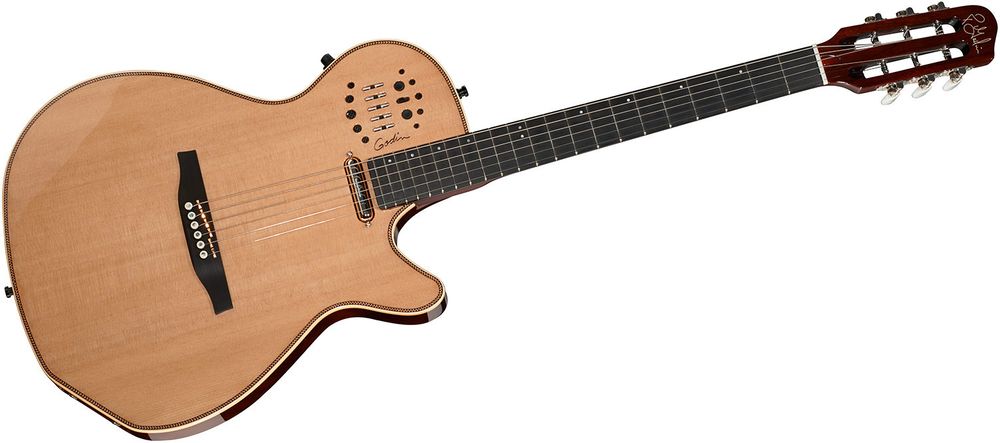
An electro acoustic guitar is a standard acoustic guitar fitted with electronic parts. These parts let you connect the guitar to an amplifier, PA system, audio interface, or mixer.
When you play it without a cable, it works like a normal acoustic guitar. The strings vibrate over the guitar’s bridge, and the body creates the loud, full sound you hear. When you plug it in, a pickup captures the string vibration and sends the signal to external audio equipment.
The term “electro acoustic guitar” is common in the UK and many other regions. In the United States, people often call the same instrument an “acoustic-electric guitar.” Both terms usually describe the same basic design.
An electro acoustic guitar may include:
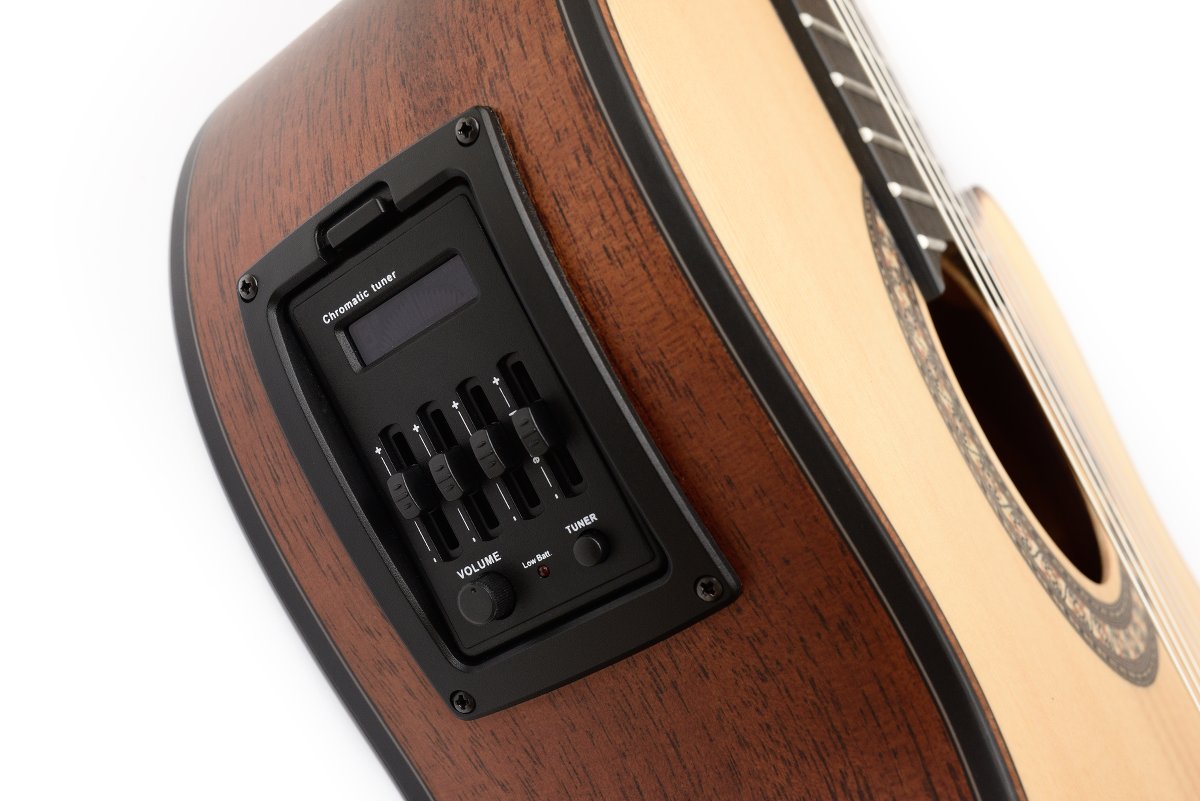
• A pickup to capture the string sound
• A preamp to strengthen and shape the signal
• A volume control
• An onboard tuner
• Tone controls for bass, middle, and treble
• A battery compartment
• An output jack for a guitar cable
In simple terms, an electro acoustic guitar is an acoustic guitar with a built-in sound system. Think of it as a natural acoustic voice with a small microphone inside.

How Does an Electro Acoustic Guitar Work?
An electro acoustic guitar uses a pickup system to turn string movement into an electrical signal. That signal travels through a cable to an amplifier or another audio device.
The pickup does not create the guitar’s tone by itself. The guitar’s wood, body shape, strings, bridge, and playing style still affect the sound. The pickup simply detects the vibration and converts it into a form that audio equipment can use.
Most systems include a preamp. A preamp boosts the weak signal from the pickup and often gives you basic controls. Many preamps also include a tuner, which can be helpful before practice or a performance.
The main pickup types are:
Piezo pickups
Piezo pickups sit under the bridge saddle. They detect pressure and vibration from the strings.
They are common because they are slim, reliable, and resistant to feedback. However, a piezo pickup can sound bright or slightly sharp when used without careful adjustment. Many modern systems add signal processing to make the tone more natural.
Undersaddle pickups
An undersaddle pickup is a type of piezo pickup. It sits beneath the saddle, the small strip that transfers string vibration to the guitar’s top.
This design is popular in stage guitars. It keeps the guitar’s appearance clean and usually provides strong feedback control.
Soundhole pickups
A soundhole pickup clips into the guitar’s soundhole. It senses the magnetic movement of steel strings, much like an electric guitar pickup.
Soundhole pickups are easy to install and remove. They can sound warm and powerful, but they may block part of the soundhole and are usually not suitable for nylon strings.
Internal microphones
Some electro acoustic guitars use a small microphone inside the body. A microphone can capture a more natural air sound than a piezo pickup.
The tradeoff is feedback. Internal microphones often need careful placement and sound control, especially on loud stages.
Hybrid pickup systems
Many high-quality electro acoustic guitars combine a piezo pickup with an internal microphone. This gives players more control over warmth, detail, and stage volume.
In my experience, hybrid systems can sound more natural than basic piezo systems. Still, they often cost more and require more setup knowledge.
What Is the Difference Between an Acoustic and Electro Acoustic Guitar?
The main difference is built-in amplification. A regular acoustic guitar usually needs an external microphone or a separate pickup before you can connect it to a sound system. An electro acoustic guitar already has the required electronics installed.
Both guitars can sound similar when played unplugged. The acoustic body still creates the primary sound. The electronic system only becomes active when you connect a cable.
Here is a simple comparison:
| Feature | Acoustic guitar | Electro acoustic guitar |
|---|---|---|
| Unplugged sound | Yes | Yes |
| Built-in pickup | Usually no | Yes |
| Direct connection to an amp | No | Yes |
| Onboard tuner | Rare | Often included |
| Stage use | Needs a microphone | Easy to plug in |
| Battery needed | No | Usually yes when plugged in |
An electro acoustic guitar does not automatically sound better than a regular acoustic guitar. Its main advantage is flexibility. It works well for private playing, open mics, church music, concerts, recording, and band settings.

What Are the Benefits of an Electro Acoustic Guitar?
An electro acoustic guitar can be useful for beginners, songwriters, performers, and experienced players. Its value depends on how you plan to use it.
Easy live performance
You can connect an electro acoustic guitar directly to a PA system or acoustic amplifier. This is often faster and more consistent than placing a microphone in front of the guitar.
A direct connection also lets you move around the stage. You do not need to stay close to a microphone to maintain your volume.
Better volume in a band
An unamplified acoustic guitar can disappear behind drums, electric guitars, keyboards, or loud vocals. An electro acoustic guitar gives you a stronger and more controlled signal.
A sound engineer can adjust your volume without placing a microphone near your instrument. This makes it easier to balance the whole band.
Built-in tuner
Many electro acoustic guitars include a chromatic tuner. This is useful because guitar strings can shift out of tune during practice, travel, weather changes, or a performance.
A built-in tuner also reduces the need to carry extra equipment. However, compare its reading with a reliable external tuner from time to time.
Flexible tone control
Many preamps include bass, middle, and treble controls. You can reduce harsh high tones, add body, or cut excess bass.
These controls cannot fix every problem. A poor pickup, bad strings, or incorrect setup may still sound weak. Tone controls work best as small adjustments, not as a cure-all.
Useful for recording
You can connect an electro acoustic guitar to an audio interface. This gives you a clean direct signal for recording.
Many producers record both the direct signal and a microphone. The direct track offers clarity, while the microphone adds natural air and body. Blending both tracks can create a fuller guitar sound.
Good for travel and songwriting
An electro acoustic guitar is ready for many situations. You can play it unplugged in a living room, then plug it into a small speaker at a coffee shop or rehearsal space.
That flexibility is one reason many working musicians choose this type of guitar.
What Are the Limitations of an Electro Acoustic Guitar?
An electro acoustic guitar is not perfect. Understanding its limits can help you avoid disappointment.
Electronics need power
Most active pickup systems use a 9-volt battery or a small button battery. If the battery dies, the guitar may still sound fine unplugged, but it will not send a usable amplified signal.
I have seen players arrive at a rehearsal with a great guitar and no working battery. Keep a spare battery in your case, and unplug the cable when you are not playing. Some systems use power whenever a cable remains connected.
Amplified tone can differ from unplugged tone
A guitar may sound warm and balanced in your hands but thin or bright through a PA system. This happens because the pickup hears the guitar in a different way than your ears do.
Room acoustics, strings, cables, preamp settings, speakers, and the mixing desk all affect the result. Always test an electro acoustic guitar through equipment similar to what you will use on stage.
Feedback can occur
Feedback happens when amplified sound from the speaker re-enters the guitar and creates a loud ringing tone. It is more common with microphones and hollow acoustic bodies.
To reduce feedback:
• Keep the guitar away from the main speaker
• Avoid pointing the guitar’s soundhole at the speaker
• Lower excessive bass
• Use a soundhole cover when suitable
• Ask the sound engineer to reduce problem frequencies
Electronics can require repairs
Pickups, jacks, preamps, and wiring can wear out or become loose. A crackling output jack may result from dirt, a loose nut, or damaged wiring.
Choose a guitar with accessible replacement parts. Before buying a used instrument, plug it in and gently move the cable near the jack. Any crackle or signal loss deserves attention.
Added cost
An electro acoustic guitar usually costs more than a similar acoustic guitar without electronics. You are paying for the pickup, preamp, tuner, wiring, and installation.
If you only play at home, a regular acoustic guitar may provide better value. If you perform or record, the added cost may be worthwhile.

How to Choose an Electro Acoustic Guitar
Choosing an electro acoustic guitar is easier when you focus on your playing needs instead of brand names alone.
Choose the right body shape
The body shape affects comfort, volume, and tone.
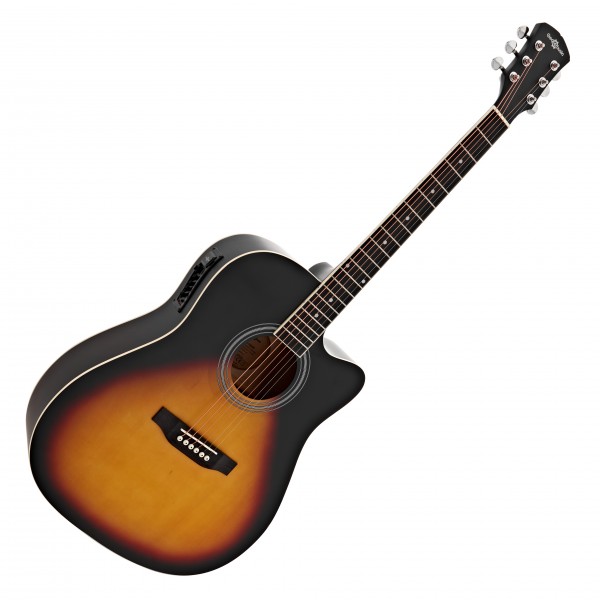
• Dreadnought guitars have strong bass and loud projection. They work well for strumming.
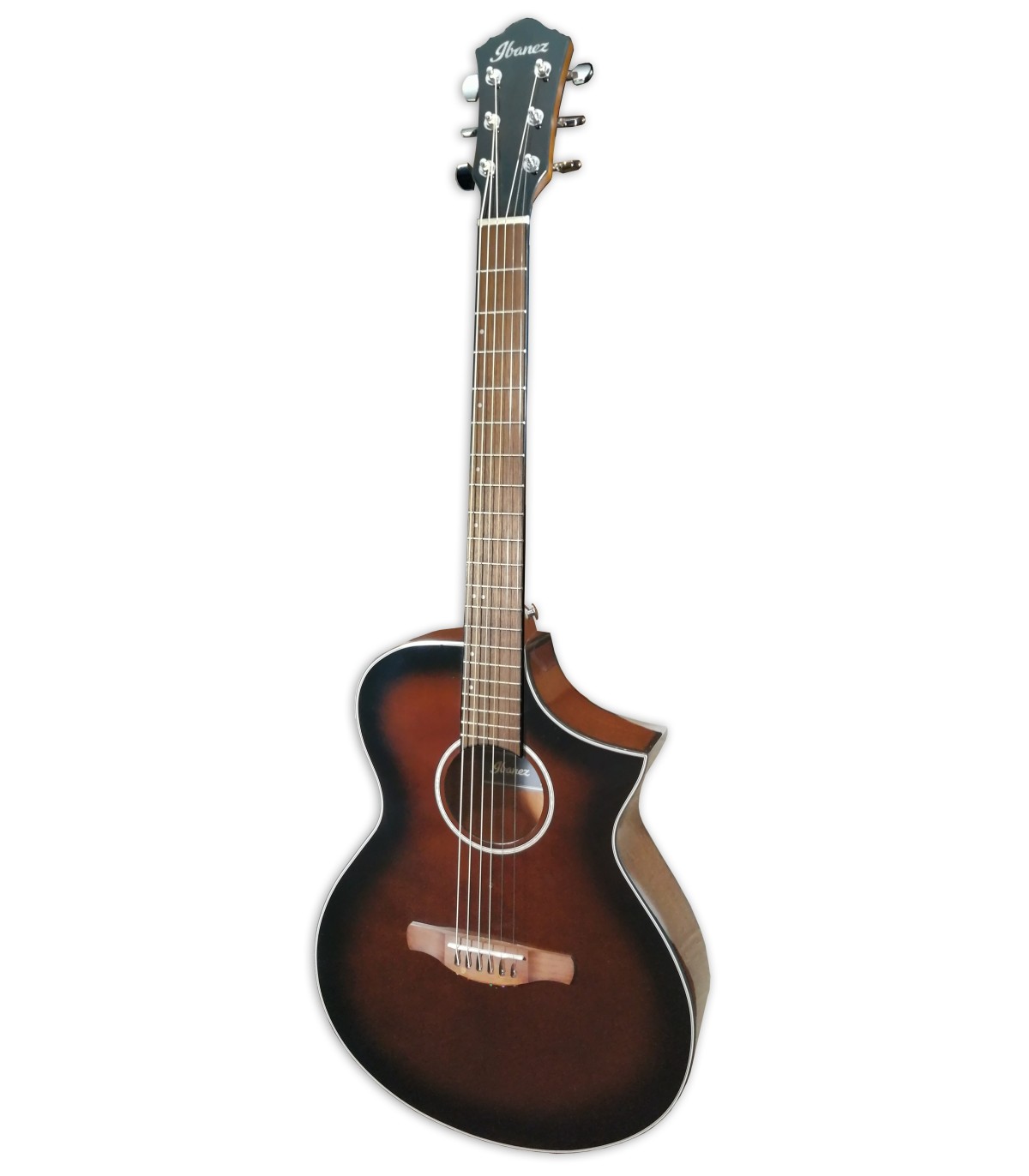
• Concert and orchestra models feel comfortable and often offer a balanced tone.
• Grand auditorium guitars provide a useful mix of strumming power and fingerstyle detail.
• Parlor guitars are smaller and comfortable for travel or players with a smaller frame.
• Jumbo guitars produce a large, powerful sound but may feel less comfortable for some players.
Try sitting with the guitar for at least several minutes. A guitar that feels uncomfortable may reduce your practice time, even if it sounds excellent.
Check the neck and action
The action is the distance between the strings and the fretboard. High action can make chords harder to play. Very low action can cause fret buzz.
Look for:
• Comfortable string height
• Smooth fret ends
• A straight or properly adjusted neck
• Easy access to higher frets
• No serious buzzing across several frets
A professional setup can improve many guitars. Still, avoid buying an instrument with major structural damage and assuming a simple setup will solve it.
Test the unplugged sound
Play open chords, single notes, fingerpicked patterns, and strong strums. Listen for balance across the strings.
The guitar should not have an extremely loud bass string and weak treble strings unless that sound suits your style. Also listen for rattles, buzzing, or unusual noises.
Test the plugged-in sound
Use a clean acoustic amp or PA system. Start with the preamp controls in the middle position.
Test:
• Soft fingerpicking
• Medium strumming
• Hard strumming
• Different pickup blend settings
• The onboard tuner
• The output jack
A guitar that sounds good only at one volume level may need a better setup or a more advanced pickup system.
Consider your string type
Most steel-string electro acoustic guitars use steel strings. Nylon-string guitars need a pickup designed for nylon strings because nylon does not work with standard magnetic soundhole pickups.
Use the string type recommended by the manufacturer. Incorrect strings can affect tension, tone, setup, and even the guitar’s structure.
Look at the controls
A simple preamp may include only volume and tone. More advanced systems may add a tuner, microphone blend, phase switch, notch filter, or built-in effects.
More controls can be helpful, but they can also confuse beginners. Buy the features you will use, not features that merely look impressive.
How to Use an Electro Acoustic Guitar on Stage
A good stage setup begins before the first song. Install a fresh battery, check your cable, and tune the guitar.
Connect the guitar to an acoustic amplifier, direct box, audio interface, or mixing console. If you connect directly to a mixer, a direct box may help match the guitar’s signal to the system.
Use these practical steps:
Set the guitar’s volume near the middle.
Set the amplifier or mixer input gain carefully.
Play as loudly as you will during the song.
Raise the gain until the signal is strong but clean.
Adjust bass, middle, and treble in small steps.
Walk around the stage and listen for feedback.
Do not make extreme EQ changes at the start. A small cut in bass can reduce muddiness, while a small reduction in treble may soften a harsh piezo tone.
One mistake I often see is placing an acoustic guitar amplifier behind the player and pointing it directly at the guitar. This can create a feedback loop. Place the amplifier to the side when possible, and keep the instrument away from the speaker’s strongest output.

How to Maintain an Electro Acoustic Guitar
Good care protects both the wood and the electronics.
• Store the guitar in a suitable case or padded gig bag.
• Keep it away from extreme heat, cold, and sudden humidity changes.
• Wipe the strings after playing.
• Replace old strings when the tone becomes dull.
• Remove the cable after use.
• Check the battery before performances.
• Avoid spilling drinks near the preamp and output jack.
Wood responds to humidity. Very dry conditions can lead to cracks, sharp fret ends, or a lifting bridge. Excess moisture can cause swelling and high action. A guitar humidifier and a basic digital hygrometer can help when indoor air is very dry.
If the output cuts out, do not assume the pickup has failed. First test the cable, replace the battery, and check whether the jack nut is loose. If the problem remains, ask a qualified guitar technician to inspect the wiring.
Is an Electro Acoustic Guitar Good for Beginners?
Yes, an electro acoustic guitar can be good for beginners, especially if the player plans to perform or record. It lets you practice unplugged and connect to an amplifier later.
However, beginners should not choose electronics at the expense of comfort. A well-set-up guitar with easy action is often more useful than an advanced preamp on a difficult instrument.
For a first guitar, focus on:
• Comfortable body size
• Smooth fretwork
• Stable tuning
• Manageable string action
• A clear unplugged tone
• Reliable electronics
If your budget is limited and you will only play at home, a standard acoustic guitar may be the smarter choice. You can add a pickup later if your needs change.
Electro Acoustic Guitar vs Electric Guitar
An electro acoustic guitar and an electric guitar are different instruments.
An electric guitar usually needs an amplifier to produce a full sound. Its pickups are designed for magnetic strings and a solid or semi-hollow body. It is often used for rock, blues, jazz, country, and pop.
An electro acoustic guitar can produce a complete sound without an amplifier. Its pickups are designed to reproduce the acoustic body and string response.
The playing feel can also differ. Electric guitars often have lighter strings and lower action. Electro acoustic guitars usually feel closer to traditional acoustic instruments, although setup and string choice can change that experience.
Frequently Asked Questions About What Is an Electro Acoustic Guitar
What is an electro acoustic guitar used for?
An electro acoustic guitar is used for normal acoustic playing, live performance, rehearsal, worship, songwriting, and recording. It can be played unplugged or connected to an amplifier, PA system, or audio interface.
Can you play an electro acoustic guitar without an amp?
Yes. An electro acoustic guitar works like a regular acoustic guitar when it is not connected to an amplifier. The electronics do not need to be active for the guitar to produce its natural acoustic sound.
Does an electro acoustic guitar need batteries?
Most active electro acoustic guitars need a battery for the preamp and pickup system. The exact battery type depends on the model, and the guitar may still work unplugged when the battery is dead.
Is an electro acoustic guitar better than an acoustic guitar?
Neither is always better. An electro acoustic guitar is more flexible for stage and recording use, while a regular acoustic guitar may cost less and require less maintenance.
Can an electro acoustic guitar connect to a computer?
Yes. You can connect it to a computer through an audio interface or a suitable guitar recording device. Connecting directly to a computer often requires the correct interface because most guitars do not use a standard USB connection.
Can you use an electric guitar amplifier with an electro acoustic guitar?
You can, but an acoustic amplifier or full-range speaker usually gives a more natural sound. Electric guitar amplifiers may color the tone and can make an electro acoustic guitar sound less balanced.
Do electro acoustic guitars sound good unplugged?
Many do. The unplugged sound depends on the guitar’s body, wood, construction, strings, and setup, not only its electronics. Always test the guitar without amplification before buying it.
Conclusion
An electro acoustic guitar is an acoustic instrument with a built-in pickup and preamp. It gives you the natural sound of an acoustic guitar while making it easy to connect to an amplifier, PA system, or recording setup.
The best choice depends on your body shape preference, playing style, budget, pickup system, and performance goals. Test the guitar both unplugged and plugged in, check the action, inspect the electronics, and keep a spare battery in your case.
If you want one guitar that can move from a quiet bedroom to a live stage, an electro acoustic guitar is a practical and flexible option. Try several models in person, compare their amplified tones, and choose the one that feels inspiring in your hands.