

For most beginners, acoustic guitar feels harder at first, while electric guitar is easier to play.
The real answer to “is electric or acoustic guitar harder to learn” depends on your goals, hand strength, music style, and practice setup. After comparing string tension, technique, equipment, sound, and common beginner mistakes, one fact stands out: electric guitar is often easier on the fingers, but acoustic guitar builds strong skills with less equipment.

Is electric or acoustic guitar harder to learn?
For most new players, acoustic guitar is physically harder during the first few weeks. Its strings often have higher tension, and beginners must press them firmly against the fretboard to produce a clear note. The wider body can also feel less comfortable, especially for children or smaller adults.
Electric guitar usually has lighter strings and lower action. Action is the distance between the strings and the fretboard. Lower action means you need less pressure from your fretting hand, so chords and single notes may feel easier.
Still, electric guitar is not always easier in every way. It adds an amplifier, cables, tone controls, and more sound choices. These tools can help you sound exciting, but they can also distract you from clean technique and steady practice.
The best choice depends on the kind of player you want to become:
• Choose acoustic guitar if you want simple setup, singing support, folk music, country, or strong chord skills.
• Choose electric guitar if you enjoy rock, blues, metal, pop, lead guitar, or playing with effects.
• Choose either one if it makes you want to practice often. Motivation usually matters more than small differences in difficulty.
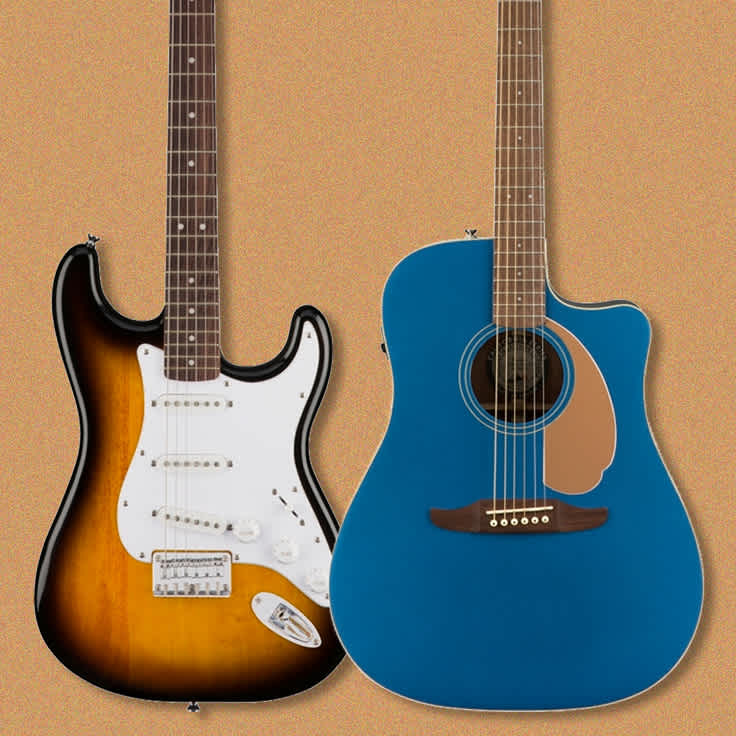
Why acoustic guitar can feel harder for beginners
Acoustic guitars use a hollow body to create volume. Because the instrument must produce enough sound without an amplifier, acoustic strings are often thicker than electric guitar strings. That extra tension can make chords feel tough at first.
The most common early challenge is finger pain. New players may develop tender fingertips after short practice sessions. This is normal, but sharp pain, swelling, or numbness is a sign to stop and rest.
Acoustic guitar can also demand more hand strength. Beginners often struggle with:
• Pressing all six strings clearly
• Changing between open chords
• Holding a barre chord
• Stretching across a wider fretboard
• Strumming with an even rhythm
The body may create another challenge. A full size dreadnought guitar can feel large against the chest. A smaller concert or parlor guitar may be more comfortable and easier to control.
Acoustic guitar also exposes mistakes. A weak chord, muted string, or uneven strum is easy to hear. That can feel frustrating, but it gives useful feedback. Every unclear note tells you what to fix.
Acoustic guitar builds strong basic skills
One major benefit of starting on acoustic is that it teaches control. You learn how to make a note ring without relying on distortion, compression, or loud volume.
This does not mean acoustic guitar is always the better first instrument. It means acoustic practice can strengthen your rhythm hand and fretting hand. Those skills transfer well to electric guitar later.
A useful comparison is running with a light backpack. Acoustic guitar may feel heavier at first, but it can build endurance. Electric guitar may feel lighter, but it still requires careful control.

Why electric guitar can feel easier at first
Electric guitars usually use thinner strings. Many beginner models use strings such as .009 to .042 or .010 to .046. Acoustic guitar strings are often heavier, though exact sizes vary by brand and model.
Lower string tension makes several tasks easier:
• Fretting notes
• Bending strings
• Playing scales
• Moving between chords
• Practicing for longer periods
Electric guitar necks may also feel slimmer. This can help beginners with smaller hands. However, neck shape varies greatly, so you should try several guitars if possible.
Another advantage is volume control. You can practice through headphones or at a low volume with suitable equipment. This makes electric guitar useful for apartment living or shared homes.
Many players also find electric guitar more motivating. A simple power chord can sound full and energetic through an amplifier. Effects such as distortion, delay, and chorus can make practice feel like real music from the beginning.
That excitement has value. A guitar that encourages daily practice can be easier to learn than an instrument that sits untouched.
Electric guitar has its own challenges
Electric guitar requires more equipment than acoustic guitar. A basic setup may include:
• Electric guitar
• Amplifier or headphone amp
• Instrument cable
• Guitar picks
• Tuner
• Spare strings
You must also learn how to control unwanted noise. Electric guitar pickups amplify more than the notes you intend to play. Lightly touching unused strings with your fretting or picking hand becomes an important skill.
Distortion makes this even harder. It can hide small timing problems but also magnify string noise. Clean electric guitar tones are often less forgiving than beginners expect.
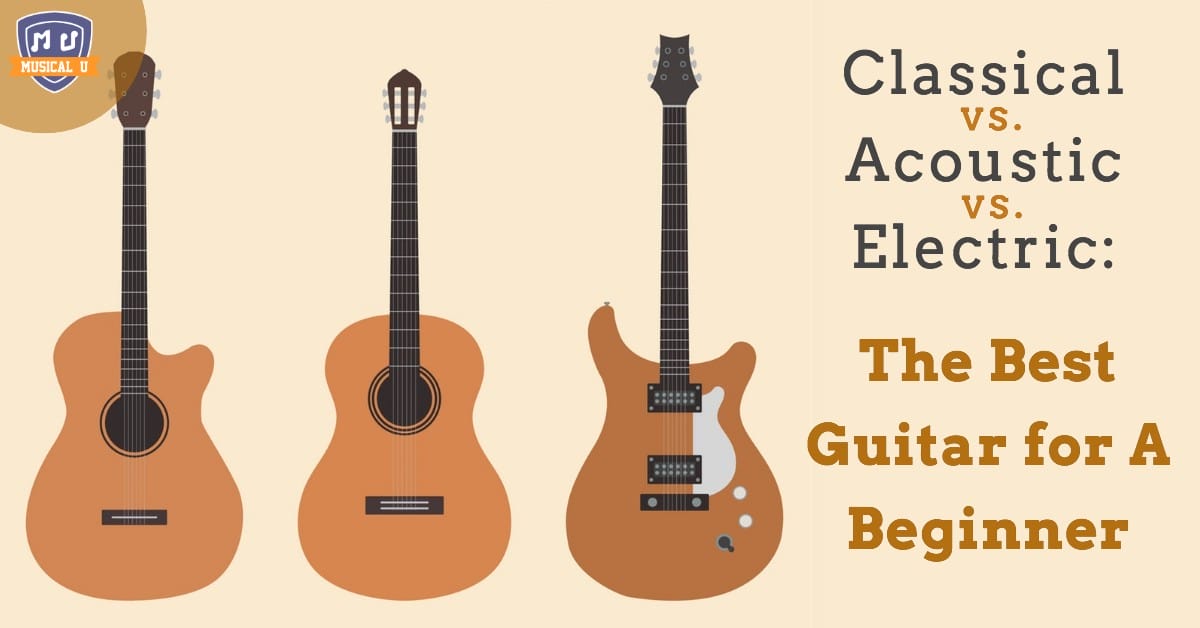
Comparing the main learning challenges
The question “is electric or acoustic guitar harder to learn” becomes clearer when you compare specific skills instead of judging the instruments as a whole.
Chords and rhythm
Acoustic guitar often feels harder for open chords because of string tension. Chords such as G, C, D, and E minor may hurt less on electric guitar.
However, acoustic guitar makes rhythm very important. A steady strum can carry an entire song. You learn to control volume, accents, and muted strokes with your picking hand.
Electric guitar also needs strong rhythm. Rock riffs, funk patterns, and palm muting depend on precise timing. The amplifier does not replace good rhythm.
Lead guitar and scales
Electric guitar may feel easier for single note playing. Thin strings support bends, slides, vibrato, and fast scale patterns.
Acoustic guitar can still teach lead playing, but bends may require more effort. Steel string acoustic guitars are not designed to make wide bends feel effortless.
Barre chords
Barre chords are difficult on both instruments. They require the index finger to press several strings at once.
They may feel easier on an electric guitar because of lighter strings and lower action. Yet poor setup can make an electric guitar harder than a well adjusted acoustic guitar.
Fingerstyle playing
Fingerstyle guitar can be challenging on both instruments. Acoustic guitar often gives fingerstyle players a rich, natural sound. Electric guitar offers more control over sustain and tone.
The difficulty depends on the arrangement. A simple Travis picking pattern may be easier than a fast electric solo.
Music theory and fretboard knowledge
Neither guitar is automatically harder for music theory. Both use the same musical notes and standard tuning in most beginner lessons.
Electric guitar players may explore scales, modes, and improvisation sooner. Acoustic players may focus more on chords, keys, and song structure. Both paths can lead to deep musical knowledge.

Which guitar is better for different beginners?
Your preferred music can guide your choice. Learning feels easier when the instrument matches the sounds you already love.
Choose acoustic guitar if you want to:
• Sing and play at the same time
• Learn folk, country, bluegrass, or singer songwriter music
• Practice without an amplifier
• Build strong strumming skills
• Take a simple instrument to school, work, or travel
Acoustic guitar is also a practical choice for people who want one instrument with minimal setup. You can pick it up and play within seconds.
Choose electric guitar if you want to:
• Play rock, blues, metal, jazz, or pop
• Learn riffs and guitar solos
• Use distortion and effects
• Practice quietly with headphones
• Explore bending, vibrato, and sustain
Electric guitar may be the best choice for a beginner who feels excited by bands, pedals, and amplified tone. Interest is not a small factor. It is fuel for practice.
Choose a nylon string guitar if your fingers are sensitive
A classical guitar uses nylon strings, which feel softer than steel strings. Its neck is wider, so chord shapes may require more reach. It can be a comfortable starting point for some players but not for everyone.
Nylon string guitar works well for classical, Latin, and fingerstyle music. It may not be the ideal tool for someone who mainly wants modern rock or country.

Does guitar setup affect difficulty?
Yes. A poor setup can make any guitar feel hard to play. Setup refers to adjustments that improve playability, such as neck relief, string height, intonation, and pickup height.
A guitar with very high action may cause sore fingers and buzzing. A guitar with extremely low action may buzz when you play. The goal is a balanced setup that feels comfortable and produces clear notes.
Before blaming yourself, check the instrument. Beginners often assume they lack strength when the real problem is poor adjustment.
A guitar technician can inspect:
• String height at the first fret and twelfth fret
• Neck straightness
• Nut slot depth
• Fret condition
• Intonation
• String condition
Old strings can feel rough and difficult to tune. Fresh strings do not solve every problem, but they often improve comfort and tone.
The instrument’s size matters too. A smaller acoustic guitar may be easier to hold than a large dreadnought. A short scale electric guitar may reduce the stretch between frets.

How long does it take to learn electric or acoustic guitar?
Most beginners can learn a few basic chords and simple songs within several weeks of regular practice. Playing smoothly, changing chords quickly, and keeping steady rhythm often takes several months.
Progress depends on practice quality more than practice length. Ten focused minutes can help more than an hour of distracted playing.
A simple beginner routine might look like this:
Tune the guitar for one minute.
Warm up with slow single notes for two minutes.
Practice two chord shapes for three minutes.
Change between those chords for three minutes.
Play one easy song for five minutes.
End by reviewing one problem area.
Practice slowly enough to avoid repeated mistakes. Your brain learns the movement you repeat, so clean and relaxed repetitions matter.
Many teachers recommend short, frequent sessions. This approach gives your fingertips time to adjust and helps build a steady habit.
A realistic beginner timeline
During the first week, focus on holding the guitar, tuning, picking, and making clear notes.
During the first month, learn several open chords and one or two simple songs.
After three months, many consistent players can follow chord charts and play basic songs from start to finish.
After six months, players may begin barre chords, scales, fingerstyle patterns, or simple improvisation.
These time frames are estimates, not promises. Age, previous musical experience, instrument quality, and practice habits all affect progress.
Common mistakes that make guitar harder
Some frustration comes from poor learning habits rather than the guitar itself.
Pressing too hard
Many beginners squeeze the neck with excessive force. This tires the hand and can make notes sound sharp. Use the least pressure needed for a clear note.
Practicing too fast
Speed hides mistakes. Start slowly with a metronome, then increase the tempo only when the pattern feels clean.
Ignoring rhythm
A player may learn many chords but still struggle to play a song. Practice strumming patterns with a metronome or drum track.
Skipping tuning
An out of tune guitar makes every song sound wrong. Use a clip on tuner or a reliable electronic tuner before practicing.
Using an uncomfortable instrument
Do not force yourself to learn on a guitar that causes pain or feels impossible to hold. A professional setup or a better sized instrument can change your experience.
Learning only from random videos
Online lessons can help, but random instruction may leave gaps. Follow a clear beginner course or work with a qualified teacher for a few sessions.
Expecting instant fingertip strength
Your fingers need time to adapt. Practice in short blocks and take rest days when your fingertips feel raw.
A practical way to choose your first guitar
If you are still unsure whether electric or acoustic guitar is harder to learn, test both before buying.
Play a few basic tasks on each instrument:
• Hold the guitar while seated
• Press one note on each string
• Play an E minor chord
• Change between A, D, and E
• Strum slowly
• Check whether your wrist feels relaxed
Ask a music store employee to check the setup. You do not need an expensive guitar, but you do need one that stays in tune and feels playable.
For an acoustic guitar, look for comfortable body size, moderate action, and light or extra light strings.
For an electric guitar, consider a comfortable neck, a reliable tuner, and a small practice amp with a headphone output.
Avoid choosing only by appearance. A beautiful guitar that hurts your hand will not support a good practice habit.
A simple budget plan
Spend enough to get a reliable instrument, but do not assume a high price guarantees easy learning. A beginner package can work if the guitar has good reviews, stable tuning, and reasonable construction.
You may also consider renting or buying a used instrument from a trusted shop. Have someone experienced inspect a used guitar for neck problems, fret wear, cracks, and electronic faults.
Personal lessons from beginner guitar practice
A pattern appears again and again in real practice rooms: players often choose the instrument they think they should learn instead of the one they actually want to play.
One beginner may buy an acoustic guitar because it seems simple, then lose interest because their favorite songs use electric guitar. Another may buy an electric guitar, spend too much time changing effects, and avoid basic rhythm practice.
The useful lesson is simple: choose the sound that keeps you curious. Then create limits around your practice. Spend most of your time on chords, rhythm, clean notes, and songs before exploring equipment.
Another common mistake is treating finger pain as a test of character. Sore fingertips are normal, but severe pain is not proof that you are improving. Short sessions, light strings, and a good setup help you progress without unnecessary strain.
A strong beginner also learns to celebrate small wins. Playing a clean chord, changing between two shapes, or keeping time for one minute may seem minor. Those moments are the building blocks of confident guitar playing.
Frequently Asked Questions About Whether Electric or Acoustic Guitar Is Harder to Learn
Is electric guitar easier to learn than acoustic guitar?
Electric guitar is often easier for beginners because it usually has thinner strings and lower action. Acoustic guitar may build stronger strumming and hand strength, but both instruments require regular practice.
Can I learn guitar on an acoustic and switch to electric later?
Yes. Chords, rhythm, note names, and basic music theory transfer well between both instruments. Electric guitar may feel easier after acoustic practice, although techniques such as bending and amplifier control will still need attention.
Is acoustic guitar better for beginners?
Acoustic guitar is a good choice for beginners who want to sing, strum, or play folk and country music. It is not automatically better, and the best beginner guitar is the one that feels comfortable and inspires regular practice.
Does electric guitar hurt your fingers less?
Electric guitar often causes less early fingertip pressure because its strings are usually lighter. Your fingers can still become sore, especially if you practice too long or use poor technique.
Can I learn guitar without an amplifier?
You can learn basic chords, scales, and rhythm on an unplugged electric guitar. However, an amplifier helps you hear the guitar’s tone and control unwanted noise, so you will eventually need one for complete electric guitar practice.
How many minutes should a beginner practice guitar?
Start with 10 to 20 focused minutes per day. As your hands become comfortable, you can increase practice time, but regular sessions matter more than long, tiring workouts.
Which guitar is easier for small hands?
A small body acoustic guitar, short scale guitar, or comfortable electric guitar may suit smaller hands. Neck shape, string tension, and setup matter more than the guitar label alone.
Conclusion
So, is electric or acoustic guitar harder to learn? Acoustic guitar often feels tougher at first because of thicker strings, higher tension, and a larger body. Electric guitar is usually gentler on the fingers, but it adds equipment and requires careful control of noise and tone.
Choose the guitar that matches the music you want to play. Try both if possible, select a comfortable setup, and practice in short sessions with clear goals. Your first guitar does not need to be perfect; it needs to make you want to pick it up tomorrow.
Start with one simple song this week, track your practice, and explore more beginner guitar guides as your skills grow.