

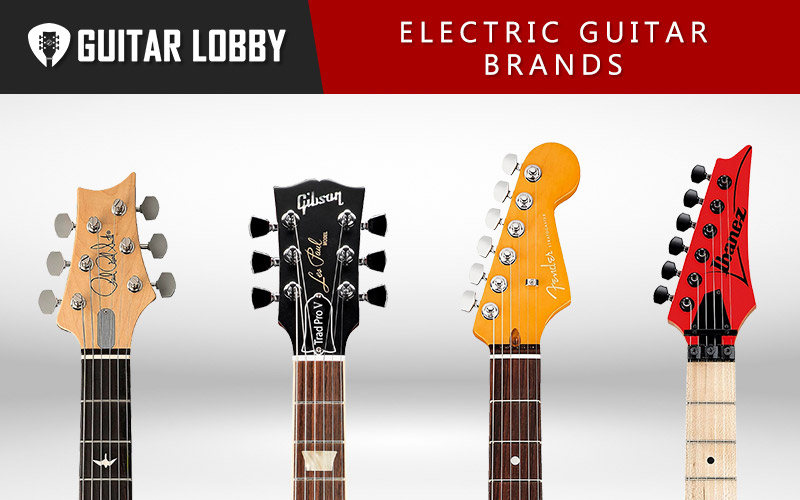
Fender, Gibson, PRS, Yamaha, Ibanez, and Squier are good electric guitar brands for many players and budgets.
Choosing among the good electric guitar brands depends on your style, skill level, budget, and the sound you want to create. After comparing build quality, pickups, neck comfort, tuning stability, resale value, and long-term reliability, this guide will help you find the right brand without paying for features you do not need.
What Makes an Electric Guitar Brand Good?
A good electric guitar brand does more than place a famous name on the headstock. It should offer reliable construction, consistent quality, useful designs, and fair value for the price.
The best electric guitar brands usually stand out in several areas:
• Build quality: The neck should feel solid, the frets should be smooth, and the body should have clean joins and finishes.
• Sound: Pickups should produce a clear tone with low unwanted noise and enough range for your style.
• Playability: A comfortable neck, sensible string height, and balanced body make practice easier.
• Reliability: Tuning machines, bridges, switches, and control knobs should work well over time.
• Support: Established brands often provide better warranties, replacement parts, and repair information.
A famous brand is not always the best choice for every player. A $500 guitar that fits your hands may serve you better than a $2,000 model that feels uncomfortable.

The Best Electric Guitar Brands at a Glance
The good electric guitar brands below cover a wide range of styles, from blues and country to metal, jazz, indie rock, and pop.
| Brand | Best for | Main strengths |
|---|---|---|
| Fender | Blues, rock, country, pop | Comfortable designs, bright tones, strong resale value |
| Gibson | Rock, blues, classic tones | Powerful humbuckers, premium build, iconic designs |
| PRS | Versatility and modern players | Smooth playability, wide tonal range, excellent finish |
| Ibanez | Metal, shred, progressive rock | Fast necks, high-output pickups, useful tremolo systems |
| Yamaha | Beginners and value-focused players | Consistent quality, reliable construction, fair prices |
| Squier | Affordable Fender-style guitars | Low entry price, familiar designs, easy upgrades |
| Epiphone | Affordable Gibson-style guitars | Classic shapes, warm humbucker tones, good value |
| Gretsch | Rockabilly, country, roots rock | Clear twang, unique looks, semi-hollow designs |
| Schecter | Metal and hard rock | Strong hardware, modern pickups, comfortable necks |
| Jackson | Metal and fast playing | Slim necks, sharp body shapes, high-output electronics |
| ESP LTD | Metal, rock, and touring use | Solid construction, aggressive tones, practical designs |
This list is not a strict ranking. The best electric guitar brands for you will depend on how the instrument feels in your hands and responds through your amplifier.
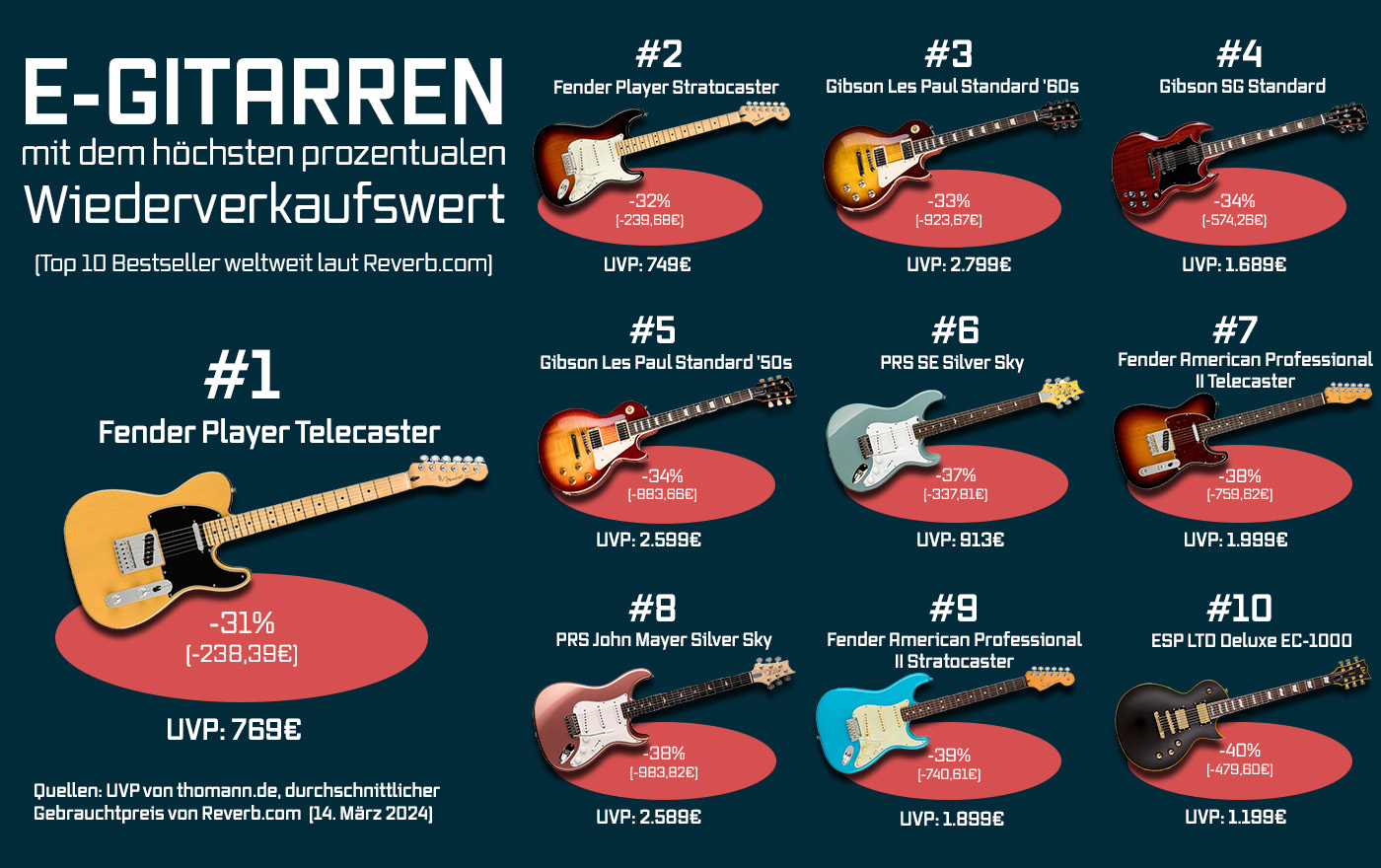
Fender: One of the Best Choices for Classic Electric Guitar Tones
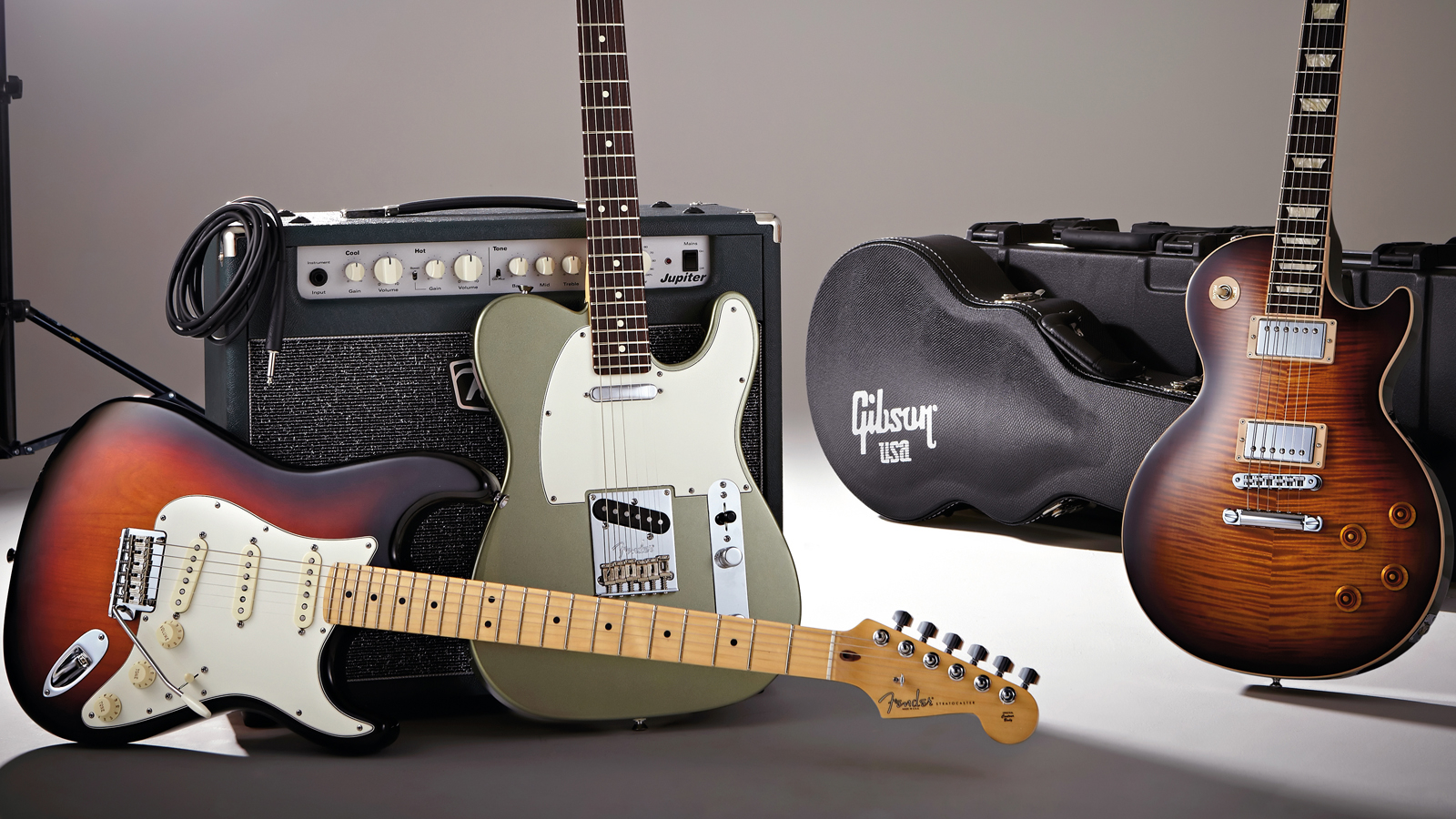
Fender is one of the most trusted names in electric guitars. The Stratocaster and Telecaster have shaped blues, rock, country, funk, pop, and indie music for decades.
Fender guitars often use single-coil pickups. These pickups can produce bright, clear, and open tones. They are excellent for clean sounds, light overdrive, rhythm parts, and expressive lead playing.
The Stratocaster usually offers:
• Three single-coil pickups
• A five-way pickup selector
• A comfortable double-cutaway body
• Easy access to higher frets
• A tremolo bridge on many models
The Telecaster is simpler and often more direct. Its sharp bridge pickup works well for country, punk, rock, and clean rhythm parts.
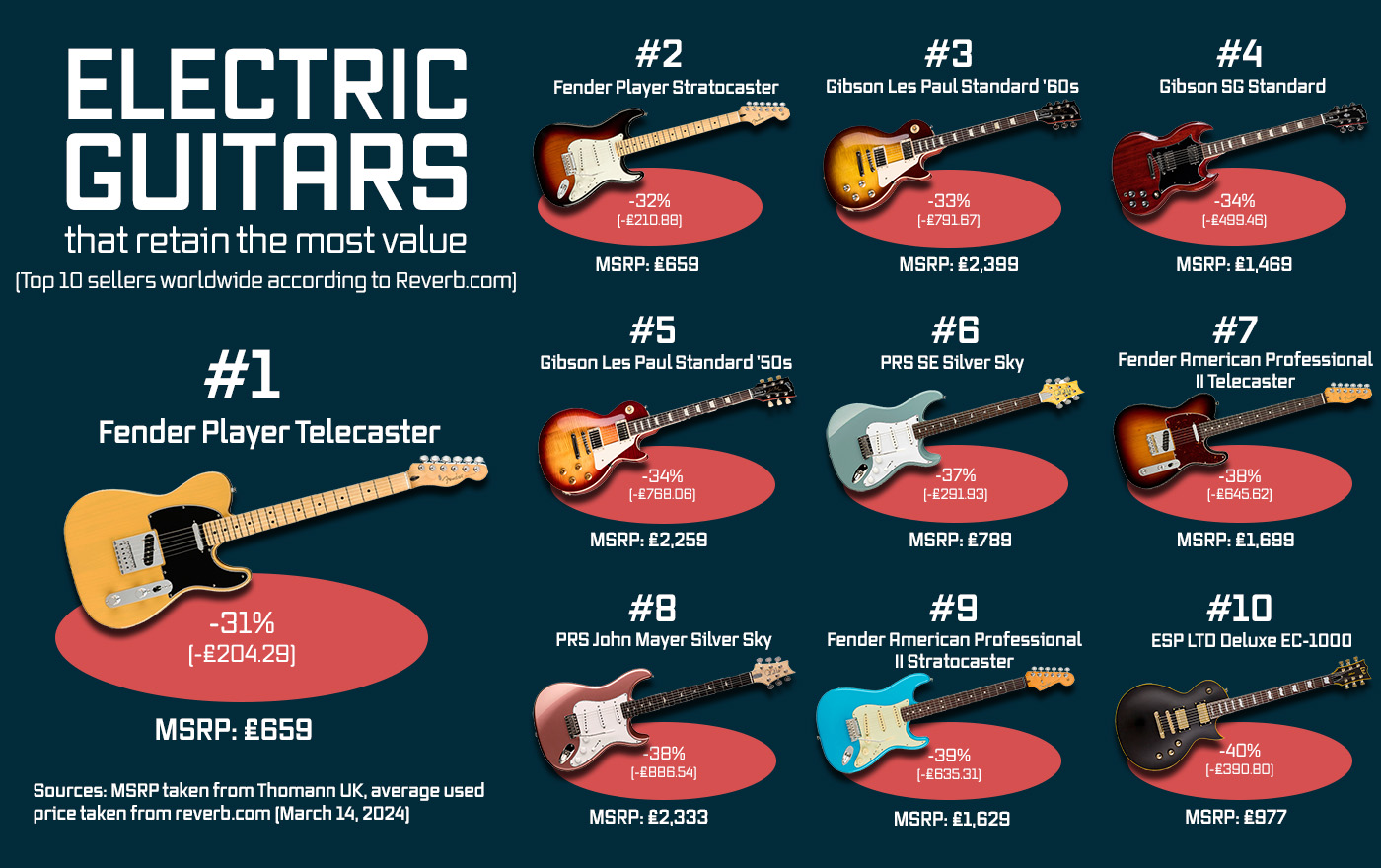
Fender’s Player Series offers a strong balance between price and quality. The American Professional II range adds upgraded hardware, refined neck shapes, and higher-end finishing. For beginners, Squier provides affordable versions of classic Fender designs.
Fender is among the good electric guitar brands for players who want a familiar sound and a guitar that can grow with them. One limitation is that traditional single-coil pickups can produce more hum than humbuckers, especially near electronic devices.
Gibson: A Strong Choice for Warm, Powerful Tones
Gibson is famous for the Les Paul, SG, ES-335, and other classic designs. Its guitars are closely linked with rock, blues, jazz, and heavy music.
Many Gibson models use humbucking pickups. Humbuckers usually produce a thicker and warmer sound than single-coil pickups. They also reduce the electrical hum that can affect single-coil designs.
A Gibson Les Paul often provides:
• A solid mahogany body
• A carved maple top on many models
• Two humbucking pickups
• A set neck
• Strong sustain and a thick midrange
The SG has a lighter body and easier access to the upper frets. The ES-335 uses a semi-hollow design, which gives it a lively tone that suits blues, jazz, classic rock, and alternative music.
Gibson guitars can be expensive. They may also feel heavier than many Fender-style guitars. For players who want the Gibson concept at a lower price, Epiphone offers several respected alternatives.
Gibson remains one of the good electric guitar brands for players who want classic humbucker tone, strong sustain, and a traditional feel.
PRS: Excellent Versatility and Refined Playability
Paul Reed Smith, commonly called PRS, has built a strong reputation for detailed workmanship and versatile guitars. PRS instruments often combine features associated with Fender and Gibson.
Many PRS guitars offer:
• Two humbucking pickups
• Coil-splitting options
• Comfortable carved bodies
• Smooth necks
• Stable tuning systems
• Wide access to the upper frets
The PRS SE range is especially popular because it brings many PRS features to a more accessible price. The SE Custom 24 is a common choice for players who want one guitar for rock, blues, pop, worship, and heavier music.
PRS guitars often feel polished right out of the box. Their necks are usually comfortable, and their pickup systems offer a broad range of sounds.
The main drawback is that PRS guitars can feel less traditional than a Fender or Gibson. Players who want the unmistakable snap of a Telecaster or the raw weight of a Les Paul may prefer those brands.
Still, PRS is one of the good electric guitar brands for players who want a flexible instrument with modern comfort and strong craftsmanship.
Ibanez: A Top Brand for Metal and Fast Playing
Ibanez is one of the good electric guitar brands for metal, hard rock, progressive music, and technical playing. Its instruments often feature slim necks, high-output pickups, and comfortable body shapes.
Popular Ibanez features include:
• Fast neck profiles
• Extended fret access
• High-output humbuckers
• Locking tremolo systems on some models
• Seven-string and eight-string options
• Lightweight bodies
The RG series is well known among metal and shred players. The AZ series offers a more versatile design with comfortable contours and a broader tonal range. The Artcore series provides semi-hollow guitars for jazz, blues, and alternative styles.
A fast neck does not automatically make someone play faster. Technique, practice, and setup matter more. However, a slim and smooth neck can make complex stretches feel easier.
Some Ibanez guitars include advanced tremolo systems. These can create dramatic pitch effects, but they may take more time to tune and maintain. Beginners may prefer a fixed bridge or a simpler tremolo.

Yamaha: Reliable Quality for Beginners and Experienced Players
Yamaha is one of the safest choices for players who want dependable quality at a fair price. The company makes beginner, intermediate, and professional instruments.
Yamaha electric guitars often receive praise for:
• Consistent factory quality
• Comfortable necks
• Reliable hardware
• Useful pickup combinations
• Good value for the money
The Pacifica series is particularly popular. Many Pacifica models combine a bridge humbucker with single-coil pickups. This setup gives players access to both thick overdrive and bright clean tones.
That versatility makes the Pacifica a practical first guitar. It can handle lessons, home recording, rehearsals, and small performances without feeling limited too soon.
Yamaha may not have the same vintage image as Fender or Gibson. However, a brand’s history does not determine how well a guitar plays. Yamaha is one of the good electric guitar brands for anyone who values consistency and practical design.

Squier and Epiphone: Good Affordable Electric Guitar Brands
Squier and Epiphone make lower-priced versions of famous Fender and Gibson designs. They are useful for beginners, students, and experienced players who want a low-cost backup guitar.
Squier guitars include affordable versions of the Stratocaster, Telecaster, Jazzmaster, and Jaguar. Epiphone offers versions of the Les Paul, SG, ES-335, and other Gibson models.
The benefits include:
• Lower purchase prices
• Familiar body shapes
• Easy access to replacement parts
• Many available upgrade options
• Designs that feel close to their more expensive relatives
Budget guitars can require a setup. A professional setup may improve the string height, intonation, neck relief, and tuning stability. This is not a sign that the guitar is poor. It is similar to adjusting a new bicycle before a long ride.
A common mistake is spending every dollar on the guitar and leaving nothing for an amplifier, cable, tuner, and setup. Your amplifier has a major effect on your final sound.
Squier and Epiphone are among the good electric guitar brands for beginners because they make classic designs more accessible.
Gretsch: Great for Rockabilly, Country, and Vintage Character
Gretsch guitars have a distinctive sound and appearance. They are closely associated with rockabilly, country, roots rock, jazz, and classic rock.
Gretsch models may include:
• Filter’Tron-style pickups
• Bigsby vibrato systems
• Hollow or semi-hollow bodies
• Clear high-end tones
• Strong visual character
A Gretsch hollow-body guitar can produce a lively, open sound. It can also respond well to light overdrive. However, hollow guitars may be more prone to feedback at high volume.
Gretsch Streamliner and Electromatic models offer several price levels. The Streamliner range is often suitable for players on a budget, while Electromatic and professional models add more refined hardware and construction.
Gretsch is one of the good electric guitar brands for players who want something different from the usual Stratocaster or Les Paul design.
Schecter, Jackson, and ESP LTD for Heavy Music
Schecter, Jackson, and ESP LTD are strong choices for metal, hard rock, and aggressive modern styles. These brands often focus on high-output pickups, comfortable necks, strong bridges, and extended fret access.
Schecter guitars commonly offer:
• Powerful humbuckers
• Practical body contours
• Fixed or locking bridges
• Seven-string options
• Good value in the mid-range market
Jackson is known for sharp body shapes and fast-playing necks. Its Dinky, Soloist, and Rhoads models are popular with metal players.
ESP LTD offers many guitars based on designs used by professional touring musicians. The EC, MH, and Arrow families cover classic, modern, and extreme styles.
These brands can be less suitable for a player who wants soft jazz tones or vintage country sounds. Their pickups may have more output and compression than traditional single-coil designs.
For heavy music, however, they are among the good electric guitar brands because they focus on the needs of modern rock and metal players.
How to Choose the Right Electric Guitar Brand
The right brand should match your music, hands, budget, and goals. Start with practical needs instead of choosing based only on appearance.
Match the Brand to Your Music
Consider these basic combinations:
• Blues and classic rock: Fender, Gibson, PRS, Epiphone, and Gretsch
• Country and clean rhythm: Fender, Gretsch, and Yamaha
• Jazz: Gibson, Ibanez Artcore, Gretsch, and PRS
• Metal: Ibanez, Jackson, Schecter, ESP LTD, and PRS
• Indie and alternative: Fender, Squier, Yamaha, Gretsch, and PRS
• Pop and worship: Fender, PRS, Yamaha, and Gibson
These are useful starting points, not strict rules. A skilled player can create many styles with almost any well-made electric guitar.
Choose the Right Pickup Type
Pickups shape the guitar’s basic voice.
• Single-coil pickups sound bright, clear, and detailed. They can produce more hum.
• Humbuckers sound thicker, louder, and warmer. They suit overdrive and high-gain music.
• P-90 pickups sit between traditional single-coils and humbuckers. They have a strong midrange and a raw, lively character.
• Active pickups use a battery and often deliver a tight, powerful sound with low noise.
A guitar with coil-splitting can offer both humbucker and thinner single-coil-style sounds. However, coil splitting does not always sound identical to a true single-coil pickup.
Think About Your Budget
A practical beginner budget often includes more than the guitar. Plan for:
• Electric guitar
• Practice amplifier
• Instrument cable
• Picks
• Guitar strap
• Tuner
• Spare strings
• Basic setup
Do not assume the most expensive guitar will make you a better player. A comfortable instrument encourages practice, and practice has the greatest effect on progress.
Test the Guitar Before You Buy
If possible, play several guitars in person. Check:
• Whether the neck feels comfortable
• Whether the body feels too heavy
• Whether the frets have sharp edges
• Whether the tuning remains stable
• Whether the controls work without crackling
• Whether every note sounds clean
A guitar should feel like a tool you want to pick up. If it looks perfect but feels awkward, keep searching.
New Versus Used Electric Guitars
Used guitars can offer excellent value. A secondhand PRS SE, Yamaha Pacifica, Fender Player, or Epiphone may cost much less than a new model.
Before buying used, inspect:
• Neck straightness
• Fret wear
• Cracks near the headstock
• Bridge and tuner condition
• Pickup and switch operation
• Signs of water or heat damage
• Original parts and modifications
Small scratches usually do not matter. Structural damage does matter. A cracked neck or badly worn fretboard can turn a bargain into an expensive repair.
Ask for a short test period when buying locally. If buying online, use a seller with a clear return policy. Used prices also vary by region, condition, upgrades, and demand, so compare several listings before deciding.
Common Mistakes to Avoid
Many new players choose a guitar based only on its color or famous name. Appearance matters, but comfort and function matter more.
Avoid these mistakes:
• Buying a guitar that is too heavy to enjoy
• Choosing a complex tremolo before learning basic setup
• Ignoring fret problems
• Spending too much on the guitar and too little on the amplifier
• Assuming a high price guarantees a perfect instrument
• Buying without checking the return policy
• Choosing pickups without considering your music style
One lesson comes up again and again in guitar shops: the “best” instrument is often the one that makes practice feel easy. A simple Yamaha or Squier can be a better choice than a premium guitar that sits in its case.
Frequently Asked Questions About Good Electric Guitar Brands
What are good electric guitar brands for beginners?
Yamaha, Squier, Epiphone, and entry-level Ibanez models are strong choices for beginners. They offer comfortable designs, reasonable prices, and enough quality to support years of learning.
Is Fender better than Gibson?
Neither brand is simply better. Fender often suits players who want bright single-coil tones and comfortable bolt-on necks, while Gibson is known for warm humbucker sounds, strong sustain, and heavier traditional designs.
What is the best electric guitar brand for metal?
Ibanez, Jackson, Schecter, and ESP LTD are excellent choices for metal. They commonly offer high-output pickups, fast necks, extended fret access, and bridges designed for aggressive playing.
Are expensive electric guitars worth the money?
An expensive guitar may provide better finishing, hardware, electronics, and quality control. However, a mid-priced guitar with a professional setup can offer excellent playability and may be a better value for many players.
Is Yamaha a good electric guitar brand?
Yes. Yamaha is known for consistent construction, comfortable designs, and strong value. The Pacifica series is especially useful for beginners and players who want one flexible guitar.
Should I buy a new or used electric guitar?
Both options can work well. A new guitar offers a warranty and return protection, while a used guitar may provide better features for less money; inspect used instruments carefully before buying.
Do electric guitar brands affect tone?
Yes, but the brand is only one part of the result. Pickups, wood, bridge design, strings, setup, amplifier settings, effects, and playing technique all influence the final tone.
Conclusion
The good electric guitar brands include Fender, Gibson, PRS, Ibanez, Yamaha, Squier, Epiphone, Gretsch, Schecter, Jackson, and ESP LTD. Each brand has a different focus, so the best choice depends on your preferred music, pickup needs, playing comfort, and budget.
Try several guitars if you can. Choose the one that feels balanced, stays in tune, and makes you want to play. Explore more guitar guides, compare local and used options, and share your favorite electric guitar brand in the comments.