

A new Gibson Les Paul usually costs $1,299 to over $8,000, while used and vintage models can vary much more.
If you are asking how much is Gibson Les Paul, the honest answer depends on the model, year, condition, and finish. A studio model may cost far less than a Custom Shop reissue, while a rare vintage Les Paul can reach the price of a luxury car. This guide breaks down current price ranges, key differences, used-market tips, and the best value for your budget.
How Much Is a Gibson Les Paul New?
For a new Gibson Les Paul, expect to pay about $1,299 to $8,000 or more in the United States. Gibson’s official prices change by model and finish, but the main ranges are fairly easy to understand.
| Gibson Les Paul type | Typical new price |
|---|---|
| Les Paul Tribute or lower-priced USA model | $1,299 to $1,799 |
| Les Paul Studio | $1,599 to $2,000 |
| Les Paul Classic | $1,999 to $2,500 |
| Les Paul Standard | $2,499 to $3,000 |
| Les Paul Modern | $2,799 to $3,500 |
| Les Paul Supreme | $3,999 to $5,000 |
| Gibson Custom Shop model | $4,500 to $8,000+ |
| Murphy Lab aged model | $6,000 to $12,000+ |
These figures are typical retail ranges, not fixed prices. Special colors, limited editions, artist models, and dealer discounts can move the price up or down.
When people search how much is Gibson Les Paul, they often mean the well-known Les Paul Standard. In that case, a new Standard commonly sits near the $2,500 to $3,000 range before sales tax.
Gibson Les Paul Price by Model
The model name tells you a great deal about the price. It also tells you what kind of features and feel you can expect.
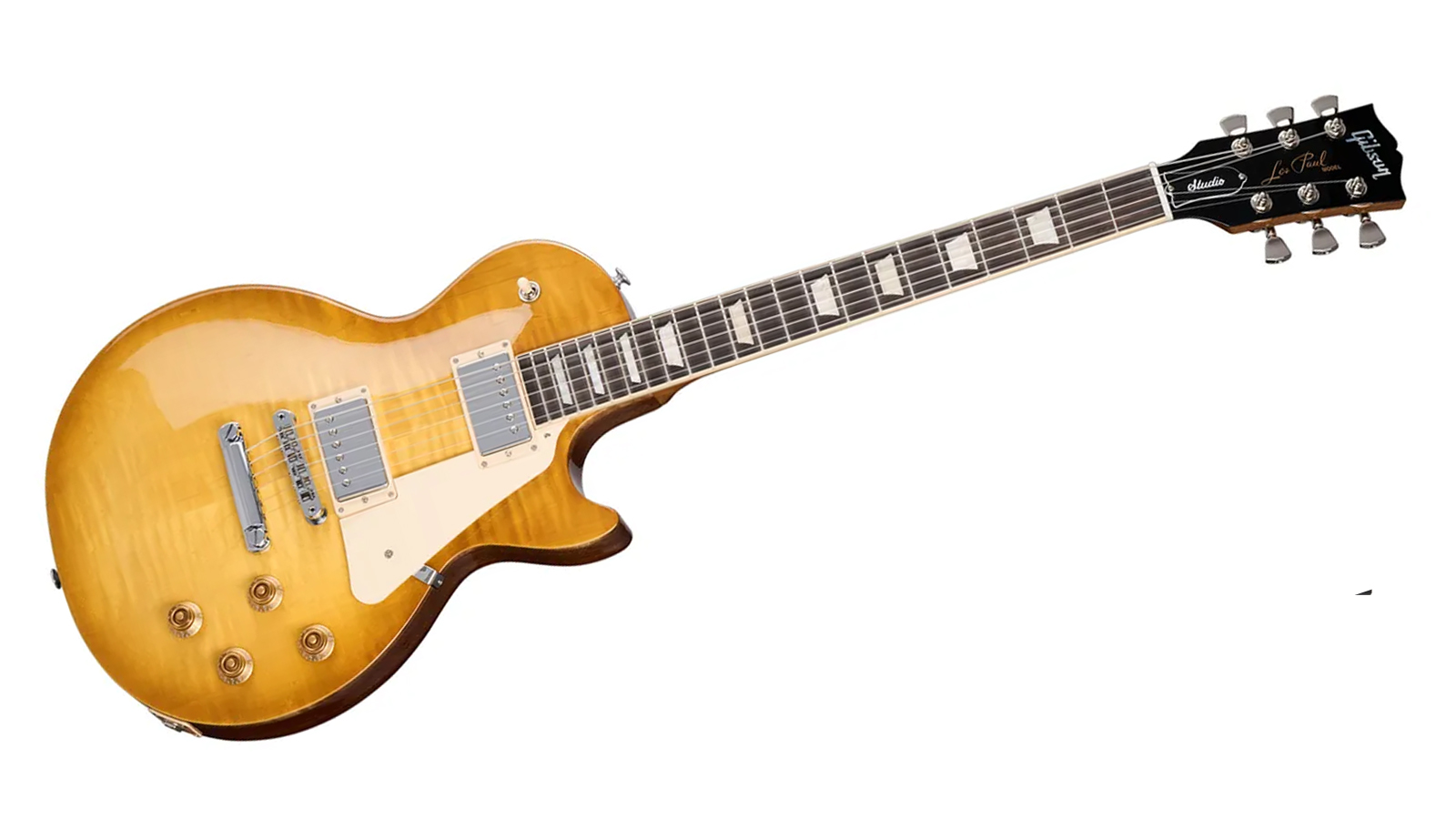
Gibson Les Paul Studio
The Les Paul Studio is often the least expensive regular Gibson Les Paul. It is made in the United States and uses the classic mahogany body, maple top, and humbucker design.
Studios may have simpler finishes, fewer cosmetic details, and lighter weight relief. They can be a smart choice for players who care more about sound and build quality than binding or vintage-style decoration.
A new Studio often costs around $1,600 to $2,000. Used examples may sell for about $900 to $1,500, depending on age and condition.
Gibson Les Paul Classic
The Les Paul Classic usually adds more traditional styling and extra switching options. Many versions include uncovered or covered Alnico pickups, push-pull controls, and a slimmer neck profile.
Prices commonly fall between $2,000 and $2,500 new. Used Les Paul Classic guitars often range from $1,300 to $1,900.
This model can offer strong value for players who want more features than a Studio but do not want to spend Standard money.
Gibson Les Paul Standard
The Les Paul Standard is the model most closely linked with the classic Gibson sound and design. It usually includes a carved maple top, mahogany body, BurstBucker-style pickups, a traditional control layout, and a high-quality hard-shell case.
A new Standard often costs about $2,500 to $3,000. Used prices commonly sit between $1,700 and $2,400, though clean examples with popular finishes may cost more.
If you ask how much is Gibson Les Paul in the most common sense, the answer is usually “around $2,800 for a new Standard.”
Gibson Les Paul Modern and Supreme
The Les Paul Modern is aimed at players who want the Les Paul shape with more modern playability. It may include a compound-radius fingerboard, contoured heel, weight relief, locking tuners, and high-output pickups.
The Supreme is more decorative and often uses premium appointments. It may have ornate inlays, a more elaborate finish, and a highly figured maple top.
These models often cost between $2,800 and $5,000 new. Their used prices depend heavily on demand, finish, and whether the original case and paperwork are included.
Gibson Custom Shop Les Paul
Gibson Custom Shop guitars are built with more detailed historical work and closer attention to vintage specifications. Many are based on famous 1950s designs, such as the 1958, 1959, or 1960 Les Paul Standard.
New Custom Shop prices often start near $4,500. Highly detailed reissues and Murphy Lab aged guitars can cost $8,000, $10,000, or more.
These guitars are not always a better choice for every player. They may offer excellent craftsmanship, but a $5,000 guitar does not automatically sound five times better than a $1,000 used Gibson.
How Much Is a Used Gibson Les Paul?
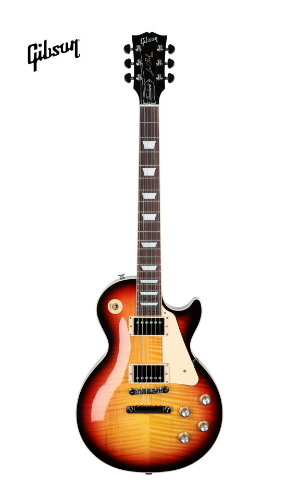
A used Gibson Les Paul usually costs $800 to $3,500. Older Custom Shop, anniversary, and vintage models can sell for much more.
Here is a simple used-price guide:
• Older Les Paul Studio: $700 to $1,300
• Recent Les Paul Studio: $900 to $1,600
• Les Paul Classic: $1,100 to $1,900
• Les Paul Standard: $1,600 to $2,500
• Les Paul Traditional: $1,500 to $2,400
• Older Les Paul Custom: $2,000 to $5,000
• Gibson Custom Shop model: $3,000 to $8,000+
• Original 1950s Les Paul: often $100,000 to several million dollars
The used market changes with season, location, and supply. Reverb sold listings, major guitar stores, and local marketplaces can show what buyers actually paid. Asking prices are less useful because a guitar may sit unsold for months.
In my experience, the best value often comes from a used Gibson that is three to eight years old. The first owner has already absorbed much of the depreciation, yet the guitar may still be in excellent shape.
Why Do Gibson Les Paul Guitars Cost So Much?
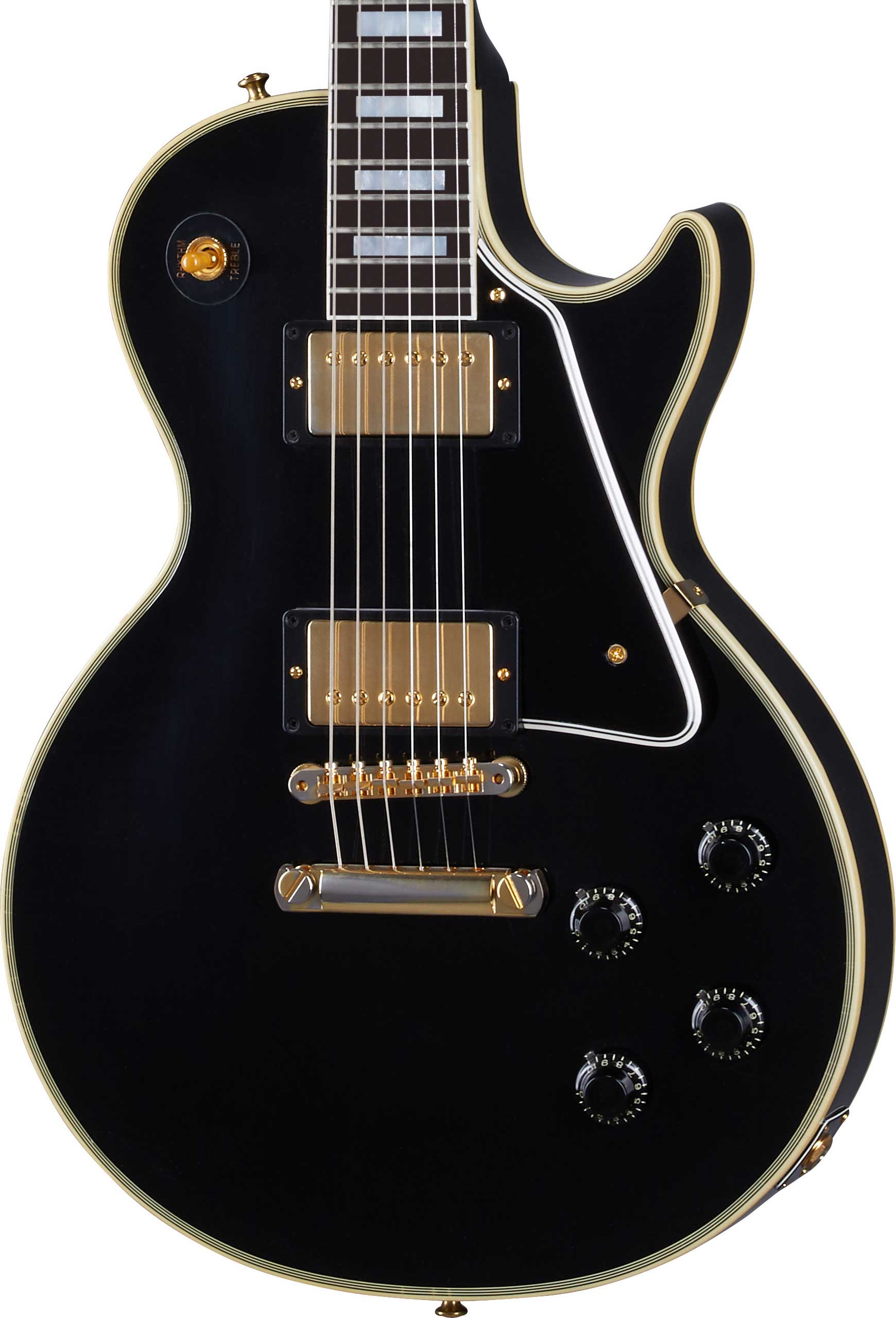
A Gibson Les Paul costs more than many guitars because of its materials, construction, labor, brand history, and quality control.
Materials and construction
A traditional Les Paul uses a mahogany body with a maple cap. It also has a mahogany neck, rosewood fingerboard, set-neck construction, and two humbucking pickups.
The body is not built like a simple flat solid-body guitar. The maple top is carved, the neck is glued in, and the finish requires many careful steps.
American labor
Most standard Gibson Les Paul guitars are made in the United States. American labor, factory costs, skilled finishing, and quality checks all affect the final price.
This does not mean every cheaper guitar is poorly made. It means the cost of production differs between a Gibson USA guitar and an entry-level imported instrument.
Hardware and electronics
Gibson Les Paul models often use branded humbuckers, quality bridges, stopbar tailpieces, Grover or vintage-style tuners, and premium wiring parts. Individual parts do not explain the whole price, but they contribute to the complete instrument.
Brand history
The Les Paul is one of the most famous electric guitars ever made. Players such as Jimmy Page, Slash, Gary Moore, Peter Green, and Joe Perry helped create its cultural value.
That history affects demand. You are paying for the instrument, but you are also buying into one of the most recognized designs in music.
What Affects the Price of a Gibson Les Paul?
Two guitars with the same basic shape can have very different prices. These factors matter most.
• Model: A Studio costs less than a Standard, while a Custom Shop model costs much more.
• Year: Some years are more popular because of changes in pickups, neck shape, weight relief, or construction.
• Condition: Cracks, repairs, worn frets, changed parts, and finish damage can reduce value.
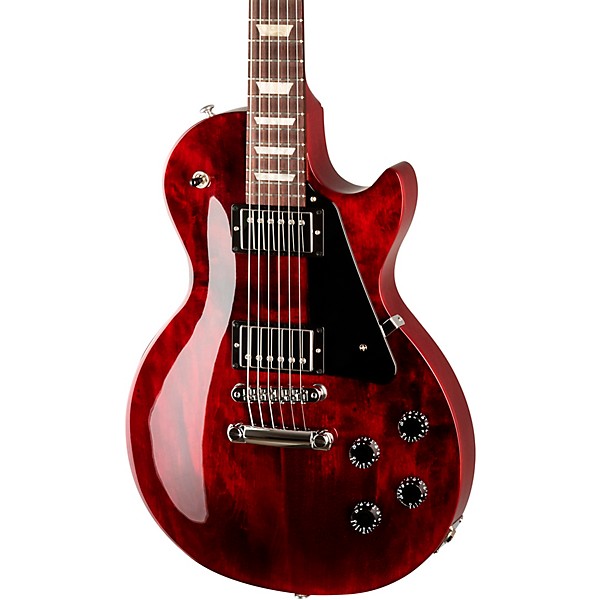
• Finish: Rare colors and highly figured tops may command higher prices.
• Original parts: Original pickups, tuners, bridge, case, and paperwork help preserve value.
• Weight: Some buyers strongly prefer lighter Les Paul guitars, which can increase demand.
• Neck profile: A sought-after neck shape can make a used guitar easier to sell.
• Limited production: Artist models, anniversary editions, and dealer exclusives may sell above standard prices.
• Market timing: Prices often rise when supply is low or when a certain model becomes popular.
A repaired headstock deserves special attention. A professional repair can make a guitar safe and playable, but it usually lowers resale value. Always ask for clear photos and a repair history before buying.

Is a Gibson Les Paul Worth the Money?
A Gibson Les Paul can be worth the money if you value its sound, feel, build, and long-term ownership. It may not be the best choice if you only want the cheapest way to get a humbucker guitar.
The classic Les Paul sound comes from its thick body, set neck, maple cap, and dual humbuckers. It works well for rock, blues, hard rock, jazz, worship, country, and many studio styles.
Still, price does not guarantee a perfect match. Les Paul guitars can be heavy. Their 24.75-inch scale feels different from a Fender-style 25.5-inch scale. Some players love the thick neck and sustain, while others prefer a slimmer or longer-scale design.
I have seen players spend too much on a Les Paul because they focused on the logo rather than the guitar in their hands. A well-set-up used Studio may feel better to you than an expensive Standard with a neck shape you dislike.
Before buying, check:
How the neck feels in your hand
Whether the guitar feels too heavy during a long session
How the pickups respond to your amplifier
Whether the frets are level and comfortable
Whether the guitar stays in tune
Whether the price matches recent sold listings
Gibson Les Paul Compared With Epiphone Les Paul
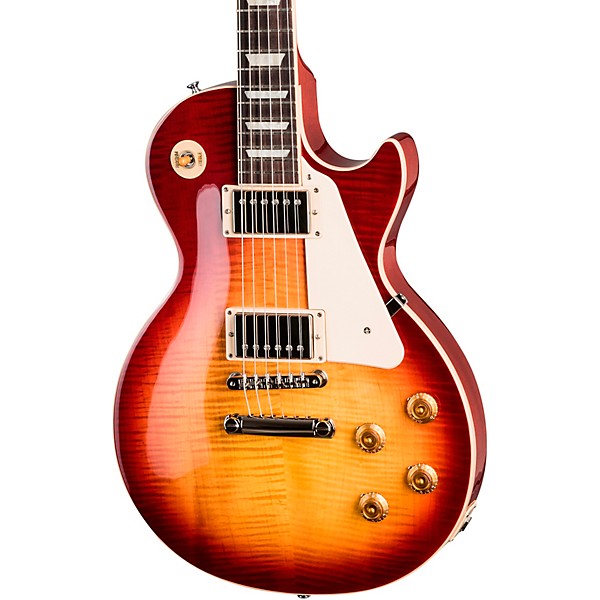
Epiphone makes more affordable Les Paul-style guitars under the Gibson family of brands. Most Epiphone models are made overseas and cost far less than Gibson USA guitars.
Typical prices include:
• Entry-level Epiphone Les Paul: $400 to $700
• Epiphone Inspired by Gibson: $600 to $1,200
• Epiphone Custom or signature model: $700 to $1,500
• Gibson USA Les Paul: $1,600 to $5,000+
Epiphone guitars can offer excellent value. They often use similar body shapes, humbucker layouts, and control designs. However, materials, finish work, electronics, fretwork, and factory labor can differ.
A good Epiphone is not a fake Gibson. It is a separate product made for a different budget. For a new player, an Epiphone plus a quality setup may be a better financial choice than stretching for a Gibson Standard.
How to Buy a Gibson Les Paul at a Better Price
You do not always need to pay full retail. A careful buyer can save money without taking a major risk.
Consider a used guitar
Used Gibson Les Paul guitars often provide the strongest value. Look for sellers with clear photos, return policies, and a detailed description of repairs or modifications.
Shop during sales
Holiday sales, clearance events, and end-of-year promotions may reduce prices. Some stores also offer open-box guitars at a lower cost.
Compare the full package
A Gibson Les Paul often includes a hard-shell case. If the case is missing, include the replacement cost in your budget.
Also account for:
• Sales tax
• Shipping
• A professional setup
• New strings
• Possible fret work
• Insurance for an expensive instrument
Check the serial number
The serial number can help identify the production year and factory. It is not a complete authentication test, but it can reveal obvious problems.
Ask for photos of the serial number, headstock, bridge, control cavity, and case. Be cautious if a seller refuses to provide them.
Play before you pay
Photos cannot show neck comfort, fret buzz, dead notes, or poor tuning stability. Whenever possible, play the guitar in person.
One of the most common buying mistakes is choosing a finish online without checking the neck. The neck is where your hand spends every minute, so it matters more than a color that looks good in a photo.

Gibson Les Paul Ownership Costs
The purchase price is only part of the budget. A Gibson Les Paul also needs normal care.
A basic setup may cost $60 to $150, depending on the shop and the work required. Fret replacement can cost several hundred dollars. A quality case, strap, cable, tuner, and amplifier can also add to the total.
Gibson recommends proper humidity control and safe storage. Very dry air can contribute to fret ends, finish problems, or wood movement. Keep the guitar away from heaters, direct sunlight, and sudden temperature changes.
Insurance may be sensible for a high-value Custom Shop or vintage guitar. Take photos, record the serial number, and save the purchase receipt.

Common Mistakes When Buying a Gibson Les Paul
Many buyers focus only on the question, how much is Gibson Les Paul, and overlook the details that protect their money.
Avoid these errors:
• Buying from a seller with no return policy
• Assuming a high price proves excellent condition
• Ignoring a repaired headstock
• Forgetting to check fret wear
• Paying extra for a rare finish you do not enjoy playing
• Buying a very heavy guitar without trying it first
• Assuming all Les Paul necks have the same shape
• Failing to compare completed sales
• Overlooking counterfeit warning signs
Counterfeit Gibson guitars do exist. Strange logos, incorrect hardware, poor inlays, unusual serial numbers, and suspiciously low prices should raise concern. If a deal seems far below the normal market price, slow down and verify every detail.
Frequently Asked Questions About How Much Is Gibson Les Paul
How much is a Gibson Les Paul Standard?
A new Gibson Les Paul Standard commonly costs about $2,500 to $3,000 in the United States. Used prices often range from $1,700 to $2,400, depending on condition, year, finish, and included case.
What is the cheapest Gibson Les Paul?
A new Gibson Les Paul Studio is often one of the least expensive standard Gibson USA options. Used Studios can sometimes be found for about $700 to $1,300.
How much is a Gibson Les Paul Custom?
A new Gibson Les Paul Custom usually costs around $4,500 to $6,000 or more. Older used Customs may sell for $2,000 to $5,000, while rare vintage examples can cost far more.
Is a used Gibson Les Paul worth buying?
Yes, a used Gibson Les Paul can offer excellent value when it has a straight neck, healthy frets, original or properly installed parts, and no serious structural repairs. Always inspect the headstock, neck joint, electronics, and serial number.
Why are some Gibson Les Paul guitars so expensive?
Price increases with Custom Shop work, rare finishes, aged finishes, premium tops, historic accuracy, limited production, and vintage demand. An original 1950s Les Paul can be exceptionally valuable because very few were made and many collectors want them.
Is Epiphone better than Gibson for beginners?
Epiphone is often better for beginners with a limited budget because it offers the Les Paul design at a much lower price. Gibson may provide more refined materials and finishing, but skill and enjoyment do not depend on owning the more expensive logo.
Do Gibson Les Paul guitars hold their value?
Well-kept Gibson Les Paul guitars often hold value better than many mass-market guitars, especially popular Standards, Customs, and limited editions. Resale value still depends on condition, originality, market demand, and the price you paid.
Conclusion
So, how much is Gibson Les Paul? A new Gibson usually costs about $1,299 to more than $8,000, with a Les Paul Standard often landing near $2,500 to $3,000. Used Studios, Classics, and Standards can offer much better value, while Custom Shop and vintage models belong to a much higher price class.
The best choice is not always the most expensive one. Set your budget, compare recent sold prices, inspect the guitar closely, and choose the neck and weight that feel right in your hands. Explore trusted dealers and used listings, then share your favorite Les Paul model or buying experience in the comments.