

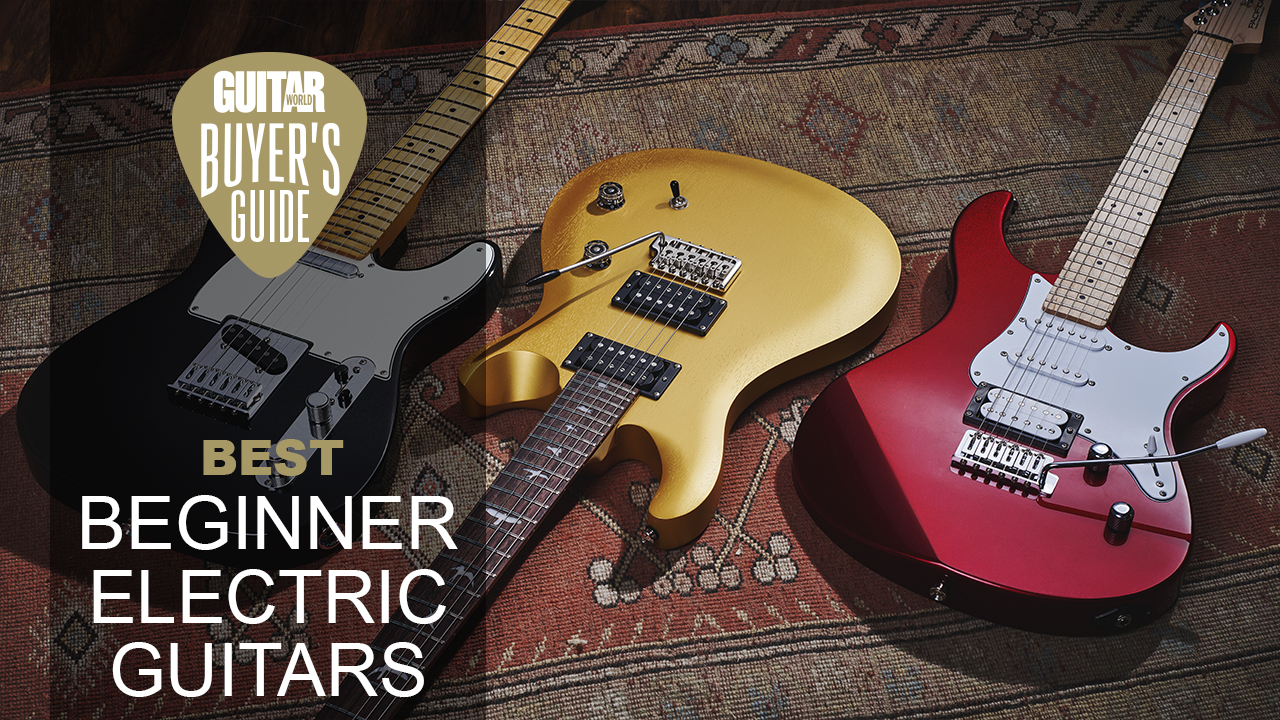
The Yamaha Pacifica 112V is the best electric guitar for beginners because it is comfortable, versatile, reliable, and easy to play.
Choosing your first guitar can feel like picking a favorite tool from a crowded toolbox. After years of helping new players compare necks, pickups, body shapes, and beginner guitar bundles, I have found that comfort and build quality matter more than flashy looks. This guide explains what is the best electric guitar for beginners, why certain models stand out, and how to choose one that keeps you excited to practice.
What Is the Best Electric Guitar for Beginners?
For most new players, the Yamaha Pacifica 112V is the best electric guitar for beginners. It has a comfortable neck, a useful HSS pickup layout, solid tuning stability, and a body shape that works for many music styles.
The HSS design uses one humbucker pickup near the bridge and two single-coil pickups in the middle and neck positions. This gives beginners a wide range of sounds:
• Bright tones for rock and country
• Clear sounds for pop and blues
• Warm tones for jazz and mellow music
• Stronger, fuller sounds for hard rock
The Pacifica 112V also has a tremolo bridge, but beginners can leave it alone at first. The guitar still works well with simple chords, power chords, riffs, and lead lines.
Price and availability can change, so the Pacifica 112V may not suit every budget. Still, it offers the balance that matters most: playability, sound variety, quality parts, and room to grow.
Best Electric Guitars for Beginners
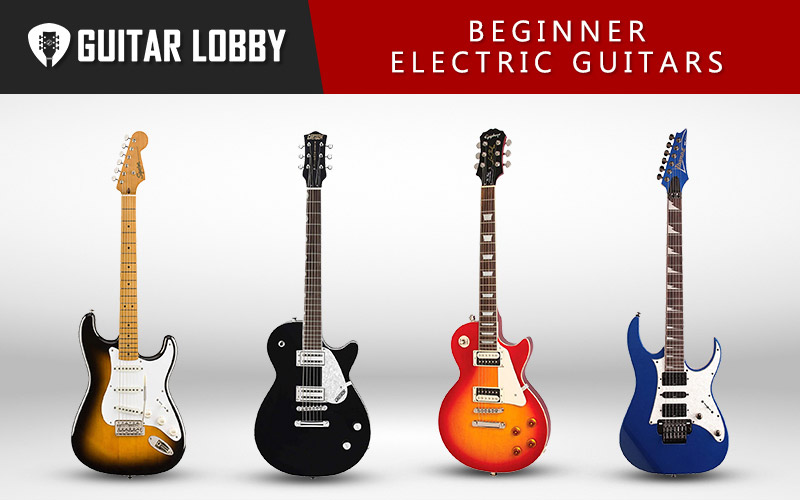
The best electric guitar for beginners depends on your budget, music taste, and preferred feel. These models are strong choices because they are easy to find, widely supported, and suitable for lessons.
Yamaha Pacifica 112V: Best overall
The Yamaha Pacifica 112V is my top pick for most beginners. Its slim neck feels friendly without feeling cheap, and its HSS pickup setup can cover blues, rock, pop, funk, and worship music.
The guitar also includes useful upgrades over many entry-level models, such as a coil-splitting function on some versions, better hardware, and a more polished finish. It is a guitar you can keep for years rather than replace after a few months.
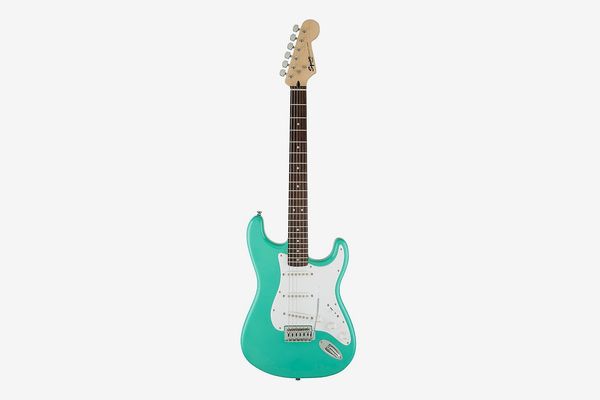
Squier Sonic Stratocaster: Best low-cost option
The Squier Sonic Stratocaster is a good electric guitar for beginners who need to spend less. Its Strat-style body is light, familiar, and comfortable when sitting or standing.
It may need a basic setup after purchase. A setup can adjust the neck, string height, and intonation. This small service can make a low-cost guitar feel much better.
Squier Affinity Stratocaster: Best traditional choice
The Squier Affinity Stratocaster gives beginners the classic Stratocaster experience at a moderate price. It usually has three single-coil pickups, which create clear and sharp tones.
This model suits players who enjoy blues, indie, pop, funk, and classic rock. Single-coil pickups can produce some background hum, especially near electronic devices, but that is normal for this design.
Epiphone Les Paul Special-I: Best for heavier music
The Epiphone Les Paul Special-I is a strong choice for beginners who love hard rock or metal. Its two humbucker pickups create a thicker and more powerful sound than most traditional Strat-style guitars.
The shorter scale length may also feel comfortable for players with smaller hands. However, this guitar can feel heavier than a Stratocaster, so try it while standing if possible.
Ibanez GRX70QA: Best for modern rock
The Ibanez GRX70QA has a slim neck and two humbuckers with a middle single-coil pickup. It suits modern rock, metal, punk, and high-gain music.
Ibanez necks often appeal to players who want to move quickly across the fretboard. A fast neck is helpful, but it should not be the only reason you choose a guitar. A comfortable fit matters more than speed claims.
How to Choose the Best Electric Guitar for Beginners
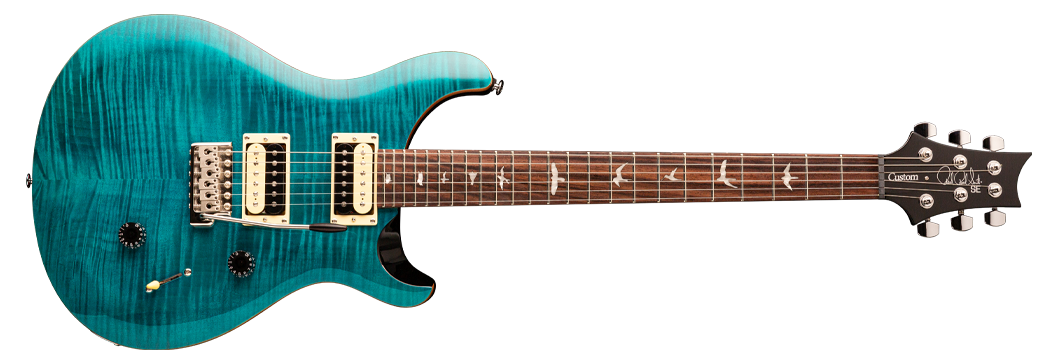
Knowing what is the best electric guitar for beginners is useful, but your own comfort should guide the final choice. A guitar that feels good will invite you to practice. A guitar that hurts your hands or feels hard to control may end up sitting in its case.
Check the neck
The neck should feel smooth and comfortable. Run your thumb along the back and check that the frets do not feel sharp at the edges.
A slightly thinner neck often helps new players form chords. Yet very thin necks are not automatically better. Your hand size and playing style matter.
Consider the guitar’s weight
Electric guitars can weigh from about six to ten pounds or more. A heavy guitar may feel fine for five minutes in a store but tiring during a full practice session.
Wear the guitar with a strap if possible. The instrument should stay balanced instead of pulling the neck toward the floor.
Look at the scale length
Scale length is the distance from the nut to the bridge. It affects string tension and fret spacing.
• Shorter scale lengths often feel easier for smaller hands
• Longer scale lengths can feel tighter and more defined
• Medium scale lengths offer a useful middle ground
Gibson-style guitars often use a shorter scale length, while Fender-style guitars commonly use a longer one. Neither choice is wrong.
Test the fretwork
Press each string at different frets. Listen for buzzing, dead notes, or sudden changes in volume.
Some light buzz can be fixed with a setup. Deep buzzing, loose frets, or severe tuning problems may signal poor quality. If you are new, take an experienced player with you or buy from a shop with a return policy.
Review the pickup layout
Pickups shape the basic voice of an electric guitar.
• Single-coil pickups sound bright, clear, and detailed
• Humbucker pickups sound warm, thick, and powerful
• HSS layouts offer both bright and strong tones
For many beginners, an HSS guitar is the safest choice because it supports many genres without needing another instrument right away.

Electric Guitar Types and Their Benefits
Different guitar designs suit different players. The best electric guitar for beginners is often the one that matches the music you already love.
Stratocaster-style guitars
Stratocaster-style guitars are popular because they are light, comfortable, and flexible. Their contoured bodies rest well against the player’s body.
They are excellent for blues, rock, pop, funk, and worship music. Their tremolo bridge can add pitch movement, although beginners should avoid aggressive use until they understand how to keep the guitar in tune.
Telecaster-style guitars
Telecaster-style guitars have a simple design and a bright, direct sound. They are useful for country, rock, indie, and alternative music.
Their bridge pickup can sound sharp and lively. Their simple controls also make them easy to understand.
Les Paul-style guitars
Les Paul-style guitars often use a thicker body and two humbuckers. They create a smooth, powerful sound that works well for rock, blues, and metal.
The tradeoff is weight. Some beginners also find the thicker neck or larger body less comfortable.
Superstrat guitars
Superstrat guitars borrow the comfortable shape of a Stratocaster but often add humbuckers, slimmer necks, and high-gain features. Ibanez and Jackson make many guitars in this style.
They are a good fit for players who already know they want modern rock or metal. They may offer more features than a complete beginner needs, but the extra range can be useful.
Why the Guitar Setup Matters
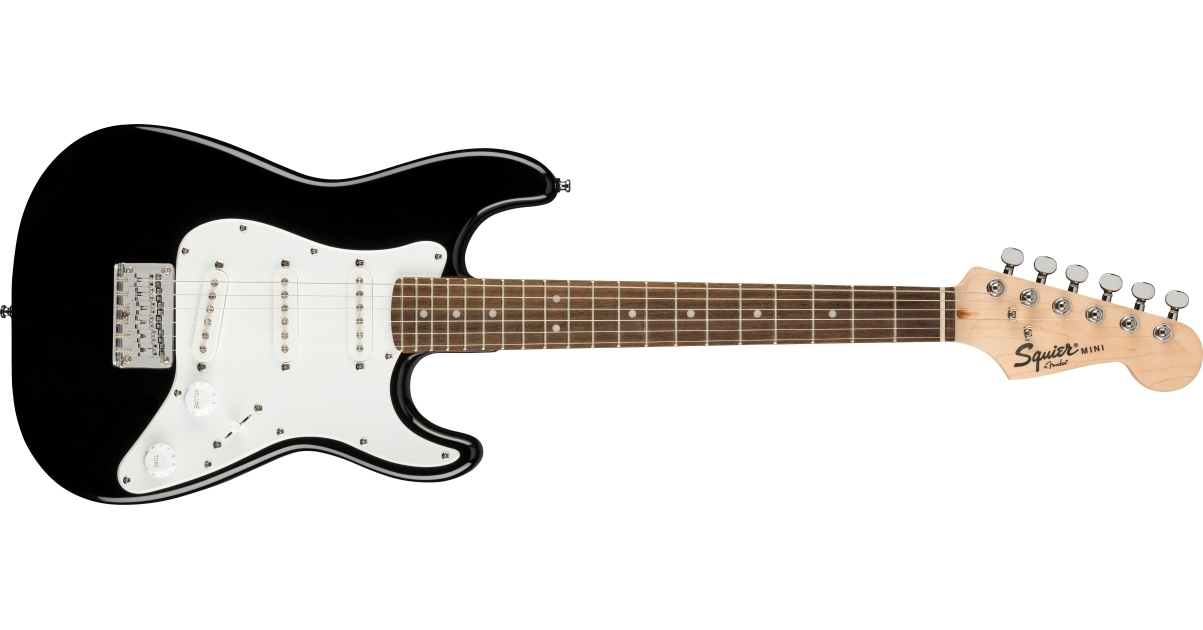
Even the best electric guitar for beginners can feel difficult if it has not been set up correctly. A setup adjusts the neck, bridge, string height, pickup height, and intonation.
A properly set up guitar should have:
• Comfortable string height
• No serious fret buzz
• Accurate notes across the neck
• Smooth tuning machines
• A neck with a small, healthy amount of relief
New players often blame themselves when a guitar feels hard to play. Sometimes the real problem is high action, which means the strings sit too far above the fretboard. A local guitar technician can often fix this for a reasonable fee.
When I first help a beginner with a new guitar, I check the action before changing anything else. Lowering the strings slightly can make chords easier and reduce hand strain. However, strings set too low can buzz, so the adjustment should be gradual.
The Best Beginner Guitar Amp and Accessories
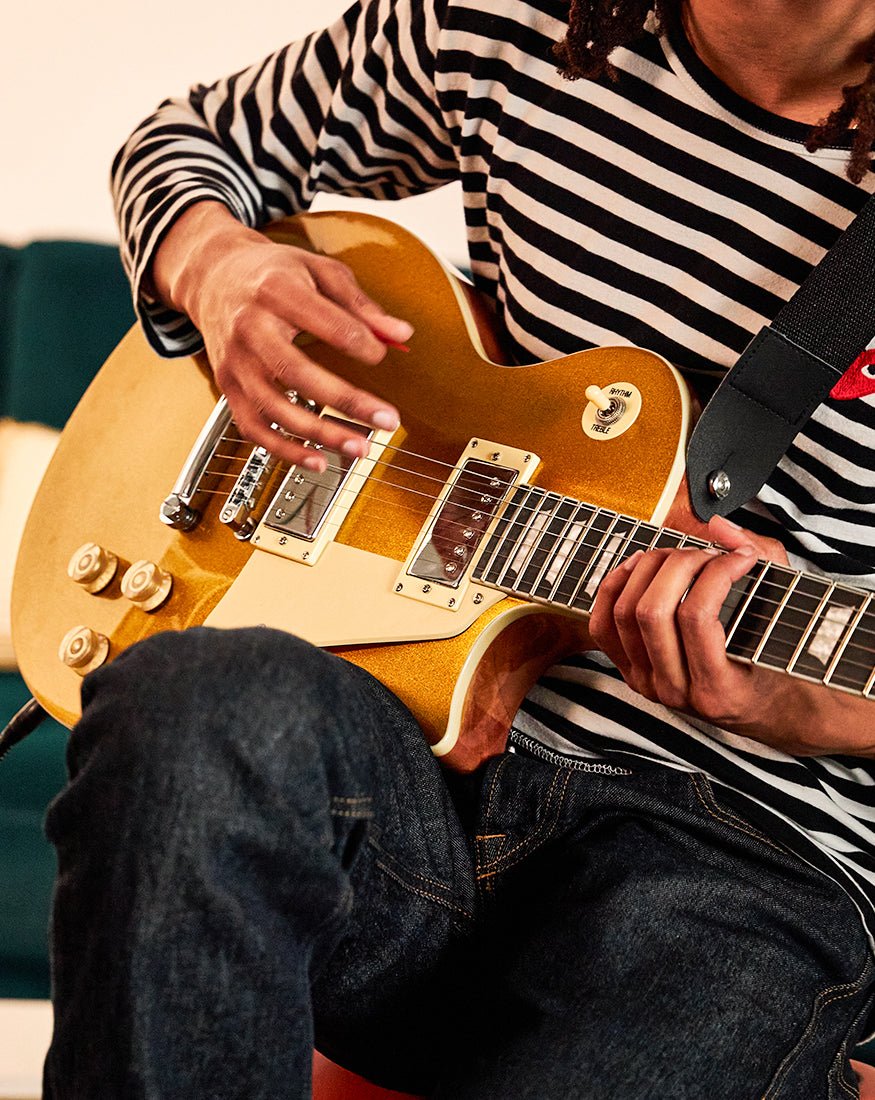
An electric guitar needs more than the instrument itself. A small practice amplifier can make practice more enjoyable and teach you how the guitar responds to volume and effects.
A useful beginner setup includes:
• A practice amp with a clean and overdrive channel
• A guitar cable
• A clip-on tuner
• A comfortable guitar strap
• Several medium or light picks
• A spare set of strings
• A padded gig bag
A modeling amp can provide clean, distorted, delay, chorus, and other sounds. This may be more useful than buying several separate pedals at the start.
Do not spend your entire budget on the guitar. A poorly made cable, uncomfortable strap, or weak amplifier can make a good instrument less enjoyable. A balanced setup usually creates a better learning experience.

Common Beginner Mistakes to Avoid
Many people search for the best electric guitar for beginners and focus only on the brand. Brand reputation helps, but it does not replace a proper fit.
Avoid these common mistakes:
• Choosing a guitar only because it looks attractive
• Buying the cheapest guitar without checking its condition
• Ignoring the cost of an amplifier and accessories
• Selecting a heavy guitar without trying it while standing
• Buying advanced hardware that you do not understand
• Skipping a setup on a guitar with high action
• Using thick strings that make fretting painful
• Expecting expensive gear to replace regular practice
One lesson I have learned from watching new players is that comfort beats prestige. A modest guitar that feels natural will usually receive more practice time than a famous model that causes discomfort.
Also, do not assume that a beginner must buy a brand-new guitar. A used Yamaha, Squier, Epiphone, or Ibanez can be excellent if the neck is straight, the electronics work, and the frets are in good condition.
How Much Should You Spend on a Beginner Electric Guitar?
A realistic beginner budget in the United States is about $250 to $700 for the guitar, amplifier, and basic accessories. Prices vary by model, sales, and whether you buy new or used.
A simple budget may look like this:
• Guitar: $200 to $500
• Practice amp: $80 to $200
• Cable, tuner, picks, and strap: $30 to $80
• Setup: $50 to $100 when needed
The best electric guitar for beginners does not have to be expensive. Spending more can improve hardware and long-term value, but it cannot guarantee that the guitar will suit your hands.
If your budget is tight, prioritize the neck, fretwork, tuning stability, and a reliable amplifier. Cosmetic details can wait. A small scratch does not affect your ability to learn.
A Simple Plan for Starting Guitar
Once you choose the best electric guitar for beginners, create a simple practice routine. Short, focused sessions work better than one long session each week.
Try this 20-minute plan:
Tune the guitar for two minutes.
Practice finger placement for five minutes.
Change between two or three basic chords for five minutes.
Play a simple riff for five minutes.
Finish with one song or musical idea for three minutes.
Use a metronome at a slow speed. Clean notes matter more than fast notes. Increase the tempo only when your fingers can play without tension.
Your fingertips may feel tender during the first weeks. Take breaks and avoid pushing through sharp pain. Regular practice builds calluses and coordination over time.
Frequently Asked Questions About the Best Electric Guitar for Beginners
What is the best electric guitar for beginners on a budget?
The Squier Sonic Stratocaster is a good low-cost choice, while the Yamaha Pacifica 112V offers stronger long-term value. Check the guitar for fret problems and consider a basic setup.
Is a Stratocaster or Les Paul better for a beginner?
A Stratocaster is often lighter and more comfortable, while a Les Paul-style guitar usually offers thicker humbucker tones. Choose the design that fits your body and the music you want to play.
Do beginners need an electric guitar with humbuckers?
No. Beginners can learn on single-coil, humbucker, or HSS guitars. Humbuckers suit thick rock and metal sounds, while single-coils offer bright and clear tones.
Should a beginner buy a guitar package?
A guitar package can be convenient if it includes a decent amplifier, cable, strap, and tuner. Check the quality of each item because some very cheap packages include weak amps and uncomfortable accessories.
How much does a good beginner electric guitar cost?
A good beginner electric guitar often costs between $200 and $500 in the United States. Used instruments can cost less, but inspect the neck, frets, electronics, and tuning machines before buying.
Can a beginner play an expensive electric guitar?
Yes, but an expensive guitar is not required for learning. A well-set-up mid-priced guitar usually provides enough quality, comfort, and sound for a beginner to progress.
Conclusion
The Yamaha Pacifica 112V is the best electric guitar for beginners for most players because it combines comfort, flexible tones, reliable construction, and useful features. The Squier Sonic Stratocaster, Squier Affinity Stratocaster, Epiphone Les Paul Special-I, and Ibanez GRX70QA are also strong choices for different budgets and music styles.
Focus on playability, weight, neck comfort, pickup type, setup quality, and the total cost of your gear. Try the guitar in person when possible, or buy from a seller with a clear return policy. Choose an instrument that makes you want to pick it up every day, then build your skills one chord, riff, and song at a time.