

Yes, Fender owns Jackson guitars and manages the brand, while production takes place in several global facilities.
The question “is Jackson guitars owned by Fender” has a clear answer, but the details matter. Fender owns the Jackson brand, yet Jackson guitars still have their own designs, tone, artist history, and market identity. This guide explains the ownership timeline, manufacturing process, quality levels, and what Fender ownership means for players today.
Is Jackson Guitars Owned by Fender?
Yes, Jackson guitars are owned by Fender Musical Instruments Corporation, often called FMIC. Fender acquired the Jackson and Charvel brands in 2002, adding them to its wider family of guitar brands.
So, when someone asks, “is Jackson guitars owned by Fender,” the short answer is yes. However, Fender does not make every Jackson guitar in the same factory or at the same price level.
Jackson remains a separate brand. It focuses on high-performance guitars for hard rock, metal, shred, and modern guitar music. Fender, meanwhile, continues to sell its own Fender and Squier instruments alongside brands such as Gretsch, Charvel, EVH, and Jackson.
This setup is similar to a car company owning several brands. Each brand keeps its own style and audience, even though the parent company manages the larger business.

When Did Fender Buy Jackson?
Fender took control of Jackson in 2002. The deal included the Jackson and Charvel brands and helped Fender expand into the heavy rock and metal guitar market.
Before the Fender deal, Jackson had already built a strong reputation. The company became known for pointed headstocks, fast necks, high-output pickups, and bold graphics. Famous players helped make Jackson guitars popular with metal and hard rock musicians.
The brand’s early history is closely linked to Grover Jackson and the San Dimas guitar scene. Jackson guitars became especially respected during the 1980s, when technical guitar playing and heavy music reached a wide audience.
The ownership timeline can be simplified like this:
• Jackson began as a custom and high-performance guitar brand.
• The brand gained attention through professional musicians and custom instruments.
• Jackson later changed hands through several business arrangements.
• Fender acquired the Jackson and Charvel brands in 2002.
• Fender now manages Jackson as part of its broader musical instrument portfolio.
This history explains why many older Jackson guitars feel different from newer models. The brand has changed ownership and production methods over time, but its core identity has remained focused on fast, aggressive guitars.

Who Makes Jackson Guitars Now?
Fender owns the Jackson brand, but Jackson guitars are made in different factories based on the model series and price.
Jackson’s lower-priced instruments are commonly produced in overseas factories. These guitars are designed to offer useful features at an accessible price. Many are aimed at beginners, intermediate players, and musicians who want a reliable metal guitar without paying for a USA-built instrument.
Mid-level Jackson guitars may include better pickups, improved hardware, upgraded fretwork, and more refined finishes. High-end models are made with closer quality control and may include USA production or custom-shop craftsmanship.
The exact factory can change over time. Fender may adjust its manufacturing partners, regions, or production plans based on supply, demand, and product updates. For that reason, the country of manufacture should be checked on the guitar, packaging, or current product page.
A Jackson guitar may be made in:
• The United States for select professional, USA, or custom instruments
• Japan for certain high-quality or specialty models
• Indonesia for many affordable and mid-priced models
• China or other regions for selected entry-level instruments
The country of manufacture does not tell the whole story. A well-set-up Indonesian Jackson can play better than a poorly adjusted American guitar. Fretwork, neck condition, pickup balance, bridge setup, and quality control all matter.

Does Fender Control Jackson’s Design?
Fender owns Jackson, but Jackson guitars are not simply Fender guitars with different paint. Jackson has its own design language and engineering goals.
Fender guitars often center on classic shapes, clean tones, and traditional playing styles. Jackson guitars usually focus on speed, sustain, aggressive sounds, and stage presence.
Common Jackson design features include:
• Pointed or sharply angled body shapes
• Reverse or pointed headstocks
• Thin and fast neck profiles
• Compound-radius fingerboards
• High-output humbucking pickups
• Locking tremolo systems on many models
• 24-fret necks on many electric guitars
• Bold finishes and metal-focused artwork
Fender’s ownership gives Jackson access to larger business resources. These may include wider distribution, product planning, dealer support, quality systems, and marketing experience.
At the same time, Jackson still needs to serve its own players. A Jackson guitar should feel like a Jackson. If it became just another version of a Stratocaster, it would lose the reason many musicians choose it.
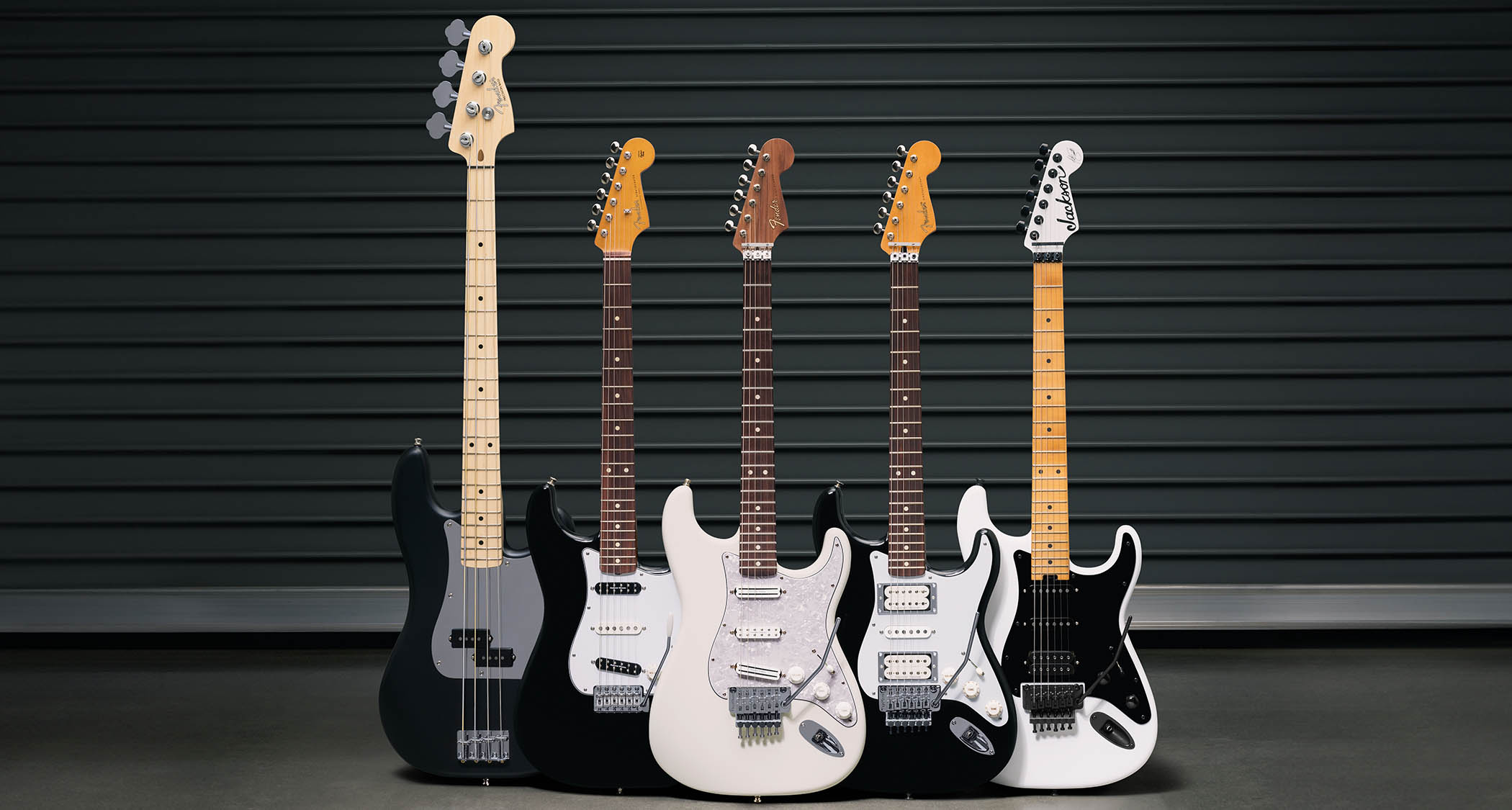
Are Jackson Guitars Good?
Yes, Jackson makes good guitars, but quality varies by series and price. The brand offers instruments for beginners, working musicians, touring players, and professional artists.
A low-cost Jackson can be a strong choice for someone who wants a metal guitar with a fast neck and powerful pickups. It may need a professional setup after purchase, especially if it has traveled through different climates.
More expensive Jackson guitars often offer:
• Better fret finishing
• More stable tuning hardware
• Higher-quality pickups
• Improved neck construction
• Stronger bridges and tuning machines
• More consistent factory setup
• Better wood selection and finishing work
The best value often comes from the middle of the range. Entry-level models save money, while top-tier models provide premium features. A mid-priced Jackson can offer a useful balance of playability, reliability, and cost.
When inspecting a Jackson guitar, check these areas:
Look down the neck to check for severe twists or uneven bends.
Test every fret for buzzing, dead notes, or sharp fret ends.
Turn each tuning key and listen for slipping or sudden pitch changes.
Check the bridge for rust, loose parts, or stripped screws.
Test the pickup selector and volume controls through an amplifier.
Confirm that the tremolo returns close to pitch after gentle use.
A proper setup can transform the playing feel of an affordable guitar. This is one of the most useful lessons for any buyer: do not judge a guitar only by its price tag or country of origin.
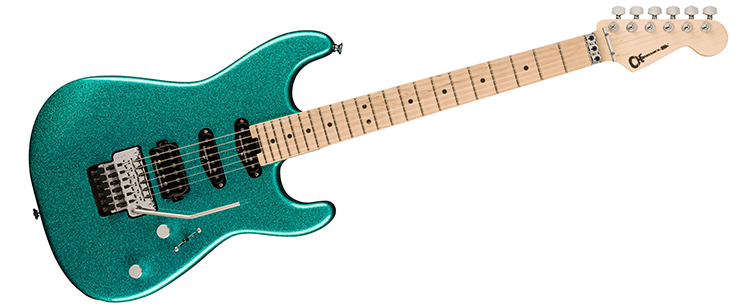
Are Jackson Guitars the Same as Fender Guitars?
No, Jackson guitars and Fender guitars are different brands with different goals. Fender owns both brands in some cases, but ownership does not mean identical products.
A Fender Stratocaster usually offers a traditional body shape, three single-coil pickups, and a comfortable sound for blues, rock, country, pop, and funk. A Jackson often uses humbuckers, a flatter fingerboard, and a neck built for fast lead playing.
The contrast is easy to understand:
• Fender often emphasizes classic design and broad musical use.
• Jackson often emphasizes modern performance and heavy music.
• Fender guitars commonly use vintage-style tremolo bridges.
• Jackson guitars often use locking tremolo systems or fixed bridges.
• Fender necks may feel rounder or fuller.
• Jackson necks often feel thinner and flatter.
These are general patterns, not strict rules. Jackson offers several body shapes, pickup layouts, and bridge types. Fender also sells modern performance guitars. Still, the brands have clear identities.
If you want clean rhythm tones and classic style, a Fender may suit you better. If you want tight high-gain tones, fast solos, and a metal-focused design, Jackson may be the stronger fit.

What Does Fender Ownership Mean for Jackson Players?
Fender ownership gives Jackson players several practical benefits. The brand has access to wider distribution, established supplier networks, and a larger support structure.
It can also make replacement parts, warranty help, and product information easier to find. Dealers are more likely to stock Jackson models because Fender has a strong global sales network.
Still, ownership has limits. Fender does not make every component itself, and production quality can differ between model lines. A Jackson JS Series guitar and a USA Soloist may carry the same logo, but they are built for very different budgets.
Fender ownership may also influence:
• New model planning
• Artist partnerships
• Factory selection
• Retail availability
• Warranty systems
• Parts support
• Quality-control procedures
Some longtime players worry that corporate ownership can weaken a brand’s original character. That concern is understandable. In Jackson’s case, the core design language has remained recognizable, even as the company has expanded its range.
The best approach is to judge each guitar on its own features and condition. A logo alone should not make the buying decision.

Jackson Guitars and the Charvel Connection
Jackson and Charvel are closely connected through their history and Fender ownership. Both brands are linked to the Southern California guitar scene and became known for high-performance instruments.
Charvel often sits between classic Fender design and modern superstrat performance. Jackson usually leans harder into metal shapes, aggressive styling, and extended-range options.
The brands may share some manufacturing resources or design ideas, but they are not the same brand. Their neck profiles, body shapes, pickup choices, and visual styles can differ.
This relationship sometimes causes confusion when shoppers ask, “is Jackson guitars owned by Fender” or whether Jackson and Charvel are the same company. The accurate answer is that Fender owns both brands, while each continues to operate with its own product identity.

Do Professional Musicians Use Jackson Guitars?
Yes, many professional musicians have used Jackson guitars in metal, hard rock, punk, progressive music, and other high-energy styles.
Jackson’s artist history includes players who helped popularize pointy guitars, fast necks, locking tremolos, and high-output pickup designs. Artist models remain an important part of the brand’s identity.
Professional use does not guarantee that every Jackson model will suit every player. A touring guitarist may choose a USA model because of its hardware and consistency. A beginner may choose a JS Series model because it offers the right shape and sound at a lower cost.
When choosing an artist model, focus on practical features:
• Neck shape
• Scale length
• Number of frets
• Pickup type
• Bridge design
• Weight
• Body balance
• Tuning stability
A guitar can look perfect in a music video but feel wrong in your hands. Try the neck before buying whenever possible. Comfort matters more than celebrity association.

How to Choose the Right Jackson Guitar
Start by deciding how you plan to use the instrument. Your playing style should guide the model more than the graphics or artist name.
For beginners, a fixed-bridge model is often easier to maintain. A locking tremolo can be exciting, but changing strings and tuning it takes more time.
Consider these steps:
- Choose your main tuning.
Standard tuning may work well with regular strings. Lower tunings may require heavier strings and a longer scale length.
- Pick a bridge type.
A fixed bridge is simple and stable. A locking tremolo offers pitch effects but needs more setup knowledge.
- Test the neck.
Play both chords and single-note lines. A fast neck should still feel comfortable during slower music.
- Check the pickups.
High-output humbuckers work well with distortion. They may sound less open and delicate for clean, low-volume playing.
- Set a realistic budget.
Remember to include the cost of a setup, strap, cable, tuner, and replacement strings.
- Inspect used instruments closely.
Look for neck damage, bridge wear, repaired headstocks, and altered wiring.
A practical buying lesson is to avoid choosing based only on appearance. Jackson guitars often have dramatic finishes, but a comfortable neck and stable bridge will affect your daily experience much more.
Common Mistakes When Buying a Jackson Guitar
Many buyers ask, “is Jackson guitars owned by Fender,” then assume every Jackson guitar has the same quality. That is the first mistake to avoid.
Other common mistakes include:
• Ignoring the difference between model series
• Buying a locking tremolo without learning its maintenance
• Choosing a guitar that is too heavy for long rehearsals
• Assuming active pickups need no battery checks
• Forgetting to inspect fret ends on used instruments
• Buying a signature model without checking its neck profile
• Failing to budget for a professional setup
• Confusing a cosmetic flaw with serious structural damage
A small finish mark is usually less serious than a lifting bridge or twisted neck. When buying used, prioritize structural condition and playability.
It is also wise to verify the serial number and model details. Product names can look similar across different years. Specifications may change, so compare the exact model and production period rather than relying on a general online listing.
Jackson Guitar Warranty and Support
Because Fender owns Jackson, warranty and support services are generally handled through Fender’s systems or approved dealers. The exact terms depend on the country, seller, model, and purchase date.
Keep your receipt and record the serial number. If a problem appears, contact the dealer first when possible. A dealer can often confirm whether the issue is normal adjustment work or a warranty concern.
Normal setup needs are not always warranty defects. String height, neck relief, tuning, and intonation can change with weather and shipping. A guitar may need adjustment without being faulty.
For the most accurate information, check the current warranty terms and product documentation for your region. Policies can change, and used guitars may not receive the same coverage as new instruments.
Frequently Asked Questions About Is Jackson Guitars Owned by Fender
Is Jackson guitars owned by Fender?
Yes. Fender Musical Instruments Corporation owns Jackson and has controlled the brand since acquiring it in 2002. Jackson still operates as a distinct guitar brand with its own designs and product lines.
Does Fender make all Jackson guitars?
No. Jackson guitars are made in different factories depending on the series and model. Some are produced overseas, while select professional and custom instruments may be made in the United States.
Are Jackson guitars better than Fender guitars?
Neither brand is always better. Jackson generally suits players who want fast necks, high-output pickups, and metal-focused features, while Fender often suits players who prefer classic designs and versatile clean tones.
Are Jackson and Charvel owned by the same company?
Yes. Fender owns both Jackson and Charvel. However, the brands have different designs, product ranges, and target players.
Are Jackson guitars good for beginners?
Many Jackson guitars are suitable for beginners, especially affordable models with fixed bridges. Beginners should choose a comfortable neck and avoid complex tremolo systems unless they are ready to learn basic maintenance.
Are USA Jackson guitars worth the price?
USA Jackson guitars can be worth the price for players who need premium fretwork, hardware, materials, and consistency. The best choice depends on your budget, playing needs, and willingness to pay for higher-end construction.
Where are Jackson guitars made?
Jackson guitars are made in several countries, depending on the model. Check the instrument label, serial number, packaging, or current product information for the exact country of manufacture.
Conclusion
Fender owns Jackson guitars, but Jackson remains its own performance-focused brand. Fender acquired Jackson in 2002 and now supports the company through wider distribution, business resources, and product management.
The most important point is that Jackson quality depends on the specific model, factory, setup, and condition. Compare the neck, pickups, bridge, fretwork, and tuning stability before you buy.
If you want a guitar built for metal, hard rock, fast lead work, and powerful amplified tones, Jackson deserves serious attention. Try several models in person, check the details carefully, and share your favorite Jackson model or buying experience in the comments.