

The best acoustic guitars for beginners are comfortable, well-built, easy to play, and reliable enough to support steady practice.
Choosing your first guitar can feel harder than learning your first chord. There are hundreds of models, body shapes, wood types, and price points to consider. After comparing beginner-friendly designs, playability, sound, durability, and long-term value, this guide will help you find the best acoustic guitars for beginners without wasting money on features you do not need.
What Makes an Acoustic Guitar Good for Beginners?
The best acoustic guitars for beginners should make practice feel inviting, not tiring. A guitar that is hard to fret, too large to hold, or poorly set up can make a new player quit before learning the basics.
Several features matter more than brand names or flashy finishes:
• Comfortable neck: The neck should feel smooth and manageable in your hand.
• Low or moderate action: Action is the space between the strings and the fretboard. Lower action usually makes notes easier to press, though action that is too low can cause buzzing.
• Stable tuning: A guitar that quickly goes out of tune can make practice frustrating.
• Clear sound: The tone should be pleasant enough to encourage regular playing.
• Strong construction: A beginner guitar should survive normal use, travel, and the occasional bump.
• Suitable body size: A smaller player may prefer a concert, auditorium, or parlor body instead of a large dreadnought.
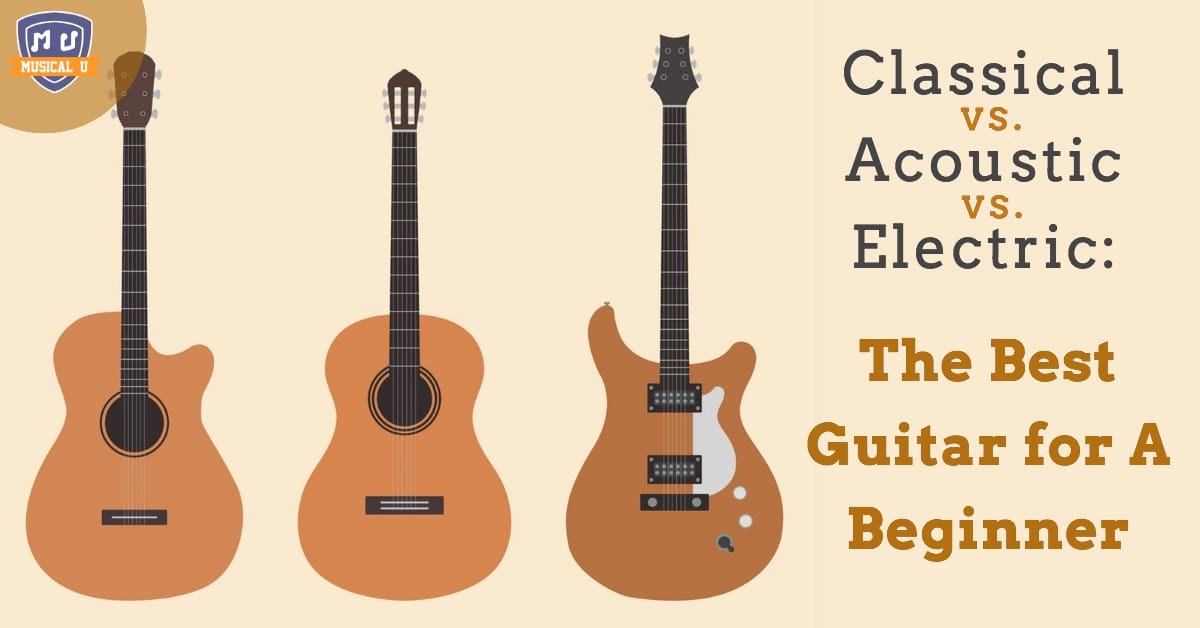
Steel-string acoustic guitars are the most common choice for pop, rock, country, folk, and singer-songwriter music. Nylon-string classical guitars are gentler on the fingertips and work well for classical music, flamenco, and some fingerstyle playing. Neither type is automatically better. The right choice depends on your musical goals and comfort.
A guitar setup also matters. Even an excellent beginner acoustic guitar can feel difficult if the neck is not adjusted properly. A local guitar technician can often improve the action, intonation, and comfort for a modest fee.

Best Acoustic Guitars for Beginners at a Glance
The best acoustic guitars for beginners vary by budget, body size, and playing style. These models stand out because they offer a useful mix of comfort, sound, reliability, and value.
| Guitar | Best for | Main strengths | Potential limitation |
|---|---|---|---|
| Yamaha FG800 | Best overall value | Solid spruce top, strong projection, dependable build | Dreadnought body may feel large |
| Yamaha FS800 | Smaller players | Comfortable concert body, balanced tone | Less bass than a dreadnought |
| Fender CD-60S | Beginners who want a comfortable neck | Easy-playing neck, solid spruce top, good value | Factory setup may vary |
| Yamaha JR1 or JR2 | Travel and younger players | Compact size, affordable, easy to hold | Smaller sound and shorter scale |
| Epiphone DR-100 | Tight budgets | Low price, familiar dreadnought design | Laminated top and basic hardware |
| Taylor Academy 10 | Premium comfort | Excellent playability, ergonomic armrest | Higher price |
| Martin LX1 or LX1E | Premium travel guitar | Compact, focused sound, strong construction | Small body has limited low-end power |
| Cordoba Protege C1M | Nylon-string beginners | Comfortable classical neck, gentle strings | Not designed for steel-string techniques |
Prices and features can change over time. Always check the current specification, return policy, and warranty before buying.
Yamaha FG800: Best Overall Value
The Yamaha FG800 is one of the safest recommendations for a first full-size acoustic guitar. It has a solid spruce top, a dreadnought body, and a strong low-end voice that suits strumming.
The solid top can produce more depth as it ages, although a beginner should not buy it only for future tone. Its biggest strength is balance. It is affordable, widely available, and durable enough for years of learning.
The main drawback is size. The dreadnought body can feel bulky for children, smaller adults, or players with limited reach. If you find it uncomfortable, the Yamaha FS800 may be a better fit.
Yamaha FS800: Best for Smaller Players
The Yamaha FS800 uses a smaller concert-style body. It remains loud enough for home practice but feels easier to hold than a traditional dreadnought.
Its tone is often more balanced and focused, with less booming bass. That makes it useful for fingerpicking, light strumming, and players who want a comfortable guitar for long practice sessions.
This is among the best acoustic guitars for beginners who feel overwhelmed by a large body. A smaller guitar is not a lesser guitar. Comfort often leads to more practice, and practice matters more than size.
Fender CD-60S: Best for a Comfortable Playing Experience
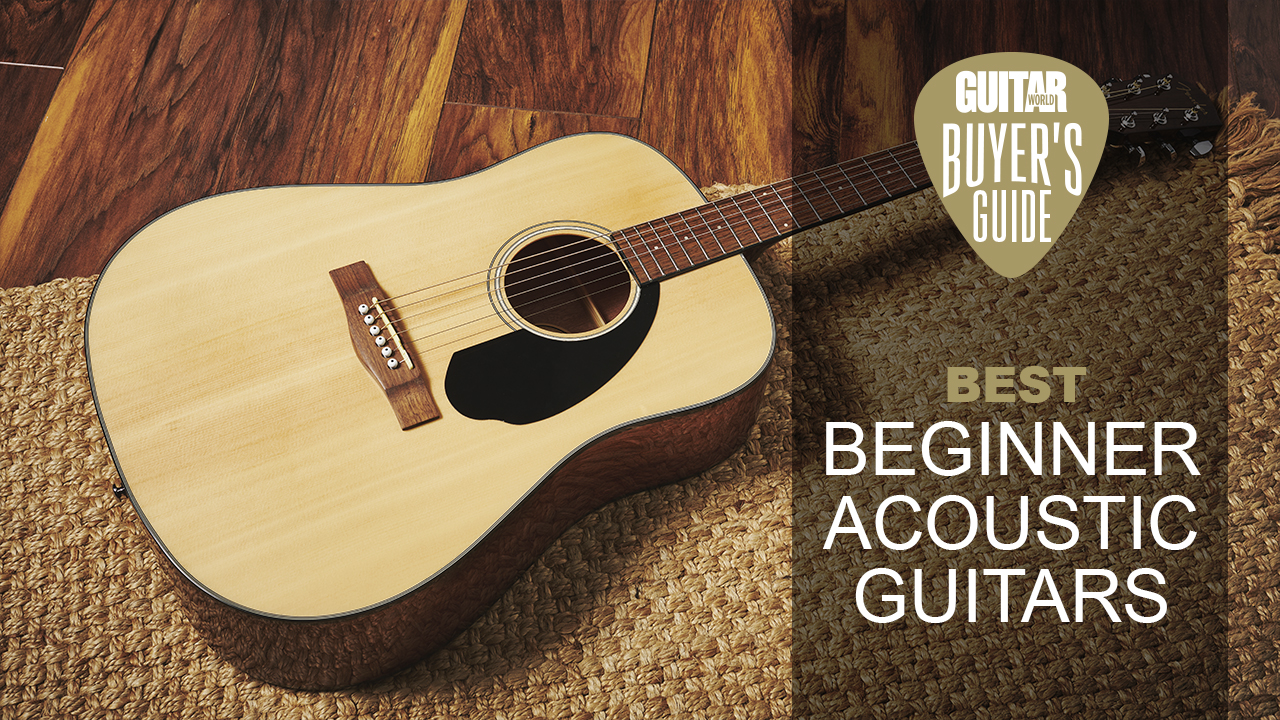
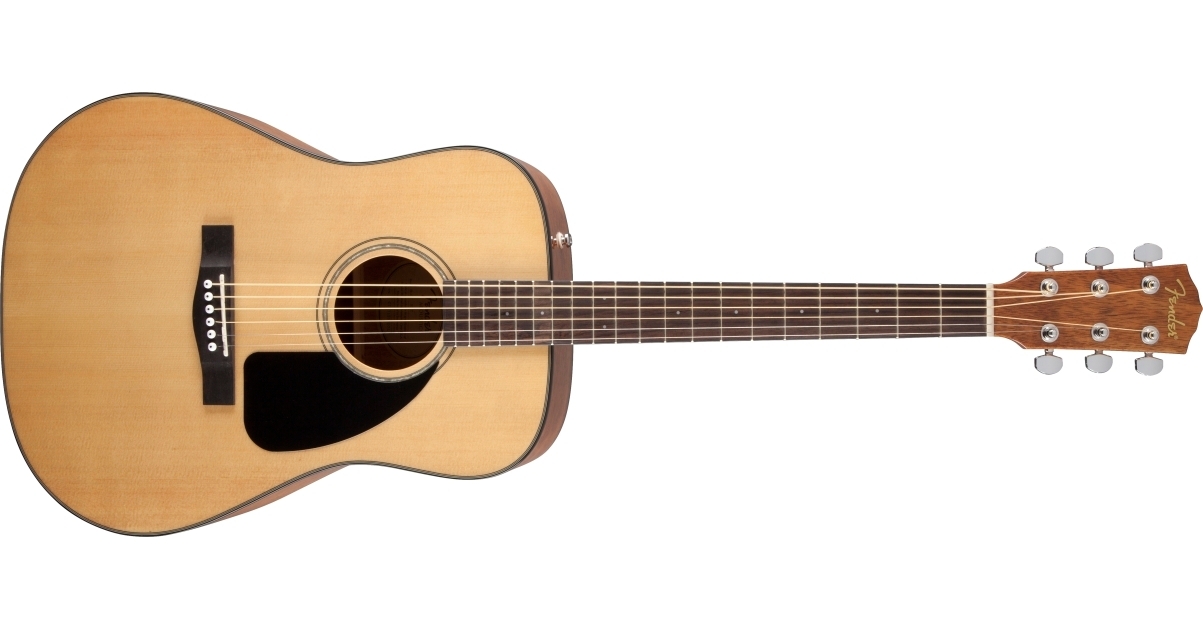
The Fender CD-60S is a popular entry-level model with a solid spruce top and a comfortable neck profile. Its rolled fingerboard edges can make the neck feel friendly to new players.
The guitar offers a full dreadnought sound, which works well for open chords and strong rhythm playing. It is often sold in starter bundles with a gig bag, tuner, picks, and strap.
Starter bundles are convenient, but inspect each item. A cheap tuner or thin gig bag may need replacing later. The guitar itself should remain the main focus.
Yamaha JR1 or JR2: Best Compact Acoustic Guitar
The Yamaha JR1 and JR2 are smaller guitars designed for travel, younger players, and adults who want a compact instrument. Their shorter scale can reduce hand stretch and make the guitar easier to manage.
A compact guitar will not produce the same deep bass as a full-size dreadnought. That is a fair trade for portability and comfort. These models work well for campfires, road trips, casual practice, and children who are not ready for a full-size body.
Do not assume a small guitar is only for kids. Many adult players prefer a compact acoustic guitar because it fits easily on a couch or in a small room.
Epiphone DR-100: Best Low-Cost Option
The Epiphone DR-100 is often one of the least expensive full-size steel-string guitars from a recognized brand. It offers a familiar dreadnought shape and a bright, direct sound.
It usually uses a laminated top rather than a solid spruce top. Laminated wood can be more resistant to small changes in temperature and humidity, but it may not have the same depth and response as a solid top.
This is one of the best acoustic guitars for beginners on a strict budget. Still, have the guitar checked for sharp fret ends, high action, and tuning problems before keeping it.
Taylor Academy 10: Best Premium Beginner Guitar
The Taylor Academy 10 costs more than most entry-level models, but it focuses on comfort. It includes an armrest, a slim neck feel, and a body design that can feel less tiring during long sessions.
A premium beginner guitar can make sense when you know you are committed to learning. Better comfort may encourage more playing, and the guitar can remain useful long after the beginner stage.
The limitation is simple: price. You do not need to spend this much to learn guitar well. A correctly set-up Yamaha, Fender, or similar model can teach the same basic skills.
Martin LX1 or LX1E: Best Premium Travel Guitar
The Martin LX1 is compact but has a surprisingly clear and focused sound. Its smaller size makes it easy to carry, while its short scale can feel friendly to new players.
The LX1E adds onboard electronics for connecting to an amplifier or recording device. If you mainly play at home, the standard LX1 may provide better value.
This guitar is a strong choice for beginners who travel often or want a high-quality small instrument. Its compact body produces less bass than a full-size guitar, so it may not satisfy players seeking a large, powerful strumming sound.
Cordoba Protege C1M: Best Nylon-String Beginner Guitar
The Cordoba Protege C1M is a classical-style guitar with nylon strings. Nylon feels softer under the fingertips than steel, which can help players who are worried about finger soreness.
The wider neck requires more space between the fingers. That can feel difficult at first, especially for players used to narrow steel-string necks. However, it is well suited to classical guitar, Latin music, fingerstyle, and gentle solo playing.
Do not put steel strings on a classical guitar. The instrument is not designed for the extra tension, and the neck or bridge could suffer damage.
How to Choose the Best Acoustic Guitar for Beginners
The best acoustic guitars for beginners are not identical because beginners do not have identical hands, goals, or budgets. Use the following steps to narrow your choice.
1. Set a Practical Budget
A useful beginner budget is often between $150 and $500. You can find playable guitars below that range, but quality control and setup may be less consistent.
A budget of $300 to $700 usually gives you more choices, including guitars with solid tops, improved tuners, and better overall comfort. Premium models can cost more than $700, but price alone does not guarantee a better learning experience.
Remember to budget for basic accessories:
• Clip-on tuner
• Picks in several thicknesses
• Guitar strap
• Padded gig bag
• Extra strings
• String winder and cutter
• Capo
A professional setup may also be worthwhile. It can transform a difficult guitar into a much easier one to play.
2. Choose the Right Body Shape
Body shape affects comfort, volume, and tone.
• Dreadnought: Large body with strong bass and loud projection. Good for strumming but may feel bulky.
• Concert or orchestra: Medium body with balanced tone and comfortable proportions.
• Grand auditorium: Versatile body that works for strumming and fingerstyle.
• Parlor: Small body with a focused, vintage-style voice.
• Travel guitar: Compact body for portability and easier handling.
For many adults, a concert or auditorium guitar is a safe middle ground. For powerful rhythm playing, a dreadnought may be ideal. For children or smaller players, a ¾-size or compact model can make learning more comfortable.
3. Think About Neck Width and Scale Length
Neck width affects how much room your fingers have. A narrow neck may feel easier for chord changes, while a wider neck can help fingerstyle players separate their notes.
Scale length is the distance from the nut to the bridge. A shorter scale can reduce the stretch between frets. It may also produce a slightly softer feel under the fingers.
There is no perfect neck size for everyone. Hold several guitars if possible. Your hand should feel relaxed, not cramped or forced open.
4. Decide Between Solid and Laminated Wood
A solid wood top is made from one piece of wood. A laminated top uses thin layers. Solid tops often respond with more complexity, while laminated construction can offer strength and lower cost.
For a first guitar, laminated wood is not automatically bad. A well-made laminated guitar can be reliable and enjoyable for years. A poorly set-up solid-top guitar may still feel worse than a comfortable laminate model.
The best acoustic guitars for beginners balance materials with playability. Do not sacrifice comfort just to get the word “solid” on the specification sheet.
5. Consider Electronics Carefully
An acoustic-electric guitar includes a pickup and usually a preamp. It can connect to an amplifier, audio interface, or public-address system.
Electronics are useful if you plan to perform, record, or play with other amplified musicians. They add cost and may require a battery. For a beginner who will only play at home, electronics are optional.
A microphone can also record an acoustic guitar. You do not need a built-in pickup to begin making music.
Acoustic Guitar Setup: The Detail Many Beginners Miss
A guitar setup adjusts the instrument so it plays correctly. A technician may inspect the neck relief, bridge saddle, nut slots, intonation, fret ends, and action.
High action is a common issue. It means the strings sit too far from the fretboard, so you must press harder. This can cause sore fingers, weak notes, and poor chord changes.
Low action is not always better. If the strings sit too close to the frets, they may buzz. The goal is a clean sound with comfortable pressure.
When testing a guitar, try these simple checks:
Play each string at several frets.
Listen for buzzing or dead notes.
Test open chords such as G, C, D, and E minor.
Check whether the tuning machines turn smoothly.
Look down the neck from the headstock toward the bridge.
Notice whether the guitar feels comfortable against your body.
Ask whether the store offers a setup or return period.
One lesson I would give every new player is this: do not judge a guitar only by its first five minutes in a store. New strings can sound bright, and a busy shop can hide small problems. Play slowly, check every string, and ask for help when something feels wrong.
Humidity also matters. Acoustic guitars are made from wood, and rapid changes in moisture can cause cracks, fret sprout, or neck movement. Keep the guitar away from heaters, air conditioners, and direct sunlight. In very dry homes, a case humidifier may help.
Acoustic Guitar Accessories Beginners Actually Need
You do not need a room full of gear to start. A few simple tools will make practice easier.
Essential Accessories
• Tuner: Staying in tune trains your ear and makes every chord sound better.
• Picks: Try thin, medium, and thick picks to find the right control.
• Strap: A strap can improve posture, even when you play while seated.
• Gig bag: Protects the guitar from dust, bumps, and short trips.
• Extra strings: Strings break at inconvenient times.
• Capo: Changes the key while keeping familiar chord shapes.
• Music stand: Helps you keep lessons or chord charts at eye level.
A metronome is also useful. Many free phone apps work well, though a clip-on tuner with a metronome can be convenient.
Avoid buying a large accessory bundle just because it looks like a bargain. Some bundles contain low-quality picks, thin bags, and unreliable tuners. Build your kit around items you will use often.

Common Mistakes When Buying a Beginner Acoustic Guitar
Buying the wrong instrument can slow your progress. Fortunately, most mistakes are easy to avoid.
Choosing Looks Over Comfort
A beautiful finish may catch your eye, but it will not make chord changes easier. Comfort should come first.
Buying the Largest Guitar
Many players assume a bigger body means a better sound. A large guitar can sound powerful, but it may be difficult to hold. If you avoid playing because the guitar feels awkward, its tone does not matter.
Ignoring the Setup
Two guitars of the same model can feel different because of setup quality. If the action is high, ask for an adjustment or take the guitar to a qualified technician.
Spending Too Little for a Poorly Made Instrument
A very cheap guitar may have rough frets, weak tuning machines, or a neck that is difficult to adjust. Saving money is useful only if the instrument remains playable.
Buying Based Only on Online Reviews
Reviews can reveal common strengths and problems, but they cannot tell you how a guitar will feel in your hands. Use reviews to make a shortlist, then try the guitar if possible.
Forgetting the Return Policy
Online purchases can work well, but inspect the instrument as soon as it arrives. Check for cracks, loose parts, fret problems, and tuning stability before the return window closes.
Expecting Fingertips to Never Hurt
Mild fingertip soreness is common during the first weeks. Take short breaks and practice often. Sharp pain, numbness, or wrist strain is a reason to stop and reassess your technique.

New Guitar or Used Guitar?
A used guitar can offer excellent value. Someone may sell a lightly played instrument because they changed interests, upgraded, or moved.
Look closely at:
• Cracks around the bridge and neck joint
• A lifted bridge
• Excessive neck bow
• Deep fret wear
• Loose tuning machines
• Strong buzzing across many frets
• A bridge that appears to pull away from the top
• Signs of water or heat damage
A few small scratches are usually cosmetic. Structural problems can cost more to repair than the guitar is worth.
If you do not know what to check, bring an experienced player or pay for a short inspection. A good used guitar may be one of the best acoustic guitars for beginners, but only when its condition is clear.

Best Acoustic Guitar Choices by Player Type
Different players need different features. Here is a simple way to match the guitar to the person.
For Children
Choose a ¾-size or compact guitar with a manageable scale length. The Yamaha JR series is a common option. A full-size guitar may be appropriate for a tall teenager, but the child should be able to hold it without strain.
For Small Adults
Look at concert, orchestra, parlor, or travel bodies. The Yamaha FS800 and Taylor Academy 10 are strong examples of comfortable designs.
For Strong Strummers
A dreadnought such as the Yamaha FG800 or Fender CD-60S can provide the volume and bass needed for rhythm playing.
For Fingerstyle Players
Choose a balanced concert, auditorium, or smaller-body guitar. Clear note separation is often more useful than heavy bass.
For Classical Music
Start with a nylon-string model such as the Cordoba C1M. Its neck and string spacing support classical technique.
For Travelers
A compact model such as the Yamaha JR series or Martin LX1 is easier to carry and store. A padded case is especially important.
For Future Performers
An acoustic-electric model can save you from buying a pickup later. Make sure the guitar still sounds and feels good when played unplugged.

How Much Should a Beginner Spend on an Acoustic Guitar?
Most beginners can find a good instrument for about $200 to $500. This range often includes dependable guitars with comfortable necks, stable hardware, and useful acoustic tone.
A guitar under $200 can work, especially if it receives a proper setup. However, inspect it carefully. Very low prices may reflect basic materials or inconsistent quality control.
Spending more than $500 may bring better comfort, finish quality, electronics, or long-term refinement. It does not guarantee faster learning. Your practice routine, posture, and lessons will have a much greater effect.
A useful rule is to buy the best comfortable guitar you can afford without creating financial stress. You do not need to impress anyone with your first instrument. You need a guitar that makes you want to pick it up tomorrow.
How to Care for Your First Acoustic Guitar
Good care helps a beginner guitar stay playable for many years.
Keep your guitar in a case or gig bag when you are not using it. Wipe the strings and finish with a clean, dry cloth after playing. Wash your hands before practice when possible, since oil and sweat can shorten string life.
Change strings when they sound dull, feel rough, or refuse to stay in tune. Many beginners wait too long because they expect strings to last forever. Fresh strings can make practice feel more enjoyable and improve the guitar’s response.
Avoid storing the guitar in a car. Extreme heat can soften glue, while cold and dry air can damage wood. Let a cold guitar warm gradually in its case before opening it indoors.
Do not use household furniture polish. Some products can harm the finish. Use care products made for guitars, and follow the manufacturer’s instructions.
A Simple First-Month Practice Plan
The best acoustic guitars for beginners become useful only when you play them often. Short, regular practice is better than one long session each week.
Try this 20-minute plan:
Tune the guitar for two minutes.
Practice finger placement for three minutes.
Change between two easy chords for five minutes.
Strum a simple rhythm for five minutes.
Practice one song or chord progression for five minutes.
Keep your shoulders relaxed. Press only as hard as needed to make each note clear. If a chord sounds muted, check whether one finger is touching a nearby string.
Record yourself once a week. You may notice progress that is hard to feel from day to day. Learning guitar is more like planting a garden than flipping a switch. Small efforts add up.
A teacher can also help. Even a few lessons may correct posture, thumb position, pick technique, and rhythm problems before they become habits. Online lessons are useful, but personal feedback can save time.
Frequently Asked Questions About the Best Acoustic Guitars for Beginners
What is the best acoustic guitar for a complete beginner?
The Yamaha FG800 is a strong overall choice because it offers a solid spruce top, durable construction, and a full sound at a reasonable price. Players who prefer a smaller body may find the Yamaha FS800 more comfortable.
Is a dreadnought acoustic guitar too big for a beginner?
Not always. Dreadnoughts offer strong volume and bass, but their large bodies can feel uncomfortable for children or smaller adults. A concert, auditorium, or travel guitar may be easier to hold.
Should a beginner buy a steel-string or nylon-string acoustic guitar?
Choose steel strings for pop, rock, country, folk, and most modern singer-songwriter music. Choose nylon strings for classical, flamenco, and certain fingerstyle styles.
How much should a beginner spend on an acoustic guitar?
A practical starting range is about $200 to $500. A lower-cost guitar can work if it is well made and properly set up, while a more expensive model may offer better comfort and electronics.
Is a solid-top guitar better for beginners?
A solid-top guitar can offer richer response and may develop in tone over time. However, a comfortable laminated guitar is often a better beginner choice than a solid-top guitar with high action or poor construction.
Do beginners need an acoustic-electric guitar?
No. An acoustic-electric guitar is helpful for performing, recording, or using an amplifier, but it is not required for home practice. A standard acoustic guitar is often the better value for a new player.
How can I tell if an acoustic guitar is easy to play?
Check whether the strings sit comfortably above the fretboard, whether chords sound clean, and whether the neck feels relaxed in your hand. A professional setup can improve playability if the guitar is otherwise in good condition.
Conclusion
The best acoustic guitars for beginners combine comfort, reliable tuning, clear tone, and a price that fits your budget. The Yamaha FG800 is a dependable full-size choice, the Yamaha FS800 suits smaller players, the Fender CD-60S offers a friendly playing feel, and compact models such as the Yamaha JR series work well for travel or younger players. Nylon-string options such as the Cordoba C1M are ideal for classical music.
Do not chase the most expensive guitar or the most impressive specification sheet. Hold the instrument, test the action, check the return policy, and choose the guitar that makes you want to practice. Once you find the right fit, learn a few chords, set a small daily goal, and keep going. Explore beginner lessons and share which guitar you choose.