

Introduction
A 1996 Ibanez guitar is usually worth $200 to $1,500 in the U.S. used market, but rare models can sell for more. A basic Ibanez Gio may bring $100 to $250, while a Japanese-made RG, S, or JEM model can reach $600 to $3,000 or more.
The year alone does not set the price. The exact model, country of manufacture, condition, original parts, and recent U.S. sale prices matter much more. A 1996 Ibanez RG570, for example, has a very different value from a 1996 Gio, Artcore, or JEM.
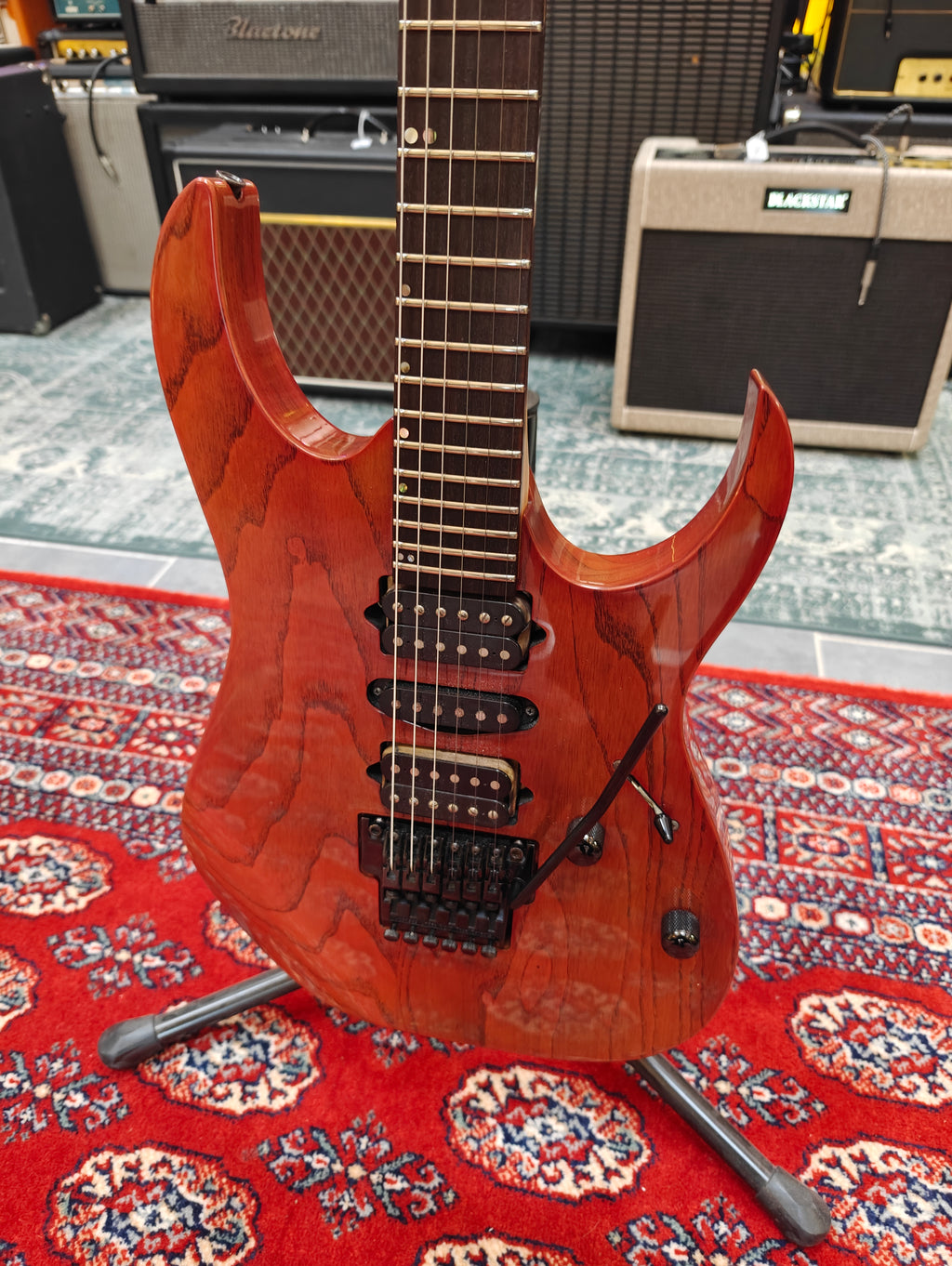
Quick answer: 1996 Ibanez price ranges in the United States
The table below gives practical U.S. resale ranges for common 1996 Ibanez categories. These are broad estimates for private-party sales, not guaranteed appraisals.
| 1996 Ibanez type | Typical U.S. value in playable condition | Higher value if original and excellent |
|---|---|---|
| Gio or entry-level model | $100–$250 | $250–$350 |
| Standard Korean-made electric | $150–$400 | $400–$600 |
| Japanese-made RG series | $400–$1,000 | $1,000–$1,500 |
| Japanese-made S series | $450–$1,100 | $1,100–$1,600 |
| USA Custom model | $900–$2,000 | $2,000–$3,000+ |
| JEM or other signature model | $1,000–$3,000 | $3,000–$5,000+ |
| Acoustic or basic classical model | $75–$300 | $300–$500 |
| Bass guitar | $150–$900 | $900–$1,500+ |
These figures assume the instrument is complete, functional, and sold in the United States. A guitar with broken hardware, major neck damage, replaced pickups, or missing parts may sell for much less.
A rare model with strong collector demand can exceed these ranges. A common model with heavy wear may fall below them.

Why the exact Ibanez model matters most
The model number is the best starting point for a valuation. Ibanez made many guitars in 1996, and they did not share the same materials, factory, hardware, or buyer demand.
A 1996 Japanese RG570 may have a slim Wizard neck, an Edge tremolo, and a basswood body. A lower-priced Korean model may look similar but use different hardware and construction. Those differences affect both playability and resale value.
Common 1996 Ibanez models include:
- RG series: Superstrat-style guitars often linked with rock and metal.
- S series: Thin-body guitars with curved tops and locking tremolo systems.
- JEM series: Steve Vai signature guitars with strong collector demand.
- USA Custom models: Limited-production instruments made for the U.S. market.
- EX and EXR series: Often lower-priced models made in Korea or elsewhere.
- Gio series: Entry-level Ibanez instruments.
- Artwood, acoustic, and classical models: Acoustic instruments with separate pricing patterns.
- Ibanez bass models: Including Soundgear and other bass lines.
Do not price a guitar from its body shape alone. Several Ibanez models from the 1990s look alike but have very different values.
How to find the model number
Look in several places:
- Check the front or back of the headstock.
- Look for a model code near the neck plate or bridge.
- Inspect the label inside an acoustic guitar.
- Search for a serial number guide after recording the full serial number.
- Compare the hardware, pickup layout, inlays, and body shape with period catalogs.
The model code may appear as a short name such as RG570, S540, JEM7VWH, or EX370. A partial code is less useful than the complete code.
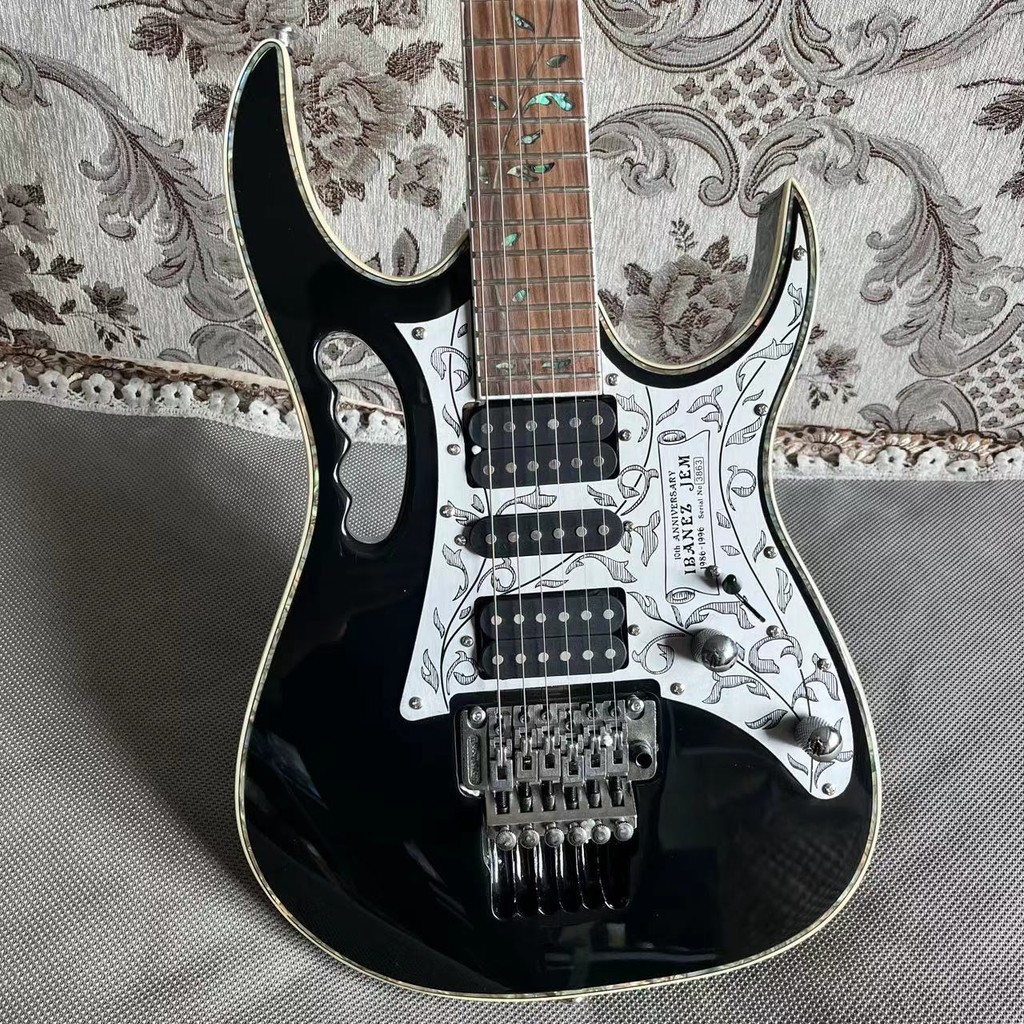
How much is a 1996 Ibanez RG worth?
A 1996 Ibanez RG is often worth $300 to $1,200, depending on the model. Higher-end Japanese RG guitars can sell for more than $1,000 when they retain their original hardware and have no serious damage.
Typical examples include:
- RG entry-level or lower-tier models: About $150–$400.
- RG5xx models: About $400–$900.
- RG7xx models: About $500–$1,200.
- Rare, limited, or highly original RG models: About $1,000–$1,800 or more.
The tremolo bridge is a major value factor. Many 1990s RG guitars used an Ibanez Edge or Lo-Pro Edge bridge. These bridges are well regarded, but repairs can be costly if parts are missing or the base plate is damaged.
A working original bridge can support the price. A guitar with a blocked, replaced, or heavily worn tremolo may be worth less, even if the rest of the instrument is clean.

How much is a 1996 Ibanez S worth?
A 1996 Ibanez S guitar is commonly worth $400 to $1,200 in the U.S. market. High-condition Japanese-made S models with original tremolo systems and electronics may reach $1,500 or more.
The S series has a thin, contoured body. Buyers often value:
- Japanese construction
- Original Edge or Lo-Pro Edge tremolo
- A straight neck
- Original pickups
- Clean frets
- No cracks around the neck joint
- Original finish and hardware
The thin body can show dents and finish wear more easily than a thicker guitar. Small cosmetic marks may not reduce the price much, but repairs to the neck joint or tremolo cavity can have a large effect.

How much is a 1996 Ibanez JEM worth?
A 1996 Ibanez JEM may be worth $1,000 to $3,000, with some highly original and desirable examples reaching $3,000 to $5,000 or more.
The exact JEM model is critical. A JEM7VWH, JEM77, or another signature variant may have a different value based on its finish, country of manufacture, pickup configuration, and production history.
JEM buyers often check:
- The correct monkey-grip body cutout
- The correct vine or other fretboard inlay
- Original DiMarzio pickups
- The correct tremolo
- Original knobs, switch tip, and hardware
- The finish and neck joint
- Whether the guitar has been refinished
- Whether the case and paperwork are included
A replacement pickup does not always make a JEM worthless. However, it can lower collector value because originality matters more in this category.

How condition changes the value of a 1996 Ibanez
Condition can change the price by hundreds of dollars. Two guitars with the same model number may have very different values.
Excellent condition
An excellent guitar has:
- A straight neck
- Working truss rod
- Good fret life
- Working electronics
- Original hardware
- No major cracks
- Light cosmetic wear
- A clean and stable finish
A high-end model in this condition may sell near the top of its range.
Good working condition
A good guitar may have normal scratches, fret wear, or small dents. It should still play well and have working electronics.
This is the most common condition for a 1996 Ibanez. Many instruments in this category sell near the middle of the market range.
Fair condition
A fair guitar may need setup work, fret dressing, electronic repairs, or replacement parts. It can still be worth buying, but the buyer will subtract repair costs from the price.
Poor or project condition
A project guitar may have:
- A broken headstock
- A warped or twisted neck
- Missing tremolo parts
- Severe rust
- Nonworking electronics
- Structural cracks
- A refinished or stripped body
A common project model may be worth only $50 to $250. A rare JEM or USA Custom model may still be valuable for parts, but a professional inspection is wise before setting a price.

Original parts can add value
Original parts usually help a 1996 Ibanez sell for more, especially when the model has collector interest. This includes the original pickups, bridge, tuners, knobs, neck plate, and finish.
Common modifications include:
- Aftermarket pickups
- Replacement locking tuners
- Blocked tremolo systems
- Refinished bodies
- Added routing
- Replaced pickguards
- Non-original necks
- Extra holes from hardware changes
Modifications can improve a guitar as a player’s instrument. They do not always improve its resale value.
A practical rule is:
Original parts support collector value. Useful upgrades support player value.
Keep any removed original parts. A guitar with installed aftermarket pickups may be worth more if the original pickups are included in the case.

Country of manufacture and the 1996 Ibanez serial number
The country of manufacture can help identify the instrument, but the serial number alone is not a complete appraisal.
Many 1990s Ibanez guitars were made in Japan, Korea, or other production locations. Japanese-made instruments often bring higher prices when they belong to respected RG, S, JEM, or USA Custom lines. Korean-made guitars can still be good instruments, but their market value is often lower.
A serial number may help with:
- Approximate production date
- Factory identification
- Authenticity checks
- Separating similar models
Serial number systems can vary by factory and period. Do not assume that every first digit gives the year. Compare the serial number with the headstock logo, hardware, body shape, and period catalog information.
For a rare or expensive guitar, ask a qualified Ibanez specialist to confirm the model before relying on a serial number website.

How to value your 1996 Ibanez step by step
Use this process to create a realistic U.S. price estimate.
1. Identify the full model
Record every marking on the headstock, neck plate, and labels. Photograph the front, back, headstock, bridge, pickups, and serial number.
2. Record the country of manufacture
Look for a “Made in Japan,” “Made in Korea,” or similar marking. Do not rely on appearance alone.
3. Check whether the guitar works
Test:
- All pickups
- Volume and tone controls
- Pickup selector
- Output jack
- Tremolo movement
- Tuning stability
- Truss rod function, if qualified to check it
- Neck straightness
- Fret condition
Do not force a stuck truss rod or tremolo arm.
4. List original and replacement parts
Write down every changed part. Include whether the original parts are available.
5. Find completed U.S. sales
Look at sold listings on marketplaces such as Reverb and eBay. Use completed sales rather than active asking prices.
Compare only similar guitars:
- Same model
- Similar condition
- Similar originality
- Similar included accessories
- Similar U.S. location and shipping terms
6. Adjust for repair costs
If the guitar needs $200 of professional work, buyers may reduce their offer by more than $200. They also accept the risk that the repair could cost more than expected.
7. Set a price based on the selling method
A private local sale may bring a different price from a specialist dealer. Online sales may reach more buyers but involve packing, shipping, platform fees, and return risk.

A simple value calculation
A useful estimate starts with a comparable sold price and then adjusts for the guitar’s condition.
Example hypothetical calculation:
- Similar original 1996 RG sales: $750
- Moderate fret wear: minus $75
- Replacement bridge: minus $125
- Fresh professional setup: plus $75
- Original case: plus $100
Estimated private-sale value: about $725
This is not a formal appraisal. It shows how to think about the price without treating the year as the main factor.
For an online listing, you may need to price higher to cover fees and shipping. For a quick local sale, a lower price may attract buyers faster.

What lowers the value of a 1996 Ibanez?
The following issues often reduce resale value:
- Neck cracks or repairs
- A warped neck
- A stripped truss rod
- Missing tremolo parts
- Severe fret wear
- Rust on hardware
- Dead pickups or controls
- Routing for replacement electronics
- A non-original neck
- A refinished body
- Missing model-specific inlays
- Water damage
- Noisy or intermittent output jack
A normal scratch is usually less serious than a structural repair. Buyers care most about problems that affect playability, stability, or authenticity.
Do not sand, refinish, or alter the guitar before checking its value. A poor repair can reduce the price more than the original damage.

What raises the value?
The strongest positive factors are:
- A desirable model
- Japanese manufacture
- Original pickups and bridge
- Clean finish
- Straight neck
- Healthy frets
- Working electronics
- Original case
- Period paperwork
- Unusual or limited finish
- Clear ownership and repair history
A professional setup can make a guitar easier to sell. It does not turn a common model into a rare one, but it can help buyers judge the instrument fairly.
Photographs also matter. Use clear daylight photos of the front, back, headstock, bridge, frets, serial number, and any damage.

Asking price versus actual selling price
An asking price is not proof of market value. Sellers may list a 1996 Ibanez for months at a price that buyers will not pay.
Use this order of evidence:
- Completed sales of the same model
- Completed sales of close equivalents
- Current listings from established dealers
- Private asking prices
- Online price guides and forum opinions
A dealer may list the guitar for more because the price includes inspection, setup, warranty coverage, and business overhead. A private seller may receive less but complete the sale more quickly.
When comparing prices, check whether shipping, tax, case value, and platform fees are included.

How much should you pay for a 1996 Ibanez?
A fair purchase price depends on the same factors as a selling price. Before buying, ask for:
- The full model number
- Clear photos of the neck and headstock
- A photo of the serial number
- A description of all modifications
- A video or confirmation that the electronics work
- Details about fret wear
- Information about repairs
- The case and included parts
For an online purchase, use a payment method with buyer protection. Be cautious if the seller refuses serial-number photos, uses only old stock photos, or claims that every 1996 Ibanez is rare because of its age.
Vintage-style language can create false urgency. A guitar made in 1996 is older, but age does not automatically create collector value.

Common mistakes when pricing a 1996 Ibanez
Using the year as the main price signal
The year helps identify the production period. It does not replace the model number.
Comparing a new replacement model
A current RG or S model may share a name with a 1996 guitar but use different parts and construction. Compare the exact vintage model whenever possible.
Trusting active listings
A high asking price may reflect hope, not demand. Completed sales provide better evidence.
Ignoring modifications
A replacement bridge or neck can have a major effect on value. Read the listing details carefully.
Assuming every Japanese Ibanez is expensive
Japanese manufacture can help, but the model and condition still decide the price.
Overlooking repair cost
A low purchase price may not be a bargain if the guitar needs fret work, bridge parts, or structural repair.
Frequently asked questions
Is a 1996 Ibanez guitar considered vintage?
In the United States, people often use “vintage” informally for older guitars. A 1996 Ibanez is now several decades old, but its value depends on demand, rarity, condition, and originality. The label alone does not guarantee a high price.
Does a 1996 Ibanez have more value because it was made in Japan?
Often, yes, especially for desirable RG, S, JEM, and USA Custom models. Japanese manufacture is only one factor. A common Japanese model in poor condition may be worth less than a clean, desirable model made elsewhere.
How can I tell whether my Ibanez is a JEM or RG?
Check the model markings, body features, inlays, pickup layout, and tremolo. JEM models often have distinctive body cuts and fretboard details. Do not identify the guitar from the body shape alone.
Are replacement pickups bad for value?
Not always. They may help the guitar’s value to a player if the new pickups are useful and professionally installed. They can reduce collector value, especially when the original pickups are missing.
Should I get an appraisal?
An appraisal can make sense for a rare JEM, USA Custom, limited model, insurance schedule, estate sale, or disputed ownership. For a common RG or Gio, recent completed sales may provide a practical estimate at much lower cost.
Key takeaways
- Most 1996 Ibanez guitars sell for about $200 to $1,500 in the United States.
- Common entry-level models may be worth less than $300.
- Japanese RG and S models often fall between $400 and $1,200.
- JEM and USA Custom models may sell for $1,000 to $5,000 or more.
- Exact model, condition, originality, and recent completed sales matter more than the year.
- A serial number helps with identification but does not prove market value.
- Use sold listings, not only active asking prices.
- Keep original parts and avoid refinishing before checking the guitar’s value.
Conclusion
To find out what a 1996 Ibanez guitar is worth, identify the exact model first. Then check its country of manufacture, condition, originality, and recent U.S. completed sales.
A common Gio may be a modest $100 to $250 instrument. A clean Japanese RG or S may be worth several hundred to more than $1,000. A rare JEM or USA Custom can be worth several thousand dollars.
The best next step is to photograph the guitar, record its full model and serial number, and compare it with at least three completed sales of the same model and condition.