

For most players, Yamaha is the best acoustic guitar brand because it combines quality, value, comfort, and reliable build standards.
Choosing the best acoustic guitar brand is not only about price or fame. It depends on your playing style, body size, budget, tone, and long-term goals. After comparing common guitar designs, materials, neck shapes, electronics, and real-world value, I find Yamaha the strongest all-around choice. However, Martin, Taylor, Guild, Gibson, Seagull, and Fender may suit different players better. This guide will help you find the right match instead of simply buying the most expensive name.
What Is the Best Acoustic Guitar Brand?
The best acoustic guitar brand for most people is Yamaha. Its guitars often offer strong construction, easy playability, balanced tone, and fair prices across beginner, intermediate, and professional ranges.
Yamaha is especially useful for new players because its entry-level instruments are usually consistent. A beginner can buy a Yamaha acoustic guitar, learn basic chords, and keep using it for years without quickly outgrowing it.
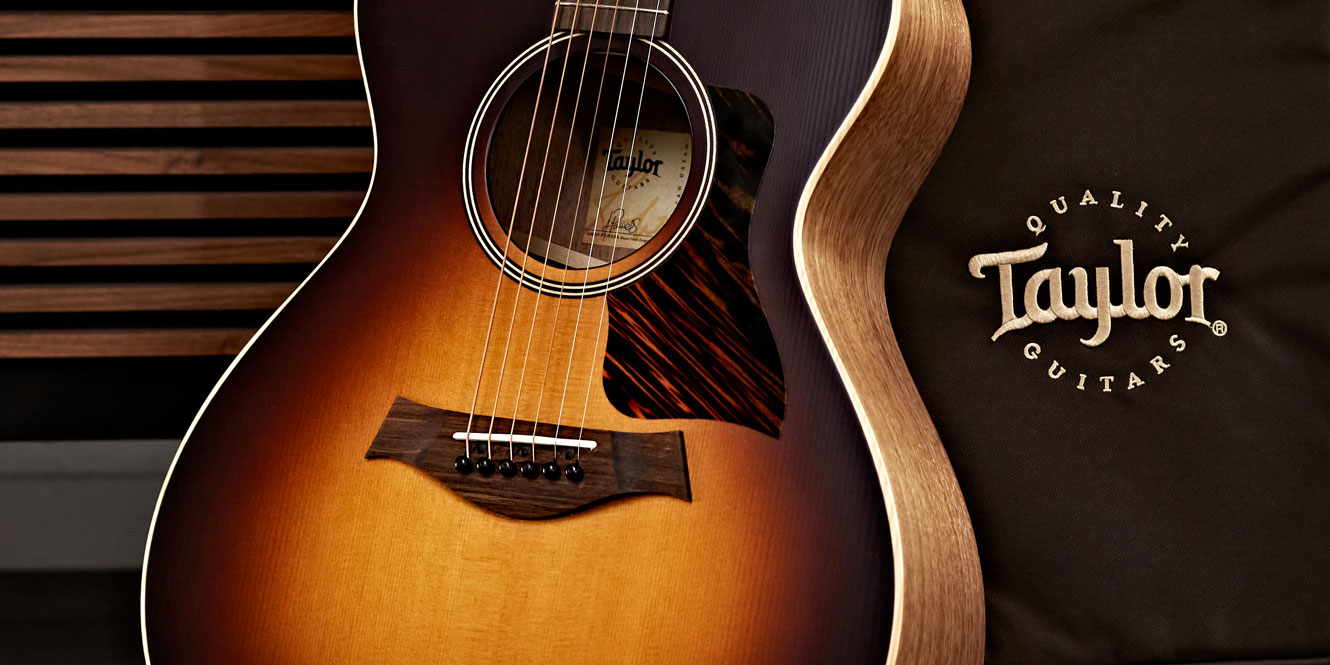
That said, there is no single winner for every guitarist. Martin may be the best acoustic guitar brand for traditional tone, while Taylor may be better for smooth playability and modern design.
Here is a simple overview:
• Best overall value: Yamaha
• Best for traditional sound: Martin
• Best for playability: Taylor
• Best for premium craftsmanship: Gibson
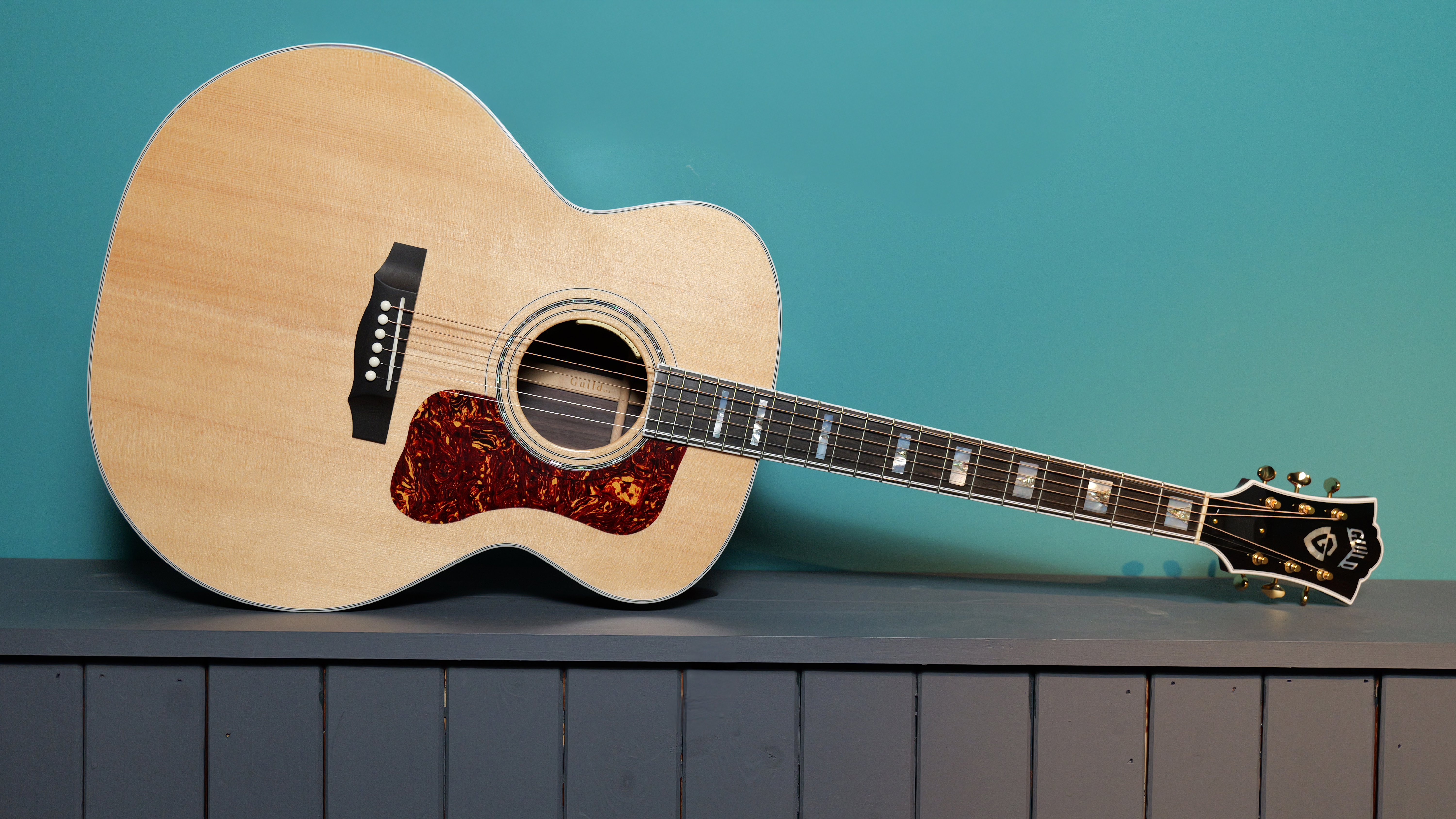
• Best for warm, rich tone: Guild
• Best for affordable solid wood: Seagull
• Best for casual beginners: Fender
• Best for stage performance: Taylor or Takamine
The “best acoustic guitar brand” is the one that gives you the sound, comfort, and reliability you need at a price you can afford.
How We Compare Acoustic Guitar Brands
A guitar brand should not be judged by its logo alone. A respected company can make excellent guitars and weaker models. The model, materials, factory, setup, and quality control all matter.
When comparing the best acoustic guitar brand options, focus on these areas:
Tone
Tone describes the guitar’s sound. Some guitars sound bright and clear. Others sound warm, deep, or powerful.
Spruce tops often produce a clear and lively sound. Mahogany tops can sound warmer and more direct. Rosewood back and sides may add deep bass and sparkling highs, while sapele offers a balanced and practical alternative.
Playability
A guitar can sound wonderful but still feel hard to play. Check the neck shape, string height, fret edges, body size, and access to higher frets.
A comfortable guitar encourages practice. An uncomfortable one may sit in its case, even if it has a famous name.
Build quality
Look for clean binding, smooth frets, a straight neck, a well-fitted bridge, and even finish work. Small flaws can become larger problems when the guitar ages.
A good acoustic guitar should also resist normal changes in temperature and humidity. No wooden guitar is immune to climate, but careful construction helps.
Value
Value does not mean the lowest price. It means getting the best combination of quality, tone, comfort, and service for your budget.
A $300 guitar that you play every day may offer more value than a $2,000 guitar that feels wrong in your hands.
Support and resale value
Established brands often provide better warranty support and replacement parts. Their guitars may also hold value more consistently in the used market.
This does not mean a lesser-known maker is a bad choice. It simply means brand reputation can reduce buying risk.
The Best Acoustic Guitar Brand by Player Type
Different players need different guitars. A child, a campfire player, a songwriter, and a touring musician may all choose different brands.
Best acoustic guitar brand for beginners
Yamaha is one of the safest choices for beginners. Models such as the Yamaha FG series are widely known for simple construction, dependable tone, and reasonable prices.
Fender also makes approachable beginner guitars. Its smaller models can feel less intimidating for players with small hands or limited upper-body strength.
A beginner should prioritize:
• A comfortable body size
• Low or moderate string height
• A stable neck
• Good tuning machines
• A clear return policy
• A setup from a qualified guitar shop
Do not assume a full-size dreadnought is always best. A smaller concert or orchestra body may be easier to hold and play.
Best acoustic guitar brand for singer-songwriters
Taylor is a strong choice for singer-songwriters. Many Taylor guitars have clear note separation, comfortable necks, and balanced projection. These qualities help the guitar support vocals without covering them.
Martin is also a popular choice. Its guitars often provide a broad, woody sound that works well for strumming and vocal accompaniment.
Best acoustic guitar brand for traditionalists
Martin is often the best acoustic guitar brand for players who want a classic American acoustic sound. Its dreadnought designs have influenced generations of folk, country, bluegrass, and rock musicians.
Gibson also has a strong place in acoustic guitar history. Its instruments can offer a warm, powerful voice, although premium models may cost more and require careful setup.
Best acoustic guitar brand for live performers
Taylor and Takamine are known for stage-friendly instruments. Their pickup systems can produce a clear amplified sound when properly installed and adjusted.
For live work, also consider:
• Feedback control
• Tuner quality
• Pickup controls
• Neck comfort
• Case strength
• Access to repair service
A guitar that sounds perfect at home may behave differently under stage lights and loud monitors.

Yamaha vs. Martin vs. Taylor
These three brands often appear when people ask, “What is the best acoustic guitar brand?” Each has a different strength.
Yamaha
Yamaha offers one of the broadest ranges of acoustic guitars. Its lower-cost models are accessible, while its higher-end instruments can compete with respected professional brands.
Yamaha is a strong choice when you want:
• Dependable quality
• Good beginner options
• Many body sizes
• Fair pricing
• Easy availability
Its main limitation is that some players prefer the more distinctive character of a handmade or premium American guitar.
Martin
Martin is closely linked with the classic steel-string acoustic guitar. Its guitars often have strong projection, rich low notes, and a familiar traditional voice.
Martin is ideal if you want:
• A classic dreadnought sound
• Strong strumming power
• Long-term brand recognition
• Premium traditional designs
The main drawback is price. Some Martin models also have large bodies that may feel uncomfortable for smaller players.
Taylor
Taylor focuses heavily on playability, consistency, and modern manufacturing. Its necks often feel smooth and predictable, which many new players appreciate.
Taylor is ideal if you want:
• Easy fretting
• Clear note separation
• Comfortable body shapes
• Reliable electronics
• Modern design
Some players find Taylor guitars brighter or less woody than traditional Martin models. Tone is personal, so this is not a defect. It is simply a different design goal.

Acoustic Guitar Body Shapes and Their Impact
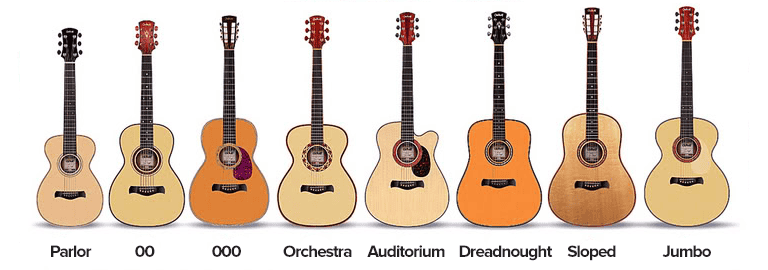
The body shape affects volume, bass response, comfort, and playing style. It can matter as much as the brand.
Dreadnought
Dreadnought guitars have large bodies and strong projection. They suit strumming, country music, bluegrass, and players who want a powerful sound.
Their size can be tiring for smaller players. Always sit with one before buying.
Concert and auditorium
These guitars are often more balanced and comfortable. They work well for fingerstyle, light strumming, and singer-songwriters.
Many players find this shape a useful middle ground. It has enough volume for home use but does not feel as bulky as a dreadnought.
Grand auditorium
Grand auditorium guitars offer a flexible blend of comfort and projection. They are popular with players who switch between fingerpicking and strumming.
Parlor
Parlor guitars are small and easy to hold. They often have a focused, midrange-heavy sound that works well for blues and folk music.
They may not produce the same volume or low-end power as a dreadnought. That trade-off is part of their charm.
Travel guitar
Travel guitars are compact and practical. They are useful for road trips, casual practice, and younger players.
Their smaller bodies may produce less bass. Still, a good travel guitar can be more useful than a large instrument that never leaves the house.
Wood Types: What Should You Look For?
Acoustic guitar wood affects tone, weight, appearance, and price. The most important part is usually the top, also called the soundboard.
Spruce
Spruce is common because it offers strong projection and a wide dynamic range. It can sound gentle when played softly and powerful when played hard.
Sitka spruce is especially common in steel-string guitars. It works well for many playing styles.
Cedar
Cedar often produces a warm and responsive sound. It can suit fingerstyle players and those who use a lighter touch.
Cedar may compress sooner than spruce when played very aggressively. That means very hard strumming can reduce its clarity.
Mahogany
Mahogany tops often create a dry, focused, and warm tone. Mahogany back and sides can add strong midrange and direct response.
This wood is popular with blues players and songwriters who want every note to feel close and clear.
Rosewood
Rosewood back and sides can create deep bass and rich treble. It is common on premium guitars, though supply and environmental rules may affect availability.
Laminated wood
Laminated wood uses layers pressed together. It is often more affordable and may handle changes in humidity better than solid wood.
A laminated guitar is not automatically poor. Many reliable stage and travel guitars use laminated construction.
Solid wood
Solid wood can mature and develop a richer voice over time. It may also respond more naturally to changes in playing force.
The limitation is care. Solid wood needs stable humidity and careful storage to reduce the risk of cracks.

Acoustic-Electric Guitars: Are They Worth It?
An acoustic-electric guitar has a built-in pickup and preamp. You can play it without an amplifier, then connect it to a sound system or acoustic amp when needed.
For a player who performs in public, an acoustic-electric guitar can be a smart investment. It removes the need to install a pickup later and often includes a built-in tuner.
However, electronics do not automatically improve the unplugged sound. A guitar should sound good before you plug it in.
When testing an acoustic-electric guitar, check:
• Natural unplugged tone
• Pickup clarity
• Feedback resistance
• Battery access
• Tuner accuracy
• Control placement
• Compatibility with your amplifier
Taylor, Takamine, Yamaha, and Martin all make respected acoustic-electric instruments. The best acoustic guitar brand for live use depends on the pickup system and your performance needs, not just the headstock logo.
How Much Should You Spend on an Acoustic Guitar?
You do not need to spend thousands of dollars to get a good acoustic guitar. A well-made beginner instrument can support years of learning.
Under $300
This range includes many entry-level guitars. Expect laminated wood, basic hardware, and simple finishes. You can still find excellent value, especially from Yamaha, Fender, and Epiphone.
$300 to $800
This range often offers better fretwork, improved tonewoods, more comfortable necks, and stronger construction. It is a useful target for serious beginners and intermediate players.
$800 to $2,000
You may find solid wood construction, better electronics, refined finishing, and more consistent setup. Taylor, Martin, Guild, Seagull, and Yamaha offer strong choices in this area.
Above $2,000
This range includes premium production guitars and handmade instruments. You may receive more detailed craftsmanship and a more complex tone, but the improvement is not always equal to the price increase.
A common mistake is spending too much on the brand and too little on a professional setup. A simple adjustment can make an affordable guitar feel far better.

Mistakes to Avoid When Buying an Acoustic Guitar
Many guitar buyers focus on appearance first. A beautiful finish is nice, but it should not hide poor playability.
Avoid these common mistakes:
• Buying only because a famous musician uses the brand
• Choosing a body that feels too large
• Ignoring high string action
• Testing only one guitar
• Skipping the return policy
• Assuming expensive means perfect
• Storing solid wood without humidity control
• Forgetting the cost of a case, strings, and setup
When I compare guitars, one lesson stands out: comfort changes everything. A player who enjoys holding the instrument practices more. Practice improves skill far faster than a prestigious logo.
Try several guitars with the same short test:
- Play open chords near the nut.
- Play a simple melody on each string.
- Strum softly, then firmly.
- Check for buzzing.
- Sit and stand with the guitar.
- Listen from several feet away if possible.
That final step matters. A guitar can sound different from the player’s position than it does across the room.
How to Test the Best Acoustic Guitar Brand in a Store
Take your time. You do not need to play difficult music. A few basic tests can reveal a lot.
First, inspect the neck. Look from the headstock toward the bridge and check that the neck appears reasonably straight. A small amount of relief is normal, but major twists or bows deserve professional attention.
Next, test the action. Action is the distance between the strings and fretboard. Very high action can make chords painful. Very low action can cause buzzing.
Then listen for balance. Play each string across several frets. The notes should sound clear and even, without sudden dead spots.
Also check the tuning machines. Turn each one slowly. They should feel smooth and hold the strings in tune.
If you buy online, choose a seller with a clear return policy. Acoustic guitars vary from one instrument to another, even within the same model.
Acoustic Guitar Care and Maintenance
The best acoustic guitar brand still needs proper care. Wood responds to heat, cold, and moisture.
Keep your guitar away from:
• Radiators
• Direct sunlight
• Hot car trunks
• Damp basements
• Air-conditioning vents
• Rapid temperature changes
A room humidity level near 45% to 55% is often recommended for wooden instruments. A small digital hygrometer can help you monitor the environment.
Change strings when they sound dull or feel rough. Wipe the strings and neck after playing. Keep the guitar in a proper case when you are not using it.
If the bridge lifts, the top bulges sharply, or the frets become difficult to play, visit a qualified guitar technician. Do not try major repairs with household glue.
Frequently Asked Questions About the Best Acoustic Guitar Brand
What is the best acoustic guitar brand for beginners?
Yamaha is often the best acoustic guitar brand for beginners because it offers reliable construction, comfortable models, and reasonable prices. Fender and Epiphone also offer useful beginner options.
Is Martin better than Taylor?
Neither brand is always better. Martin often suits players who want a warm, traditional, powerful sound, while Taylor may suit players who prefer smooth playability and clear note separation.
What is the best acoustic guitar brand under $500?
Yamaha is one of the strongest choices under $500. Seagull, Fender, Epiphone, and Alvarez also offer models worth testing in this price range.
Is a solid-top acoustic guitar worth the extra money?
A solid-top guitar can provide more resonance and dynamic response than a fully laminated model. It is worth considering if you plan to practice often, but a good setup may matter just as much.
What acoustic guitar brand holds its value best?
Martin, Taylor, and Gibson often have strong resale demand. Condition, model, age, original case, and repair history also affect used value.
Should I buy an acoustic or acoustic-electric guitar?
Choose an acoustic-electric model if you expect to perform or record with amplification. If you only play at home, a standard acoustic guitar may give you better value.
Does the most expensive acoustic guitar sound the best?
No. Price can reflect materials and craftsmanship, but tone remains personal. The best acoustic guitar brand for you is the one that feels comfortable and sounds inspiring in your hands.
Conclusion
Yamaha is the best acoustic guitar brand for many players because it offers dependable quality, broad model choices, and strong value. Martin stands out for classic tone, Taylor for comfort and clarity, Guild for rich sound, Seagull for solid construction, and Takamine for live performance.
Choose by sound, comfort, body size, construction, and budget rather than reputation alone. Test several guitars, check the setup, and select the one that makes you want to play today. Explore local guitar shops, compare trusted models, and share your favorite acoustic guitar brand in the comments.