

Stevie Ray Vaughan’s guitars are mainly held by his family, private collectors, museums, and selected music institutions.
Stevie Ray Vaughan’s guitars are more than famous tools of the blues. They are pieces of Texas music history, and their locations can change through loans, exhibitions, auctions, and private sales. This guide explains where Stevie Ray Vaughan’s guitars are believed to be today, which instruments are best documented, and why some locations remain private or uncertain.
Why Stevie Ray Vaughan’s guitars matter
Stevie Ray Vaughan changed electric blues with a powerful mix of Texas shuffle, rock energy, and deep emotional phrasing. His tone came from more than his playing. His Fender Stratocasters, heavy strings, strong picking attack, amplifiers, and careful setup all played a role.
That is why fans often ask where are Stevie Ray Vaughan’s guitars. Each major instrument has its own story. Some were used on stage, some appeared on recordings, and others were gifts or personal favorites.
The guitars also carry strong links to Vaughan’s family and close musical circle. After his death in 1990, the Stevie Ray Vaughan estate helped preserve many important instruments and personal items. However, not every guitar is on permanent public display.

Where are Stevie Ray Vaughan’s guitars today?
There is no single museum or permanent collection that holds all of Stevie Ray Vaughan’s guitars. The instruments are spread across several groups:
• The Vaughan family and estate retain or manage some key guitars.
• Private collectors own other instruments that have changed hands through auction.
• Museums and music centers sometimes display guitars on loan.
• Fender has produced authorized Stevie Ray Vaughan tribute models, but these are replicas, not Vaughan’s original stage instruments.
• Some guitars are in private collections, so their current locations are not publicly confirmed.
When people search for where are Stevie Ray Vaughan’s guitars, they often expect one clear answer. The more accurate answer is that the guitars have different ownership histories.
Public displays can also be temporary. A guitar may appear in an exhibition for a few months and then return to a private owner. For that reason, fans should check the latest museum announcements before planning a visit.
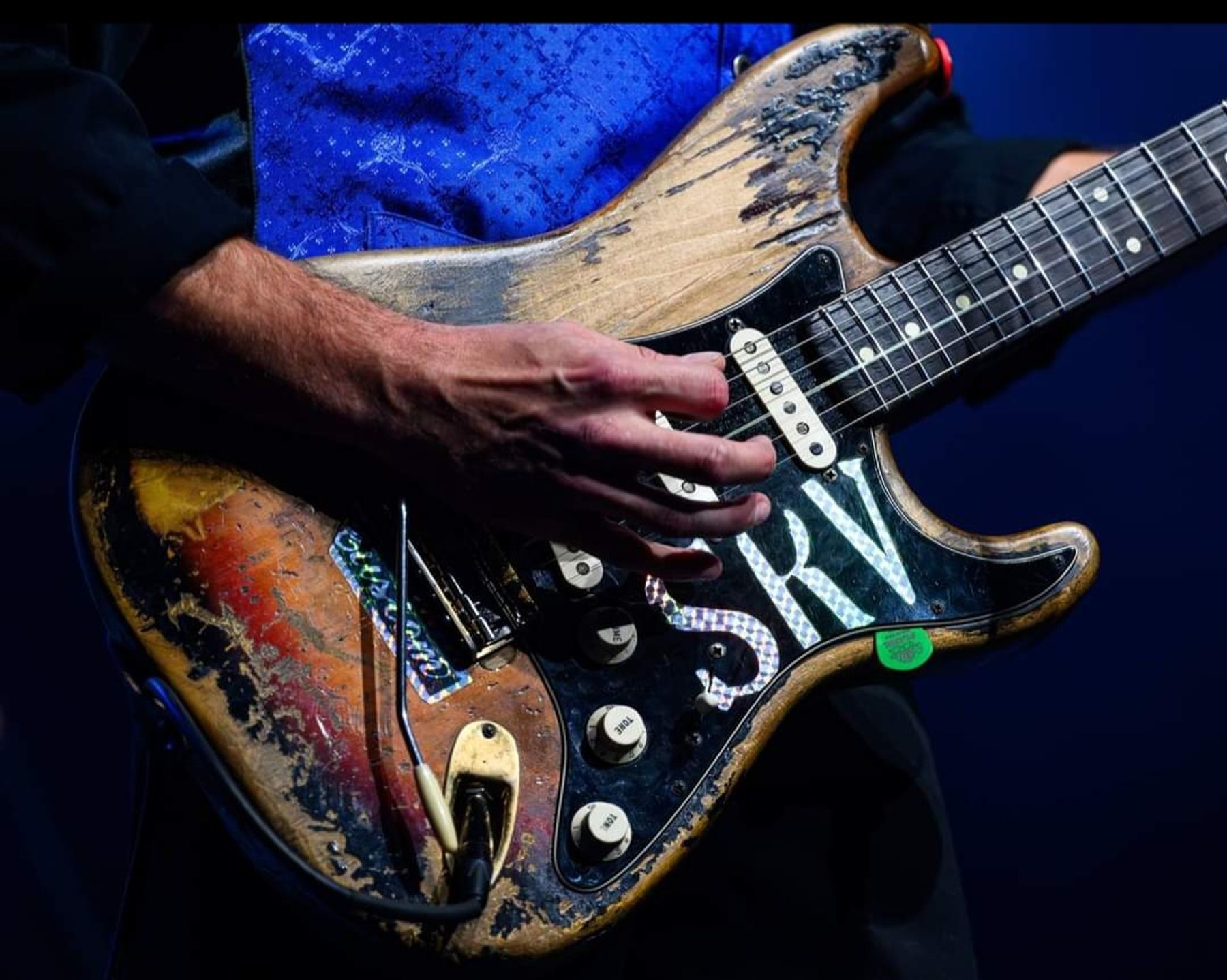
Stevie Ray Vaughan’s “Number One” Stratocaster
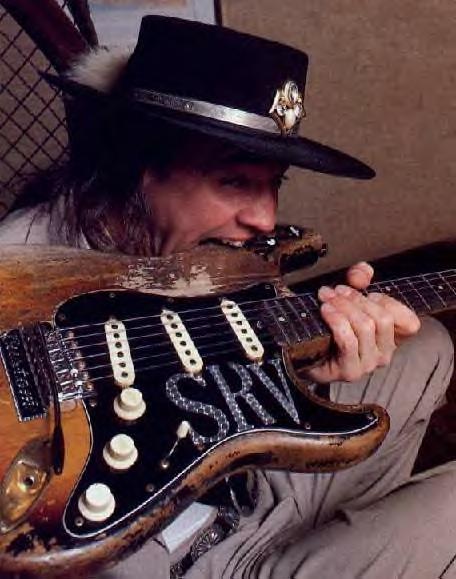
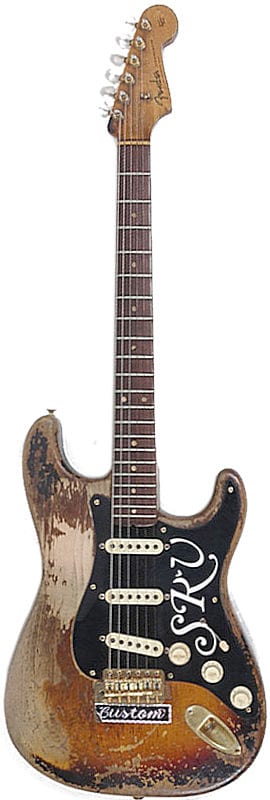
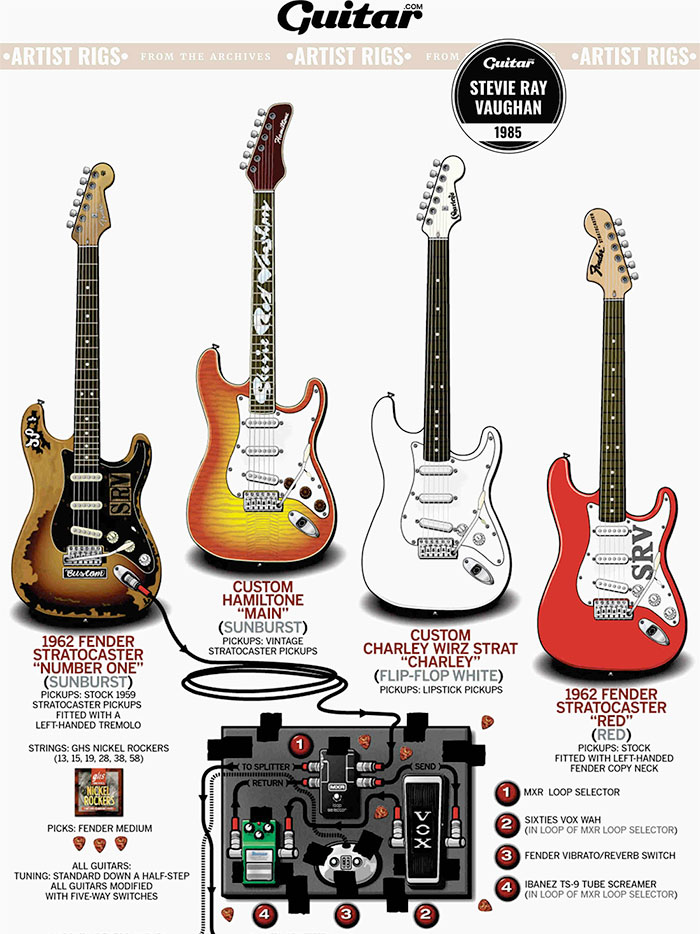
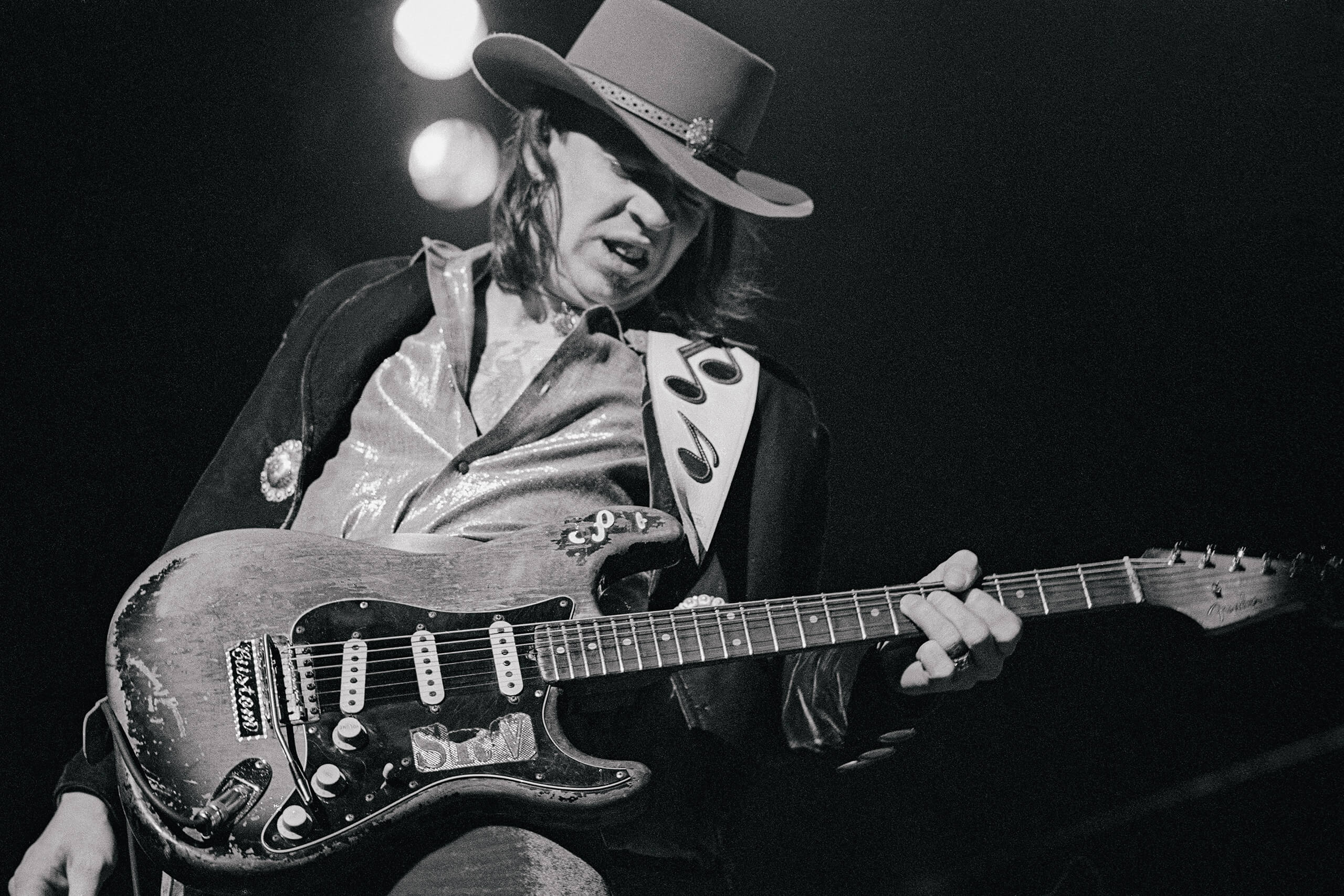
“Number One” is Stevie Ray Vaughan’s most famous guitar. It was a sunburst Fender Stratocaster with a worn appearance, a distinctive neck, and a powerful sound that became closely linked with Vaughan’s identity.
Vaughan bought the guitar in the 1970s. He later replaced parts of it, including the neck and pickups, while keeping the instrument’s familiar look. The guitar became his main stage instrument and appeared throughout much of his career.
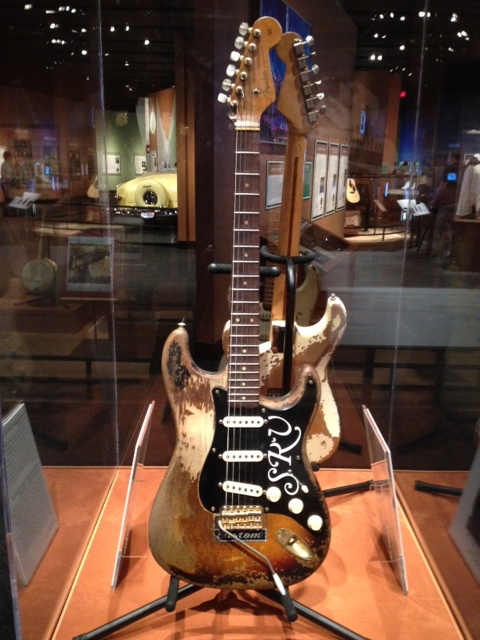
The answer to where are Stevie Ray Vaughan’s guitars often begins with Number One. The guitar has remained closely associated with the Vaughan family and has been displayed publicly at times through exhibitions and special events. It is not generally available for regular public viewing.
Reports have also connected Number One with Jimmie Vaughan, Stevie’s brother and a respected blues guitarist in his own right. Because ownership and display arrangements may change, it is safest to describe the guitar as being under family or estate control unless an official announcement confirms a current exhibit.
Number One is also easy to confuse with Fender’s Stevie Ray Vaughan Signature Stratocaster. Fender’s model copies many visual and technical features, but it is not the original guitar played by Vaughan.
Where is “Lenny,” Stevie Ray Vaughan’s favorite guitar?
“Lenny” was another important Fender Stratocaster. Vaughan named it after his wife, Lenora, and used it for some of his most expressive performances. The guitar had a natural wood finish and a warm, singing tone that stood apart from the rougher sound of Number One.
Lenny became especially famous through performances of the instrumental song “Lenny.” Vaughan often used a softer touch on the guitar, allowing the notes to ring with space and emotion.
The guitar was sold at a major charity auction in the early 2000s. Public reports placed the sale price at more than $600,000. The buyer was associated with Guitar Center, and the guitar was later displayed in connection with the company’s collection and public music exhibits.
The current permanent location of Lenny is not always clearly reported. It may be held privately or displayed only during selected events. This is one reason the question where are Stevie Ray Vaughan’s guitars does not have one fixed answer.
Collectors should also watch for false listings. A guitar described as “Lenny” needs strong proof, including a documented chain of ownership, photographs, expert review, and records from the original estate or auction.
“Scotch,” “Charley,” and other important guitars
Stevie Ray Vaughan owned and played many guitars beyond Number One and Lenny. Several instruments had nicknames and unique stories.
“Scotch”
“Scotch” was a well-known Fender Stratocaster associated with Vaughan’s stage work. Its name came from its finish and appearance. Like many of Vaughan’s guitars, it showed heavy use and changes made over time.
Its present location is not consistently documented in public records. It has appeared in discussions of Vaughan’s equipment, but fans should be careful when online sources state that it is permanently housed in a certain museum without an official confirmation.
“Charley”
“Charley” was a white Stratocaster linked to Vaughan’s later career. It was known for its strong visual presence and modified design. Vaughan used several guitars with different pickup layouts and parts, so photographs alone may not prove an instrument’s identity.
The guitar has been connected to the Vaughan family and private ownership. Its current public display status is uncertain.
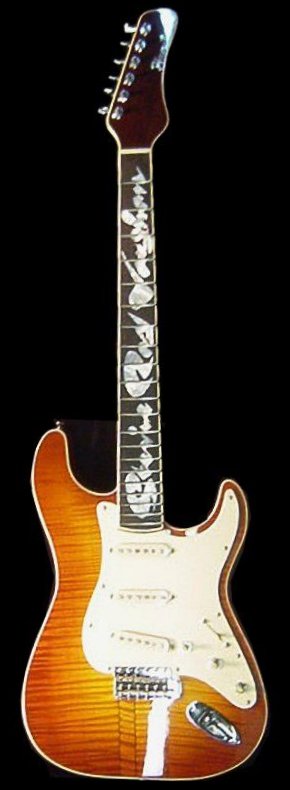
“Main”
“Main” was another guitar associated with Vaughan’s working collection. Instruments such as Main, Scotch, and Charley were not always used in the same role. Vaughan’s technicians often maintained several guitars so that he could change instruments during a long show.
These guitars show why a simple list of locations can be misleading. Some were sold, some stayed within the family, and some may be held by collectors who value privacy.
Are Stevie Ray Vaughan’s guitars in museums?
Some of Stevie Ray Vaughan’s guitars and personal items have appeared in museum exhibitions, but there is no permanent public home for the entire collection.
Museums in Texas and music institutions across the United States have displayed Vaughan-related material. Exhibits may include:
• Original guitars or instruments connected to Vaughan
• Stage clothing and hats
• Amplifiers and effects pedals
• Concert photographs
• Handwritten notes and personal documents
• Awards, records, and tour memorabilia
A museum display does not always mean the institution owns the guitar. Many important items are loaned by families, estates, collectors, or corporate collections.
If you want to see where are Stevie Ray Vaughan’s guitars in person, contact the museum before visiting. Ask whether the exhibit includes an original Vaughan instrument or an authorized reproduction. This small step can prevent a disappointing trip.
The Austin area remains especially important for Vaughan fans because of his deep connection to Texas. His memorial, music landmarks, and local exhibitions help tell his story, even when a specific guitar is not on display.
Why some guitar locations are private
Famous instruments are valuable, fragile, and expensive to insure. Owners may keep them in controlled storage rather than display them in public. A guitar can suffer from heat, humidity, bright light, vibration, and repeated handling.
Security is another concern. A well-known guitar can attract unwanted attention. Private owners may avoid publishing a home address, storage facility, or exact collection details.
There is also a difference between historical ownership and current ownership. A guitar may have been sold at auction years ago, while later reports continue to repeat the old location.
For accurate research, use a simple evidence scale:
Official estate or family statement
Museum announcement or exhibit record
Auction documentation
Reputable music publication
Collector testimony with supporting records
Unverified social media post or fan forum
The last category can offer useful clues, but it should not be treated as proof. This is an important lesson for anyone researching where are Stevie Ray Vaughan’s guitars.
How to identify an authentic Stevie Ray Vaughan guitar
An original Stevie Ray Vaughan guitar should have a clear history. A worn finish alone proves nothing. Many modern Fender guitars copy the look of Vaughan’s instruments, and many older Stratocasters naturally develop similar wear.
Look for these forms of evidence:
• A documented connection to Vaughan’s estate
• Auction records from a recognized house
• Photographs showing the same unique marks over time
• Statements from former technicians, band members, or family representatives
• Serial numbers and Fender production records
• Repair, modification, or appraisal documents
• A complete ownership trail from Vaughan to the present holder
Original instruments can also contain replacement parts. Number One, for example, changed over the years. A replacement neck or pickup does not automatically make a guitar fake, but it does make expert documentation more important.
A useful practical rule is this: never buy a “Stevie Ray Vaughan guitar” based only on a seller’s story. Ask for records, compare photographs, and use an independent expert who understands vintage Fender instruments.
Original guitars versus Stevie Ray Vaughan replicas
Fender has made official Stevie Ray Vaughan Signature Stratocasters. These guitars are designed for fans who want features inspired by Vaughan’s instrument, including:
• A left-handed tremolo bridge mounted on a right-handed body
• Texas Special-style pickups
• A large “SRV” pickguard design
• A V-shaped neck profile
• A three-color sunburst finish on many versions
These models can produce a strong blues tone, but they are not the guitars played by Vaughan. The difference matters to collectors and historians.
An authorized replica is a useful way to experience some of Vaughan’s design choices without risking a rare original. It also gives players access to replacement parts and modern reliability.
The same distinction applies to tribute guitars made by other builders. A high-quality replica may be an excellent instrument, but it should never be marketed as an original unless its history can be proven.
What happened to Stevie Ray Vaughan’s gear after his death?
After Vaughan died in a helicopter crash in 1990, his instruments and equipment became part of a much larger musical legacy. His family, estate representatives, friends, and business partners helped protect or distribute different items.
Some gear remained connected to the Vaughan family. Some pieces were sold for charity or through private transactions. Others appeared in exhibitions, books, documentaries, and tribute events.
It is important to remember that not every object associated with Vaughan was used on every recording. He owned backup guitars, touring instruments, studio instruments, and guitars that he modified for specific needs.
His equipment also changed over time. Pickups, bridges, necks, wiring, and hardware could be replaced during regular repairs. That is normal for a working musician’s guitar and does not reduce its historical value.
How to follow future exhibitions and sales
Because the location of Stevie Ray Vaughan’s guitars can change, fans should use current information rather than old listicles or unsourced posts.
Try these steps:
Check official museum exhibit pages before traveling.
Look for announcements from the Vaughan estate or family representatives.
Review recognized auction records for ownership changes.
Compare photographs of guitar wear, hardware, and finish.
Treat claims about “secret” or “lost” guitars with caution.
Ask whether an exhibit shows an original guitar, a replica, or a related instrument.
This method is useful for collectors, musicians, and fans alike. It also helps protect the market from fake provenance and exaggerated claims.
Frequently Asked Questions
Where are Stevie Ray Vaughan’s guitars kept?
Stevie Ray Vaughan’s guitars are held in a mix of family or estate collections, private collections, and temporary museum exhibits. The exact location of several instruments is not publicly confirmed.
Is Stevie Ray Vaughan’s Number One guitar on public display?
Number One has appeared in public exhibitions, but it is not known as a permanently displayed museum object. Its display status can change, so visitors should check official exhibit information first.
Who owns Stevie Ray Vaughan’s guitar Lenny?
Lenny was sold at a major charity auction in the early 2000s. Public reports linked the purchase to Guitar Center, but its current permanent location and ownership details are not always publicly stated.
Can I buy an original Stevie Ray Vaughan guitar?
Original Stevie Ray Vaughan guitars are extremely rare and may sell only through major private transactions or specialist auctions. Buyers should demand expert authentication and a complete chain of ownership.
Are Fender SRV Signature Stratocasters original Stevie Ray Vaughan guitars?
No. Fender SRV Signature Stratocasters are authorized production models inspired by Vaughan’s instruments. They can copy important design features, but they were not played by Vaughan.
How many guitars did Stevie Ray Vaughan own?
There is no universally accepted public inventory of every guitar Vaughan owned. He used many instruments during his career, and the collection included main guitars, backups, studio instruments, and modified examples.
Conclusion
The best answer to where are Stevie Ray Vaughan’s guitars is that they are not all in one place. Number One remains closely tied to the Vaughan family and estate, Lenny passed through a major charity sale, and other guitars such as Scotch, Charley, and Main have less certain public locations.
Some instruments appear in exhibitions, while others stay with private collectors for safety and preservation. If you want to research or buy a Vaughan-related guitar, focus on documented history rather than appearance alone. Explore trusted museum records, follow official announcements, and share your favorite Stevie Ray Vaughan guitar story in the comments.