

The best guitar brand depends on your playing style, budget, skill level, and the sound you want to create.
There is no single winner for every guitarist. After comparing build quality, tone, playability, value, repair support, and long-term reputation, the best guitar brand for most players is the one that feels comfortable and inspires regular practice. Fender, Yamaha, Martin, Taylor, Gibson, and PRS all lead in different areas. This guide will help you choose with confidence instead of relying on a famous logo alone.
What is the best guitar brand overall?
If you need one simple answer, Yamaha is often the best guitar brand for most beginners and budget-conscious players. Yamaha guitars usually offer reliable construction, easy playability, and strong value. They are available in acoustic, electric, and classical designs.
However, “best” changes with your needs. A professional electric guitarist may prefer Fender, Gibson, or PRS. Someone seeking a premium acoustic guitar may choose Martin or Taylor.
Here is a practical overview:
| Guitar brand | Best for | Main strength |
|---|---|---|
| Yamaha | Beginners and value shoppers | Quality at a fair price |
| Fender | Electric guitars and versatility | Comfortable necks and classic tones |
| Gibson | Premium electric guitars | Powerful tone and traditional design |
| PRS | Modern electric guitar players | Smooth playability and flexible sounds |
| Martin | Traditional acoustic tone | Rich projection and long history |
| Taylor | Modern acoustic players | Comfortable necks and clear tone |
| Ibanez | Rock, metal, and fast playing | Thin necks and strong electronics |
| Epiphone | Affordable Gibson-style guitars | Classic shapes at lower prices |
A brand name is only a starting point. A well-set-up mid-range guitar can feel better than an expensive guitar that does not fit your hands.
How to choose the best guitar brand for your needs
Choosing the best guitar brand begins with understanding the type of music you want to play. A blues player, a country songwriter, and a metal guitarist may need very different instruments.
Think about these factors before you shop:
- Music style: Acoustic folk, rock, jazz, blues, country, pop, and metal each favor different designs.
- Guitar type: Decide between acoustic, electric, classical, or acoustic-electric.
- Budget: Include the cost of strings, a case, a tuner, an amplifier, and setup work.
- Comfort: Neck shape, body size, weight, and fret access affect how often you will play.
- Sound: Listen for brightness, warmth, sustain, volume, and note clarity.
- Support: A brand with good dealer and repair support can save time later.
Your first guitar should feel like an open door, not a locked gate. If the neck feels too wide or the strings sit too high, practice can become tiring.
In my experience studying and comparing guitars, comfort is one of the most overlooked factors. Many players chase a famous tone but stop playing because the instrument hurts their fingers or feels awkward against the body.
Acoustic, electric, or classical?
An acoustic guitar is simple to start with because it needs no amplifier. It works well for folk, country, singer-songwriter music, and basic chord practice.
An electric guitar is often easier on the fingers because its strings can be lighter and its action can be lower. However, you also need an amplifier, cable, and perhaps effects.
A classical guitar uses nylon strings and has a wider neck. It suits classical music, flamenco, and players who prefer a softer feel.

Best guitar brands for beginners
The best guitar brand for a beginner should offer comfort, stable tuning, solid construction, and easy access to replacement parts. It should also provide enough quality to reward progress.
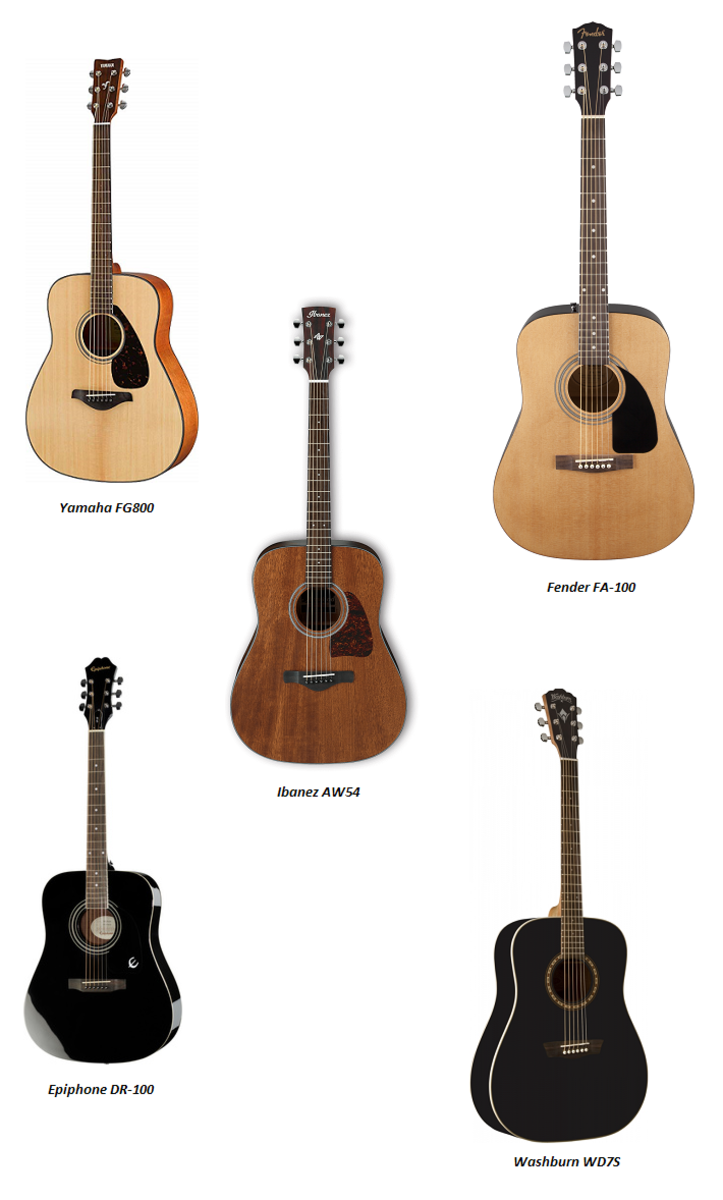
Yamaha is one of the safest choices for new players. Its acoustic models are widely available, and many beginner instruments have a balanced tone that works for chords and simple fingerpicking.
Other strong beginner choices include:
- Fender: A good choice for new electric guitar players who want familiar shapes and versatile tones.
- Epiphone: Useful for beginners who like Gibson-style electric guitars.
- Squier: Offers affordable versions of classic Fender designs.
- Ibanez: A strong option for players interested in rock, metal, or fast lead guitar.
- Taylor: Its smaller acoustic models can suit players who value comfort and a refined feel.
Do not assume the cheapest guitar is the best guitar brand choice. Very low-cost instruments may have sharp fret edges, unstable tuning, weak hardware, or poor setup.
Before buying, check that:
- The neck looks straight.
- The frets do not feel sharp.
- The tuning machines turn smoothly.
- The strings are not extremely high above the fretboard.
- The guitar stays in tune during basic playing.
- The body has no cracks or loose parts.
A professional setup can improve many guitars. Still, it is better to start with a well-made instrument than to repair serious manufacturing problems.
Best guitar brand for acoustic guitars
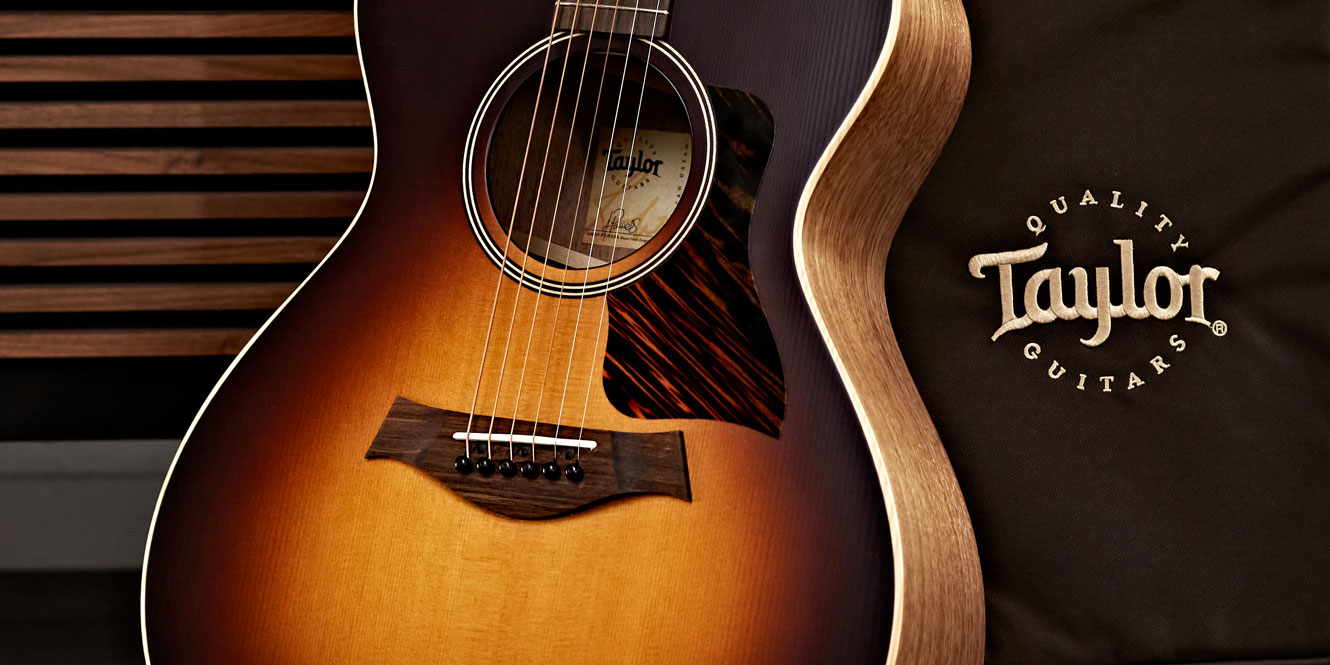
Martin is one of the strongest choices for traditional acoustic guitar tone. The company has a long history of building steel-string guitars, and its instruments are known for full projection, balanced response, and strong craftsmanship.
Taylor is another leading acoustic guitar brand. Taylor guitars often have a smooth neck feel, clear note separation, and modern design features. They are popular with players who want comfort and a precise, polished sound.
Yamaha offers excellent value in the acoustic market. Its beginner and intermediate models can produce a clear tone without the price of a high-end Martin or Taylor.
Other acoustic brands worth considering include:
- Guild: Known for powerful acoustic tone and classic designs.
- Seagull: Often praised for practical construction and natural sound.
- Alvarez: Offers many affordable acoustic and acoustic-electric models.
- Takamine: A popular choice for players who need dependable amplified acoustic sound.
The best guitar brand for acoustic music depends on the tone you prefer. A dreadnought body often produces strong bass and volume. A concert or auditorium body may feel more comfortable and offer a balanced response.
Try several body shapes if possible. The guitar should sit comfortably against your ribs, and your picking arm should rest naturally over the top.

Best guitar brand for electric guitars
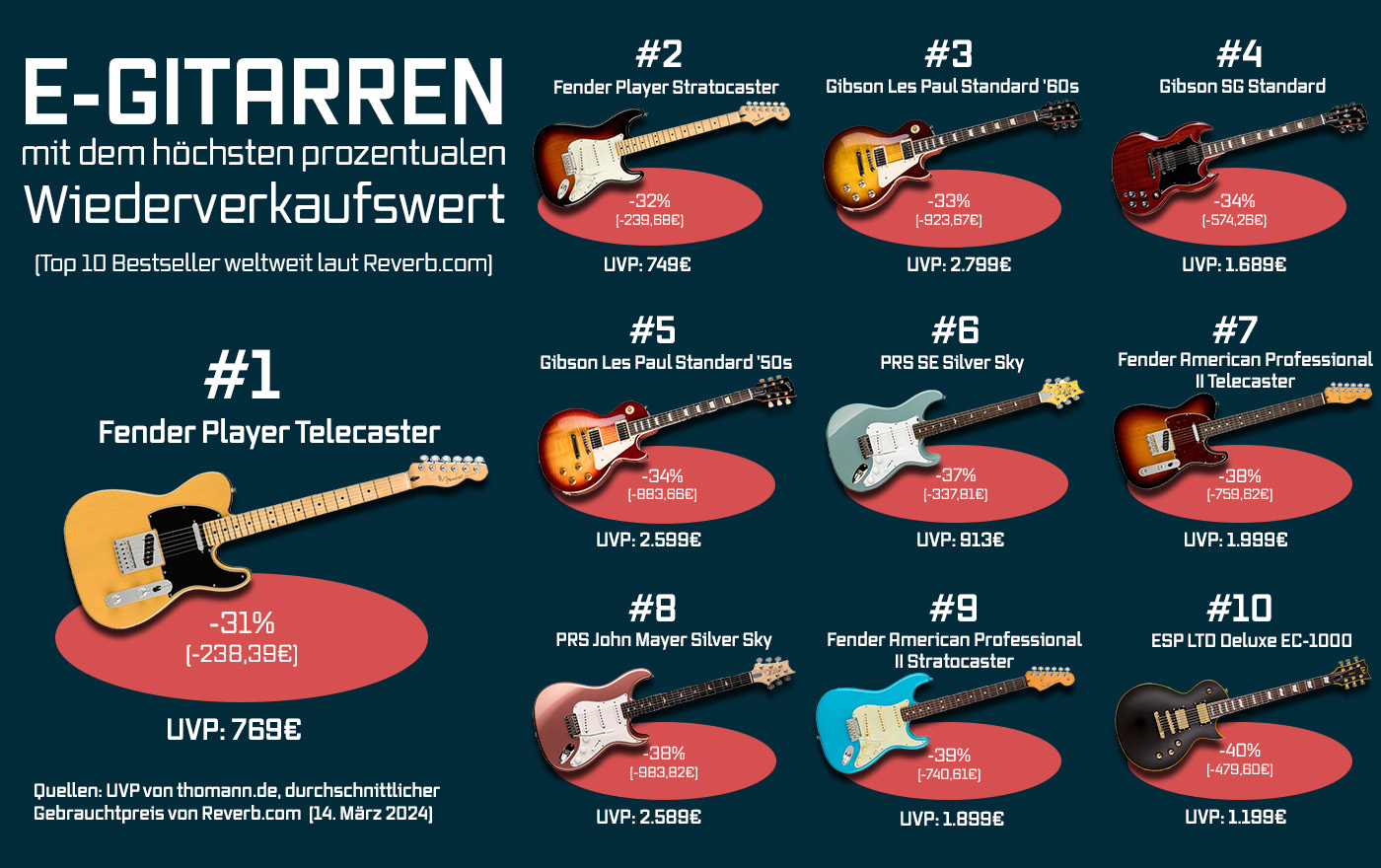
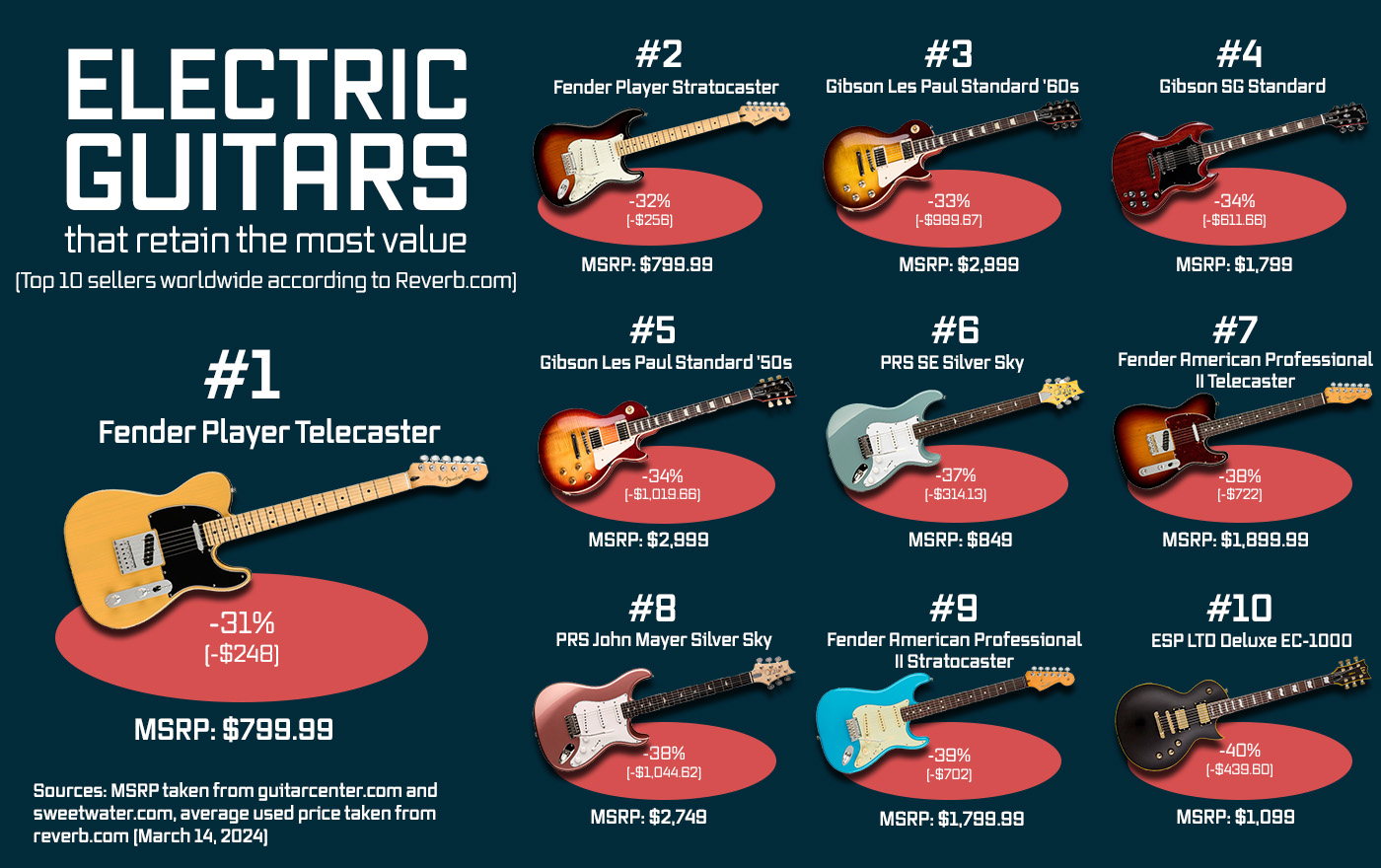
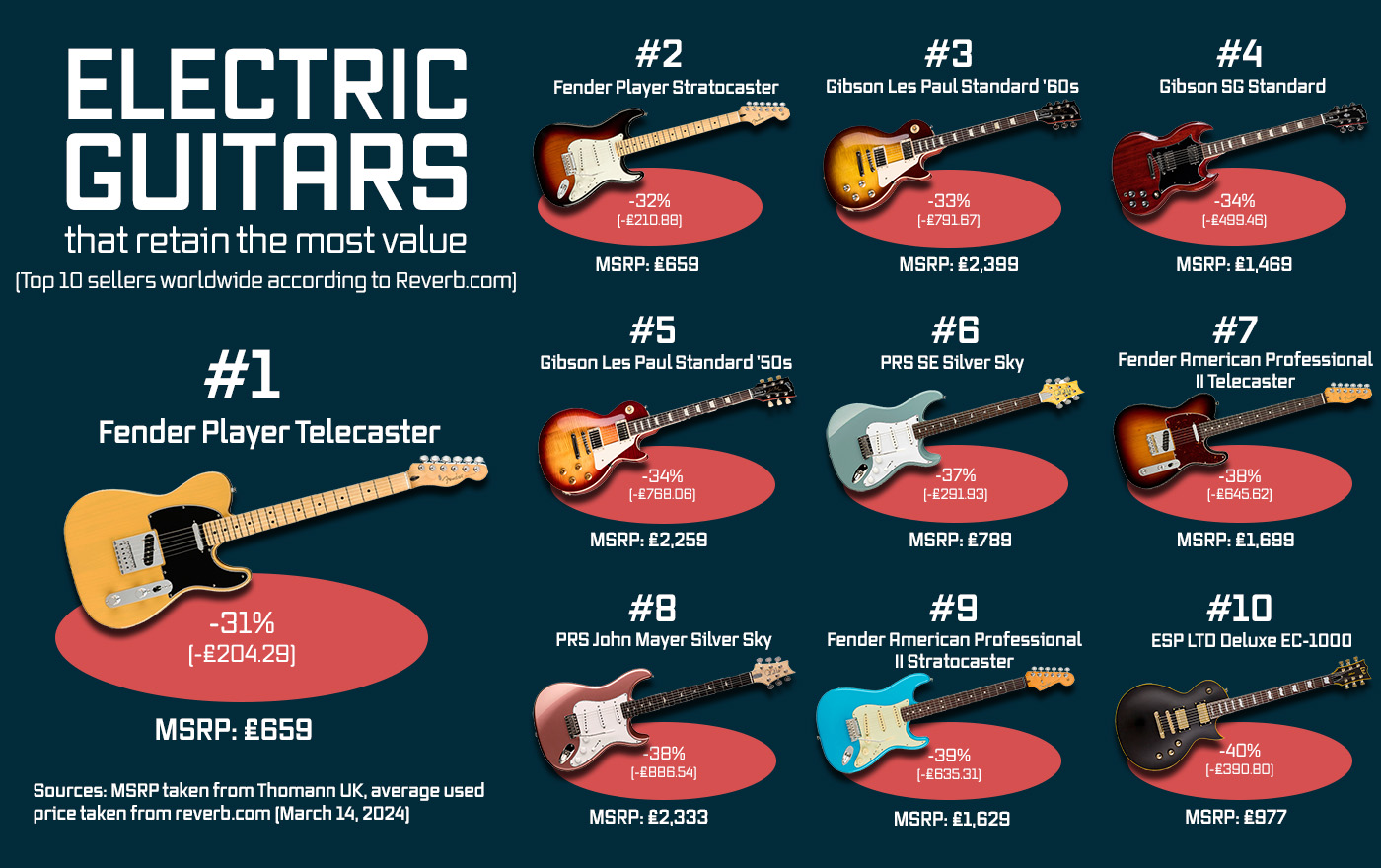
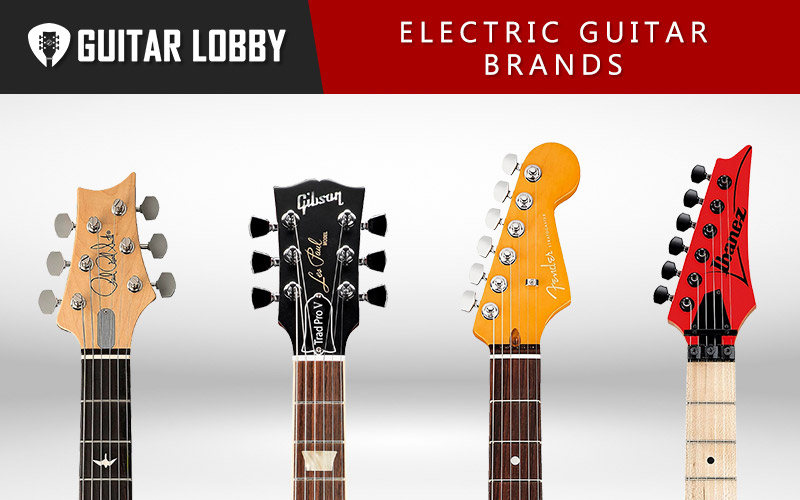
Fender is often the best guitar brand for versatile electric guitar tones. The Stratocaster and Telecaster designs are used in rock, blues, country, pop, funk, and many other styles.
Fender guitars often provide bright attack, comfortable contours, and useful pickup combinations. A Stratocaster can produce glassy, clean sounds, while a Telecaster is known for direct attack and strong cutting power.
Gibson is a major choice for players who want thick, warm, sustaining tones. The Les Paul and SG are especially common in rock, blues, hard rock, and heavy music.
PRS combines classic inspiration with modern construction. Many PRS guitars offer smooth necks, stable hardware, strong fretwork, and flexible pickup systems.
Ibanez is a leading choice for metal and technical playing. Its thinner neck designs, high-output pickups, and extended-range options suit fast solos and heavy rhythm work.
For electric guitar buyers, compare:
- Pickup type: Single-coil pickups often sound bright and clear. Humbuckers usually sound fuller and reduce electrical hum.
- Neck profile: A slim neck may suit fast playing, while a thicker neck can feel more substantial.
- Scale length: This affects string tension, fret spacing, and playing feel.
- Bridge design: Fixed bridges are simple to maintain. Tremolo bridges allow pitch effects but require more setup.
- Fret access: Double-cutaway bodies often make high notes easier to reach.
A common mistake is choosing an electric guitar based only on appearance. A striking finish cannot fix a neck that feels wrong or pickups that do not suit your amplifier.
Best guitar brand by budget
Your budget should guide your search, but it should not force you into a poor instrument. The best guitar brand at one price level may not be the best guitar brand at another.
Under $300
At this price, Yamaha, Squier, Epiphone, Ibanez, and Alvarez offer many useful choices. Focus on a comfortable neck, reliable tuning, and a clean setup.
For an acoustic guitar, consider a Yamaha or Alvarez model. For electric guitar, look at Squier, Epiphone, and Ibanez.
From $300 to $800
This range opens the door to better fretwork, stronger hardware, improved electronics, and more consistent quality. Fender Player-level instruments, Epiphone Inspired by Gibson models, PRS SE guitars, and mid-range Yamaha instruments are worth exploring.
This is often the best value range for serious beginners and intermediate players.
Above $800
At this level, you can find professional instruments from Fender, Gibson, PRS, Martin, Taylor, and other respected brands. You are paying for better materials, refined workmanship, premium electronics, and more careful quality control.
A higher price does not guarantee a better match. The best guitar brand is still the one that fits your hands and produces the sound you want.
Remember to reserve part of your budget for:
- A padded gig bag or hard case
- A digital tuner
- Extra strings
- A strap
- Picks
- An amplifier for electric guitar
- A professional setup
Brand quality, materials, and guitar construction
A guitar’s brand matters, but construction matters more. Two guitars from the same company can feel very different because of their wood, hardware, electronics, and setup.
For acoustic guitars, the top wood has a major effect on tone. Spruce often provides clear attack and strong projection. Cedar can sound warm and responsive, especially for fingerstyle playing. Mahogany often produces a focused, balanced sound.
Solid wood usually develops more tonal complexity as it ages, but it can cost more and needs protection from extreme changes in humidity. Laminated wood is often more affordable and can be less sensitive to climate changes.
For electric guitars, the pickups and hardware shape much of the final sound. The wood still affects weight, resonance, and feel, but the amplifier and pickups play a major role in the tone you hear.
Look closely at:
- Fretwork: Frets should feel smooth and level.
- Neck stability: The neck should not twist or show serious warping.
- Bridge and saddle: These parts transfer string energy and affect intonation.
- Electronics: Knobs and switches should work without crackling.
- Finish: Small marks may be harmless, but cracks or lifting finish need attention.
- Intonation: Notes should stay reasonably accurate as you move up the neck.
Industry guitar standards focus on factors such as scale length, tuning stability, intonation, and safe construction. These details may sound technical, but they affect everyday enjoyment.

New guitar versus used guitar
A new guitar gives you a warranty and a clean history. It also lets you compare several untouched instruments in a store. This can be helpful for beginners who do not yet know how to inspect a used guitar.
A used guitar can offer much better value. Many players sell instruments in excellent condition after changing interests or upgrading. You may find a higher-level model for the price of a new entry-level guitar.
When buying used, inspect:
- The neck for warping or deep damage.
- The frets for heavy wear.
- The bridge for lifting or cracks.
- The tuning machines for slipping.
- The truss rod for signs of damage.
- The electronics for noise or failure.
- The case and original parts.
Ask why the owner is selling the guitar. A simple answer, such as an upgrade, is not automatically a concern. Be careful if the seller avoids questions or refuses to let you test the instrument.
One lesson I often share with new players is to avoid buying in a hurry. A beautiful guitar at a tempting price can still need expensive repairs. Bring a trusted player with you, or ask a local guitar technician to inspect it.
Common mistakes when choosing the best guitar brand
Many buyers search for the best guitar brand as if it were a universal ranking. That approach can lead to the wrong purchase because guitar preferences are personal.
Avoid these mistakes:
- Buying only because a famous artist uses the brand.
- Ignoring the total cost of accessories.
- Choosing a guitar that is too large or heavy.
- Assuming a high price means perfect setup.
- Failing to test the guitar while seated and standing.
- Buying a style that does not match your music.
- Skipping the return policy.
- Forgetting that strings and setup can change the feel.
Another mistake is comparing brands without comparing models. A budget Fender is not the same as a professional Fender. A beginner Martin is not the same as a handmade Martin.
Try to compare guitars at similar price points. Play the same chords, scales, and songs on each one. Listen from several feet away, because the sound behind the guitar can differ from the sound heard by the player.
How to test a guitar before buying
Testing a guitar does not require advanced skill. Even a beginner can learn useful checks.
Follow this simple process:
- Hold the guitar in your normal playing position.
- Play open chords and check for buzzing.
- Play notes along the fretboard.
- Test every pickup, knob, and switch on an electric guitar.
- Tune the guitar, play for several minutes, and check the tuning again.
- Listen for dead notes or sudden changes in volume.
- Ask whether the store includes setup service.
- Compare comfort before comparing decoration.
For acoustic guitars, tap lightly around the top and listen for loose parts or unusual rattles. Do not tap hard. Check that the bridge is firmly attached and that the neck joint looks clean.
For electric guitars, plug into a reliable amplifier. Test clean and distorted tones. Move the cable gently to check for connection problems, but do not mistake normal single-coil hum for a serious fault.
Your hands are the final judge. Reviews can narrow your choices, but your own comfort should make the decision.
Frequently Asked Questions About the Best Guitar Brand
What is the best guitar brand for beginners?
Yamaha is one of the best guitar brands for beginners because it offers dependable construction, comfortable designs, and strong value. Fender, Squier, Epiphone, and Ibanez are also good choices, especially for new electric guitar players.
What is the best guitar brand for acoustic music?
Martin and Taylor are leading premium acoustic guitar brands. Yamaha, Alvarez, Guild, and Seagull offer strong alternatives at lower prices.
What is the best guitar brand for electric guitars?
Fender is a highly versatile choice for electric guitar players. Gibson, PRS, Ibanez, and Epiphone may be better depending on your preferred tone, playing style, and budget.
Is an expensive guitar always better?
An expensive guitar may use better materials and offer more refined workmanship, but it is not always the best match. A less expensive guitar with a comfortable setup can be more enjoyable and easier to play.
Should I buy a guitar online or in a store?
A store lets you feel and hear the exact guitar before buying. Online shopping offers more choice and easy price comparison, but choose a seller with a clear return policy and inspect the guitar as soon as it arrives.
How much should a beginner spend on a guitar?
Many beginners can find a reliable guitar between $200 and $500. Set aside extra money for a case, tuner, strings, and setup so the complete package works well.
Conclusion
The best guitar brand is not decided by popularity alone. Yamaha stands out for value and beginner-friendly quality, Fender leads in versatile electric guitars, Martin and Taylor excel in acoustic instruments, while Gibson, PRS, Ibanez, Epiphone, and Squier serve specific styles and budgets.
Choose by comfort, sound, construction, music style, and total cost. Test the instrument when possible, avoid rushing, and remember that the guitar you enjoy playing is often the best guitar brand for you.
Pick up a few models, play the songs you love, and let your hands and ears guide the final choice. Share your favorite guitar brand or model in the comments, and keep exploring until you find an instrument that makes you want to play every day.