

Good acoustic guitars usually cost $300 to $3,000, with excellent beginner models available near the lower end.
If you are asking how much do good acoustic guitars cost, the honest answer depends on your goals, playing level, materials, and whether you buy new or used. A reliable guitar for learning may cost $300 to $700, while a professional instrument can cost $1,500 to more than $5,000.
The good news is that you do not need a huge budget to find a guitar with a warm tone, solid build, and comfortable feel. This guide explains what you get at each price level, which features matter most, and how to avoid paying for details you will not hear or use.

How Much Do Good Acoustic Guitars Cost?
For most players, a good acoustic guitar costs between $300 and $1,500. This range includes dependable beginner guitars, solid-top instruments, and many stage-ready acoustic-electric models.
The phrase “good acoustic guitar” means different things to different players. A beginner may want easy playability and strong tuning stability. A songwriter may care most about tone and projection. A touring musician may need a pickup system, durable hardware, and a guitar that performs well under stage lights.
Here is a simple price guide for the US market:
| Price range | What to expect | Best for |
|---|---|---|
| $100 to $250 | Basic materials, laminated wood, simple hardware | Casual use and young beginners |
| $250 to $500 | Better comfort, improved tuning, some solid-top models | New players and regular practice |
| $500 to $1,000 | Stronger tone, solid tops, better craftsmanship | Serious learners and gigging players |
| $1,000 to $2,000 | High-quality woods, refined construction, premium electronics | Experienced players and performers |
| $2,000 to $5,000 or more | Hand finishing, premium woods, boutique details | Professionals, collectors, and enthusiasts |
So, how much do good acoustic guitars cost in practical terms? Plan on spending about $400 to $800 for the best balance of quality, value, and long-term use.

What Makes an Acoustic Guitar “Good”?
Price alone does not make an acoustic guitar good. A well-set-up $500 guitar can feel better than a poorly maintained $2,000 guitar.
A good acoustic guitar should have a stable neck, clean fretwork, reliable tuning machines, and a top that responds well to your playing. It should also feel comfortable in your hands. If the neck feels tiring or the strings sit too high, even a beautiful guitar may stay in its case.
The most important qualities include:
• Comfortable action: The strings should not sit so high that basic chords hurt your fingers.
• Stable tuning: The guitar should hold pitch after tuning and normal playing.
• Clean fretwork: Frets should feel smooth, with no sharp edges or buzzing spots.
• Balanced tone: The bass, middle, and treble should work together instead of one range overpowering the rest.
• Strong construction: The bridge, neck joint, and top should show careful work with no cracks or loose parts.
• Useful volume: The guitar should project clearly without sounding thin or harsh.
A solid spruce top often improves over time as the wood vibrates through years of playing. However, laminate guitars can still be durable, stable, and pleasant to play. For players who travel often or live in a damp climate, a well-made laminate guitar may be the smarter choice.

Acoustic Guitar Price Ranges Explained
Acoustic guitars under $300
Guitars under $300 are often designed for beginners. Many use laminated wood for the top, back, and sides. Laminate is made from thin wood layers, so it usually costs less and handles changes in humidity better than solid wood.
At this level, look for a comfortable neck, decent fretwork, and a known brand with reliable quality control. You may need a professional setup, which can add $75 to $150.
A low-cost guitar can be a good choice if you are not sure whether you will continue playing. It is also useful for travel, campfire playing, or keeping at a second location.
Acoustic guitars from $300 to $700
This is one of the strongest value ranges. Many guitars in this group have solid spruce or cedar tops, better bridges, improved tuners, and more consistent neck shapes.
A solid-top guitar often produces more detail and volume than a fully laminated model. You may also find comfortable auditorium, concert, and dreadnought body shapes in this range.
If someone asks me how much do good acoustic guitars cost for a first serious instrument, I usually point them toward this range. A $400 to $600 guitar can support years of practice without forcing a new player to overspend.
Acoustic guitars from $700 to $1,500
This range brings better materials and more careful construction. You may see solid wood used for the top, back, and sides, along with improved bracing and more refined fretwork.
The tone often feels wider and more responsive. The guitar may react more clearly to soft fingerpicking and hard strumming. Many players also notice better sustain and a more balanced bass response.
This price range suits serious hobbyists, working songwriters, and players who perform at small venues. It is also where the difference between models becomes more personal. You are paying less for basic quality and more for tone, comfort, wood choice, and craftsmanship.
Acoustic guitars from $1,500 to $3,000
At this level, brands often use premium solid woods, detailed bracing patterns, high-quality finishes, and better electronics. Many instruments receive more hands-on inspection before leaving the factory.
The improvement may not sound dramatic in a busy music store. In a quiet room, however, a premium guitar can offer more nuance, sustain, and dynamic control.
This is also the point where buying used becomes attractive. A lightly played guitar that once sold for $2,000 may cost $1,200 to $1,500 on the used market.
Acoustic guitars above $3,000
Guitars above $3,000 may include custom work, rare woods, hand voicing, small-shop construction, or a prestigious brand name. Some are outstanding instruments. Others offer only a modest improvement over a good $1,500 guitar.
At this level, personal preference matters more than general quality. You should play the exact guitar before buying whenever possible. Two guitars with the same model name can still differ in tone and feel.

New Versus Used Acoustic Guitars
The answer to how much do good acoustic guitars cost changes when you consider the used market. Used guitars often provide more value because the first owner absorbs much of the early depreciation.
A used solid-top guitar may sound better after years of normal playing. The wood can become more open and responsive, although this is not guaranteed. The guitar’s condition matters much more than its age.
Before buying used, check these areas:
• Neck angle: Look along the neck toward the bridge. A severe neck angle can signal a costly neck reset.
• Bridge lift: Inspect the bridge edges for gaps between the bridge and the guitar top.
• Top bellying: A slight rise behind the bridge can be normal, but a major bulge may need repair.
• Fret wear: Deep grooves under the strings may require a fret dressing or replacement.
• Cracks: Small finish cracks are not always serious, but structural cracks need an expert review.
• Tuner condition: Loose or stiff tuning machines may need replacement.
• Electronics: Plug in an acoustic-electric guitar and test every control.
Ask for the guitar’s service history and original case if available. If the seller refuses a reasonable inspection, consider that a warning sign.
In my experience, one of the most common buying mistakes is focusing on the wood while ignoring the setup. A used guitar with excellent wood can still feel terrible if the neck, frets, or saddle need work.

How Guitar Wood Affects the Price
Wood affects the sound, look, weight, and price of an acoustic guitar. It does not automatically determine quality.
Spruce is common for guitar tops because it offers a broad range, clear note separation, and strong projection. Cedar has a softer response and often suits fingerstyle players or people with a light touch. Mahogany can sound warm, direct, and focused.
Common back and side woods include:
• Mahogany: Warm, balanced, and clear with strong midrange.
• Rosewood: Rich bass, sparkling treble, and complex overtones.
• Maple: Clear, controlled, and useful for players who want less boom.
• Sapele: Similar to mahogany, with a bright and even voice.
Solid wood usually costs more than laminate. A solid top is often the most useful upgrade for a player on a budget. A guitar with a solid top and laminated back and sides can offer excellent tone without the cost of a fully solid instrument.
Wood choice is only one part of the design. Body shape, bracing, scale length, finish thickness, and setup also affect the final sound.

Acoustic Guitar Body Shapes and Their Costs
The body shape changes how an acoustic guitar feels and sounds. It can also influence the price, though construction quality usually matters more.
Dreadnought guitars
Dreadnoughts have a large body and strong low-end sound. They work well for flatpicking, strumming, country music, folk, and bluegrass.
They can feel large for smaller players. Try sitting with one for at least 10 minutes before buying.
Concert and grand concert guitars
These smaller bodies often feel comfortable and easy to control. They suit fingerstyle, light strumming, and players with shorter arms.
They may not produce the same bass power as a dreadnought. Still, their balance and comfort can make them a better daily practice guitar.
Auditorium and orchestra models
These guitars sit between small and large body styles. They usually offer a balanced voice with enough volume for strumming and enough detail for fingerpicking.
Many modern players choose this shape because it works well for songwriting, recording, and live performance.
Jumbo guitars
Jumbo guitars produce a large, bold sound. They are popular with players who want strong bass and high volume.
Their size may feel tiring during long sessions. Comfort should guide your decision more than appearance.
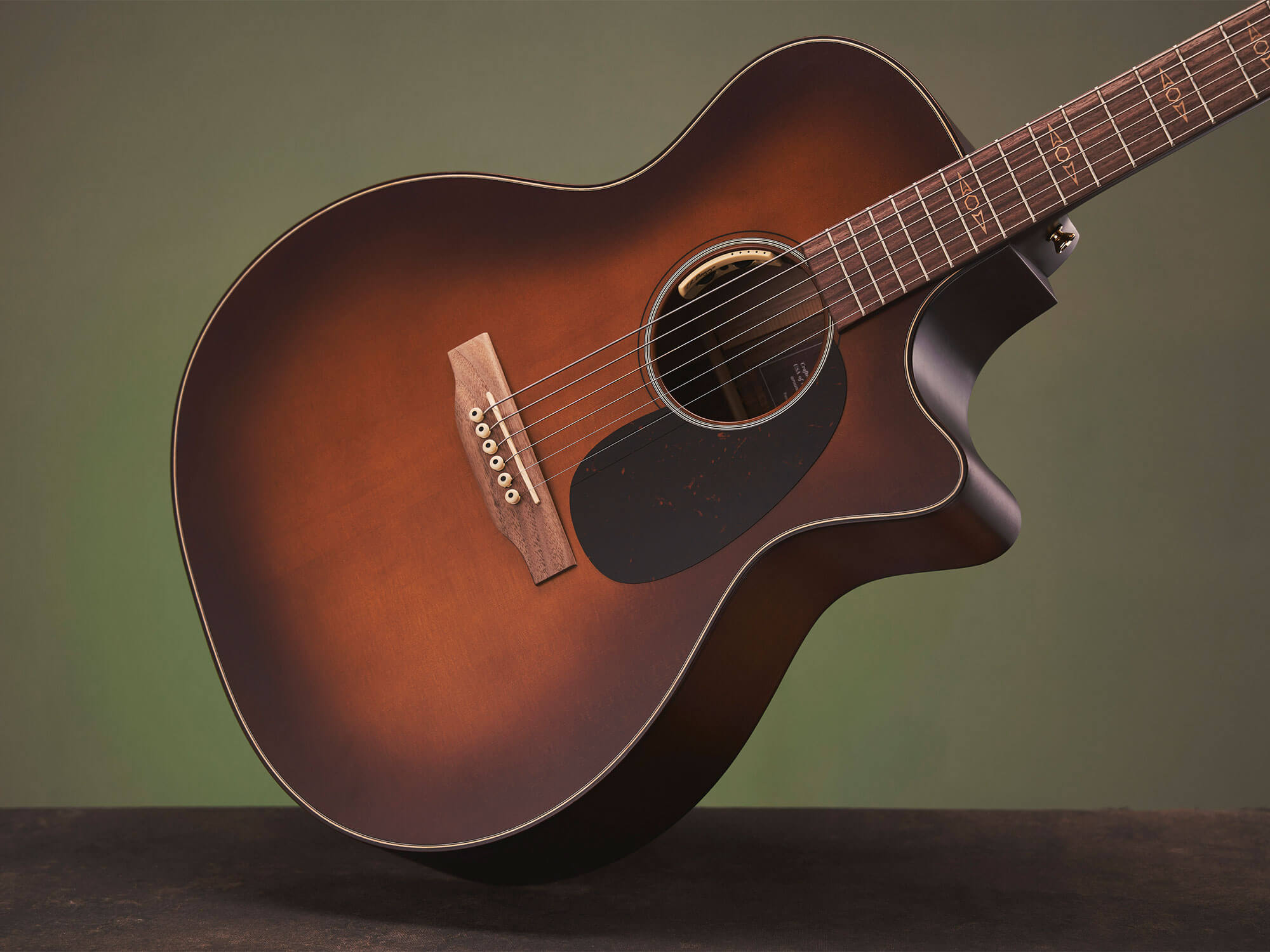
Extra Costs to Include in Your Budget
When calculating how much do good acoustic guitars cost, remember that the guitar is only part of the purchase. A realistic budget includes basic accessories and possible setup work.
You may need:
• A padded gig bag or hard case: $40 to $250
• Clip-on tuner: $10 to $30
• Picks: $3 to $10
• Guitar strap: $15 to $50
• Extra strings: $8 to $20 per set
• Humidifier: $15 to $40
• Professional setup: $75 to $150
• Acoustic guitar pickup installation: $100 to $400 or more
A basic setup can improve tuning, action, and comfort. It may involve adjusting the truss rod, shaping the saddle, smoothing fret ends, and checking intonation.
Humidity is also important. Most acoustic guitars are built from wood, and wood reacts to dry or damp air. Keeping indoor humidity near 45% to 55% can help reduce the risk of cracks and movement.

How to Get the Best Value
You can spend less and still buy a good acoustic guitar if you shop with a plan.
Decide how you will use the guitar. A home practice guitar does not need the same features as a stage instrument.
Set a total budget. Include a case, setup, strings, and a humidifier.
Try several body shapes. Comfort affects how often you play.
Compare solid-top and laminate models. A solid top may offer the best tone upgrade in the midrange.
Check the action and fretwork. These details affect daily enjoyment more than decorative inlays.
Play both softly and loudly. A good guitar should respond to gentle picking and stronger strumming.
Test every fret. Listen for buzzing, dead notes, and uneven volume.
Compare the exact instruments. Guitars of the same model can still sound different.
Consider a reputable used guitar. A used instrument may offer better materials for the same money.
Leave room for a setup. Even a factory-fresh guitar may need adjustment.
One useful test is to play a simple chord progression without looking at the guitar. If the instrument feels easy and sounds balanced, it may be a better choice than a more expensive model that impresses you only with its appearance.
Common Mistakes When Buying an Acoustic Guitar
Many buyers spend too much on features they cannot use. Decorative bindings, exotic finishes, and large inlays can raise the price without improving comfort or tone.
Another mistake is buying a guitar that is too large. A dreadnought may sound powerful, but a smaller player may struggle to reach around the body. That discomfort can make practice feel like work.
Some buyers also choose a guitar based only on brand reputation. Brands can offer consistent quality, but individual guitars still vary. The best guitar is the one that fits your hands, your music, and your budget.
Do not ignore the return policy. A guitar may sound different in your bedroom than in a bright music store. Give yourself time to hear whether the tone remains enjoyable in a normal setting.
Finally, be careful with very cheap guitars that need major repairs. If the neck is warped or the bridge is lifting, repair costs can quickly exceed the guitar’s value.
Is an Acoustic-Electric Guitar Worth More?
An acoustic-electric guitar includes a pickup and preamp for connection to an amplifier, mixer, or recording system. It may cost $50 to $500 more than a similar acoustic-only model.
The electronics do not always improve the unplugged sound. They mainly add convenience for live playing and recording. If you plan to perform, an acoustic-electric guitar can be worth the extra cost.
Look for a pickup system with:
• A clear volume control
• A useful tone control
• A built-in tuner
• Low handling noise
• Easy battery access
• A natural amplified sound
A good microphone can capture an acoustic guitar beautifully in a studio. For live work, however, a built-in pickup is often easier and more reliable.
When Should You Spend More on an Acoustic Guitar?
Spend more when you already know what feels comfortable and you play often. A higher-quality guitar can reward careful technique and make long sessions more enjoyable.
A more expensive instrument may also hold its value better. Well-known models in good condition are often easier to resell than unknown budget guitars.
You may not need to spend more if you are still learning basic chords. A comfortable $350 guitar can help you build skill just as well as a $2,000 model.
A useful rule is this:
• Beginner: Spend $250 to $600.
• Serious learner: Spend $500 to $1,200.
• Regular performer: Spend $800 to $2,000.
• Professional or collector: Spend $1,500 and upward.
The best answer to how much do good acoustic guitars cost is the amount that gives you quality without financial stress. A guitar should inspire you, not make you worry about every small mark.
Frequently Asked Questions About How Much Do Good Acoustic Guitars Cost
How much do good acoustic guitars cost for beginners?
Most beginners can find a good acoustic guitar for $250 to $600. Focus on comfort, tuning stability, and clean fretwork instead of expensive decoration.
Is a $200 acoustic guitar good enough?
A $200 acoustic guitar can be good enough for casual practice and basic learning. It may use laminate wood and need a setup, so inspect the action and fretwork before buying.
Is a $500 acoustic guitar worth it?
Yes, a $500 acoustic guitar can offer excellent value. Many models in this range include a solid top, better hardware, and construction that can support years of playing.
Are expensive acoustic guitars easier to play?
They can be easier to play because they often have better fretwork, neck shaping, and factory setup. However, a professional setup can make a less expensive guitar feel much better.
Should I buy a new or used acoustic guitar?
Buy new if you want a warranty and simple returns. Buy used if you can inspect the guitar carefully and want better materials for your budget.
Does a solid-top acoustic guitar sound better?
A solid-top guitar often produces more detail, volume, and responsiveness than a fully laminated model. It is not always better for every player, but it is usually a valuable upgrade.
How much should I spend on my first acoustic guitar?
A budget of $300 to $600 is sensible for a first serious acoustic guitar. Keep extra money available for a case, strings, humidifier, and setup.
Conclusion
So, how much do good acoustic guitars cost? For most players, the sweet spot is $300 to $800, while premium instruments often range from $1,000 to more than $3,000. The right choice depends on comfort, construction, tone, playing goals, and total ownership costs.
Start with the guitar that feels easy to play. Test several body shapes, inspect the fretwork, and do not overlook a professional setup. Once you find an instrument that makes you want to practice, you have found real value, no matter the price tag.
Visit a local music store, compare a few solid-top models, and share your favorite guitar choice or buying experience in the comments.