

A dynamic microphone uses a moving coil, while a condenser microphone uses a charged diaphragm for greater sensitivity and detail.
Understanding what is the difference between a dynamic and condenser microphone helps you choose the right tool for vocals, podcasts, music, streaming, and live sound. Both microphone types can produce excellent audio, but they react to sound, room noise, power, and handling in very different ways. This guide explains those differences in plain English, with practical examples, setup tips, and expert guidance.

What Is the Difference Between a Dynamic and Condenser Microphone?
The main difference between a dynamic and condenser microphone is how each one converts sound into an electrical signal.
A dynamic microphone uses a diaphragm, voice coil, and magnet. When sound moves the diaphragm, the attached coil moves through the magnetic field. This creates an audio signal without external power.
A condenser microphone uses a thin diaphragm placed near a charged backplate. Sound changes the space between them, which changes the electrical signal. Most condenser microphones need phantom power, usually 48 volts, from an audio interface, mixer, or compatible recorder.
Here is the basic comparison:
| Feature | Dynamic microphone | Condenser microphone |
|---|---|---|
| Main design | Moving coil and magnet | Diaphragm and charged backplate |
| Sensitivity | Lower | Higher |
| Detail | Smooth and focused | Detailed and open |
| Room sound | Rejects more room noise | Captures more room sound |
| Power | Usually does not need power | Usually needs phantom power |
| Durability | Very rugged | More sensitive to damage |
| Common uses | Live vocals, drums, loud sources | Studio vocals, acoustic instruments, podcasts |
| Best distance | Close to the sound source | Close or moderate distance |
In simple terms, a dynamic microphone is like a sturdy work truck. It handles loud sources and rough use well. A condenser microphone is more like a high-resolution camera. It captures more detail, but it also shows more flaws.
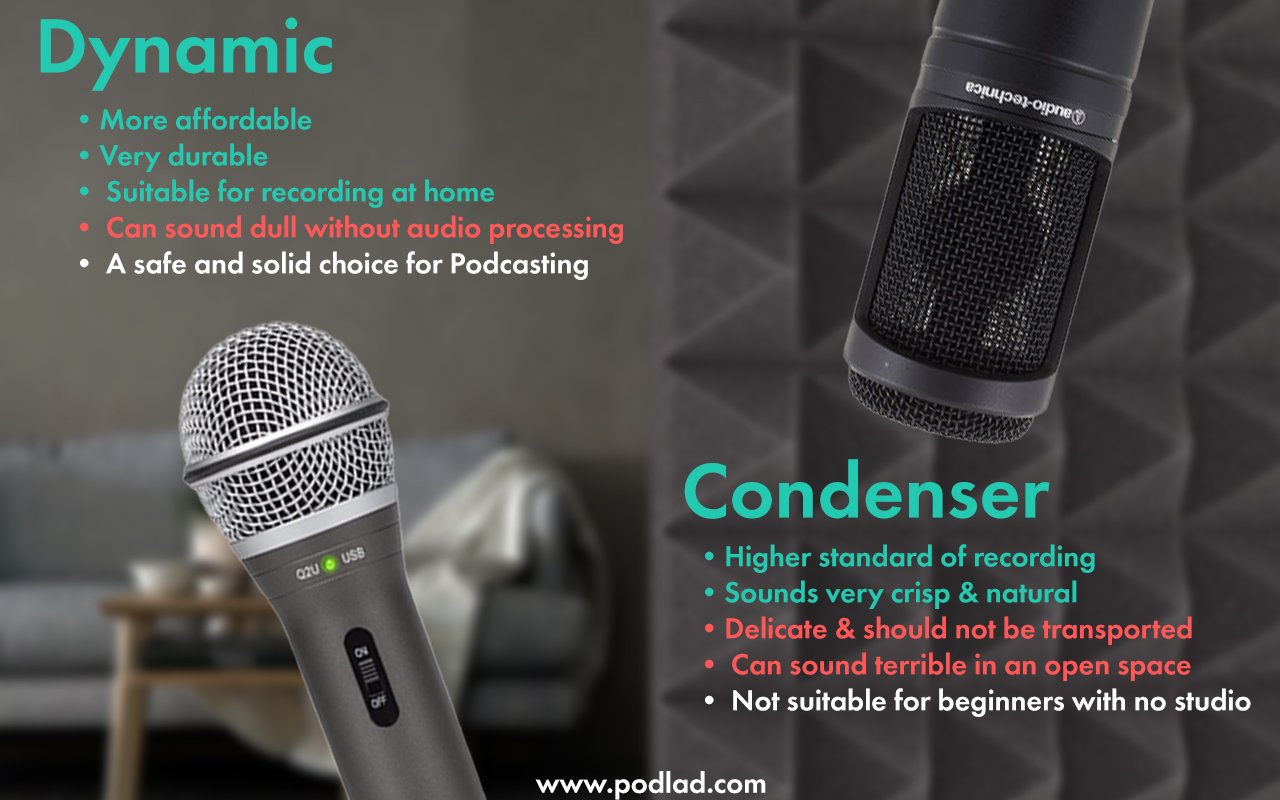
How Dynamic and Condenser Microphones Work
How a dynamic microphone works
A dynamic microphone creates sound through electromagnetic induction. The sound wave moves the diaphragm, and the diaphragm moves a small coil inside a magnet. This movement produces the microphone’s output signal.
This design is simple, passive, and strong. It does not need phantom power in most cases. However, some active dynamic microphones include built-in electronics and may need power, so always check the product manual.
Dynamic microphones often have lower sensitivity than condenser microphones. That means you may need more gain from your audio interface. This is not a weakness by itself. Lower sensitivity can help reduce room noise and unwanted sound.
How a condenser microphone works
A condenser microphone uses a lightweight diaphragm that reacts quickly to sound. Because the diaphragm is light, it can capture small changes in volume and tone.
The microphone needs an electrical charge to operate. Studio condenser microphones usually receive this power through 48-volt phantom power. USB condenser microphones receive power from the USB connection.
This design gives a condenser microphone excellent detail. It can capture breath, finger movement, room reflections, and subtle changes in vocal tone. That detail is useful in a controlled studio, but it can be a problem in a noisy room.
What does polar pattern mean?
A polar pattern describes the directions from which a microphone captures sound. The most common patterns include:
• Cardioid: Captures sound mainly from the front and rejects much of the rear sound.
• Supercardioid: Captures a narrower area in front and has small areas of sensitivity behind it.
• Omnidirectional: Captures sound from all directions.
• Figure-eight: Captures sound from the front and back while rejecting the sides.
Most vocal microphones use a cardioid pattern. This helps focus on the speaker and reduce sound from behind the microphone.

Sound Quality Differences
The sound difference between a dynamic and condenser microphone depends on the model, room, source, and microphone position. Still, some broad patterns are useful.
A condenser microphone often sounds more open, bright, and detailed. It can reveal soft consonants, vocal texture, acoustic guitar movement, and small changes in performance. This is one reason studios often use condenser microphones for lead vocals and instruments.
A dynamic microphone often sounds focused, warm, and controlled. Many dynamic models have a gentle upper-midrange boost that helps speech or vocals stay clear in a busy mix. Some also reduce harsh high frequencies, which can make loud vocals easier to manage.
Neither microphone type is automatically better. A bright condenser can sound sharp in a reflective room. A smooth dynamic microphone can sound natural and professional in the same space.
Why room acoustics matter
A condenser microphone may capture the sound of your room as clearly as it captures your voice. Bare walls, windows, desks, and hard floors can create reflections. These reflections may make speech sound hollow or distant.
A dynamic microphone usually captures less room sound. This makes it a strong choice for bedrooms, untreated offices, gaming rooms, and live stages.
During practical microphone comparisons, one lesson appears again and again: microphone placement often matters more than microphone price. Moving a microphone a few inches can change the sound more than upgrading to a model that costs hundreds of dollars more.
.webp)
Dynamic vs. Condenser Microphone for Different Uses
For podcasts and voiceovers
Both types work well for spoken voice.
A dynamic microphone is often better when:
• Your room has background noise.
• You record near a computer or air conditioner.
• You want a close, rich voice sound.
• You are still learning microphone technique.
A condenser microphone may be better when:
• Your room is quiet and treated.
• You want a highly detailed voice.
• You speak softly.
• Your audio interface has clean, strong preamps.
For many home podcasters, a dynamic microphone is easier to use. It helps control room noise and does not expose every reflection.
For singing
A condenser microphone is common for studio singing because it captures vocal detail and expression. It can make a controlled performance sound wide and present.
A dynamic microphone can be excellent for powerful singers, untreated rooms, and live vocals. It also handles loud sound pressure levels well. Some singers prefer a dynamic microphone because it gives their voice a firm, focused character.
The best choice depends on the singer. A bright voice may benefit from a smoother dynamic microphone. A dark voice may benefit from the openness of a condenser microphone.
For live performances
Dynamic microphones are the standard choice for many live vocals. They are tough, easy to handle, and less likely to capture stage noise.
They also tolerate high sound pressure levels. This matters when a singer is close to a loud monitor or when a microphone is used on a guitar amplifier, snare drum, or bass cabinet.
Condenser microphones are also used on stages. They can sound detailed and natural, but they may require more careful positioning and gain control.
For recording instruments
A dynamic microphone is useful for:
• Kick drums
• Snare drums
• Guitar amplifiers
• Bass amplifiers
• Brass instruments
• Loud percussion
A condenser microphone is useful for:
• Acoustic guitar
• Piano
• Strings
• Room microphones
• Choirs
• Detailed percussion
Ribbon microphones are another option for some instruments. They use a different design and often sound smooth and natural. However, they are not the main focus when comparing a dynamic and condenser microphone.
For streaming and gaming
A dynamic microphone is often the safer choice for streamers who work in untreated rooms. It reduces keyboard noise, fan noise, and room reflections when used close to the mouth.
A condenser microphone can sound clear and polished for streaming. However, it needs careful gain, positioning, and room control. If the microphone is too far away, it may capture more room than voice.
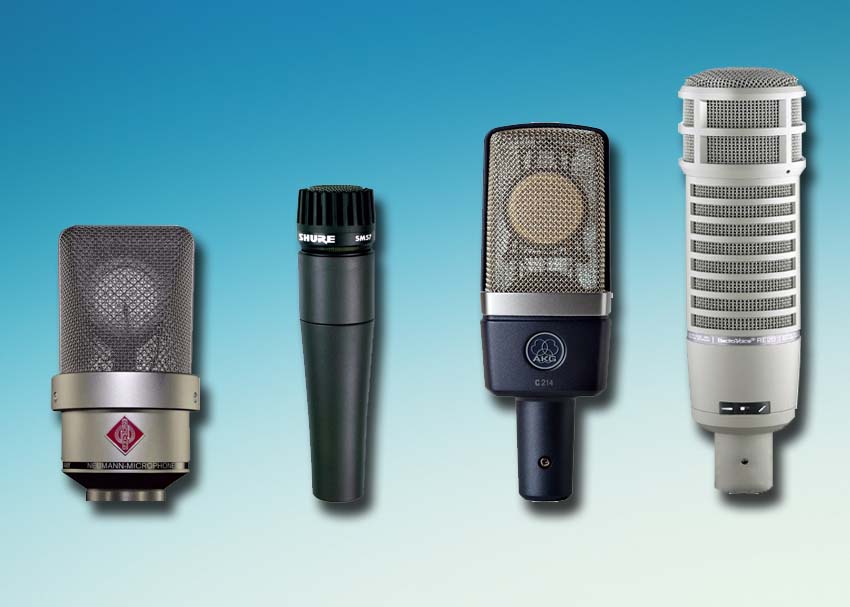
Advantages and Limitations of Dynamic Microphones
Benefits of dynamic microphones
Dynamic microphones offer several practical benefits:
• They are usually rugged and reliable.
• They often work without phantom power.
• They reject more off-axis and room sound.
• They handle loud sources well.
• They are often affordable.
• They are suitable for live use and travel.
A dynamic microphone is also forgiving. If you move your head slightly, the sound may remain fairly consistent. This makes it useful for performers and speakers who do not stay perfectly still.
Limitations of dynamic microphones
Dynamic microphones have some drawbacks:
• They may need more preamp gain.
• They may capture fewer fine details.
• They usually need close placement.
• Some models sound dull with certain voices.
A low-output dynamic microphone can create hiss if paired with a weak or noisy preamp. An inline gain booster can help, but it adds cost and another connection.

Advantages and Limitations of Condenser Microphones
Benefits of condenser microphones
Condenser microphones are popular because they offer:
• High sensitivity
• Strong detail
• Fast response to transients
• Clear high-frequency information
• Excellent studio performance
• Good results for quiet sources
A condenser microphone can reveal the small details that make a performance feel close and alive. It is often a good choice for acoustic instruments, soft singing, narration, and sound effects.
Limitations of condenser microphones
Condenser microphones also have limits:
• Most need phantom power.
• They capture more background noise.
• They can expose poor room acoustics.
• They may be more sensitive to moisture and rough handling.
• Very bright models can emphasize sibilance.
Condenser microphones are not fragile in every case. Many modern models are built for regular use. Still, they deserve careful storage, a pop filter, and protection from drops, moisture, and sudden temperature changes.

Which Microphone Should You Choose?
Choosing between a dynamic and condenser microphone starts with your environment and your sound source.
Choose a dynamic microphone if:
• You record in a noisy or untreated room.
• You need a microphone for live performance.
• You record loud sources.
• You want strong rejection of room sound.
• You prefer a warm, focused tone.
Choose a condenser microphone if:
• Your room is quiet.
• You want maximum vocal or instrument detail.
• You record acoustic instruments.
• You have phantom power or USB power.
• You can control reflections and background noise.
You should also consider your audio interface. A condenser microphone usually needs phantom power. A dynamic microphone may need more gain. Check the interface specifications before buying, especially if you plan to use a low-output dynamic model.
Price is another factor, but it should not lead the decision. A modest microphone placed well in a quiet room can beat an expensive microphone placed badly in a noisy room.

Microphone Placement and Setup Tips
Good placement can improve either microphone type.
Place the microphone 4 to 8 inches from your mouth for close speech or vocals.
Use a pop filter or foam windscreen to reduce harsh “P” and “B” sounds.
Aim the microphone slightly off-axis if your voice sounds too sharp.
Keep the back of a cardioid microphone pointed toward the main noise source.
Use headphones while testing placement.
Adjust distance before adding heavy software processing.
A condenser microphone may work well from 8 to 12 inches away in a controlled room. A dynamic microphone often sounds best closer to the speaker, but the exact distance depends on the model.
The proximity effect can also change the sound. Directional microphones often produce more bass when used very close to the source. This can create a rich sound, but too much proximity can make speech muddy.
Common setup mistakes
Avoid these common errors:
• Turning phantom power on without checking the microphone type and cables.
• Placing the microphone too far from the speaker.
• Recording in a reflective room without treatment.
• Using too much compression to fix poor placement.
• Speaking into the wrong side of the microphone.
• Setting the input gain so high that the signal clips.
A practical recording habit is to leave headroom. Aim for healthy levels that do not reach the red zone on your interface. A clean recording with moderate volume is easier to edit than a clipped recording.

Dynamic and Condenser Microphone Myths
“Condenser microphones always sound better”
This is not true. Condenser microphones often capture more detail, but detail is not always desirable. In a noisy room or harsh vocal performance, a dynamic microphone may produce a cleaner final recording.
“Dynamic microphones are only for live sound”
Dynamic microphones are widely used in professional studios. They work well on drums, guitar amplifiers, vocals, brass, and many other sources.
“Every condenser microphone needs an audio interface”
Not every condenser microphone uses the same connection. USB condenser microphones connect directly to a computer, while XLR condenser microphones usually need an interface or mixer with phantom power.
“A more expensive microphone will fix bad audio”
Microphone quality matters, but the room, performance, placement, gain, and editing chain matter too. Improving the recording space often gives a larger benefit than buying a more expensive model.
Frequently Asked Questions About What Is the Difference Between a Dynamic and Condenser Microphone
What is the main difference between a dynamic and condenser microphone?
A dynamic microphone uses a moving coil and magnet, while a condenser microphone uses a charged diaphragm and backplate. Dynamic microphones are usually tougher and less sensitive, while condenser microphones capture more detail and usually need power.
Is a dynamic or condenser microphone better for vocals?
A condenser microphone is often preferred for detailed studio vocals in a quiet room. A dynamic microphone may be better for live vocals, loud singers, or untreated rooms.
Can I use a condenser microphone without phantom power?
Most XLR condenser microphones need phantom power to operate. USB condenser microphones receive power through USB, but you should never assume the power requirements without checking the manual.
Is a dynamic microphone better for a noisy room?
Usually, yes. A dynamic microphone often has lower sensitivity and works close to the speaker, which can reduce background noise and room reflections.
Do dynamic microphones need an audio interface?
Not always. Some dynamic microphones connect to USB devices or mixers, but traditional XLR models usually connect to an audio interface, mixer, or recorder. Low-output models may need a powerful preamp or inline gain booster.
Which microphone is better for streaming?
A dynamic microphone is often easier for streaming in a normal home room. A condenser microphone can sound more detailed, but it may capture keyboard noise, fans, and room reflections.
Can a condenser microphone handle loud sounds?
Yes. Many condenser microphones can handle loud sound pressure levels, especially when used correctly. Always check the microphone’s maximum SPL specification before recording very loud sources.
Does a dynamic microphone sound warmer than a condenser microphone?
It can, but this is not a universal rule. The exact tone depends on the microphone design, frequency response, source, placement, and recording environment.
Conclusion
The difference between a dynamic and condenser microphone comes down to design, sensitivity, power, durability, and sound capture. Dynamic microphones are strong, focused, and useful in noisy rooms, live settings, and loud sources. Condenser microphones are sensitive, detailed, and often ideal for quiet studios, vocals, and acoustic instruments.
There is no single best microphone for everyone. Match the microphone to your room, voice, instrument, connection type, and recording goals. Test placement before spending more money, and choose the microphone that helps you create a clean, natural recording.
Start with the microphone that fits your space today, then keep learning through careful listening and practical testing. Share your setup or explore more recording guides to improve your sound.