

The De Rosa 12 string guitar offers a warm, full sound for players who want rich chords at a reasonable price.
The De Rosa 12 string guitar is an interesting choice for beginners, songwriters, and casual players who want the wide, shimmering sound of a 12-string acoustic without paying boutique prices. Because De Rosa instruments can vary by year, seller, and build batch, the best buying decision comes from checking the exact guitar in front of you. This guide explains its sound, construction, playability, common issues, setup needs, and value in practical terms.
What Is the De Rosa 12 String Guitar?
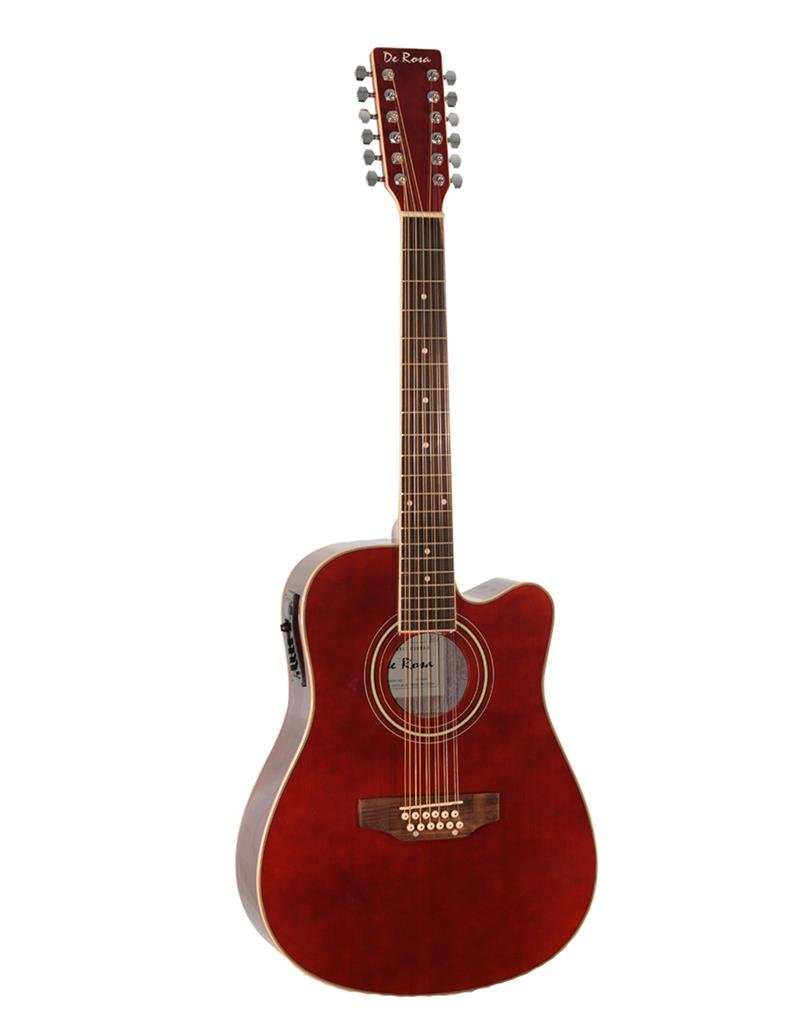
The De Rosa 12 string guitar is a steel-string acoustic guitar with six courses of paired strings. Each course contains two strings, which creates a broader and more sparkling sound than a standard six-string guitar.
The lower four courses usually have one heavier wound string and one thinner octave string. The two highest courses are often paired in unison. When both strings are played together, small differences in pitch create a natural chorus effect.
That sound is the main reason players choose a 12-string guitar. A simple G, C, or D chord can sound wide and almost orchestral. The De Rosa 12 string guitar is often considered by players who want that effect for folk music, pop, worship, country, and acoustic rock.
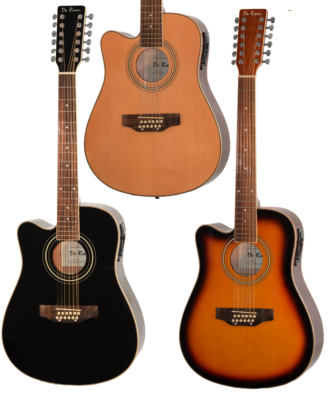
However, De Rosa has not always published one consistent specification sheet for every instrument sold under the name. Features such as wood type, electronics, finish, scale length, and factory location may differ between examples. Always treat the label as a starting point, not a complete technical description.
De Rosa 12 String Guitar Sound and Tone
The tone of a De Rosa 12 string guitar depends on its body shape, top wood, bracing, strings, setup, and the condition of the bridge and neck. Many affordable 12-string guitars aim for a bright, roomy sound that helps chords fill a room.
A well-set-up instrument may offer:
• Strong chord shimmer
• A broad low end
• Clear upper notes
• Good volume for home playing and small acoustic sessions
• A naturally compressed sound when strummed hard
The paired strings can also hide small timing differences in your picking. This gives the guitar a smooth, layered tone. The effect is similar to two singers holding the same part with slightly different voices.
The main limitation is note separation. If the guitar has a weak top, poor bracing, old strings, or high action, the sound may become muddy. A 12-string guitar is not automatically better than a six-string. It simply has a different voice.
How the Tone Changes With Strings
String choice makes a major difference. Heavy strings may produce more volume, but they also place more tension on the neck and bridge. Light or extra-light 12-string sets are often easier to play and may reduce stress on an older instrument.
Phosphor bronze strings usually add warmth. 80/20 bronze strings often sound brighter and more metallic when new. Coated strings can last longer, but some players find that they sound slightly less lively.
For an older De Rosa 12 string guitar, I would begin with a light-gauge set made for 12-string instruments. Do not install six-string strings one at a time as a substitute. The gauges and octave pairs are designed as a complete set.

De Rosa 12 String Guitar Construction and Features
Construction can vary widely across De Rosa 12 string guitar models. Some examples may use laminated wood for the top, back, or sides, while others may have a solid top. A solid spruce top usually responds with more detail as it ages, but a laminated body can be more stable and less costly.
Before buying, inspect these areas:
• Soundboard: Look for cracks, bulges, deep dents, or lifting near the bridge.
• Bridge: Check whether the bridge sits flat and firmly against the top.
• Neck: Look down the neck from the headstock toward the body. A slight forward curve can be normal, but a sharp bend is a warning sign.
• Bridge saddle: Make sure it has enough height for future adjustment.
• Tuners: Test every tuner for smooth movement and firm gear action.
• Fretboard: Look for loose frets, sharp fret ends, and deep wear.
• Finish: Small marks are normal on a used guitar, but large cracks may signal structural stress.
The label inside the sound hole may provide the model number, serial number, wood information, or country of manufacture. Take a clear photo of it before ordering replacement parts or asking a repair shop for an estimate.
Bracing Matters
A 12-string guitar carries much more total string tension than a six-string. Its top and internal braces must support that load over time. Poor storage, excessive string tension, and rapid humidity changes can lead to bridge lifting or top distortion.
This is why a professional inspection is wise for any used De Rosa 12 string guitar. A repair technician can check neck relief, bridge movement, saddle height, and internal bracing with tools that are not available to most home players.
Is the De Rosa 12 String Guitar Easy to Play?
A 12-string guitar is usually harder to play than a six-string. The neck may feel wider, and each note requires enough pressure to fret two strings at once. Chords can also feel tiring during long sessions.
The De Rosa 12 string guitar becomes much easier when it has a good setup. A technician can adjust the truss rod, saddle, nut, and intonation. These changes can make a larger difference than the brand name alone.
Watch for these setup problems:
• High action at the 12th fret
• A nut that makes open chords difficult
• Excessive neck relief
• Buzzing caused by uneven frets
• Poor intonation between the paired strings
• Tuners that slip under tension
Do not turn the truss rod aggressively. It is a small adjustment with a large effect. If you are not trained to make it, use a qualified guitar technician.
A Simple Playing Approach
New 12-string players often press too hard. That can make the hand tired and cause notes to go sharp. Use only enough pressure to produce a clean sound.
Start with slow open chords. Then practice light downstrokes. Once your hand feels relaxed, add alternating bass notes and simple fingerpicking. Ten focused minutes each day is more useful than one long session that leaves your hand sore.

De Rosa 12 String Guitar Setup and Maintenance
Good care is essential for any 12-string acoustic. The additional strings create more tension, and the large soundboard reacts to changes in temperature and humidity.
Store the De Rosa 12 string guitar in a stable room. Avoid leaving it in a hot car, beside a radiator, or in direct sunlight. Sudden climate changes can cause cracks, fret problems, finish damage, and neck movement.
Useful maintenance habits include:
• Wipe the strings after playing.
• Replace the full set when the tone becomes dull.
• Keep the guitar in a protective case when possible.
• Use a room humidifier or guitar humidifier in very dry conditions.
• Check the bridge and top every few weeks.
• Loosen tension only when a repair professional recommends it.
• Have the guitar inspected if the bridge begins to lift.
The ideal humidity range often recommended for acoustic guitars is roughly 45% to 55% relative humidity. A small digital hygrometer can help you monitor the room. The exact safe range may vary by instrument and climate, but avoiding extreme dryness is the key lesson.
Changing Strings Safely
Change strings one course at a time if the guitar is stable and in good condition. This keeps the neck tension more consistent and makes the process easier.
Tune each pair slowly. The octave strings should match the intended octave, not simply the same pitch. If a string feels unusually tight, stop and check the gauge and tuning before continuing.
A bridge pin that will not seat properly can damage the bridge or allow the string to slip. If the instrument shows signs of lifting, cracking, or severe bowing, do not restring it until a technician has examined it.

De Rosa 12 String Guitar Tuning and Intonation
Keeping a 12-string guitar in tune takes patience. Twelve strings create more opportunities for small tuning errors, and each pair must work together.
Begin by tuning the lower-pitched string in each course. Then tune the octave or unison partner. Use an electronic tuner, but also listen to the pair. A slow pulsing sound often means the two strings are slightly out of tune with each other.
Common tuning options include:
• Standard tuning: E, A, D, G, B, and E, with paired strings.
• Down-tuning: Every string is lowered by a whole step or a half step to reduce tension.
• Alternate tunings: Open G, open D, and DADGAD can work, but they should be used carefully on older instruments.
Lower tuning can make the De Rosa 12 string guitar easier to play and may reduce stress. However, very low tension can make the strings feel loose and may affect intonation. Try one change at a time.
If the guitar sounds in tune when open but sharp at the 12th fret, it may need intonation work. This can result from saddle placement, string age, action height, or neck movement.

De Rosa 12 String Guitar Compared With a Six-String
The main difference is not simply the number of strings. A 12-string guitar changes the way chords, rhythm, and melody occupy space.
A six-string guitar is usually better for:
• Fast lead playing
• Complex bends
• Long practice sessions
• Simple maintenance
• Players with smaller hands
A De Rosa 12 string guitar may be better for:
• Full-sounding rhythm work
• Folk and acoustic rock
• Layered songwriting
• Recording wide chord parts
• Adding texture to a solo performance
A 12-string does not replace a six-string. Many musicians use both. The six-string acts like a clear pencil, while the 12-string works more like a broad paintbrush.
In a recording, a 12-string can sound excellent when doubled with a six-string. The two instruments should not always play identical parts, though. A simple 12-string chord bed behind a restrained six-string pattern often creates more depth than two identical performances.
Buying a De Rosa 12 String Guitar
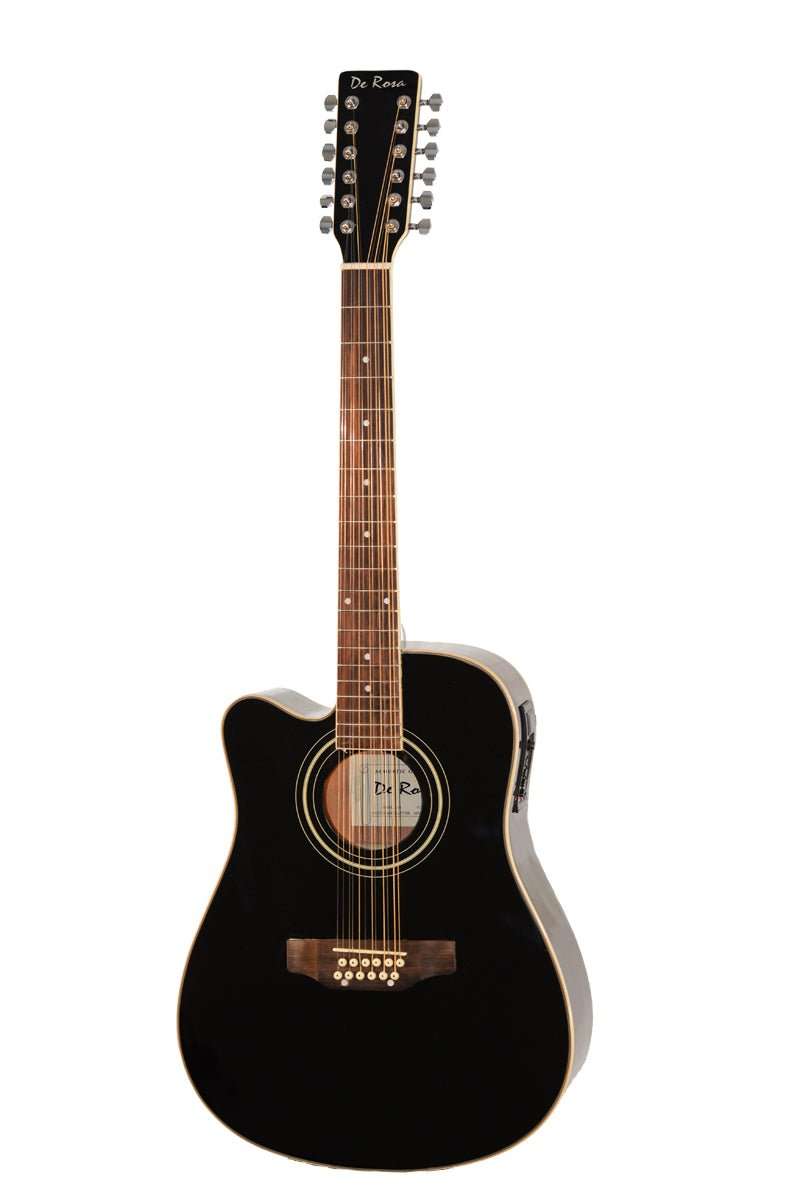
Buying a De Rosa 12 string guitar requires more care than buying a new guitar from a current manufacturer. Used listings may contain limited information, unclear model names, or photos that hide important damage.
Ask the seller for:
• The exact model and serial number
• Photos of the bridge, neck, headstock, and soundboard
• A picture of the guitar from the side
• The distance from the strings to the 12th fret
• Details about repairs or replaced parts
• The current string gauge
• A short video of open chords and notes at the 12th fret
Do not rely only on a polished product photo. A close image of the bridge and a side view of the neck can reveal more than ten front-facing pictures.
Budget for a professional setup. A low purchase price can become less attractive if the guitar needs a bridge repair, fret work, new tuners, and a neck adjustment. In some cases, repair costs can exceed the guitar’s market value.
Questions to Ask Yourself
Before buying, consider your actual use.
• Do you want a wide rhythm sound or an easy practice guitar?
• Will you play mostly at home, on stage, or in a studio?
• Can you manage regular tuning?
• Is the seller willing to accept a return?
• Can a local technician inspect the instrument?
If the answer to the last two questions is no, proceed carefully. A reliable return policy has real value when buying an older or uncommon model.

Common Problems With a De Rosa 12 String Guitar
Not every De Rosa 12 string guitar has the same problems, but older budget 12-strings can show predictable issues. The most serious are structural, not cosmetic.
Watch for bridge lifting. Slide a thin piece of paper around the bridge edge. If it moves under the bridge, the bridge may need repair. Do not use this test to force the paper into the joint.
Also check for:
• A top that rises sharply behind the bridge
• Cracks near the bridge or end block
• A neck joint that feels loose
• A headstock repair
• Severe fret wear
• Tuners that cannot hold pitch
• A saddle that has been filed too low
Some repairs are reasonable. A setup, string replacement, or tuner upgrade may be worthwhile. Structural repairs need a written estimate before you commit.
One mistake I often see buyers make is focusing on the finish while ignoring the geometry. A few scratches rarely affect the sound. A badly warped neck or lifting bridge can affect everything.
De Rosa 12 String Guitar for Beginners
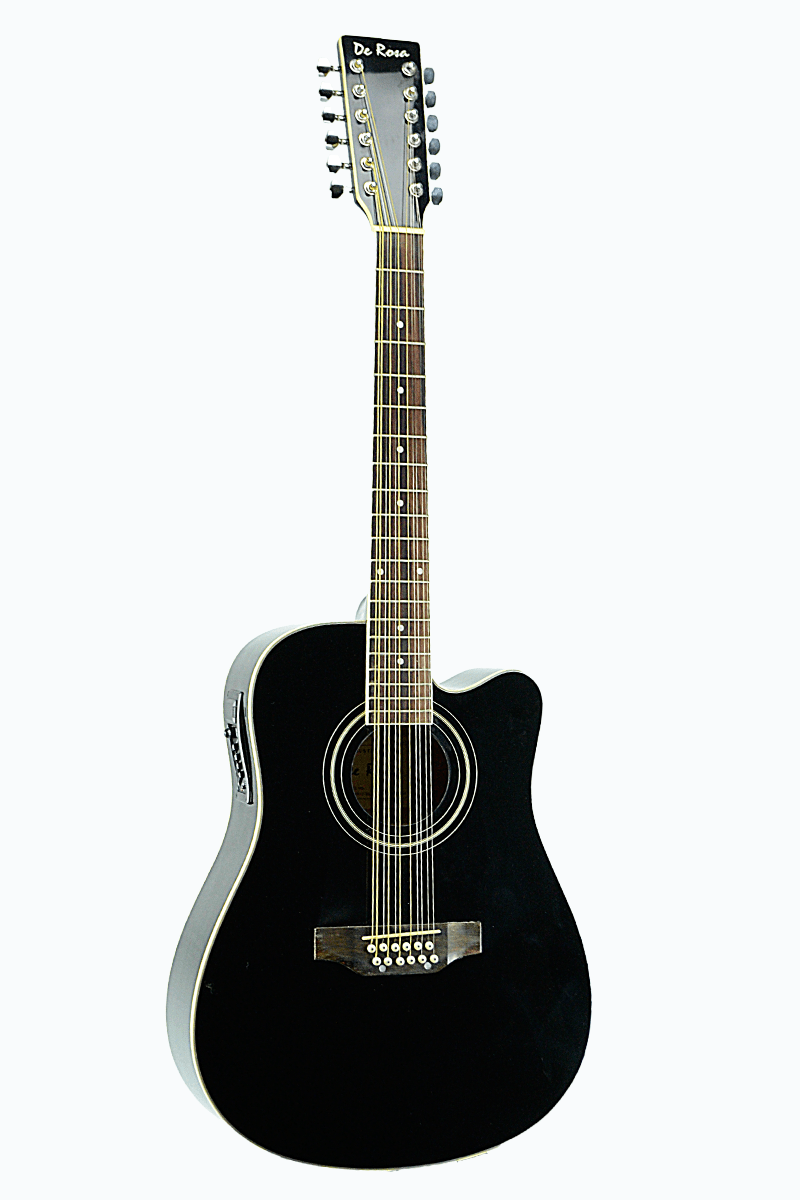
The De Rosa 12 string guitar can be a good starter 12-string if the action is comfortable and the instrument is structurally sound. It can also be frustrating if a beginner receives one with high action or poor tuning stability.
New players should first learn basic six-string chord shapes on the 12-string. Start with G, C, D, A, E minor, and A minor. These chords appear in many popular songs and help build left-hand strength.
Practice in short blocks:
Tune each pair carefully.
Play each chord slowly.
Check every note for clarity.
Strum with a relaxed hand.
Stop if pain develops.
Mild fingertip soreness can be normal. Sharp wrist pain is not. Adjust your posture and take a break rather than trying to push through discomfort.
A beginner who wants the easiest possible learning path may prefer a six-string first. A beginner who loves the 12-string sound may stay more motivated with the right setup and simple songs.
Frequently Asked Questions About the De Rosa 12 String Guitar
Is the De Rosa 12 string guitar good for beginners?
It can be, provided the neck is straight enough, the action is reasonable, and the guitar holds tune. A professional setup is especially helpful because 12-string instruments are less forgiving than six-strings.
What strings should I use on a De Rosa 12 string guitar?
Use a complete set made for 12-string acoustic guitars, usually in a light or extra-light gauge. The safest choice depends on the guitar’s condition, scale, and structural strength, so ask a technician if the instrument is older.
How often should I tune a De Rosa 12 string guitar?
Tune it every time you play. Temperature, humidity, string age, and the extra paired strings can cause tuning changes, especially after restringing.
Can I tune a De Rosa 12 string guitar down?
Yes, many players tune down by a half step or whole step to reduce tension and make the guitar easier to play. Check that the strings do not become too loose, and adjust the setup if the instrument no longer plays in tune.
Does a De Rosa 12 string guitar need a special amplifier?
Only if the guitar has a built-in pickup. If it is an acoustic-only model, you need an external microphone or a professionally installed pickup system for amplification.
How can I tell if a used De Rosa 12 string guitar is damaged?
Inspect the bridge, top, neck, headstock, frets, and tuners. A lifting bridge, major top bulge, deep crack, or severe neck problem deserves inspection by a qualified guitar repair technician before purchase.
Conclusion
The De Rosa 12 string guitar can deliver a rich, shimmering sound that makes simple chords feel much larger. Its real value depends on the specific instrument, because condition, setup, wood, hardware, and production details may vary.
Check the neck, bridge, top, tuners, and action before buying. Use suitable 12-string strings, protect the guitar from extreme humidity, and allow time for careful tuning. If you find a healthy example and give it a proper setup, the De Rosa 12 string guitar can become a rewarding songwriting, recording, and strumming tool.
Listen to several 12-string guitars before you decide, and ask a trusted repair technician to inspect any used instrument that interests you.