

Yes, Jackson is a good guitar brand, especially for metal, rock, shred, and high-gain players.
To decide if Jackson is a good guitar brand for you, look beyond its sharp body shapes and famous pointy headstocks. Jackson makes guitars across several price levels, and its best models offer fast necks, strong pickups, stable hardware, and excellent access to high frets. However, some entry-level models need a careful setup, and players seeking warm jazz or vintage blues tones may prefer another brand.
Jackson’s Reputation and History
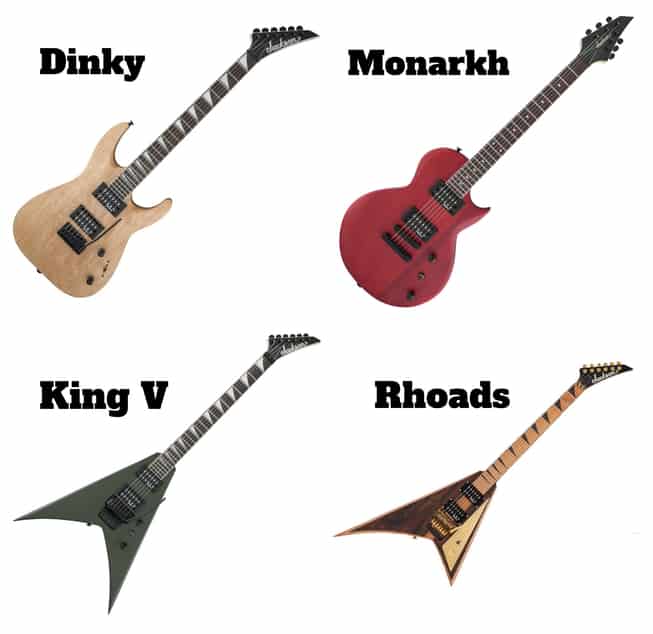
Jackson began in the late 1970s when guitar builder Grover Jackson worked with Randy Rhoads. The resulting offset V guitar became one of the most recognizable metal guitars ever made. That early link with heavy music helped shape Jackson’s identity.
Today, Jackson is part of the Fender Musical Instruments Corporation family. The brand still focuses on high-performance electric guitars, but its lineup now covers beginners, gigging musicians, recording players, and professional artists.
Jackson has built its name around a few key ideas:
• Fast necks for lead playing
• High fret access for solos
• Powerful humbucking pickups
• Tremolo systems for pitch effects
• Aggressive body designs
• Strong performance for metal and hard rock
That focus gives Jackson a clear personality. It is not trying to be everything to every guitarist. Instead, it often feels like a sports car built for speed, control, and loud music.
Is Jackson a Good Guitar Brand for Beginners?
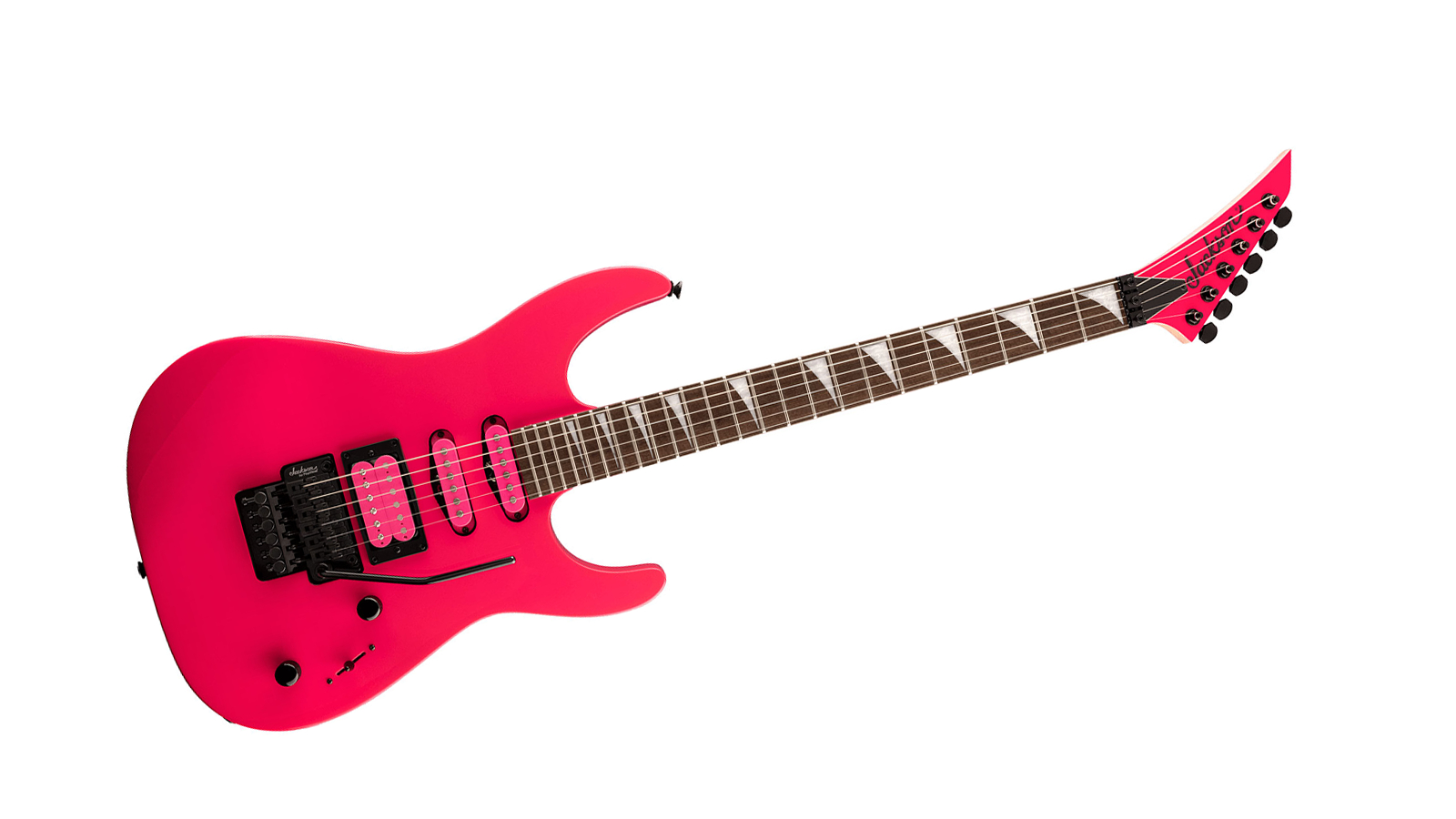
Jackson can be a good guitar brand for beginners, but the best model depends on the player’s goals. A new guitarist who loves metal may feel more inspired by a Jackson JS Series guitar than by a traditional single-coil guitar.
The Jackson JS Series is the brand’s main entry-level range. These guitars often include features that beginners usually do not get from basic starter guitars:
• Dual humbucking pickups
• 24 frets on many models
• Slim neck profiles
• High-output bridge pickups
• Modern body shapes
• Optional tremolo bridges
These features can make practice more exciting. A comfortable neck may also help a beginner learn scales, riffs, and power chords with less effort.
Still, there are two important cautions. First, a low-cost Floyd Rose style tremolo can be difficult for a new player to tune and restring. Second, factory setups can vary. A basic professional setup may improve fret feel, intonation, and action.
For a first guitar, I usually suggest a fixed-bridge Jackson unless the player already understands tremolo maintenance. A fixed bridge removes one major source of frustration and makes tuning changes much easier.

Jackson Guitar Series Explained
Jackson offers several series, and understanding the differences makes shopping much easier.
Jackson JS Series
The JS Series is aimed at beginners and players on a budget. Models such as the JS22 Dinky and JS32 Dinky are popular because they offer modern designs and metal-friendly tones at accessible prices.
Common features include:
• Basswood or similar affordable body woods
• Ceramic humbucking pickups
• Maple necks
• 24 frets
• Compound-radius fingerboards on some models
• Fixed or tremolo bridges
JS Series guitars can sound powerful through a practice amp or modeling unit. Their main limits are usually hardware refinement, fret finishing, and pickup detail. They are good tools, but they may need more setup work than higher-level models.
Jackson X Series
The X Series sits above the JS line. These guitars often provide better hardware, more refined construction, and stronger electronics. Many models include active pickups, compound-radius fingerboards, and licensed Floyd Rose tremolos.
An X Series guitar can be a good choice for an intermediate player who wants more performance without paying for a professional-level instrument.
Jackson Pro Plus Series
The Pro Plus Series targets serious players. These guitars often feature upgraded pickups from brands such as Seymour Duncan or Fishman, better tremolo systems, stainless steel frets, and more refined neck work.
The Pro Plus range is built for recording, touring, and demanding home use. It usually offers a clear step up in tuning stability, fret feel, and tonal flexibility.
Jackson MJ Series
The MJ Series is made in Japan and is known for detailed construction and high-quality components. These guitars often appeal to players who want professional features without moving fully into the highest American price range.
Japanese guitar production has a strong reputation for quality control. MJ models commonly include premium pickups, reliable bridges, and carefully finished necks.
Jackson USA Series
Jackson USA guitars represent the brand’s top level. They are made with premium materials and close attention to detail. These instruments are expensive, but they are designed for players who want a long-term professional guitar.
A USA Jackson may offer custom-style finishes, premium woods, hand-finished frets, and top-grade electronics. The higher price does not automatically make one right for every player, but it can bring better consistency and refinement.
Jackson Guitar Build Quality
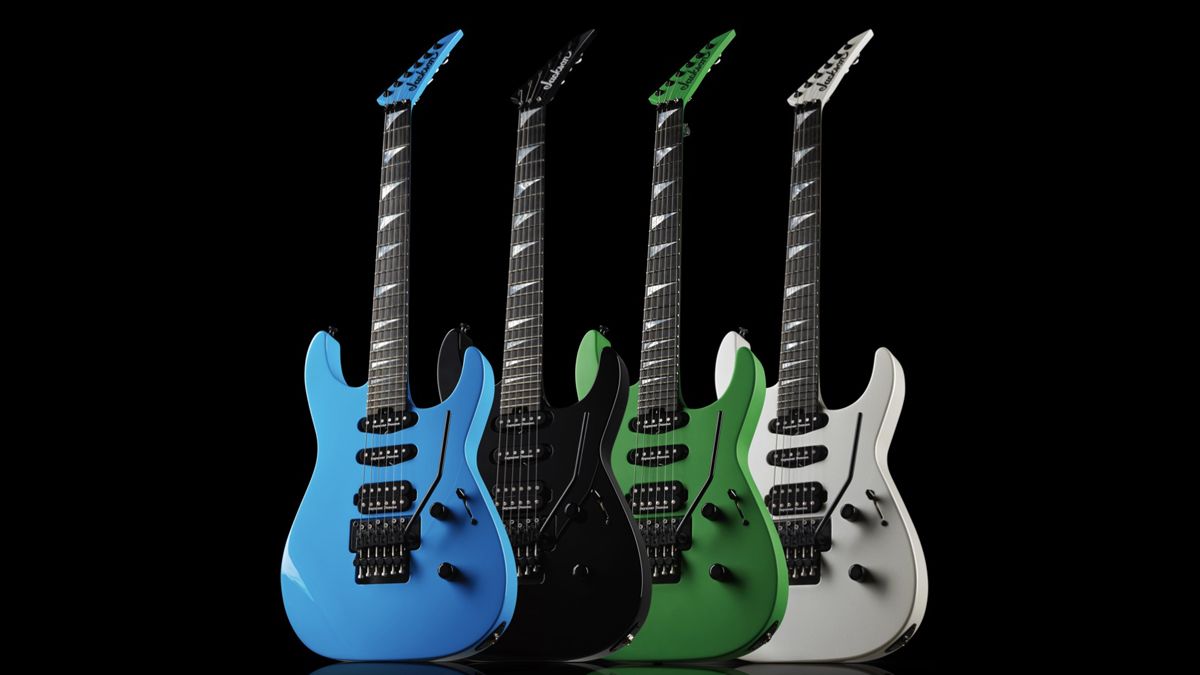
Build quality depends heavily on the series and the individual instrument. It is not accurate to judge every Jackson guitar by the cheapest model or the most expensive one.
Entry-level Jackson guitars may show small cosmetic flaws or need a setup. That does not mean they are poor guitars. It means budget instruments often leave less room for detailed fretwork and final inspection.
Midrange and premium Jackson guitars usually offer:
• Cleaner fret ends
• Smoother fingerboards
• Better nut work
• More stable bridges
• More consistent necks
• Higher-quality electronics
When inspecting a Jackson guitar, check the following:
Look down the neck from the headstock and check for obvious twists.
Run your hand along the fret edges to find sharp spots.
Play every fret on every string.
Test the tuning machines and bridge.
Listen for volume drops or noisy pickup positions.
Check whether the neck relief and action feel comfortable.
A good setup can fix many small problems. A twisted neck, badly damaged fretboard, or poorly cut nut is more serious. If you buy online, choose a seller with a clear return policy.

Jackson Neck Feel and Playability
Neck shape is one of Jackson’s biggest strengths. Many models use a slim “speed” neck that feels comfortable for fast riffs and lead work. The neck often has a flatter radius than a traditional Fender-style guitar.
Many Jackson guitars also use a compound-radius fingerboard. This means the fingerboard is rounder near the nut and flatter near the higher frets. The design can feel natural for chord work while making bends and solos easier.
Jackson guitars also commonly provide 24 frets. The extra two frets give players access to higher notes without needing a longer-scale instrument.
This design suits:
• Shred guitar
• Metal solos
• Fast alternate picking
• Legato playing
• Progressive metal
• Hard rock
A slim neck is not perfect for everyone. Some players prefer a thicker neck because it feels fuller in the hand. The best choice depends on your hand size, playing style, and past guitar experience.
I recommend playing both a Dinky and a Soloist if possible. The Dinky often feels compact and balanced. The Soloist usually feels more substantial and may offer a smoother platform for lead work.

Jackson Sound and Pickups
Jackson guitars are strongly associated with aggressive tones. Their bridge pickups are often designed to produce high output, strong mids, and tight low end.
That sound works well with:
• Palm-muted riffs
• Drop tuning
• Distortion
• High-gain amplifiers
• Fast metal rhythms
• Saturated lead tones
Affordable JS models often use ceramic pickups. Ceramic magnets can sound loud and forceful, though they may have less subtle response than premium alnico or modern active pickups.
Higher-level Jackson guitars may use Seymour Duncan, Fishman Fluence, EMG, or other respected pickup systems. These pickups can provide more clarity, tighter bass, and better note separation under heavy gain.
A pickup does not work alone. Your amplifier, speaker, guitar setup, pick choice, strings, and playing technique all affect the final sound. A budget Jackson through a good modeling amp can sound more impressive than an expensive guitar through a weak practice amp.
Jackson guitars are not limited to metal. With the right amp settings, many models can handle punk, alternative rock, classic rock, and modern hard rock. Their natural voice is still more aggressive than a typical Stratocaster or hollow-body guitar.

Jackson Tremolo Bridges and Tuning Stability
Some Jackson guitars come with a Floyd Rose or licensed Floyd Rose tremolo. This bridge allows dramatic pitch changes, including dive bombs and upward bends.
A quality Floyd Rose system can hold tuning very well when it is set up correctly. It is especially useful for players who use tremolo effects as part of their style.
The tradeoff is maintenance. Changing string gauges, changing tunings, or replacing strings can take more time. The bridge must remain balanced between string tension and spring tension.
A fixed bridge is easier for:
• Beginners
• Frequent alternate tunings
• Quick string changes
• Home recording
• Players who rarely use tremolo effects
A locking tremolo is better for:
• Dive bombs
• Extreme vibrato
• Metal solos
• Stable tuning during aggressive playing
• Players willing to learn setup work
One of the most common mistakes is buying a tremolo-equipped guitar because it looks exciting, then discovering that the bridge makes simple tuning changes difficult. Choose the bridge for your habits, not just its appearance.

Jackson Compared With Other Guitar Brands
The question “is Jackson a good guitar brand” often comes from shoppers comparing it with Ibanez, ESP LTD, Schecter, Fender, and Gibson.
Jackson vs. Ibanez
Jackson and Ibanez both make excellent metal guitars. Jackson often feels more connected to traditional heavy metal and hard rock, while Ibanez is known for very slim necks, modern shred designs, and broad artist coverage.
The choice often comes down to neck shape, body balance, and pickup voicing. Try both before buying if fast playing is important.
Jackson vs. ESP LTD
ESP LTD guitars are also strong choices for metal and rock. LTD models often have a heavier, more substantial feel, while Jackson guitars may feel faster and more angular.
Both brands offer affordable beginner guitars and premium professional models. Compare the exact guitar rather than judging the brand as a whole.
Jackson vs. Schecter
Schecter offers many guitars with extended-range options, heavy bridges, and modern features. Schecter necks can feel slightly fuller on some models, though the range is broad.
Jackson may be the better fit if you want a classic metal shape and a fast neck. Schecter may appeal more if you want a wider range of body styles and tone options.
Jackson vs. Fender
Fender is famous for Stratocaster and Telecaster designs, single-coil tones, and vintage playing feel. Jackson is more focused on high-output humbuckers, fast necks, and high-gain music.
Neither is simply better. They serve different musical needs.
Jackson vs. Gibson
Gibson guitars often provide thick mahogany bodies, set necks, and warm, powerful tones. Jackson guitars usually feel faster and more modern, with easier upper-fret access.
A guitarist who plays blues, classic rock, or jazz may prefer Gibson. A guitarist who plays metal or shred may prefer Jackson.

Advantages of Jackson Guitars
Jackson guitars offer several clear benefits.
• Metal-focused design: The brand understands what high-gain players need.
• Fast necks: Many models support rapid lead playing and technical work.
• Strong upper-fret access: Soloist and Dinky designs make high notes easy to reach.
• Useful pickup choices: Humbuckers work well with distortion and drop tunings.
• Wide price range: Beginners can enter the brand without buying a premium instrument.
• Distinctive looks: Jackson guitars stand out on stage and in photos.
• Extended-range options: Seven-string and baritone models support modern styles.
• Professional models: The brand serves advanced and touring players as well.
The best value often appears in the middle of the range. Very cheap models can be impressive, but midrange Jackson guitars tend to offer a better balance of price, reliability, and playability.
Limitations of Jackson Guitars
A fair review must also discuss the drawbacks. Jackson is not the perfect guitar brand for every player.
Some limitations include:
• Entry-level setup issues: A budget model may need fret, nut, or intonation work.
• Tremolo complexity: Floyd Rose bridges can be difficult for beginners.
• Narrow style focus: The visual design may not suit jazz, country, or traditional blues players.
• Pickup harshness: Some high-output pickups can sound bright or aggressive with certain amps.
• Resale differences: Used values vary widely by series and country of manufacture.
• Neck preference: Players who like thick, rounded necks may not enjoy Jackson’s faster profiles.
These drawbacks are manageable when you choose the right model. The key is to separate a guitar’s design from its quality. A metal-focused guitar may feel limited for clean jazz, but that does not make it a bad guitar.
Best Jackson Guitars for Different Players
The best Jackson guitar depends on your budget and playing style.
Best for beginners
A fixed-bridge JS Series Dinky is a sensible first choice. It offers the Jackson feel without adding the maintenance of a floating tremolo.
Best for intermediate players
An X Series Dinky or Soloist can provide better hardware and more refined electronics. These models suit players who already know their preferred tuning and playing style.
Best for serious metal players
A Pro Plus Soloist or Dinky can deliver professional-level features, strong pickups, and reliable performance. Look for the bridge and pickup setup that matches your music.
Best for traditional metal
A Jackson Rhoads, King V, or Warrior model offers the visual style and aggressive response associated with classic metal.
Best for modern metal
Consider a seven-string Jackson, baritone model, or guitar with active or modern multi-voice pickups. These options provide extended range and tight low-end response.
Best for gigging
Choose a model with dependable tuning hardware, comfortable balance, and electronics that match your amplifier. A fixed bridge can be a practical choice for musicians who change strings quickly between shows.
How Much Should You Spend on a Jackson Guitar?
Jackson prices vary by series, country of production, electronics, and hardware. A low-cost model can be useful, but a moderate increase in budget often brings noticeable improvements.
A simple buying guide looks like this:
Set aside money for a professional setup if buying an entry-level guitar.
Prioritize the neck and fretwork over decorative finishes.
Choose a fixed bridge unless you truly need a tremolo.
Compare pickup type with your amplifier and tuning.
Consider a used midrange Jackson instead of a brand-new beginner model.
Keep money available for a tuner, strap, cable, strings, and a quality amplifier.
Do not spend your entire budget on the guitar alone. A good setup and suitable amp can make a major difference in how the instrument feels and sounds.
Practical Jackson Setup Tips
A Jackson guitar often performs best after a careful setup. This is especially true after shipping or a major weather change.
Ask a qualified guitar technician to check:
• Neck relief
• String height
• Intonation
• Nut slots
• Fret edges
• Pickup height
• Tremolo balance
• Electronics and grounding
Use the string gauge recommended for your tuning. If you move from standard tuning to a much lower tuning, the guitar may need new setup adjustments.
Keep the instrument in a stable room. Extreme changes in heat and humidity can affect the neck, fretboard, and finish. Wipe the strings after playing, and replace them when they lose clarity or feel rough.
One practical lesson is simple: never judge a guitar only during the first five minutes in a store. Play it seated and standing. Test clean and distorted tones. Check high frets, open chords, bends, and palm-muted riffs.
Who Should Buy a Jackson Guitar?
Jackson is a strong choice if you want:
• Metal or hard rock tones
• A fast, modern neck
• Easy access to high frets
• High-output humbuckers
• A striking stage design
• Seven-string or baritone options
• Tremolo performance
You may prefer another brand if you want:
• Classic single-coil sounds
• A thick vintage neck
• A hollow-body guitar
• A very traditional appearance
• Frequent tuning changes with no setup work
The most important question is not only “is Jackson a good guitar brand?” It is also “does Jackson match how I play?” A well-made guitar that does not fit your hands or music will still feel wrong.
Frequently Asked Questions About Is Jackson a Good Guitar Brand
Is Jackson a good guitar brand for metal?
Yes, Jackson is one of the strongest choices for metal and hard rock. Its guitars commonly offer humbucking pickups, fast necks, high fret access, and designs that work well with high-gain amplifiers.
Are Jackson guitars good quality?
Jackson guitars can offer very good quality, especially in the X Series, Pro Plus, MJ, and USA ranges. Quality varies by model, so inspect the fretwork, bridge, electronics, and setup rather than judging every guitar by its logo.
Is Jackson better than Ibanez?
Neither brand is always better. Jackson often suits players who want classic metal styling and a fast but substantial neck, while Ibanez may appeal to players who prefer very slim necks and modern shred features.
Are Jackson guitars good for beginners?
Yes, Jackson guitars can be good for beginners who enjoy rock and metal. A fixed-bridge JS Series model is usually easier to manage than a beginner guitar with a Floyd Rose style tremolo.
Do Jackson guitars stay in tune?
Jackson guitars with good tuning machines, a properly cut nut, and a correctly adjusted bridge can stay in tune very well. Floating tremolos require correct setup, balanced springs, and proper string installation.
Are Jackson guitars only for metal?
No. Jackson guitars can handle punk, alternative rock, classic rock, and other styles. Their humbuckers and modern necks are most naturally suited to aggressive music, but clean tones depend greatly on the amplifier and effects.
What is the best Jackson guitar for the money?
A midrange X Series model often offers strong value for the money. It can provide better hardware and playability than the cheapest JS models without reaching the price of a professional USA instrument.
Conclusion
So, is Jackson a good guitar brand? Yes, especially for players who want fast playability, powerful humbuckers, high fret access, and a guitar built for metal or hard rock. The brand offers useful choices from affordable JS models to premium USA instruments.
The main lesson is to choose by series, bridge, pickup, and neck feel rather than by appearance alone. If you are new to guitar, start with a fixed bridge and plan for a setup. If you want advanced performance, explore the Pro Plus, MJ, or USA ranges.
Try several models, compare them with your amplifier, and choose the guitar that makes you want to play every day. Explore more Jackson models, test one in person, and share your experience with other guitar players.