

A 3/4 guitar is a smaller guitar with reduced body and scale length, designed for comfort, travel, and younger players.
If you are wondering what is a 3 4 guitar, the answer is simple, but choosing one takes a little more care. Size affects comfort, tone, reach, tuning, and long-term playability. This guide explains how a 3/4 guitar works, who should use one, what to check before buying, and how it compares with full-size and travel guitars.

What Is a 3/4 Guitar?
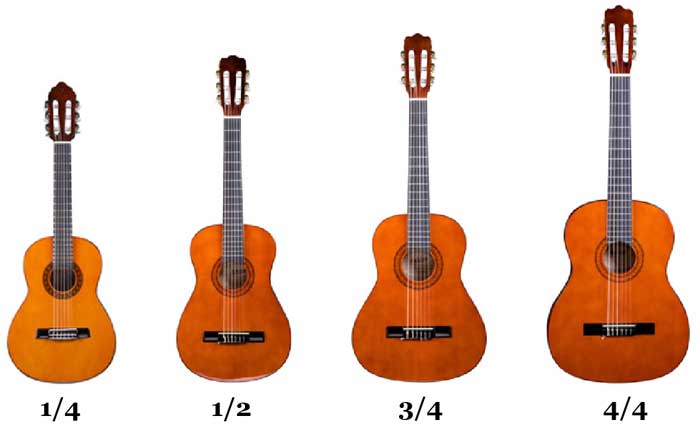
A 3/4 guitar is a guitar built at about three-quarters the size of a standard full-size guitar. It usually has a shorter scale length, a smaller body, and a narrower overall footprint.
The term “3/4” describes the guitar’s general size class. It does not mean that every part is exactly 75% of a full-size guitar. Each manufacturer uses its own measurements, so two 3/4 guitars can feel quite different.
Most 3/4 acoustic guitars have:
• A scale length of about 22 to 24 inches
• A smaller guitar body
• A shorter distance between frets
• Lower weight
• A more compact neck
A full-size steel-string acoustic guitar often has a scale length near 25 to 25.5 inches. A 3/4 guitar shortens this distance, which makes chords and single-note patterns easier for smaller hands.
The phrase “3 4 guitar” is another common way people type “3/4 guitar” into search engines. Both terms usually refer to the same smaller guitar size.
How Does a 3/4 Guitar Differ From a Full-Size Guitar?
The biggest difference is physical size. A 3/4 guitar has a smaller body and shorter neck, while a full-size guitar offers more air space inside the body and a longer vibrating string length.
These design changes affect the playing experience in several ways.
Scale length
Scale length is the distance from the nut to the saddle. It controls the space between frets and affects string tension.
A shorter scale makes it easier to:
• Stretch between frets
• Form open chords
• Play beginner guitar exercises
• Bend strings with less effort
• Reach notes higher on the neck
This is why many children and small-handed players feel more at ease on a 3/4 guitar.
Body size
The smaller body sits closer to the player. This can help prevent the common beginner problem of leaning forward or twisting the shoulder to reach around a large guitar.
A smaller body can also produce a focused, balanced sound. However, it may not have the same deep bass or loud projection as a large dreadnought guitar.
String tension
Shorter scale guitars often feel softer under the fingers. That can make a 3/4 guitar more comfortable, but the exact feel depends on the strings, tuning, and setup.
Do not assume every small guitar will feel soft. Heavy strings, high action, or a poorly cut nut can still make a 3/4 guitar hard to play.

Who Should Play a 3/4 Guitar?
A 3/4 guitar can suit many players. It is not only a guitar for children.
Children and young beginners
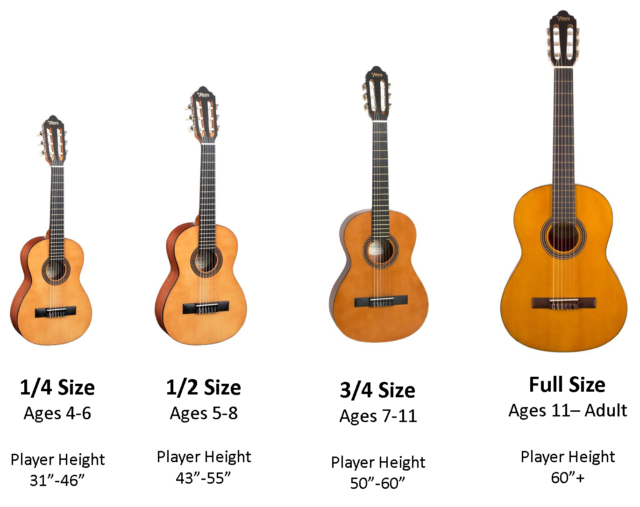
Many children between about 8 and 12 years old find a 3/4 guitar easier to hold. Age is only a rough guide, though. A child’s height, arm length, hand size, and confidence matter more than a birthday.
A child should be able to:
• Reach the first few frets without strain
• Wrap the picking arm around the body
• Hold the guitar steady while sitting
• Press strings without bending the wrist sharply
A music teacher or guitar shop worker can help check the fit.
Smaller adults
A 3/4 guitar may be a smart choice for adults with smaller frames or short reaches. Comfort matters more than tradition. A guitar that feels natural will usually encourage more practice than a larger instrument that causes shoulder or wrist pain.
Travelers
A 3/4 guitar is easier to carry on road trips, camping trips, and flights. It takes up less room in a car and feels less awkward in a small room.
Keep in mind that “3/4” does not always mean “airline approved.” Airline rules differ, and a hard case may still be required.
Experienced players
Many skilled guitarists keep a 3/4 guitar for songwriting, casual practice, or alternate tunings. Some players like the direct, focused tone and easy fret access.
A smaller guitar can also be useful when recovering from hand strain. It reduces reach demands, although pain should always be discussed with a qualified health professional.
What Does a 3/4 Guitar Sound Like?
A 3/4 guitar often has a bright, clear, and focused sound. Its smaller body usually produces less low-end power than a full-size dreadnought.
The sound depends on more than size. Important factors include:
• Wood type
• Body shape
• Bracing design
• String material
• Pick thickness
• Player technique
• Guitar setup
A spruce-top 3/4 guitar may sound crisp and lively. A mahogany-top model may offer a warmer and more direct tone. A nylon-string 3/4 guitar often has a softer sound that suits classical pieces, folk music, and gentle fingerstyle.
A 3/4 guitar may not fill a large room as strongly as a full-size instrument. Yet its balance can work very well for vocals, recording, and home practice.
In my experience, new players often prefer a smaller guitar because they can hear each note clearly. That clarity can make practice feel rewarding, especially during the first few months.
Is a 3/4 Guitar Good for Beginners?
Yes. A 3/4 guitar can be an excellent beginner guitar when it fits the player and has a good setup.
Beginners need to build basic habits. They must learn to hold the instrument, form chords, strum, pick, and switch between notes. A comfortable guitar removes one barrier from that process.
A 3/4 guitar may help because:
• Chords require less finger stretch
• The body is easier to control
• The neck feels less crowded
• The instrument weighs less
• Practice feels less tiring
Still, size alone does not guarantee a good experience. A badly adjusted 3/4 guitar can discourage a beginner just as quickly as an oversized one.
Before buying, check the action. Action is the height of the strings above the fretboard. High action makes fretting harder and can cause sore fingertips. A guitar technician can often improve this with a basic setup.
One mistake I often see is choosing the cheapest small guitar without testing it. Low price can be useful, but poor tuning stability, sharp fret ends, and high action may create more problems than they save.
What Are the Benefits of a 3/4 Guitar?
The main benefit of a 3/4 guitar is comfort. That single feature can support better practice and better technique.
Easier reach
The shorter neck reduces the distance between frets. Players with small hands may find it easier to form chords such as G, C, and D.
Better portability
A 3/4 guitar is easier to store and transport. It works well for apartments, dorm rooms, road trips, and casual outdoor playing.
Lower weight
The lighter body can reduce fatigue during long practice sessions. This is useful for children and adults who have trouble holding a full-size guitar.
Friendly learning curve
A comfortable guitar helps beginners focus on rhythm and sound instead of fighting the instrument.
Useful travel tone
Many 3/4 guitars offer a lively sound that works well for singing and simple chord patterns. Some are surprisingly strong when paired with a microphone.
Good value for growing players
A child may use a 3/4 guitar for several years before moving to a full-size instrument. Adults may keep one for life as a travel or practice guitar.

What Are the Limitations of a 3/4 Guitar?
A 3/4 guitar is not perfect for every player or every style. Knowing its limits helps you make a better choice.
The smaller body may produce less bass and volume. If you want a deep, powerful sound for bluegrass rhythm, a full-size dreadnought may serve you better.
The shorter scale can also change the feel of the strings. Some players enjoy the softer tension, while others prefer the firm response of a longer scale.
Other possible drawbacks include:
• Less room for very large hands
• A smaller lower bout for some playing positions
• A narrower range of deep bass tones
• Fewer premium model choices
• Confusion between youth, travel, and 3/4 sizes
A 3/4 guitar can also feel cramped for an adult with large hands. The best test is simple: play common chords, move up the neck, and check whether your fingers feel crowded.
3/4 Guitar vs. Travel Guitar
People often use “3/4 guitar” and “travel guitar” as if they mean the same thing. They overlap, but they are not identical.
A 3/4 guitar is defined mainly by its size. A travel guitar is designed mainly for portability.
A travel guitar may have:
• A very small body
• A short or unusual scale length
• A removable neck
• A compact headstock
• Special folding hardware
Some travel guitars are smaller than a typical 3/4 guitar. Others have nearly full-size necks but very compact bodies.
If comfort for a child is your goal, look for a true 3/4 guitar with an appropriate scale length. If you need the smallest possible instrument for travel, compare travel-specific designs as well.
3/4 Guitar vs. Half-Size Guitar
A half-size guitar is smaller than a 3/4 guitar. It is often made for very young children, usually around ages 5 to 8, though body size matters more than age.
The names can vary between brands. One company’s “junior” guitar may feel close to a half-size model, while another’s may feel closer to a 3/4 guitar.
A simple size guide looks like this:
• Half-size guitar: Often suited to young children
• 3/4 guitar: Often suited to older children, smaller adults, and travelers
• Full-size guitar: Often suited to teens and adults with average or larger frames
Always check the actual scale length and body measurements. The label alone does not tell the whole story.
How to Choose the Right 3/4 Guitar
Choosing a 3/4 guitar becomes easier when you focus on fit, construction, and sound.
Measure the player
Have the player sit with the guitar in a normal playing position. The picking arm should reach around the body without forcing the shoulder forward.
The fretting hand should reach the first position with a relaxed wrist. If the player must squeeze hard or bend the wrist sharply, try another model.
Check the scale length
Look for the manufacturer’s scale-length measurement. A 3/4 guitar often falls between 22 and 24 inches, but some models sit outside that range.
A shorter scale may feel easier. A slightly longer one may offer more string tension and a fuller response.
Inspect the neck
Run a finger gently along the fret edges. They should feel smooth, not sharp. Look down the neck from the headstock toward the bridge and check for obvious twists or severe bowing.
Test the tuning
Turn each tuning key slowly. The pitch should change in a controlled way. Play a chord, tune it, and check whether it stays close after several minutes.
Listen without effects
For an acoustic-electric 3/4 guitar, listen to it unplugged first. Electronics cannot fix a guitar that feels uncomfortable or sounds weak acoustically.
Consider the strings
Many small guitars ship with strings that are too heavy for beginners. A lighter set may improve comfort, but the correct gauge depends on the guitar and tuning.
Ask a qualified guitar technician before changing string gauges dramatically.
How Much Does a 3/4 Guitar Cost?
The price of a 3/4 guitar can range from budget student models to premium instruments. Cost depends on materials, brand, construction, electronics, and quality control.
A low-cost model may be fine for a first lesson, but inspect it carefully. The guitar should hold tune, have smooth frets, and allow the strings to sit at a comfortable height.
A mid-range 3/4 guitar often offers better wood, stronger tuning machines, and more consistent factory setup. Those improvements can make practice more enjoyable.
When comparing prices, include:
• A padded gig bag or hard case
• A digital tuner
• A strap
• Extra strings
• A professional setup
A basic setup can be one of the best upgrades for a new 3/4 guitar. It may improve playability more than a decorative finish or extra electronics.

How to Maintain a 3/4 Guitar
A 3/4 guitar needs the same basic care as a full-size guitar.
Keep it away from extreme heat, cold, and sudden humidity changes. Wood expands and contracts, and rapid changes can cause buzzing, cracks, or neck movement.
Use these simple habits:
Wipe the strings after playing.
Store the guitar in a case when you are not using it.
Replace old strings when they sound dull or feel rough.
Check tuning before each practice session.
Avoid leaving the guitar in a hot car.
Have the setup checked if buzzing or high action develops.
Do not use household polish on the guitar. Some products can damage the finish. Use a cleaner made for the instrument’s finish, or ask a repair shop for advice.
Common Mistakes When Buying a 3/4 Guitar
The most common mistake is buying by age or appearance alone. A bright color may attract a child, but comfort and tuning stability matter more.
Other mistakes include:
• Assuming every 3/4 guitar has the same dimensions
• Ignoring the action height
• Buying without checking the return policy
• Choosing steel strings for a nylon-string player
• Confusing a 3/4 guitar with a half-size model
• Skipping a setup
• Expecting a small guitar to sound like a dreadnought
Try at least two or three guitars if possible. Ask the player to hold each one for several minutes. A guitar can feel fine at first and uncomfortable after sustained playing.
Frequently Asked Questions About What Is a 3/4 Guitar
What does 3/4 guitar mean?
A 3/4 guitar is a smaller guitar with a reduced body and shorter scale length than a standard full-size guitar. It is often used by children, smaller adults, beginners, and travelers.
Is a 3/4 guitar suitable for adults?
Yes, many adults enjoy a 3/4 guitar because it is light, comfortable, and easy to carry. Adults with large hands may prefer a full-size guitar with a wider neck and more room between frets.
What age is a 3/4 guitar for?
A 3/4 guitar often suits children around 8 to 12 years old, but age is only a general guide. Height, arm length, hand size, and playing comfort provide a better fit.
Does a 3/4 guitar sound worse than a full-size guitar?
Not always. A 3/4 guitar may have less deep bass and volume, but it can produce a clear, balanced, and pleasing tone. Wood, body shape, strings, and setup strongly affect sound quality.
Can beginners learn on a 3/4 guitar?
Yes. A 3/4 guitar can make learning easier because the shorter neck and lighter body reduce physical strain. A good setup is important because high action can make any beginner guitar difficult to play.
Is a 3/4 guitar the same as a travel guitar?
No. A 3/4 guitar is a size category, while a travel guitar is designed for portability. Some travel guitars are 3/4 size, but others are smaller or use different body and neck designs.
Can you put steel strings on any 3/4 guitar?
No. Only use the string type recommended by the manufacturer. Nylon-string guitars are not built to handle the same tension as steel-string guitars, and using the wrong strings can damage the instrument.
Conclusion
A 3/4 guitar is a smaller, lighter guitar with a shorter scale length and compact body. It can be a strong choice for children, smaller adults, beginners, travelers, and experienced players who want a comfortable second instrument.
The best 3/4 guitar should feel easy to hold, stay in tune, have smooth frets, and offer comfortable string height. Do not choose by the size label alone. Test the fit, check the scale length, and consider a professional setup.
If you are ready to buy, visit a music store and compare several models in person. Then share your favorite 3/4 guitar, playing goals, or questions in the comments.