

A baritone guitar is a longer-scale guitar tuned lower than standard, producing deep tones between guitar and bass.
If you want more weight, range, and atmosphere from a guitar, learning what is a baritone guitar can open new creative doors. This guide explains its design, tuning, sound, benefits, limits, and practical uses so you can decide if one belongs in your setup.
What Is a Baritone Guitar?
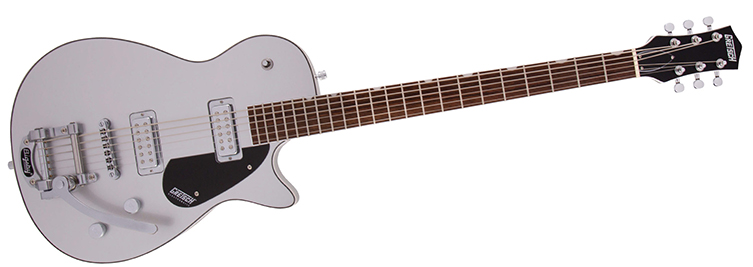
A baritone guitar is an electric or acoustic guitar with a longer scale length and lower tuning than a regular guitar. Most baritone guitars use a scale length between 27 and 30 inches, while many standard electric guitars measure about 24.75 to 25.5 inches.
That extra length gives the strings more tension. It helps the guitar produce clear, deep notes without sounding loose or muddy. In simple terms, a baritone guitar sits between a standard guitar and a bass guitar.
Most baritone guitars are tuned from a fourth to a sixth below standard tuning. A common setup is:
• A standard guitar: E2, A2, D3, G3, B3, E4
• A baritone guitar: B1, E2, A2, D3, F#3, B3
Some players use A standard tuning, which is even lower. Others tune a baritone guitar to C standard or use alternate tunings for metal, rock, country, jazz, and experimental music.
The answer to what is a baritone guitar is not simply “a low guitar.” Its longer neck, heavier strings, different feel, and wider pitch range all affect how you play it.

How Does a Baritone Guitar Work?
A baritone guitar works much like a regular guitar, but its longer neck supports lower notes and heavier strings. The longer scale increases string tension, which keeps the sound firm when you tune down.
Imagine stretching a rubber band. A longer, tighter band creates a clearer, more focused sound. Guitar strings behave in a similar way. If you tune a standard guitar too low without changing the string gauge or setup, the strings may feel floppy and the notes may lose definition.
A baritone guitar solves much of this problem through three main design features:
• Longer scale length for better low-end tension
• Heavier strings for a fuller and more stable tone
• A lower tuning range for deeper musical parts
The instrument still uses guitar-style chord shapes and guitar-style playing techniques. However, the notes sound lower than expected. If you play a familiar open E chord shape on a baritone guitar tuned to B, the chord will sound as a B chord.
This transposition can surprise new players. Your fingers may use familiar shapes, but the actual notes will change. Some musicians think of a baritone guitar as a transposing instrument, much like a capo used in reverse.

Baritone Guitar Tuning and String Gauges
The most common baritone guitar tuning is B standard:
• B1
• E2
• A2
• D3
• F#3
• B3
This tuning keeps the same interval pattern as standard guitar tuning. You can use familiar chord shapes, scales, and riffs, but everything sounds a perfect fourth lower.
Other popular tunings include:
• A standard: A, D, G, C, E, A
• C standard: C, F, Bb, Eb, G, C
• Drop A: A, E, A, D, F#, B
• Drop B: B, F#, B, E, G#, C#
String choice matters. Baritone guitars often use sets around .012–.068 or .013–.072, though the best gauge depends on the scale length and tuning. Longer instruments may work well with slightly lighter strings than shorter instruments at the same pitch.
Avoid choosing strings based only on appearance. A very heavy set can make bends difficult and may place too much stress on the neck. A guitar technician can help you find the right balance.
When changing from standard tuning to a much lower tuning, the instrument may need:
• Truss rod adjustment
• Nut slot adjustment
• Bridge or saddle adjustment
• Intonation correction
• Pickup height adjustment
A proper setup is especially important if the guitar was not designed for baritone strings. Good setup work can turn a frustrating instrument into a smooth, stable one.
How Does a Baritone Guitar Sound?
A baritone guitar has a deep, focused, and often dark sound. It can deliver low notes with more clarity than a standard guitar tuned down several steps.
Its tone depends on several factors:
• Scale length
• Body wood and construction
• Pickup type
• String gauge
• Amplifier settings
• Playing technique
• Tuning
A clean baritone guitar can sound warm and spacious. It works well for film music, ambient parts, jazz melodies, country lines, and surf-style sounds. With distortion, it can produce heavy riffs without becoming as thick or unfocused as a bass guitar.
The sound is often described as “wide” because it fills the space below a normal guitar while keeping enough high-end detail for chords and melodies. It can act like a bridge between rhythm guitar and bass.
Still, every baritone guitar does not sound the same. A short-scale model with bright single-coil pickups will feel and sound different from a long-scale model with high-output humbuckers. Tone comes from the whole instrument and signal chain, not from scale length alone.
What Is a Baritone Guitar Used For?
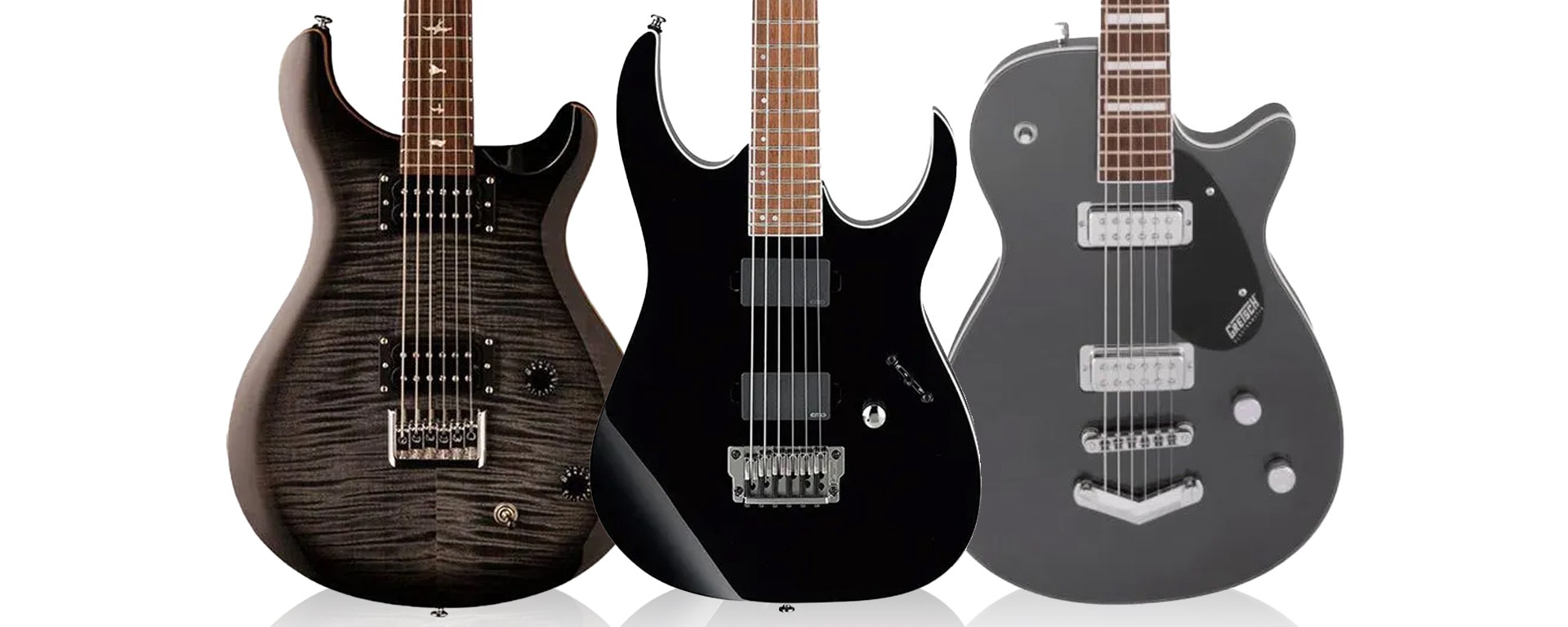
Musicians use baritone guitars in many styles. Its low range gives familiar guitar parts a new character without requiring a bass guitar.
Common uses include:
Heavy Rock and Metal
Baritone guitars are popular for low riffs, extended-range parts, and tight rhythm work. The longer scale helps maintain note clarity in low tunings.
Many players use a baritone for:
• Doom and sludge metal
• Progressive metal
• Alternative rock
• Post-metal
• Industrial music
• Modern hard rock
A baritone guitar can sound powerful with less gain than a standard guitar. This often creates a clearer mix.
Country and Western Music
The baritone guitar has a long history in country and western music. Players use it for low melodic lines, twangy fills, and parts that sit between lead guitar and bass.
A clean amplifier, moderate compression, and a bridge pickup can produce a sharp, cutting tone. The result can add movement without crowding the bass guitar.
Jazz
Jazz musicians often appreciate the instrument’s warm lower register. A baritone guitar can play bass-like walking lines, chord melodies, and low single-note phrases.
It also works well for players who want a darker voice while keeping standard guitar technique.
Ambient and Cinematic Music
Baritone guitars create long, rich notes that work well with delay, reverb, chorus, and volume swells. Their low pitch can make a simple part feel large and emotional.
This is one reason producers use baritone guitars in soundtracks and atmospheric recordings. One sustained note can add depth like a low cloud under the rest of the arrangement.
Studio Recording
A baritone guitar can solve arrangement problems. If a song feels empty between the guitar and bass, a baritone part may fill that middle space.
It can double a bass line, answer the lead guitar, or play a simple chord pattern under a vocal. The key is restraint. Low frequencies build quickly, so a simple part often works better than a busy one.
Baritone Guitar vs. Standard Guitar
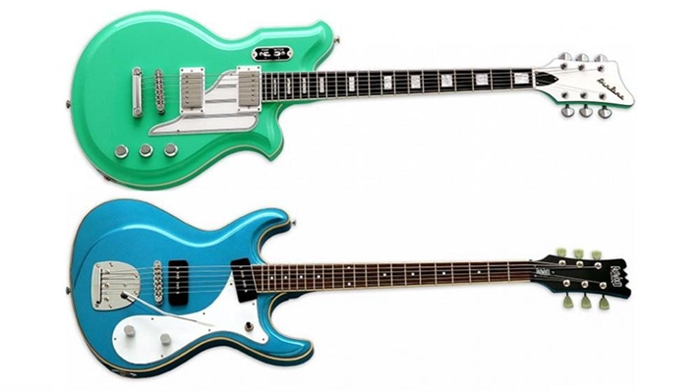
The main difference between a baritone guitar and a standard guitar is pitch range. A baritone guitar is built to sound lower while keeping good string tension.
| Feature | Standard guitar | Baritone guitar |
|---|---|---|
| Typical scale length | About 24.75 to 25.5 inches | About 27 to 30 inches |
| Common tuning | E standard | B standard or lower |
| String feel | Light to medium | Medium to heavy |
| Tone | Midrange-focused | Deeper and fuller |
| Main role | Chords, leads, rhythm | Low leads, riffs, textures |
| Transposition | Usually concert pitch | Often sounds a fourth or more lower |
A standard guitar can be tuned down, but it may need heavier strings and a new setup. Even then, it may not feel or respond like a true baritone guitar.
A baritone guitar also changes your physical approach. Frets are farther apart, bends require more effort, and chord stretches may feel wider. These differences are not problems, but they take time to adjust to.
I often recommend spending at least 20 minutes playing simple scales and open chords before judging a baritone guitar. The first few minutes can feel awkward. After your hands adjust, the longer neck often feels natural.
Baritone Guitar vs. Bass Guitar
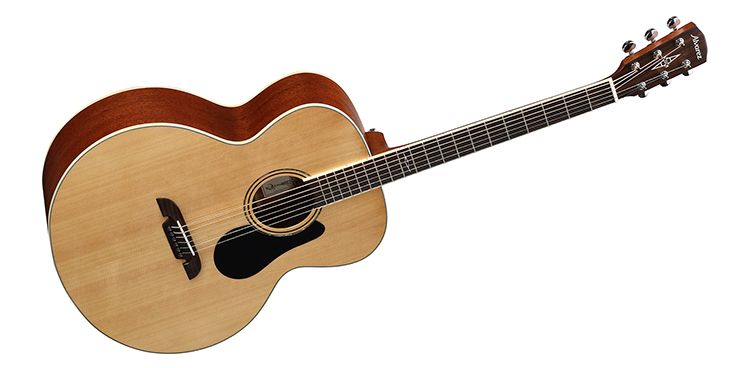
A baritone guitar is not a replacement for a bass guitar. Both instruments can play low notes, but they serve different roles.
A standard bass usually has four strings and a scale length around 34 inches. A baritone guitar normally has six strings and a shorter scale. The baritone keeps more of the guitar’s chord and lead range.
Here are the key differences:
• A bass produces deeper fundamental notes
• A baritone guitar offers more guitar-like chord shapes
• A bass usually uses thicker strings
• A baritone guitar has a brighter upper register
• Bass parts often support the rhythm section
• Baritone parts can combine rhythm, melody, and texture
A baritone guitar may sound too bright or too busy for a traditional bass role. A bass may feel too wide and slow for guitar-style riffs. The right choice depends on the musical job.
Some bands use both. The bass handles the foundation while the baritone guitar adds low-mid detail. This combination can sound huge when the parts are arranged carefully.

Benefits of Playing a Baritone Guitar
A baritone guitar offers several creative and practical benefits.
It Adds a New Musical Range
The instrument gives you access to low notes without abandoning guitar technique. You can explore lower melodies, darker chords, and unusual voicings.
It Improves Low-Tuned Clarity
A longer scale and suitable strings help notes stay focused. This can be useful when playing with distortion or other dense sounds.
It Expands Songwriting Options
A baritone guitar can inspire new riffs because familiar shapes sound different. An ordinary chord progression may feel fresh when moved into a lower register.
It Works Across Many Genres
You can use one for metal, jazz, country, blues, ambient music, pop, and studio work. Its range is broad enough to support both traditional and experimental playing.
It Can Reduce Overuse of Gain
Because the notes have natural weight, you may not need extreme distortion to create a large sound. Less gain can improve note separation and recording clarity.
It Offers a Useful Middle Register
A baritone guitar fills the space between electric guitar and bass. This makes it valuable in three-piece bands, layered recordings, and instrumental music.
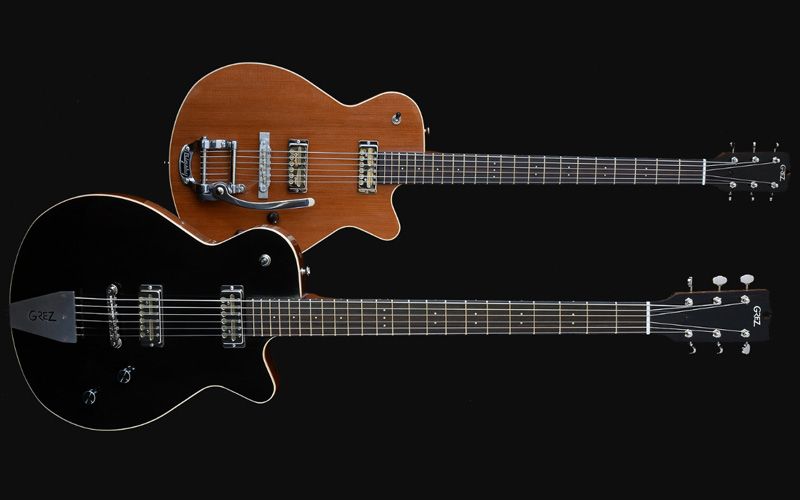
Limitations of a Baritone Guitar
A baritone guitar is versatile, but it is not perfect for every player or song.
The longer scale can feel harder on the hands. Chord stretches may require more reach, and string bends can take extra strength. Players with smaller hands may need time to build comfort.
A baritone guitar can also create mixing problems. Low notes may compete with the bass and kick drum. During recording, use EQ and arrangement choices to leave room for each instrument.
Other possible drawbacks include:
• Fewer model choices than standard guitars
• Higher string costs in some regions
• More complex setup needs
• Less familiar note positions for some players
• Reduced comfort for small hands
• Possible neck balance issues on certain designs
Do not buy one only because it sounds impressive in a demo. Think about how often you will use its range. If you mainly play bright standard-tuned pop or blues, a normal guitar may serve you better.

How to Choose a Baritone Guitar
Start with the music you want to play. Your preferred tuning should guide your choice more than appearance or brand name.
Consider these features:
Scale Length
A 27-inch scale may feel close to a normal guitar. A 30-inch scale offers more tension and stability for very low tunings but may feel more demanding.
Tuning
Choose a guitar that suits your target tuning. If you plan to use B standard, many dedicated baritone models will work well. If you want A standard or lower, look for a longer scale and suitable hardware.
Pickup Type
Humbuckers usually provide a thick, smooth sound with strong output. Single-coil pickups can offer more bite and detail. Some models combine both styles.
Neck Shape
A wide or thick neck may provide stability, but comfort matters most. Play standing and sitting if possible. A guitar that feels good for five minutes may feel different after an hour.
Bridge and Intonation
A stable bridge helps the instrument stay in tune. Accurate intonation is essential when playing low notes, especially during recording.
Weight and Balance
Some baritone guitars are heavy. Check whether the neck stays in position when you let go with your fretting hand. Good balance makes long practice sessions easier.
Before buying, play chromatic scales, open chords, bends, palm-muted riffs, and clean melodies. These tests reveal more than playing one dramatic riff in a store.
Amplifier and Effects Tips
A baritone guitar can work with most electric guitar amplifiers. You do not need a special amp, but your settings may need small changes.
Start with moderate bass, clear mids, and controlled treble. Too much bass can make the sound cloudy. Too much gain can remove the detail that makes the instrument useful.
Helpful effects include:
• Compression for clean country and jazz parts
• Overdrive for thick rhythm sounds
• Distortion for heavy riffs
• Delay for spacious melodies
• Reverb for ambient textures
• Octave effects for experimental parts
• Noise gates for high-gain playing
An octave-down pedal can make a baritone guitar sound extremely deep, but it may compete with the bass. Use it with care.
For recording, high-pass filtering may seem strange on a low guitar, but removing unnecessary sub-bass can improve the mix. The exact frequency depends on the arrangement, tuning, and instrument. Always listen in context rather than relying on a fixed setting.
Common Mistakes New Baritone Players Make
The biggest mistake is treating a baritone guitar exactly like a standard guitar. The instrument shares familiar shapes, but its scale, tension, and pitch change the experience.
Avoid these common errors:
• Using strings that are too light for the tuning
• Skipping a professional setup
• Tuning far below the instrument’s intended range
• Adding too much bass on the amplifier
• Playing too many low notes in a full band
• Forgetting that familiar shapes produce different notes
• Judging the instrument before adjusting your technique
Another mistake is pressing too hard with the fretting hand. Heavy strings can encourage excess force, which may cause fatigue or sharp notes. Use only enough pressure to produce a clean sound.
Practice slowly at first. Play scales with a tuner, record short examples, and listen for unwanted buzz or weak notes. These small checks help you understand the instrument faster.
Is a Baritone Guitar Right for You?
A baritone guitar may suit you if you want deeper sounds, lower tunings, or fresh songwriting ideas. It is especially useful if you already understand basic guitar technique and want to explore a new register.
It may not be the best first guitar for every beginner. The longer neck and heavier strings can make early practice more difficult. However, a motivated beginner can learn on one with the right setup and patient instruction.
Ask yourself:
• Do I enjoy low-tuned music?
• Do I want to write heavier or darker parts?
• Will I use the guitar in recordings or live shows?
• Can I manage the longer scale length?
• Do I already own a standard guitar for regular parts?
If most answers are yes, try several models in person. A short test with familiar riffs, chords, and scales can tell you more than online specifications.
Frequently Asked Questions About What Is a Baritone Guitar
What is a baritone guitar tuned to?
The most common baritone guitar tuning is B standard: B, E, A, D, F-sharp, and B. Some players use A standard, C standard, or drop tunings depending on the style and instrument.
Can you play a baritone guitar like a regular guitar?
Yes, you can use standard guitar chord shapes, scales, and techniques. However, the notes sound lower, so the same shape does not produce the same chord name as it would on a standard-tuned guitar.
Is a baritone guitar harder to play?
It can feel harder at first because the neck is longer and the strings are often heavier. With proper setup and gradual practice, most players adapt to the wider fret spacing and increased tension.
Can a baritone guitar replace a bass?
A baritone guitar can cover some low parts, but it does not fully replace a bass guitar. A bass has a longer scale, deeper range, and different role in a rhythm section.
Do baritone guitars need special strings?
Most baritone guitars need strings designed for longer scales and lower tunings. The correct gauge depends on the instrument, tuning, scale length, and playing style.
Can you tune a regular guitar like a baritone guitar?
You can tune a regular guitar lower, but light strings may become loose and unstable. Heavier strings and a professional setup can help, but the result may still lack the tension and clarity of a dedicated baritone guitar.
Are baritone guitars good for metal?
Yes, baritone guitars are well suited to metal because they provide tight low notes and clear riff definition. A suitable scale length, string gauge, pickup, and amplifier setup are important for the best result.
Conclusion
A baritone guitar is a longer-scale guitar built for lower tunings and deeper tones. It offers the familiar feel of a guitar while reaching into the space between guitar and bass.
Its main strengths are low-end clarity, creative range, and versatility across metal, rock, jazz, country, ambient music, and studio work. Its main challenges include heavier strings, wider frets, setup needs, and possible conflicts with the bass in a mix.
Try one with your own riffs, chords, and melodies before making a decision. Start with the correct strings, get a proper setup, and give your hands time to adjust. Explore more guitar guides, share your experience, or leave a comment about the baritone guitar sound you want to create.