

A dreadnought acoustic guitar is a large, powerful guitar built for strong volume, deep bass, and full strumming.
If you have heard a classic folk, country, bluegrass, or rock acoustic tone, you may have heard a dreadnought acoustic guitar. Its wide body, strong projection, and balanced design make it one of the most popular acoustic guitar shapes ever made. This guide explains what a dreadnought acoustic guitar is, how it sounds, who should play one, and what to check before buying.
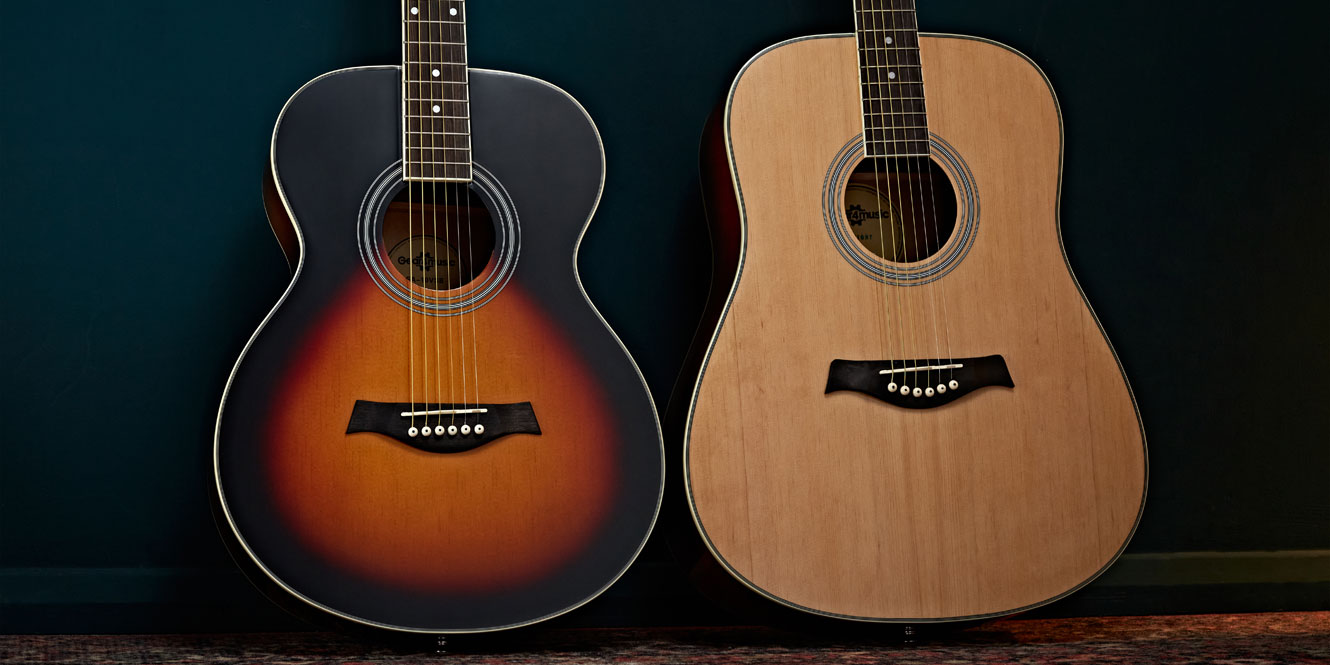
What Is a Dreadnought Acoustic Guitar?
A dreadnought acoustic guitar is a full-size steel-string guitar with a large body, broad waist, and square or slightly rounded shoulders. It is known for its loud voice, deep low end, strong mids, and excellent support for vocal playing.
The name comes from “dreadnought,” a term once used for large battleships. The name fits because this guitar shape sounds big and powerful. A dreadnought acoustic guitar can fill a room without an amplifier, especially when played with a firm pick.
Most dreadnought guitars have:
• A large body for greater air movement
• A 14-fret neck joint on many modern models
• A deep lower bout
• A wide soundboard
• Steel strings
• Strong bass response
The body size is the main reason for its sound. When you strike a string, the bridge transfers energy to the guitar’s top. The larger top moves more air, much like a larger speaker cone. This creates a bold and commanding tone.
However, body shape does not determine every part of the sound. Wood type, bracing, body depth, neck shape, scale length, strings, and construction quality also matter.

The History of the Dreadnought Guitar
The dreadnought acoustic guitar became popular during the early 20th century. Guitar makers developed the shape to create more volume and bass than smaller guitars could offer.
The design became closely linked with large American acoustic guitars. Musicians wanted an instrument that could compete with banjos, fiddles, mandolins, and loud group performances. Before modern sound systems were common, natural projection mattered a great deal.
The dreadnought acoustic guitar soon found a home in:
• Country music
• Bluegrass
• Folk music
• Gospel
• Blues
• Classic rock
• Singer-songwriter performances
Its popularity grew because it worked well for both solo players and bands. A flatpicker could produce sharp, clear notes, while a strummer could create a wide wall of sound.
Over time, builders introduced many versions of the design. Some models use traditional X-bracing. Others use scalloped bracing, forward-shifted bracing, or modern tone systems. These changes affect volume, warmth, sustain, and response.
A dreadnought acoustic guitar is now available at nearly every price level. Beginner models may use laminated wood and simple hardware. Professional instruments may use solid spruce, rosewood, mahogany, hand-finished bracing, and advanced construction methods.

What Does a Dreadnought Acoustic Guitar Sound Like?
The typical dreadnought acoustic guitar sound is deep, loud, and full. It often has strong bass, clear midrange, and enough treble detail to keep chords from sounding dull.
Its sound may include:
• Powerful bass notes
• Strong strumming volume
• Clear chord separation
• Good sustain
• A broad, open character
• Excellent projection for flatpicking
The exact tone depends on the guitar’s materials and setup. A spruce-top dreadnought often sounds bright, clear, and responsive. A mahogany-top model may sound warmer, drier, and more direct. Rosewood back and sides often add rich overtones and a deep low end.
A dreadnought acoustic guitar can sound different under different playing styles. A soft fingerstyle player may hear a warm and rounded tone. A strong strummer may bring out its volume and bass. A flatpicker may value its punch and note separation.
One practical lesson is that a large guitar does not always sound better. It simply produces a different response. If you play softly, a smaller guitar may react more easily. If you play with strength, a dreadnought may give you more headroom before the tone feels compressed.

Dreadnought Guitar Size and Comfort
A dreadnought acoustic guitar is larger than a concert, parlor, or orchestra-style guitar. Its body is usually about 20 inches long, although measurements vary by maker and model.
The body is also deeper than many smaller acoustic guitars. This gives the instrument a powerful voice, but it can affect comfort. Players with smaller frames may find the upper bout or lower bout tiring during long sessions.
Before buying, check:
• Whether your right arm rests comfortably over the body
• Whether your shoulder stays relaxed
• Whether the guitar feels stable on your leg
• Whether you can reach the upper frets
• Whether the neck feels comfortable
• Whether the body presses against your ribs
A guitar should not feel like a piece of furniture you must fight. Sit with it for at least 10 minutes if possible. Play both seated and standing. A strap can change the angle and make a large guitar feel easier to manage.
A common mistake is choosing a dreadnought acoustic guitar only because it sounds impressive in a store. The instrument may sound great, but discomfort can reduce practice time. The best guitar is one that inspires you to play often.

Dreadnought Versus Other Acoustic Guitar Shapes
Understanding guitar body shapes helps explain why a dreadnought acoustic guitar may or may not suit you.
Dreadnought Versus Concert Guitar
A concert guitar is smaller and often feels more comfortable for light strumming and fingerstyle playing. It may have a focused midrange and a quicker response.
A dreadnought acoustic guitar usually offers more volume and bass. It can sound larger, but it may require more physical effort to hold and control.
Dreadnought Versus Grand Auditorium
A grand auditorium guitar often has a balanced response across the strings. It is a flexible choice for players who switch between strumming and fingerpicking.
A dreadnought acoustic guitar usually emphasizes power and low-end strength. The grand auditorium design may feel more balanced, while the dreadnought often feels more forceful.
Dreadnought Versus Jumbo Guitar
A jumbo guitar has a large, rounded body and can produce strong volume with a broad tone. It may have a more dramatic shape and different bass response.
A dreadnought acoustic guitar often feels slightly more controlled and focused. It is also widely available and has a long history in traditional American music.
Dreadnought Versus Parlor Guitar
A parlor guitar is small, compact, and easy to hold. It often has a focused, woody sound with less low-end power.
A dreadnought acoustic guitar is a better choice when you want strong projection and a larger tonal range. A parlor guitar may be better for travel, small hands, or intimate fingerstyle work.

Who Should Play a Dreadnought Acoustic Guitar?
A dreadnought acoustic guitar is a strong choice for players who want volume, bass, and a full strumming tone. It works especially well for players who perform without microphones or play with other instruments.
It may suit you if you:
• Strum with medium or heavy force
• Play country, bluegrass, folk, or rock
• Sing while playing chords
• Use a flatpick
• Need strong acoustic projection
• Enjoy deep bass notes
• Play with loud instruments
Bluegrass players often like dreadnought guitars because the design produces clear, cutting notes for flatpicking. Singer-songwriters may enjoy the way the body supports strong vocal accompaniment.
It may not be ideal if you:
• Have a small frame
• Prefer a quiet, intimate tone
• Mainly play delicate fingerstyle
• Need a compact travel guitar
• Experience shoulder or back discomfort
• Prefer a softer and quicker response
That does not mean beginners should avoid a dreadnought acoustic guitar. Many beginners start with one and enjoy it for years. The key is to choose a comfortable model with a good setup.

How Wood Affects a Dreadnought Acoustic Guitar
Wood has a major effect on the tone, weight, price, and feel of a dreadnought acoustic guitar.
Spruce Tops
Spruce is one of the most common top woods. It usually provides a clear, dynamic sound with strong volume. Spruce can respond gently to light playing and become powerful when played harder.
Sitka spruce is common in many acoustic guitars. It offers a useful balance of strength, warmth, and clarity.
Mahogany Tops
Mahogany tops often produce a warmer and more direct tone. They may have less sparkling treble than spruce, but they can sound rich and woody.
A mahogany-top dreadnought acoustic guitar can work well for blues, roots music, and players who prefer a dry, focused sound.
Rosewood Back and Sides
Rosewood often provides deep bass, complex overtones, and a strong sense of richness. It may sound especially impressive for powerful strumming and solo playing.
The extra overtones can also make the sound less focused for some players. This is a matter of taste, not quality.
Mahogany Back and Sides
Mahogany back and sides tend to create a balanced, warm, and punchy voice. Many players find mahogany guitars easy to record because the tone is clear without excessive overtones.
Solid Wood and Laminated Wood
Solid wood usually changes and opens up as it vibrates over time. It can offer greater tonal detail, but it needs more care with humidity.
Laminated wood is often more resistant to small changes in temperature and moisture. It can also make a dreadnought acoustic guitar more affordable.
Bracing, Scale Length, and Neck Design
The internal bracing supports the guitar top and shapes its vibration. Traditional X-bracing is common in steel-string dreadnought guitars. Scalloped bracing removes small sections of brace material to allow more top movement.
Bracing choices can affect:
• Volume
• Bass response
• Sustain
• Flexibility
• Note attack
• Long-term stability
A forward-shifted brace pattern moves the main bracing closer to the sound hole. This can increase bass and top movement, but the final result depends on the complete design.
Scale length also matters. A longer scale can create more string tension and strong projection. A shorter scale may feel easier to play because the strings have slightly less tension at the same pitch.
Neck shape is just as important as body shape. A thick neck may feel stable to some players but tiring to others. A slim neck may feel fast, but not everyone likes the same level of support.
When testing a dreadnought acoustic guitar, do not focus only on the first chord. Play single notes, barre chords, fingerpicked patterns, and songs you already know. This reveals much more about the guitar’s true behavior.
Is a Dreadnought Acoustic Guitar Good for Beginners?
A dreadnought acoustic guitar can be good for beginners, but comfort and setup matter more than the body label.
A poorly adjusted guitar may have high action, sharp fret edges, or excessive neck relief. These problems can make a beginner’s fingers hurt and may create the false belief that guitar is too difficult.
Look for:
• Comfortable string height
• Smooth fret edges
• Accurate tuning
• A straight neck
• No buzzing on most frets
• A body size you can manage
A professional setup can improve a budget guitar. The technician may adjust the truss rod, saddle, nut, and intonation. This can make chords easier and improve the player’s confidence.
One lesson worth remembering is that beginners often need a forgiving instrument, not just an inexpensive one. A guitar that stays in tune and feels easy to fret will encourage better practice habits.
How to Choose the Best Dreadnought Acoustic Guitar
Start with your playing goals. Do you want to strum at home, perform on stage, record songs, or play bluegrass with other musicians? Your answer will guide the body wood, electronics, neck shape, and price range.
Use this simple process:
Set a realistic budget that includes a case, tuner, strings, and setup.
Choose between solid, laminated, or mixed construction.
Compare spruce and mahogany tops.
Sit with several guitars for comfort.
Test each guitar with soft and strong playing.
Check tuning stability at the headstock and bridge.
Listen for buzzing, dead notes, or uneven volume.
Try the guitar through an amplifier if it has electronics.
Ask about humidity care and warranty coverage.
Choose the guitar that feels inspiring, not only impressive.
Do not assume a higher price guarantees a better match. A mid-priced dreadnought acoustic guitar with a strong setup may suit you better than an expensive model with an uncomfortable neck.
Also consider body depth. Some guitars use a shallow dreadnought design. These models retain much of the shape but feel easier to hold. They may produce slightly less bass, yet they can be more comfortable for stage work.
Dreadnought Acoustic Guitar Care and Maintenance
A dreadnought acoustic guitar is made from wood, and wood reacts to changes in humidity. Very dry air can cause cracks, sharp fret ends, sinking tops, or loose bridges. Excess moisture can swell the body and make the action rise.
Keep the guitar away from:
• Heating vents
• Direct sunlight
• Hot cars
• Damp basements
• Sudden temperature changes
A room humidifier or guitar case humidifier may help in dry climates. Use a reliable hygrometer to monitor the case or room. Many repair professionals recommend keeping acoustic guitars near the middle range of normal indoor humidity, rather than allowing extreme dryness or dampness.
Change strings when they sound dull or feel rough. Wipe the strings and body after playing. Store the guitar in a case when you are not using it for a long period.
Never leave a valuable dreadnought acoustic guitar in a hot vehicle. Heat can soften glue and damage the finish. Small habits protect the instrument and preserve its tone.
Common Mistakes to Avoid
Many players make the same errors when buying or caring for a dreadnought acoustic guitar.
• Buying only by appearance: A beautiful finish cannot replace good tone and comfort.
• Ignoring the setup: High action can make a good guitar feel unplayable.
• Choosing too much body: Bigger does not always mean better for your posture.
• Using the wrong strings: String tension and material can change the response.
• Skipping a case: A case protects against impact, heat, and humidity swings.
• Testing only one chord: Play full songs and single-note lines before deciding.
• Neglecting humidity: Dry conditions can cause costly structural damage.
• Playing too hard: A dreadnought acoustic guitar already produces strong volume. More force can create harshness instead of better tone.
A useful test is to ask another player to perform the guitar while you listen from several feet away. The sound near your ear can differ from the sound heard by an audience.
Frequently Asked Questions About What Is a Dreadnought Acoustic Guitar
What makes a dreadnought acoustic guitar different?
A dreadnought acoustic guitar has a large body, broad shoulders, and strong acoustic projection. It usually produces more bass and volume than smaller guitar shapes.
Is a dreadnought acoustic guitar good for strumming?
Yes. Its large soundboard and deep body make it especially effective for full, powerful chord strumming. It is widely used in folk, country, rock, gospel, and bluegrass music.
Is a dreadnought acoustic guitar hard to play?
The size may feel difficult for some players, especially those with smaller frames. A proper setup, comfortable neck, and good sitting position can make the instrument much easier to play.
Can beginners use a dreadnought acoustic guitar?
Yes, beginners can use a dreadnought acoustic guitar successfully. Choose a model with comfortable action, stable tuning, and a body size that does not strain your arms or shoulders.
What wood is best for a dreadnought acoustic guitar?
There is no single best wood for every player. Spruce often sounds clear and dynamic, while mahogany usually sounds warm and focused; personal taste and playing style should guide the choice.
Is a dreadnought acoustic guitar louder than a smaller guitar?
It often is, because its larger body can move more air. Volume still depends on construction, bracing, strings, technique, and the player’s touch.
How much does a dreadnought acoustic guitar cost?
Prices range from affordable beginner models to high-end professional instruments. The best value usually comes from a guitar with solid construction, reliable tuning, comfortable action, and a quality setup.
Conclusion
A dreadnought acoustic guitar is a large steel-string guitar built for power, depth, and strong projection. Its full bass response makes it excellent for strumming, flatpicking, singing, and playing with other instruments.
The shape is not perfect for everyone. Smaller guitars may offer more comfort and a quicker response, while a dreadnought acoustic guitar rewards players who want a bold and spacious sound. Test the instrument in person, check its setup, and choose the model that feels natural in your hands.
Try several guitars, play the music you love, and trust both your ears and your comfort. Explore more acoustic guitar guides, compare trusted models, and share your favorite dreadnought experience in the comments.