

A dynamic microphone converts sound into an electrical signal using a moving coil and magnetic field.
A dynamic microphone is one of the most useful tools in audio. It can handle loud sound, reject some room noise, and work without phantom power. Whether you record vocals, stream from a busy room, mic a guitar amp, or speak on stage, understanding how a dynamic microphone works helps you choose and use the right model.
What Is a Dynamic Microphone?
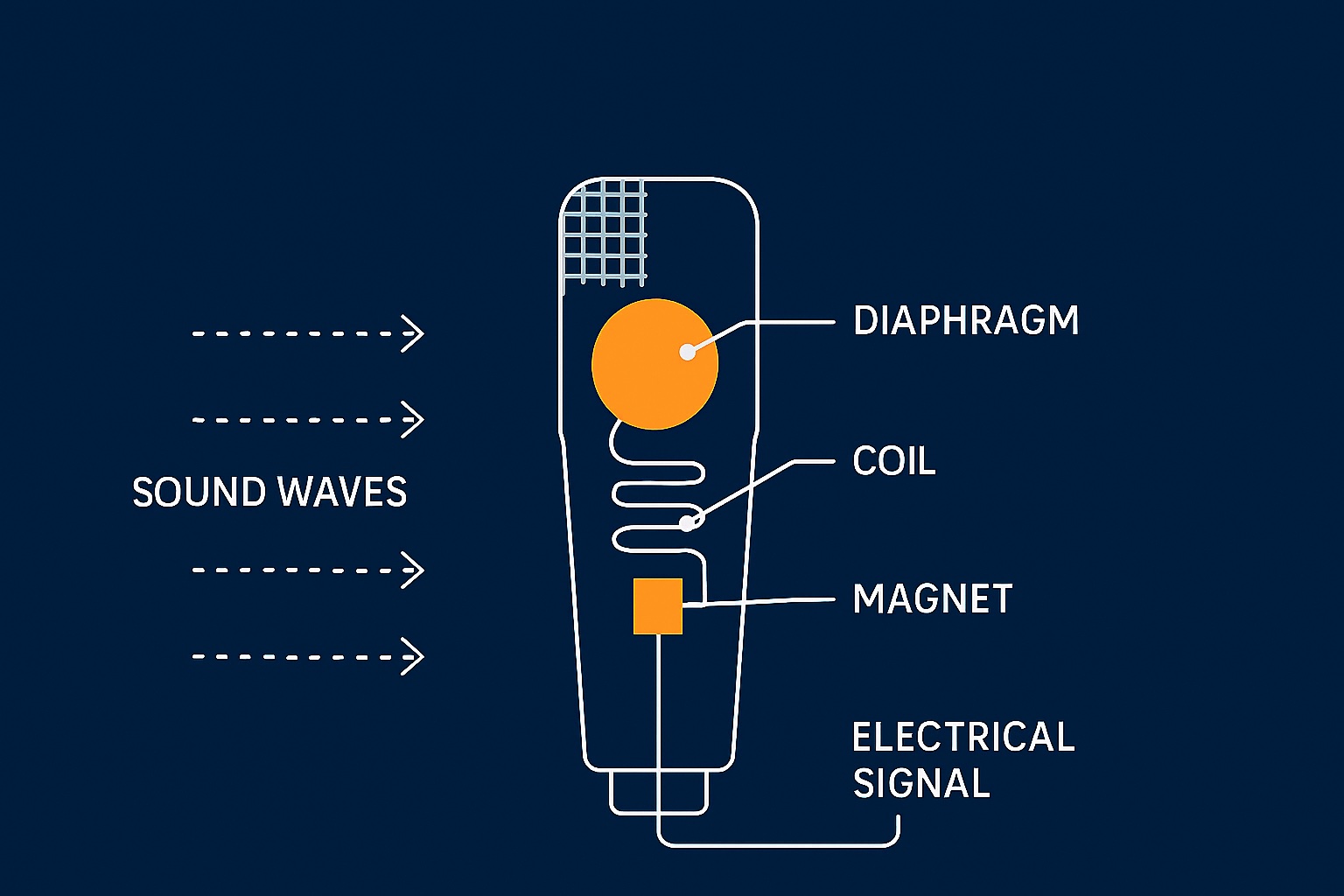
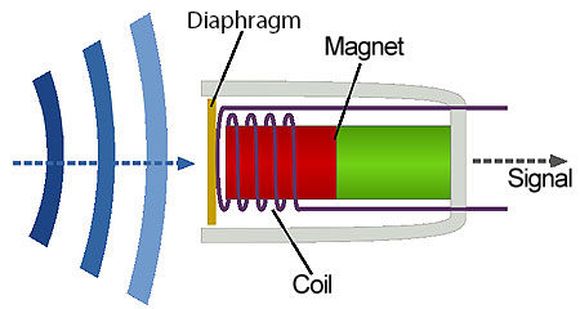
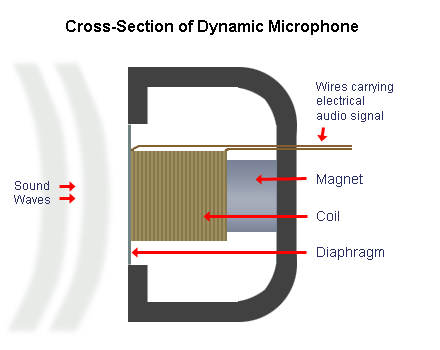
A dynamic microphone is a type of microphone that uses electromagnetic induction to turn sound waves into an audio signal. Inside the microphone, a thin diaphragm connects to a small wire coil. The coil sits within the field of a permanent magnet.
When sound reaches the diaphragm, it moves back and forth. That movement also moves the coil. The changing magnetic field creates a small electrical signal that matches the original sound.
In simple terms, a dynamic microphone works like a tiny speaker in reverse. A speaker turns electricity into movement and sound. A dynamic microphone turns movement from sound into electricity.
Dynamic microphones are known for their:
• Strong construction
• High sound pressure handling
• Simple design
• Low power needs
• Natural rejection of sound from the sides and rear
• Reliable performance in live and studio settings
The term “dynamic” refers to the microphone’s moving parts. It does not mean that the microphone automatically changes its volume or adds special effects.

How Does a Dynamic Microphone Work?
A dynamic microphone has four main parts that work together:
- The diaphragm moves when sound waves hit it.
- The voice coil moves with the diaphragm.
- The magnet creates a steady magnetic field.
- The coil generates an electrical signal as it moves through that field.
The signal from a dynamic microphone is usually low in level. This means your audio interface, mixer, or preamp must provide enough clean gain. Some microphones need more gain than others.
The moving-coil design also gives the dynamic microphone a natural limit to how quickly its diaphragm responds. This can soften very high frequencies compared with many condenser microphones. That sound can be useful because it often feels smooth and controlled.
A dynamic microphone is not completely passive in every design. Most traditional moving-coil models do not need phantom power. However, some modern dynamic microphones include active electronics and may need extra power or more gain. Always check the manufacturer’s specifications before connecting equipment.
Dynamic Microphone vs. Condenser Microphone
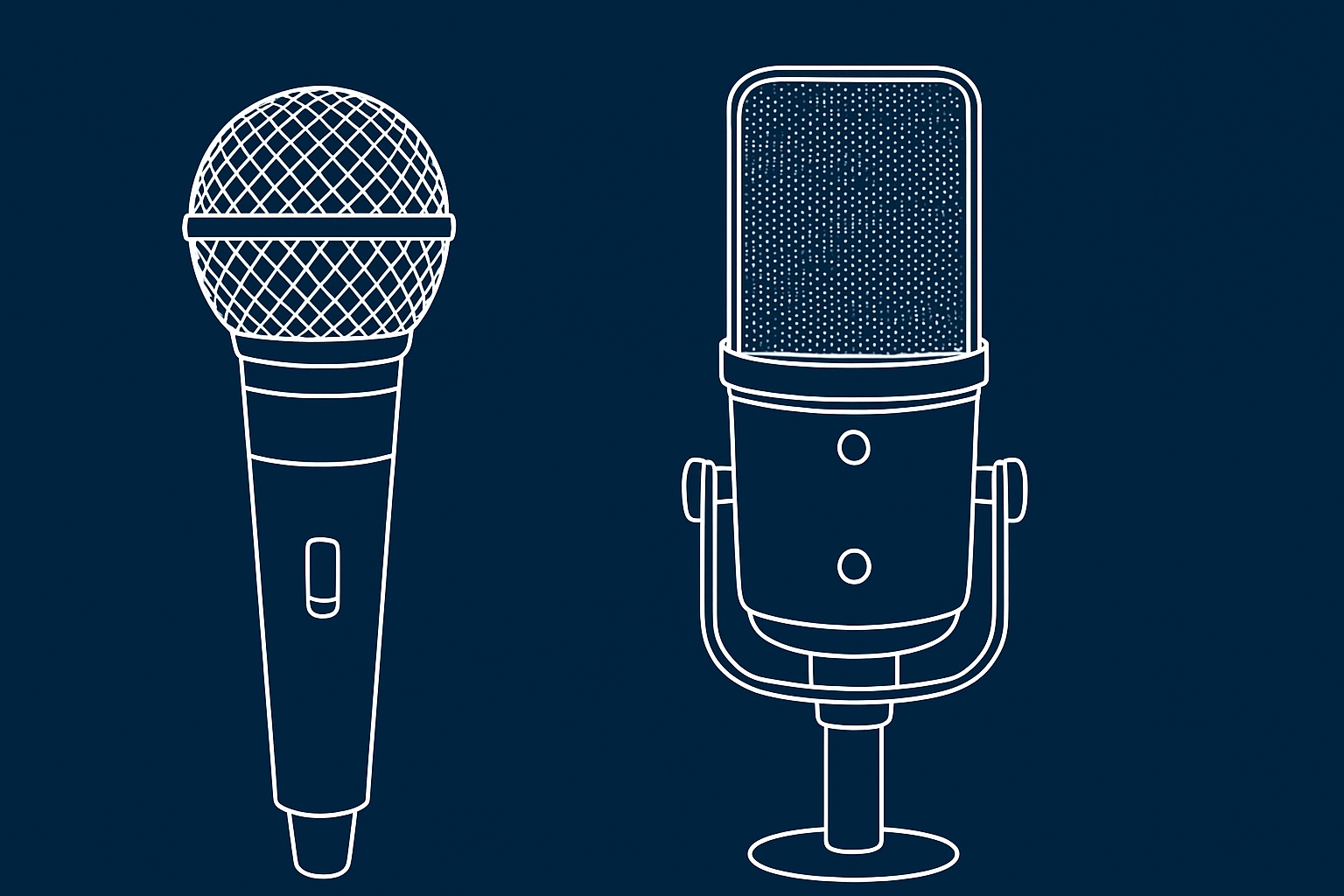
The main difference between a dynamic microphone and a condenser microphone is the way each one captures sound.
A dynamic microphone uses a moving coil and magnet. A condenser microphone uses a diaphragm and a charged capsule. Condenser microphones often capture more fine detail, especially in high frequencies, but they also tend to pick up more room sound.
Here is a simple comparison:
| Feature | Dynamic Microphone | Condenser Microphone |
|---|---|---|
| Power | Usually does not need phantom power | Usually needs phantom power |
| Durability | Very strong | More sensitive to handling and moisture |
| Loud sources | Excellent | Good, but model dependent |
| Quiet detail | Moderate to high | Often very high |
| Room noise | Often rejects more | Often captures more |
| Best use | Stage, speech, drums, guitar amps | Studio vocals, acoustic instruments, detail work |
This does not mean one type is always better. A dynamic microphone may sound perfect on a loud rock vocal, while a condenser microphone may suit a soft singer in a treated room.
In my own recording work, I have seen people choose a condenser microphone simply because it looks more “professional.” That choice often creates problems in untreated rooms. A dynamic microphone can produce a cleaner vocal when the room has fans, traffic, computer noise, or hard walls.
.webp)
Common Types of Dynamic Microphones
Most dynamic microphones use a moving-coil design, but they do not all sound or behave the same way. Their shape, diaphragm, magnet, frequency response, and polar pattern affect their performance.
Moving-Coil Dynamic Microphones
The moving-coil dynamic microphone is the most common type. It is widely used for vocals, speech, drums, guitar cabinets, and live performances.
These microphones are usually affordable and durable. They can also handle high sound pressure levels, which makes them useful in front of loud guitar amps and kick drums.
Ribbon Microphones
Ribbon microphones are also dynamic microphones, but they use a thin metal ribbon instead of a traditional voice coil and diaphragm system. The ribbon moves inside a magnetic field and produces the audio signal.
Many ribbon microphones have a warm and smooth sound. They can work well on brass, guitar cabinets, strings, and certain vocals. Classic passive ribbon microphones can be delicate, so they need careful handling and correct equipment.
Passive and Active Dynamic Microphones
A passive dynamic microphone creates its signal without powered electronics. It usually does not need phantom power.
An active dynamic microphone adds an internal circuit. This can improve output level or alter how the microphone interacts with a preamp. Some active designs need phantom power, so never assume that every dynamic microphone works the same way.
What Are Dynamic Microphones Used For?
A dynamic microphone can serve many roles. Its ability to handle loud sound and reject unwanted noise makes it a practical choice for both beginners and professionals.
Common uses include:
• Live vocals
• Public speaking
• Podcasting
• Streaming
• Radio and voice-over work
• Snare drum and kick drum recording
• Guitar and bass amplifiers
• Brass instruments
• Rehearsal rooms
• Field interviews
• Home recording
A dynamic microphone is especially useful when you cannot control the room. For example, a streamer may record beside a computer fan. A singer may work in a bedroom with bare walls. A reporter may need a microphone outdoors. In each case, a dynamic microphone can help focus on the main voice.
For a guitar amplifier, place the microphone close to the speaker grille. Moving it toward the center often creates a brighter sound. Moving it toward the edge usually creates a darker sound. Small changes can make a large difference.

Benefits of Using a Dynamic Microphone
A dynamic microphone offers several practical benefits.
It Handles Loud Sound
Dynamic microphones can usually handle loud sources without distortion. This makes them useful for drums, guitar amplifiers, powerful singers, and brass instruments.
The exact limit depends on the model. Still, many popular dynamic microphones are built for demanding stage and studio work.
It Is Durable
The design has fewer delicate parts than many condenser microphones. A good dynamic microphone can survive regular travel, careful stage use, and years of recording.
Durable does not mean indestructible. Dropping a microphone, bending its connector, or exposing it to moisture can still cause damage.
It Rejects Some Room Noise
Many dynamic microphones use a cardioid or similar directional pattern. They capture sound best from the front and reduce sound from the sides and rear.
This can improve clarity in noisy rooms. It does not remove all background noise, but it gives you a useful advantage.
It Needs Little or No Power
A traditional passive dynamic microphone does not need phantom power. You can connect it to many mixers, interfaces, recorders, and portable systems with fewer setup concerns.
You still need a suitable preamp. A microphone that produces a low signal may require a clean gain boost.
It Can Sound Smooth
Many dynamic microphones have a controlled high-frequency response. This can make harsh voices or bright instruments sound more balanced.
The result depends on the model, source, distance, room, and microphone angle. No microphone automatically sounds good in every situation.
Limitations of a Dynamic Microphone
A dynamic microphone also has limits. Knowing them helps you avoid poor results.
First, some dynamic microphones produce a lower output than condenser microphones. If you turn the gain up too far, you may hear hiss from a weak preamp. An inline booster can help in some cases, but it cannot fix a noisy recording chain.
Second, a dynamic microphone may capture less high-frequency detail. This can be helpful for harsh sources, but it may make a soft acoustic guitar or breathy vocal sound less open.
Third, a dynamic microphone often needs close placement. If you speak too far away, the recording may sound quiet and thin. The room will also become more noticeable.
Fourth, directional models can show the proximity effect. When you move close to the microphone, bass increases. This can create a rich broadcast sound, but it can also make a voice muddy.
The best solution is not always buying a new microphone. Try changing the distance, angle, gain, and room position first. These simple adjustments often matter more than small differences between microphone models.

How to Use a Dynamic Microphone Correctly
Good technique can make an affordable dynamic microphone sound far better.
Position the Microphone Close
For speech and vocals, start with the microphone about 2 to 6 inches from your mouth. Use a pop filter or foam windscreen if you hear strong “p” and “b” sounds.
The ideal distance depends on the microphone and your voice. A deeper voice may need more space to avoid too much bass.
Speak Across the Microphone
Do not always speak directly into the capsule. Turning the microphone slightly off-axis can reduce harsh “s,” “t,” and “sh” sounds.
This small angle can also lower plosive bursts. Test the sound while wearing headphones.
Aim the Rear Toward Noise
With a cardioid dynamic microphone, point the rear toward the loudest unwanted sound. This may be a computer, air conditioner, or open doorway.
Directional patterns are not perfect. Still, correct placement can improve the signal-to-noise ratio.
Use Enough Gain
Raise the preamp gain until your voice reaches a healthy recording level. Leave headroom for louder words or sudden peaks.
For digital recording, avoid recording too close to 0 dBFS. A strong signal with space below the maximum level is safer than a clipped recording.
Keep Your Distance Steady
Moving closer and farther away changes both volume and tone. Stay at a steady distance when possible.
In live work, trained singers may move closer for quiet lines and farther away for loud notes. This is called microphone technique, and it can help control dynamics without touching a mixer.
How to Choose the Best Dynamic Microphone
The best dynamic microphone depends on your source and environment. Start with these factors:
• Purpose: Choose a model made for vocals, speech, drums, instruments, or general use.
• Polar pattern: Cardioid patterns are common for reducing rear sound.
• Frequency response: Look for a sound that suits your voice or instrument.
• Output level: Low-output models need more preamp gain.
• Handling noise: Important for handheld use and live performance.
• Weight and size: A heavy microphone may need a stronger stand.
• Connector quality: A solid XLR connector improves long-term reliability.
• Budget: Spend on the complete signal chain, not only the microphone.
For podcasting in an untreated room, a broadcast-style dynamic microphone may be a strong choice. For a loud guitar amplifier, a compact instrument dynamic microphone may work better. For stage vocals, consider feedback resistance, handling noise, and vocal clarity.
Avoid choosing only by price or online popularity. A microphone that sounds excellent on one singer may sound dull or sharp on another. If possible, test several options with the same voice, distance, and preamp.

Dynamic Microphone Setup for Recording
A simple setup can produce clean results.
- Connect the microphone to an audio interface or mixer with a balanced XLR cable.
- Turn the channel gain down before speaking.
- Place the microphone on a stable stand.
- Add a pop filter or windscreen when recording speech or vocals.
- Put headphones on and listen for noise, plosives, and room reflections.
- Increase the gain while keeping loud peaks below clipping.
- Record a short test before starting the full session.
If the microphone sounds quiet, check the cable and input first. Some interfaces have separate instrument and microphone inputs. Make sure the cable is connected to a microphone preamp.
Do not turn on phantom power unless your microphone and equipment support it. Traditional passive dynamic microphones normally tolerate phantom power when the cable and connections are balanced, but damaged cables or unusual wiring can create problems. When unsure, follow the microphone and interface manuals.
Dynamic Microphone Care and Maintenance
A dynamic microphone needs simple care, but regular habits matter.
• Store it in a case or clean drawer.
• Keep moisture away from the grille and connector.
• Use a clean windscreen when sharing the microphone.
• Do not tap the grille to test it. Speak into it instead.
• Coil cables loosely to prevent internal damage.
• Hold the body rather than covering the grille.
• Clean the grille according to the manufacturer’s instructions.
Never blow hard into the microphone. Saliva and moisture can enter the capsule. A gentle spoken test is safer.
I once solved a “dead microphone” problem by checking the XLR cable before blaming the microphone. The cable had a loose connection near the plug. That experience taught me a useful rule: test the complete signal chain, one part at a time.
Frequently Asked Questions About What Is a Dynamic Microphone
What is a dynamic microphone used for?
A dynamic microphone is used for vocals, speech, live performance, drums, guitar amps, brass instruments, podcasts, and streaming. It works especially well with loud sources or in rooms that are not acoustically treated.
Does a dynamic microphone need phantom power?
Most passive dynamic microphones do not need phantom power. Some active dynamic and ribbon models may require power, so check the manufacturer’s instructions before use.
Is a dynamic microphone better than a condenser microphone?
Neither type is always better. A dynamic microphone is often better for loud sources and noisy rooms, while a condenser microphone may capture more detail in a quiet, treated room.
Is a dynamic microphone good for podcasting?
Yes, a dynamic microphone can be excellent for podcasting. It often reduces room sound and computer noise, but you must speak close to it and use enough clean gain.
Why is my dynamic microphone so quiet?
Your dynamic microphone may have a low output, insufficient preamp gain, a faulty cable, or a poor connection. Check the cable and input first, then increase gain carefully or use a compatible inline preamp.
Can a dynamic microphone record singing?
Yes, many singers use dynamic microphones for both live and studio vocals. Choose a model that suits your voice, then adjust distance and angle to control bass, harshness, and plosive sounds.
How long does a dynamic microphone last?
A well-made dynamic microphone can last for many years with careful use. Its lifespan depends on handling, storage, moisture, cable care, and the quality of its internal parts.
Conclusion
A dynamic microphone uses a moving diaphragm and coil inside a magnetic field to convert sound into an electrical signal. Its rugged design, strong loud-source handling, directional response, and low power needs make it a trusted choice for stages, studios, podcasts, streams, and home recordings.
The right dynamic microphone is only part of the result. Placement, room control, gain, distance, and technique often matter just as much. Start with your voice or instrument, test the microphone in your real space, and make small changes before spending more money.
Try these tips in your next recording, compare a few microphone positions, and explore more audio guides to build a cleaner, more confident setup.