

A Fender guitar is an American-made or licensed electric guitar known for its clear tone, comfort, and iconic design.
What is a Fender guitar? It is more than a familiar shape hanging in a music store. Fender guitars helped define modern electric music through practical designs, bright tones, easy playability, and decades of use by musicians in rock, blues, country, pop, jazz, and more. This guide explains Fender’s history, main models, sound, construction, pricing, and how to choose the right one.

What Is a Fender Guitar?
A Fender guitar is an electric guitar made by Fender Musical Instruments Corporation, one of the most influential guitar companies in music history. Fender is best known for the Telecaster, Stratocaster, Jazzmaster, Jaguar, and Mustang models.
When people ask, “What is a Fender guitar?” they often mean one of Fender’s classic solid-body electric guitars. These guitars usually have a bolt-on maple neck, a longer 25.5-inch scale length, and single-coil or humbucking pickups.
Fender guitars are known for:
• Clear, bright tones
• Comfortable body shapes
• Strong note definition
• Easy access to replacement parts
• Simple and reliable controls
• A wide range of prices and features
The company also produces acoustic guitars, bass guitars, amplifiers, pedals, and accessories. However, the electric guitar remains the heart of the Fender brand.
A Fender guitar is often compared to a dependable tool. It may look simple, but its design gives players room to shape their own sound. That practical quality is one reason Fender guitars remain popular with beginners and professionals.
The History of Fender Guitars
Fender began in Southern California in the 1940s. Leo Fender first worked on radios and amplifiers before turning his attention to musical instruments. His goal was practical: create guitars that were durable, easy to repair, and suitable for mass production.
The first major breakthrough was the Broadcaster, introduced in 1950. Because another company already used a similar name, Fender renamed the model the Telecaster. It became one of the first successful solid-body electric guitars made for large-scale production.
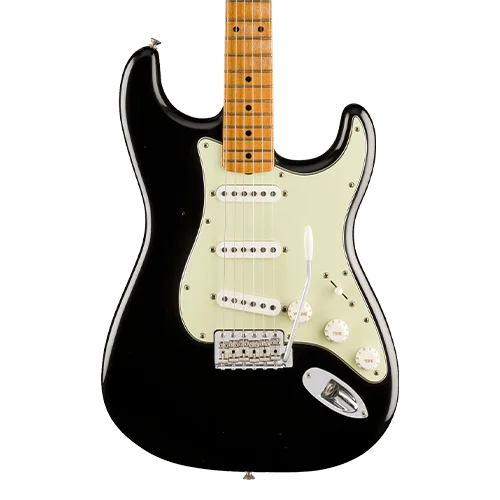
The Stratocaster followed in 1954. Its contoured body, three-pickup layout, tremolo bridge, and double-cutaway shape gave players a new level of comfort and control. The Stratocaster quickly became one of the most recognizable guitars in the world.
Fender later introduced models such as the Jazzmaster, Jaguar, and Mustang. Each model targeted different players and musical styles. Over time, Fender guitars became closely linked with artists such as Jimi Hendrix, Eric Clapton, Jeff Beck, Bruce Springsteen, Keith Richards, and many others.
This history matters because Fender did not simply copy older guitar designs. The company helped establish the basic shape and sound of the modern electric guitar.

What Does a Fender Guitar Sound Like?
The sound of a Fender guitar depends on its model, pickups, wood, bridge, strings, amplifier, and playing style. Still, Fender instruments often have a clear and lively tone that responds well to changes in picking strength.
A Stratocaster with three single-coil pickups may produce:
• Bright highs
• Glassy clean tones
• Sharp funk rhythms
• Smooth blues sounds
• Light, expressive overdrive
A Telecaster often sounds more direct and focused. Its bridge pickup can be sharp and powerful, while its neck pickup offers a warmer tone for blues, jazz, and country.
Fender guitars with humbucking pickups usually produce a thicker and stronger sound. They may have more output, less background noise, and a fuller response for rock or heavier styles.
Your amplifier has a major effect on the final tone. The same Fender guitar can sound clean and gentle through one amp but loud and aggressive through another. It is helpful to think of the guitar as the voice and the amplifier as the room that shapes that voice.
The Main Fender Guitar Models
Fender Telecaster
The Telecaster is known for its simple design and strong attack. Most versions use two pickups, a fixed bridge, and a flat or lightly contoured body.
The Telecaster works well for:
• Country
• Blues
• Rock
• Indie music
• Alternative music
• Pop rhythm parts
Its bridge pickup has a sharp, cutting tone. This helps guitar parts remain clear when played with drums, bass, and keyboards.
One practical advantage is its easy maintenance. A fixed bridge is generally simpler to adjust than a tremolo system. For a first serious electric guitar, a Telecaster can be a smart and dependable choice.
Fender Stratocaster
The Stratocaster is perhaps the most famous Fender guitar. It commonly has three single-coil pickups, a five-way pickup selector, one volume control, and two tone controls.
The Stratocaster is valued for:
• Its comfortable contoured body
• Wide tonal range
• Smooth neck access
• Vibrato or tremolo effects
• Distinctive “in-between” pickup tones
The second and fourth pickup positions create the classic hollow, crisp sound heard in funk, blues, pop, and rock. Players often call these the “in-between” settings.
A Stratocaster can cover many styles, but its single-coil pickups may produce hum near certain lights, electronics, or power sources. This is normal for traditional single-coil designs.
Fender Jazzmaster
The Jazzmaster was first designed for jazz players, but alternative, surf, indie, and experimental musicians later embraced it. It usually has larger single-coil pickups, separate control circuits, and a floating tremolo bridge.
A Jazzmaster can sound:
• Warm
• Spacious
• Smooth
• Bright when played through a clean amp
• Textured with effects pedals
Its bridge and control system can require more careful setup. That is not a reason to avoid it, but a new player should understand that it may need more adjustment than a basic Telecaster.
Fender Jaguar
The Jaguar has a shorter 24-inch scale length, multiple switches, and a distinctive tremolo system. The shorter scale can feel comfortable for players with smaller hands or those who prefer lower string tension.
Jaguar guitars suit:
• Surf rock
• Indie rock
• Alternative music
• Shoegaze
• Experimental styles
The many switches can seem confusing at first. Once learned, they provide useful control over pickup sounds and tone colors.
Fender Mustang
The Mustang is a compact guitar with a short scale length. It has been popular with beginners, smaller players, and musicians who enjoy a lighter, more relaxed feel.
Modern Mustang models may include single-coil or humbucking pickups. They can work well for indie rock, punk, pop, and home recording.

How Is a Fender Guitar Built?
A Fender guitar usually uses a solid wood body, a bolt-on neck, frets, pickups, a bridge, tuning machines, and electronic controls. Exact materials vary by model and production series.
Bolt-On Neck
Fender guitars commonly use bolt-on necks. Screws attach the neck to the body instead of using a glued neck joint.
This design offers several benefits:
• Neck replacement is easier
• Repairs can be more affordable
• Production is efficient
• Different necks may be installed on compatible bodies
A bolt-on neck does not automatically mean lower quality. It is simply a different construction method from a set-neck or neck-through design.
Scale Length
Many Fender guitars use a 25.5-inch scale length. This is slightly longer than the scale used by many other electric guitar brands.
The longer scale can provide:
• Firm string tension
• Clear low notes
• Strong picking response
• A bright and focused tone
Shorter-scale Fender models, such as the Jaguar and Mustang, feel softer under the fingers. The best scale length depends on your hands, string choice, and playing style.
Pickups
Pickups convert string movement into an electrical signal. Fender is strongly associated with single-coil pickups, although many Fender models now use humbuckers or mixed pickup arrangements.
Single-coil pickups often sound bright and detailed. Humbuckers usually sound thicker and reduce the electrical hum that can affect single-coil designs.
Neither pickup type is always better. A clean blues player may love the detail of a single coil, while a rock player may prefer the power of a humbucker.
Tremolo and Fixed Bridges
A Telecaster often uses a fixed bridge. A Stratocaster typically uses a synchronized tremolo bridge. Jazzmaster and Jaguar guitars use different floating tremolo systems.
A tremolo bridge lets you change pitch by moving the bridge arm. It can add vibrato, dives, and expressive movement. However, it may require more setup work and can make tuning less stable if poorly adjusted.
Fender Versus Squier
Squier is Fender’s affiliated brand for more affordable guitars. Squier models often use classic Fender shapes and offer an accessible way to learn the instrument.
The main differences may include:
• Lower-cost materials
• Different pickups
• Less detailed factory finishing
• More basic hardware
• Different quality control between series
A good Squier can be an excellent first guitar. It may not have the same refinement as a higher-priced Fender, but setup quality matters greatly. A properly adjusted Squier can feel better than an expensive guitar that has not been set up well.
Fender also offers several product lines, including affordable, midrange, professional, and custom instruments. The country of manufacture alone does not determine whether a guitar is good. The model, components, setup, and individual instrument all matter.
What Are the Benefits of a Fender Guitar?
Fender guitars offer several practical advantages for new and experienced players.
Comfortable Designs
Fender body shapes were designed with player comfort in mind. The Stratocaster has body contours that rest comfortably against the player. Many Telecaster models feel balanced while standing or sitting.
Flexible Tones
A Stratocaster or Telecaster can cover a wide range of musical styles. You can move from clean rhythm sounds to blues overdrive without changing guitars.
Easy Maintenance
Many Fender guitars use common parts. Pickguards, bridges, tuning machines, necks, and electronics are widely available. This makes upgrades and repairs easier.
Strong Resale Value
Classic Fender models tend to remain in demand. A well-kept instrument may hold its value better than an unfamiliar brand, although resale prices can change with market trends.
Large Learning Community
Because Fender guitars are so common, players can find many lessons, setup guides, replacement parts, and repair services. This support can make the learning process less stressful.
What Are the Limitations of a Fender Guitar?
No guitar suits every player. Understanding the limits of a Fender guitar helps you make a better choice.
Traditional single-coil pickups can produce noticeable hum. This is most common with high-gain settings or poor electrical conditions. Noiseless pickups can reduce the problem, but they may sound slightly different from traditional designs.
Some Fender tremolo systems can be difficult to keep in tune when set up poorly. Changing string gauges or tuning frequently may also require bridge adjustment.
The longer scale length of many Fender guitars may feel stiff to players who are used to shorter-scale instruments. This feeling can often improve with lighter strings and a professional setup.
Fender guitars may also have a bright tone that does not suit every style. If you want a very thick, dark, or compressed sound, a humbucker-equipped model may be a better fit.
How to Choose the Right Fender Guitar
Start with your playing goals rather than the appearance of the instrument. Every Fender model has a different feel and response.
Use these steps:
Choose your main music style. Country and classic rock players often enjoy the Telecaster, while blues and funk players may prefer the Stratocaster.
Decide whether you want single-coil or humbucking pickups. Single coils offer clarity, while humbuckers provide a fuller and quieter signal.
Consider the neck size and scale length. Try the guitar while sitting and standing if possible.
Check the bridge type. A fixed bridge is simple, while a tremolo bridge offers more pitch control but needs more care.
Set a complete budget. Include an amplifier, cable, tuner, strap, picks, and a case or gig bag.
Test several instruments. Two guitars of the same model can feel different because of setup, neck shape, fret condition, and weight.
One mistake I often see new players make is choosing only by color. A beautiful finish is nice, but a comfortable neck and stable tuning will help you practice longer.
How Much Does a Fender Guitar Cost?
Fender guitar prices vary by series, materials, electronics, features, and country of manufacture. Squier models are usually the least expensive option. Fender’s standard and player-level guitars sit in the middle, while American-made and custom instruments cost more.
When comparing prices, look at:
• Pickup quality
• Neck finish and shape
• Fretwork
• Bridge design
• Tuning stability
• Case or gig bag included
• Warranty coverage
• Factory setup
A used Fender guitar can offer strong value. Inspect the neck for severe warping, check the frets for deep wear, test every switch, and make sure the truss rod can be adjusted. Small scratches are usually less important than structural problems.

Fender Guitar Setup and Care Tips
A basic setup can make a major difference. Even an expensive Fender guitar may feel uncomfortable if the neck relief, string height, intonation, and pickup height are incorrect.
Useful care habits include:
• Wipe the strings after playing
• Store the guitar away from extreme heat and moisture
• Change strings when they sound dull or feel rough
• Check tuning before every practice session
• Use a suitable stand or case
• Have serious fret or neck work done by a qualified technician
The most common beginner mistake is ignoring the setup. A guitar that feels hard to play can make you think you lack talent. Often, the instrument simply needs adjustment.
For a new player, lighter strings may make bends and chords easier. However, very light strings can feel less firm and may require a different setup. Ask a technician to match the strings to your tuning and playing style.
Are Fender Guitars Good for Beginners?
Yes, Fender guitars can be excellent for beginners. They are comfortable, widely supported, and available in many price ranges.
A beginner should focus on a guitar that:
• Feels comfortable
• Stays in tune
• Has a straight neck
• Produces a sound they enjoy
• Fits the available budget
A simple Telecaster or Stratocaster-style guitar can help a student learn chords, scales, rhythm, and lead playing. The best beginner guitar is the one that encourages regular practice.
It is also worth remembering that the amplifier matters. A poor amp can make a good guitar sound weak, while a clean and reliable practice amp can make learning more enjoyable.
Frequently Asked Questions About What Is a Fender Guitar
What is a Fender guitar best known for?
A Fender guitar is best known for its solid-body electric designs, bright tones, comfortable shapes, and long history in popular music. The Stratocaster and Telecaster are its most famous models.
Is a Fender guitar good for beginners?
Yes. Fender guitars are comfortable, easy to find, and supported by many replacement parts and learning resources. Affordable Squier models are also popular beginner choices.
What is the difference between Fender and Squier?
Fender is the main brand, while Squier offers more affordable instruments based on Fender designs. The two brands can differ in materials, hardware, electronics, finishing, and factory quality control.
Are Fender guitars good for rock music?
Yes. Fender guitars work well for classic rock, alternative rock, punk, indie, and many other rock styles. A Telecaster or Stratocaster offers clear tones, while Fender models with humbuckers can produce a thicker sound.
Do Fender guitars have a bright sound?
Many Fender guitars have a bright, clear sound, especially those with traditional single-coil pickups. The final tone also depends on the amplifier, strings, playing technique, and guitar settings.
Why do Fender guitars have bolt-on necks?
Bolt-on necks make production, repair, and replacement easier. This construction also contributes to the direct attack and responsive feel associated with many Fender instruments.
Which Fender guitar should I buy?
Choose a Telecaster for simple controls and strong rhythm tones, or choose a Stratocaster for broader pickup sounds and vibrato effects. Try both if possible, because comfort and neck feel are personal.
Conclusion
So, what is a Fender guitar? It is an electric guitar built around practical design, clear tone, comfortable playability, and a remarkable musical history. Fender’s Telecaster, Stratocaster, Jazzmaster, Jaguar, and Mustang models each offer a different feel and voice.
The right Fender guitar depends on your hands, music, budget, and preferred sound. Try several models, pay attention to the neck and tuning stability, and do not overlook the value of a professional setup. Explore more Fender models, compare them in person, and share your experience with other players as you find the instrument that inspires you to keep playing.