

The best place to buy an acoustic guitar is a trusted local shop or reputable online retailer.
Choosing where to buy an acoustic guitar can shape your whole playing experience. A good seller offers fair prices, useful advice, easy returns, and guitars that have been checked before sale. This guide explains the best buying options, what to inspect, how much to spend, and which mistakes to avoid.
The Best Places to Buy an Acoustic Guitar
There is no single best store for every player. The right choice depends on your budget, skill level, location, and comfort with testing a guitar before buying it.
When deciding where to buy an acoustic guitar, start with these common options:
• Local music stores offer hands-on testing and personal advice.
• Large music retailers provide wide selection and clear return policies.
• Brand websites sell new instruments with official support.
• Online marketplaces offer strong prices but require more research.
• Used guitar shops can provide excellent value.
• Private sellers may offer bargains, but they carry more risk.
For a first guitar, a local music store is often the safest choice. You can compare several models, ask questions, and have a staff member check the instrument’s setup. A good shop may also adjust the neck, action, or tuning before you take the guitar home.
If you already know the exact model you want, a trusted online retailer may be more convenient. Online stores often have more colors, sizes, and wood options than a small local shop.
Buying an Acoustic Guitar From a Local Music Store
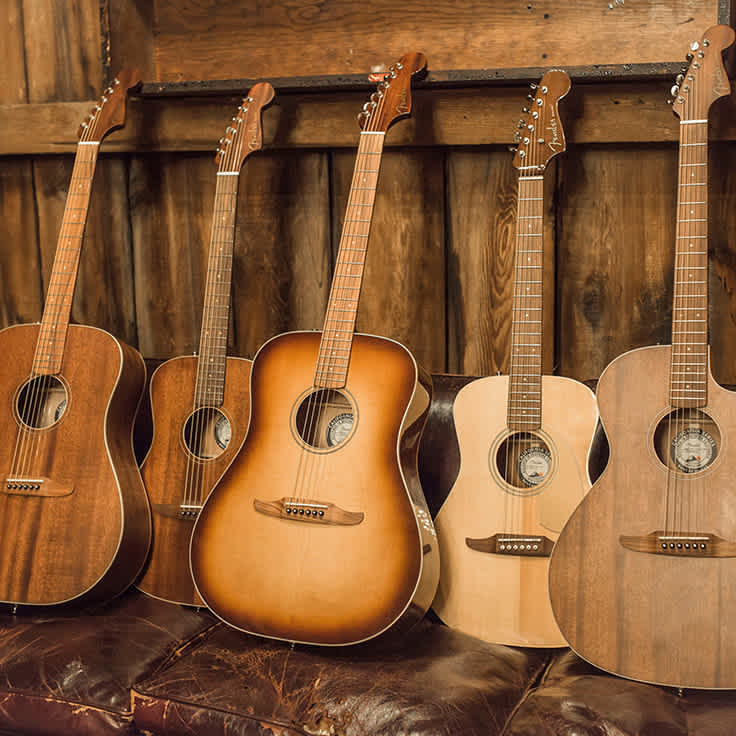
A local music store is one of the best answers to the question, “Where should I buy an acoustic guitar?” It lets you hold the instrument, hear its tone, and check whether the neck feels comfortable.
Many beginners worry that they lack enough knowledge to test a guitar. You do not need to play complex songs. Strum a few open chords, play single notes, and notice how the guitar feels in your hands.
Ask the staff member to help you compare at least three guitars. Try models with different body shapes, such as:
• Dreadnought guitars, which have a large body and strong volume.
• Concert guitars, which feel smaller and are often comfortable for beginners.
• Grand auditorium guitars, which balance comfort, bass, and treble.
• Parlor guitars, which have a compact body and a focused sound.
A skilled employee should explain the differences without pressuring you. Be careful if someone pushes the most expensive guitar without asking about your needs.
In my experience, the best store visits happen when players bring a short list of needs. Tell the staff your budget, music style, hand size, and whether you plan to play at home, on stage, or around a campfire.

Buying an Acoustic Guitar Online
Online shopping is now a practical way to decide where to buy an acoustic guitar. Reputable retailers often provide detailed photos, sound samples, customer reviews, specifications, and return policies.
The main limitation is that you cannot feel the neck or hear the exact guitar before delivery. Two guitars of the same model can sound slightly different because natural wood varies from instrument to instrument.
Before ordering, check the following details:
• The full return period and any restocking fee.
• Whether return shipping is free or paid by the buyer.
• How the guitar is packed for shipment.
• Whether the instrument includes a warranty.
• The retailer’s customer service record.
• Whether the guitar is listed as new, open box, B stock, or used.
Look for retailers that inspect guitars before shipping. A guitar that arrives with a minor setup issue may still be a good purchase, but the seller should offer a fair solution.
A useful lesson I learned is to avoid buying from a site that hides its return policy. A low price means little if you cannot return a guitar with a warped neck, cracked bridge, or serious fret problem.

Buying a Guitar Directly From the Manufacturer
Buying directly from a guitar brand can be a good option when you know which model you want. Manufacturer websites usually provide accurate specifications, warranty details, and official support.
This option may also give you access to special colors, limited editions, or factory accessories. Some brands offer guitar bundles with a gig bag, tuner, strap, picks, and spare strings.
However, a manufacturer’s website may not offer the same personal setup service as a local music store. You may need to take the guitar to a technician after delivery if the action feels too high or the neck needs adjustment.
When comparing where to buy an acoustic guitar, consider the full cost. Add shipping, taxes, a case, a tuner, and possible setup work before comparing prices.

Buying a Used Acoustic Guitar
A used guitar can be one of the smartest purchases for a careful buyer. Many acoustic guitars lose some resale value after purchase even when they remain in excellent condition.
Used instruments can offer better materials and sound than new guitars at the same price. For example, a used solid top guitar may cost about the same as a new laminate model.
The best places to find used acoustic guitars include:
• Established used music stores.
• Online guitar retailers with inspection policies.
• Local classified listings.
• Community music groups.
• Guitar trade shows and repair shops.
When buying used, inspect the guitar in good light. Look closely at the bridge, neck joint, top, back, and sides.
Check for:
• Cracks near the bridge or bridge pins.
• A bridge that is lifting from the top.
• Excessive neck bow.
• Very high action at the 12th fret.
• Loose braces inside the body.
• Deep fret wear.
• Signs of water or heat damage.
Small scratches are normal. Structural repairs are more serious and can cost hundreds of dollars. If you cannot evaluate the guitar yourself, pay a qualified repair technician for an inspection.
Private sales can save money, but they usually provide fewer protections. Never send payment to a stranger without verifying the instrument and seller.

How Much Should You Spend on an Acoustic Guitar?
You do not need to spend a fortune to start playing. A reliable beginner acoustic guitar often costs between $150 and $400, while intermediate instruments commonly range from $400 to $1,000.
Higher prices may bring better wood, improved construction, stronger tuning stability, and more detailed sound. However, price alone does not guarantee comfort or quality.
A practical budget may look like this:
• Under $200: Basic beginner guitars, often with laminate construction.
• $200 to $500: Strong choices for new players and casual performers.
• $500 to $1,000: Better materials, finish, projection, and long-term value.
• More than $1,000: Professional instruments, premium woods, and advanced craftsmanship.
Remember to reserve money for essential accessories. A hard case or padded gig bag protects the guitar, while a tuner helps you develop accurate ears.
A common mistake is spending the entire budget on the guitar and then carrying it without protection. The best answer to where to buy an acoustic guitar should include the cost of caring for it.
New Guitar or Used Guitar: Which Is Better?
A new acoustic guitar gives you a clean history, a full warranty, and fewer hidden problems. It is usually easier for beginners because the return process is clear.
A used guitar may provide more value, but it requires closer inspection. Older instruments can sound excellent, yet age does not automatically mean better tone.
Choose a new guitar if:
• You want warranty protection.
• You are not comfortable checking for damage.
• You prefer modern features.
• You want a simple return process.
Choose a used guitar if:
• You want a better model for your budget.
• You can inspect the instrument carefully.
• You are comfortable paying for a setup.
• You have access to a trusted technician.
One of my early buying mistakes was choosing a used guitar because it looked like a bargain. The price was low, but the neck needed work that erased most of the savings. Since then, I always inspect the neck and bridge before thinking about color or brand.
What to Check Before You Buy
Knowing where to buy an acoustic guitar is only part of the decision. You also need to confirm that the instrument is healthy, comfortable, and suitable for your playing style.
Check the Neck
Look down the neck from the headstock toward the bridge. It should appear mostly straight, with a small and controlled amount of relief.
A severely bowed or twisted neck can make the guitar hard to play. Minor adjustments are normal, but major neck problems may require expensive repairs.
Check the Action
Action is the distance between the strings and the frets. High action can make chords painful, while very low action can cause buzzing.
Play notes at different points along the neck. If many notes buzz, ask whether the guitar needs a setup or whether the frets have a deeper problem.
Check the Bridge and Top
The bridge should sit firmly against the guitar’s top. Look for gaps, lifting edges, or cracks around the bridge.
Place your hand near the bridge and inspect whether the top looks unusually swollen or sunken. Some movement is normal, but major changes may signal humidity damage.
Check the Tuning Stability
Tune the guitar, play for several minutes, and check it again. A new set of strings may stretch, but the guitar should not go badly out of tune after light playing.
Stable tuning depends on the tuners, nut, bridge, strings, and neck. It is not based on the brand name alone.
Check Your Comfort
The guitar should feel manageable when you sit or stand. Pay attention to body depth, neck width, string spacing, and overall weight.
A guitar with a beautiful tone is not a good choice if it causes shoulder, wrist, or hand pain. Comfort encourages practice, and regular practice matters more than a fancy finish.

Acoustic Guitar Features That Matter
Several terms may appear when you research where to buy an acoustic guitar. Understanding them helps you compare instruments without getting lost in marketing language.
Solid Top Versus Laminate
A solid top uses one piece of wood and may develop a richer tone as it ages. Laminate tops use thin wood layers and often offer better resistance to changes in temperature and humidity.
Many excellent beginner guitars use laminate construction. A solid top is useful, but it is not required for a good first instrument.
Steel String Versus Nylon String
Steel string guitars are common in folk, country, rock, blues, and pop music. Nylon string guitars are often used for classical, flamenco, and some fingerstyle music.
Steel strings usually feel tighter on the fingers. Nylon strings are softer, but the wider neck may require more space between your fingers.
Acoustic Electric Models
An acoustic electric guitar includes a pickup and preamp. It can connect to an amplifier or sound system, which helps if you plan to perform.
You do not need an acoustic electric model for home practice. If you buy one, test the unplugged tone as well as the electronics.
Body Size
Large guitars can produce more bass and volume. Smaller guitars may feel easier to hold and can offer a balanced, clear sound.
Body size should match your comfort and musical goals. It should not be chosen only because a famous musician uses that shape.
How to Compare Sellers and Prices
The seller matters almost as much as the guitar. Two stores may list the same model at similar prices, but one may offer better service and safer shipping.
Use this comparison checklist:
• Compare the exact model number.
• Check whether the guitar includes a case or accessories.
• Read the complete return policy.
• Look for setup or inspection services.
• Review warranty terms.
• Check shipping insurance and packaging.
• Read recent reviews about customer service.
Be cautious of unusually low prices. The guitar may be a counterfeit, damaged return, discontinued model, or listing with hidden fees.
A trustworthy seller gives clear product photos, accurate specifications, contact information, and realistic delivery details. The Federal Trade Commission also advises consumers to use secure payment methods and research unfamiliar sellers before paying.
Common Mistakes to Avoid
Many poor purchases happen because shoppers focus on appearance instead of playability. A glossy finish can distract you from high action, buzzing frets, or a weak neck joint.
Avoid these mistakes:
• Buying the first guitar you touch.
• Choosing by color alone.
• Ignoring the return policy.
• Spending beyond your budget.
• Skipping a case or gig bag.
• Buying a damaged used guitar without inspection.
• Assuming a famous brand will fit every player.
• Purchasing a guitar that feels painful to play.
Another mistake is comparing only online prices. A local store may charge slightly more but include a setup, advice, and easier support. The lowest sticker price is not always the lowest total cost.
A Simple Step-by-Step Buying Plan
Use this process when deciding where to buy an acoustic guitar:
Set a complete budget for the guitar, case, tuner, and maintenance.
Choose steel or nylon strings based on the music you want to play.
Select two or three comfortable body shapes.
Research trusted local stores and online retailers.
Test several guitars if possible.
Check the neck, action, bridge, tuning, and finish.
Ask about setup, warranty, and returns.
Compare the final price, including shipping and accessories.
Let the guitar sit for a few minutes before making your choice.
Keep your receipt and inspect the guitar again at home.
This plan keeps the process calm. Buying an acoustic guitar should feel like choosing a partner for practice, not rushing through a sale.
Where to Buy an Acoustic Guitar for Different Players
The best store can change based on your experience and goals.
For Beginners
A local music store is often the strongest choice. Staff can help you find a comfortable guitar and explain basic care.
You may also consider a beginner package from a reputable retailer. Make sure the included accessories are usable and that the guitar has a clear return policy.
For Intermediate Players
Online stores and used dealers can offer more advanced choices. At this stage, you may already know which body shape, neck profile, and tone you prefer.
Try to compare the guitar with models in the same price range. This helps you judge real improvements instead of simply reacting to a higher price.
For Performing Musicians
Buy from a seller that offers reliable setup support and fast warranty service. Acoustic electric features, feedback control, pickup quality, and stage durability may matter more than appearance.
A professional setup can improve tuning, comfort, and intonation. It is often money well spent before an important performance.
For Children
Choose a smaller body and a scale length that allows comfortable reach. A full-size guitar may be too large and discourage practice.
A teacher or local store can help match the instrument to the child’s height and hand size. Comfort is especially important for young beginners.
Frequently Asked Questions About Where to Buy an Acoustic Guitar
Where is the best place to buy an acoustic guitar for a beginner?
A trusted local music store is often best because you can test several guitars and receive personal guidance. A reputable online retailer is also suitable when it offers clear photos, safe shipping, and a fair return policy.
Is it cheaper to buy an acoustic guitar online?
Online prices can be lower because large retailers have lower overhead and frequent sales. However, include shipping, setup costs, accessories, and possible return fees before deciding that an online guitar is cheaper.
Should I buy a new or used acoustic guitar?
Buy new if you want warranty coverage and a simple buying process. Buy used if you can inspect the guitar carefully and want stronger materials or features for your budget.
How can I tell if an acoustic guitar is good quality?
Check the neck, action, bridge, frets, tuning stability, and overall comfort. A good guitar should feel easy to play, hold tune reasonably well, and show no serious cracks or structural damage.
Can I buy an acoustic guitar without playing it first?
Yes, but choose a seller with a generous return policy and strong packaging standards. If possible, research the model, read detailed reviews, and ask the retailer whether the guitar receives a pre-shipment inspection.
What is a fair price for a beginner acoustic guitar?
A dependable beginner guitar often costs about $150 to $400, before accessories. You can spend less, but very cheap instruments may have tuning, comfort, or construction issues.
Do I need a professional guitar setup after buying?
Not always, but a setup can improve action, tuning, and comfort. New guitars may need adjustment after shipping or after adapting to your local temperature and humidity.
Conclusion
The best answer to where to buy an acoustic guitar depends on your needs, budget, and confidence as a buyer. Local music stores provide personal help and hands-on testing, while trusted online retailers offer convenience, broad selection, and competitive prices. Used guitars can deliver excellent value when you inspect them carefully.
Focus on comfort, construction, tuning stability, return policies, and total cost. Take your time, compare several instruments, and choose the guitar that makes you want to play. Visit a local store or explore a reputable retailer today, and share your experience or questions in the comments.