

Your electric guitar sounds acoustic because its pickups, amp, cable, or settings are not adding enough electric tone.
If you are asking why does my electric guitar sound acoustic, the answer is often simple: you are hearing the strings and body more than the amplified signal. Pickup height, amp controls, effects, cables, and even the guitar’s construction can all change the result. This guide explains how to find the real cause and restore a clear, powerful electric guitar sound.
Why Does My Electric Guitar Sound Acoustic?
An electric guitar always makes some acoustic noise when you play it. The strings vibrate in the air, and the wood adds a small amount of natural volume. That sound becomes much louder through pickups, a cable, an amplifier, and any effects in the signal chain.
When someone asks why does my electric guitar sound acoustic, they usually mean one of two things:
• The guitar sounds acoustic even when it is plugged into an amp.
• The guitar has very low amplified volume, so the natural string sound seems louder.
The most common cause is a weak or missing amplified signal. Your pickup may sit too far from the strings, your cable may be faulty, or your amp may be set to a clean and very bright tone. In some cases, the guitar is working correctly, but the setup does not provide the thick electric sound the player expects.
The Main Causes of an Acoustic-Sounding Electric Guitar
The guitar is not connected to the amplifier
This sounds obvious, but it is worth checking first. Many players hear the unplugged guitar and assume the amp is working because its power light is on.
A powered amplifier does not always mean it is receiving a guitar signal. Check both ends of the instrument cable. Make sure one end is in the guitar’s output jack and the other is in the amplifier’s input.
Try these quick checks:
• Turn the guitar volume knob all the way up.
• Set the amplifier volume to a safe, medium level.
• Plug the cable into the input marked “Input” or “Guitar.”
• Test a different cable if you have one.
• Tap the pickup gently with a small metal object while the amp is on.
If you hear a clear tap through the speaker, the pickup and amp may be working. If you hear nothing, the problem may involve the cable, output jack, pickup, or amplifier.
The pickup height is too low
Pickup height has a major effect on electric guitar volume and tone. A pickup that sits too far below the strings receives a weaker magnetic signal. The guitar may still produce sound, but the amp output can feel thin and quiet.
This is one of the most common answers to why does my electric guitar sound acoustic. The strings sound normal to your ears, but the pickups are not sensing enough movement.
Measure pickup height while pressing the last fret. A common starting point is about 1/16 to 1/8 inch between the string and pickup pole pieces, but the correct distance depends on the pickup type and manufacturer. Humbuckers, single coil pickups, active pickups, and vintage style pickups may all need different settings.
Raise the pickup in small steps. Listen after each change. If the pickup is too close, it can pull on the strings and cause poor sustain, strange tuning behavior, or uneven notes.
The amplifier is set too clean or too bright
An electric guitar does not always sound “electric” by itself. Much of that familiar tone comes from the amplifier. A clean amp with low bass, high treble, and little gain may sound sharp, thin, and similar to an acoustic guitar.
Try this basic starting point:
• Gain: 4 or 5
• Bass: 5
• Middle: 5 or 6
• Treble: 4 or 5
• Presence: 3 or 4
• Reverb: low
These settings are only a starting point. Every amp, room, and guitar is different. Add gain slowly rather than turning every control to maximum.
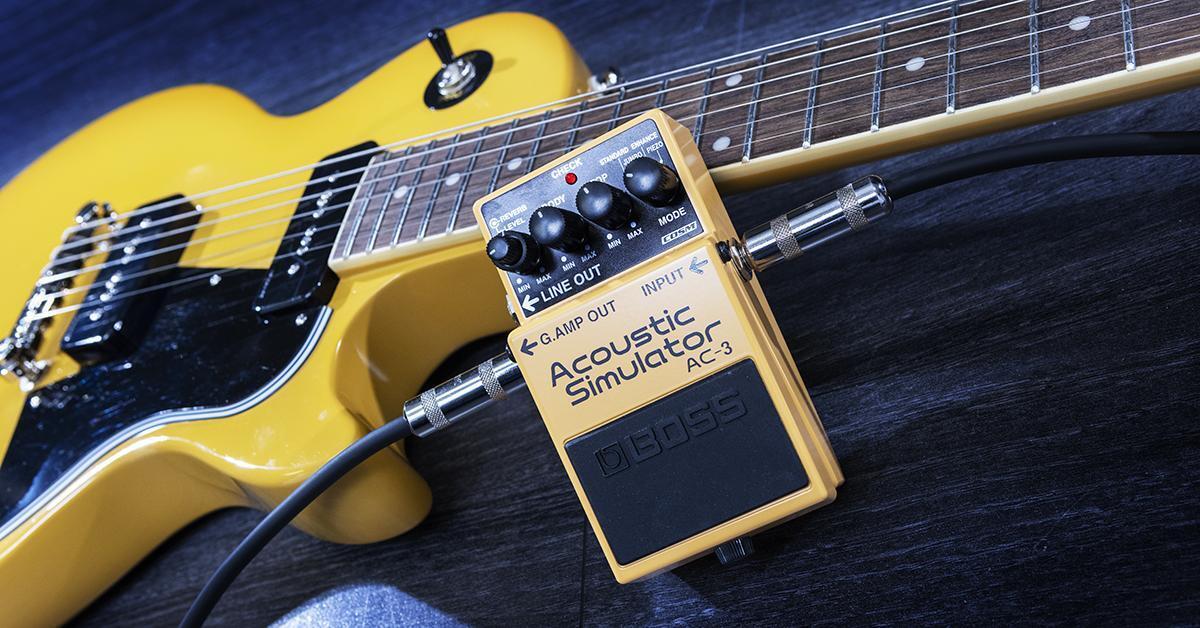
If the amp has an acoustic simulator, piezo setting, bright switch, or “acoustic” voice, turn it off. Some modeling amplifiers can load an acoustic preset without making it obvious.
The wrong pickup is selected
The pickup selector changes the guitar’s voice. The bridge pickup often sounds bright, sharp, and narrow. The neck pickup usually sounds warmer and fuller. A middle position may sound hollow or glassy.
If you select the bridge pickup with high treble and low mids, your guitar may sound more like an amplified acoustic instrument. Try the neck pickup or middle position to compare.
Also check whether the pickup selector switch feels loose. A worn switch can create weak, noisy, or intermittent output. If the sound changes when you touch or move the switch, it may need cleaning or replacement.
The tone control is too bright
Many players turn the guitar tone knob fully up and forget about it. That can create a hard, sharp sound with less warmth. A brighter tone is not always better.
Turn the tone control down slightly, perhaps to 6 or 7. This removes some high frequencies and can make the sound feel thicker. If the guitar has single coil pickups, this small change can make a big difference.
The cable is damaged
A bad cable can cause low volume, harsh treble, crackling, or a sound that disappears when you move. A cable may look fine outside while its internal connection is broken.
Test the guitar with a known working cable. Wiggle the cable gently near both plugs. If the sound cuts in and out, replace the cable.
A cable does not usually turn a strong electric guitar into a true acoustic guitar sound. However, signal loss can remove important frequencies and make the guitar seem weak, thin, or strangely natural.
The amplifier speaker or input has a problem
The guitar may be fine while the amp is at fault. A damaged speaker can sound thin, rattly, or unusually bright. A dirty input jack can also reduce the signal.
Test another guitar through the same amplifier. Then test your guitar through a different amplifier or audio interface. This simple process helps identify which part is causing the problem.
This method is called isolating the signal chain. It is faster than changing many things at once.

How to Diagnose the Problem Step by Step
When investigating why does my electric guitar sound acoustic, change only one part of the setup at a time. If you change the cable, pickup, amp, and effects together, you will not know which change solved the issue.
Follow this order:
Turn the guitar volume and tone controls up.
Select the neck pickup and play a few notes.
Plug directly into the amplifier.
Remove pedals from the signal chain.
Test a different instrument cable.
Try another amplifier or audio interface.
Compare the guitar’s bridge and neck pickups.
Check the pickup height.
Inspect the output jack for looseness.
Test the guitar with fresh batteries if it has active electronics.
Start with the simplest checks. Most tone problems come from settings, connections, or signal flow rather than serious internal damage.
A useful test is the direct connection test. Plug the guitar straight into the amp with no tuner, pedal, wireless unit, or audio device between them. Set the amp to a basic clean or crunch sound. This gives you a clear reference point.

Active and Passive Pickups Can Sound Very Different
Passive pickups use magnets and coils to create a signal from vibrating strings. They often sound warm, dynamic, and responsive to playing strength. Active pickups use a battery powered preamp and usually produce a stronger, more controlled signal.
If your guitar has active pickups, check the battery first. A weak battery can cause low output, distortion, thin tone, or sudden signal loss. Some active guitars also sound dull when the battery is nearly empty.
Do not leave a cable plugged into an active guitar when you are not playing. On many designs, the cable completes the battery circuit and drains power.
Passive pickups can also sound weak if the volume control uses the wrong component value, if a solder joint is loose, or if the pickup itself has a problem. These repairs are best handled by a qualified guitar technician unless you are comfortable working with electronics.

Could the Guitar’s Construction Cause the Sound?
Some electric guitars are designed to sound naturally open and resonant. Semi hollow and hollow body guitars can produce more acoustic volume than solid body models. Their unplugged sound may be noticeable, especially in a quiet room.
That does not mean the guitar should sound acoustic through an amplifier. The amplified tone still depends on the pickups, electronics, amp, and settings.
A guitar with a piezo bridge pickup may sound especially acoustic. Piezo systems sense vibration through the bridge instead of using only magnetic pickups. They are common in electric acoustic guitars and hybrid instruments.
If your guitar has a blend control, check its position. A blend set toward the piezo side can create a bright, natural sound. Move it toward the magnetic pickup to hear a more traditional electric tone.

How to Make an Electric Guitar Sound More Electric
If you understand why does my electric guitar sound acoustic, you can correct the tone with a few controlled changes. The goal is not simply to add more distortion. A strong electric sound usually needs balanced mids, enough gain, and a healthy signal.
Try the following approach:
• Use the neck pickup for a fuller sound.
• Add moderate amp gain.
• Raise the middle control slightly.
• Reduce excessive treble and presence.
• Turn down reverb while testing.
• Use a light overdrive instead of extreme distortion.
• Check that the guitar volume control is fully open.
• Keep the pickup height within the manufacturer’s suggested range.
A light overdrive pedal can add compression and harmonic content. This makes the notes feel thicker and more sustained. Too much distortion, however, can hide the real problem and create noise.
For a classic rock tone, try a bridge pickup with moderate gain and more mids. For a warm blues tone, try the neck pickup with lower gain and a slightly rolled off tone control. For a modern metal tone, use a bridge humbucker, controlled bass, strong mids, and a noise gate if needed.

Common Mistakes That Make Troubleshooting Harder
One common mistake is blaming the guitar immediately. Players often buy new pickups before checking the cable or amplifier settings. In many cases, the original pickups work well once the signal chain is corrected.
Another mistake is raising the pickups too high. More height can increase volume, but too much height can cause magnetic pull and poor intonation. Adjust in small amounts and listen for changes in sustain and pitch.
A third mistake is using too much treble. Bright settings can sound exciting for a few seconds, but they often become thin and harsh when you play full chords.
I have seen players spend an hour changing pedal settings when the guitar volume knob was turned down. This is why a simple step by step test matters. Treat the setup like a chain: if one link is weak, the entire sound suffers.
When to Take the Guitar to a Technician
You can solve many causes of why does my electric guitar sound acoustic at home. A cable swap, amp reset, pickup adjustment, and battery change are safe first steps.
Seek professional help if:
• The output jack spins or feels loose.
• The sound cuts out when the plug moves.
• One pickup is silent.
• The guitar produces loud crackling.
• The controls work only at certain angles.
• You smell burning or see damaged electronics.
• The guitar has active electronics and still has weak output after a battery change.
A technician can test the pickup resistance, inspect solder joints, clean switches, and check the output jack. They can also perform a full setup, including pickup height, neck relief, intonation, and action.
Do not open an amplifier unless you know how to work safely around high voltage. Tube amplifiers can hold dangerous electrical charge even after they are unplugged.

Frequently Asked Questions About Why Does My Electric Guitar Sound Acoustic
Why does my electric guitar sound acoustic when plugged in?
Your guitar may have a low pickup signal, a clean and bright amp setting, or a faulty cable. Start by plugging directly into the amp, raising the guitar volume, and testing another cable.
Can low pickup height make an electric guitar sound acoustic?
Yes. Pickups that sit too far from the strings produce a weaker signal, so the natural sound of the strings may seem louder. Raise the pickup slowly and follow the maker’s recommended height.
Why does my electric guitar sound acoustic through headphones?
The audio interface or modeling software may use a clean, bright, or acoustic preset. Check the input level, turn off acoustic simulation, and choose an electric guitar amp model with moderate gain.
Can a dead battery cause an acoustic sound?
A weak battery can cause low volume, thin tone, distortion, or signal loss in guitars with active pickups or active electronics. Replace the battery and unplug the cable when the guitar is not in use.
Why does my electric guitar sound acoustic with distortion turned on?
The distortion may be too weak, or the signal may be losing volume before it reaches the amp. Test the guitar directly into the amp and check the cable, pickup selector, guitar volume, and pedal power.
Is it normal for an electric guitar to sound acoustic when unplugged?
Yes. The strings and body create natural acoustic volume even when the guitar is not connected. The unplugged sound does not always predict how the instrument will sound through an amplifier.
Conclusion
The answer to why does my electric guitar sound acoustic usually involves the signal chain rather than a serious guitar fault. Check the cable, guitar controls, pickup selector, pickup height, amp settings, batteries, and effects one at a time.
Use a direct connection test before buying new parts. A few careful adjustments can turn a thin, natural sound into a full electric tone with more warmth, gain, and sustain. Try the steps today, compare each change, and share your results or questions with other guitar players.