

Yes, condenser mics are excellent for singing because they capture clear detail, warmth, and vocal expression.
As an audio engineer, I have used condenser microphones for soft ballads, loud rock vocals, podcasts, and home demos. Are condenser mics good for singing? In most cases, yes—but the best choice depends on your voice, room, music style, and recording setup. This guide explains how condenser mics work, where they shine, when they struggle, and how to use one well.

Are condenser mics good for singing?
Are condenser mics good for singing in a studio or home recording space? Usually, they are one of the best options. A condenser microphone uses a thin diaphragm that reacts quickly to changes in sound pressure. This helps it capture small details in your voice, such as breath, tone, vibrato, and soft consonants.
Dynamic microphones can sound powerful and controlled. However, condenser mics often deliver more detail and a wider frequency range. That added detail can make a vocal track feel open and alive.
Still, detail is not always better. A condenser mic also captures more room sound, computer noise, traffic, and reflections from bare walls. Your microphone may be excellent, but a poor room can still produce a weak recording.

How condenser microphones capture vocals
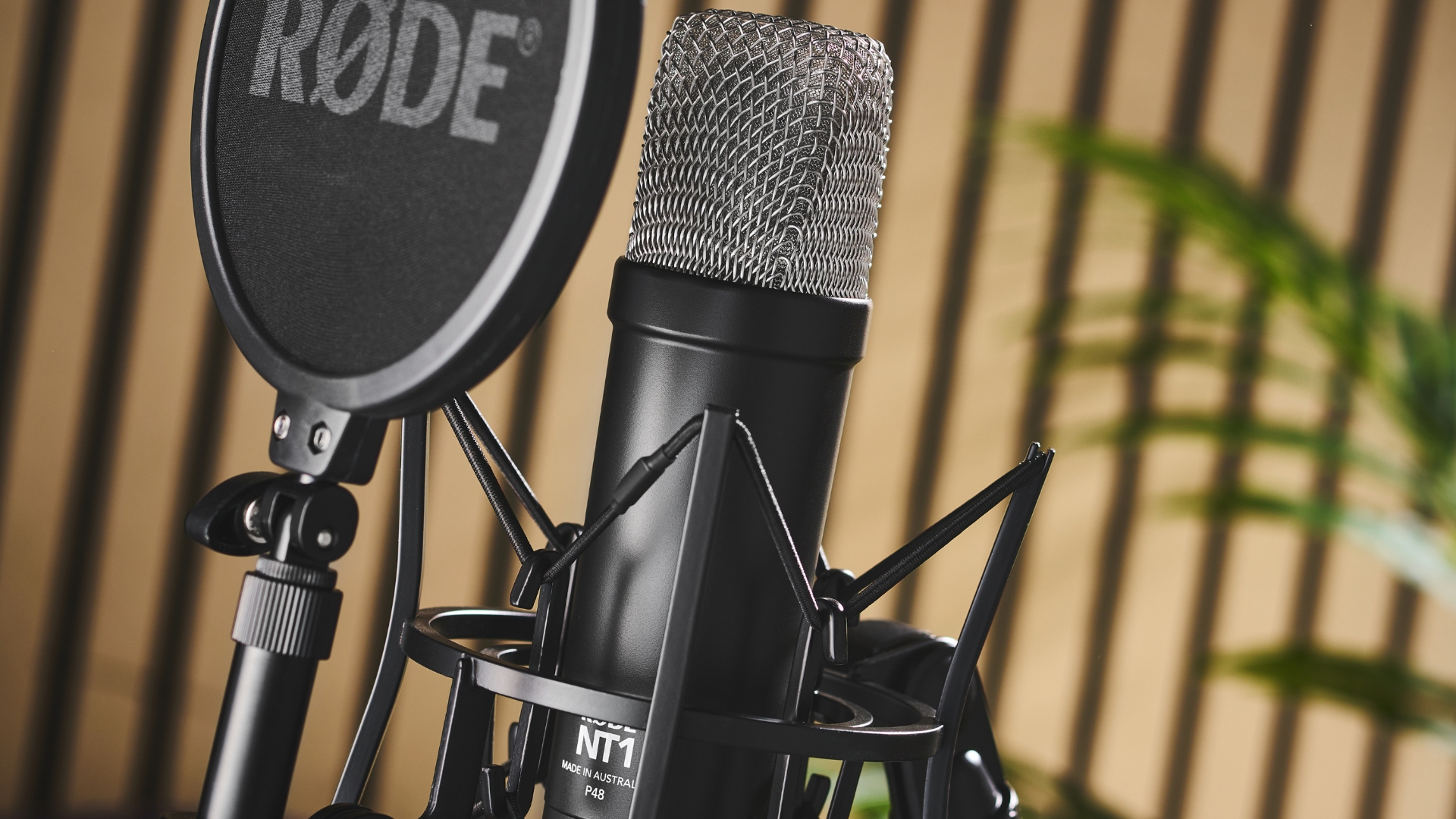
A condenser microphone has a lightweight diaphragm placed near a charged backplate. When you sing, sound waves move the diaphragm. The microphone changes this movement into an electrical signal.
This design gives condenser microphones several useful traits:
- High sensitivity: They pick up quiet vocal details with ease.
- Wide frequency response: They often capture both low warmth and high brightness.
- Fast transient response: They reproduce quick sounds, such as sharp words and vocal attacks.
- Low self-noise: Many studio condensers produce a clean signal with little internal hiss.
Most large-diaphragm condenser mics need phantom power. This is usually 48 volts supplied by an audio interface, mixer, or preamp. Without phantom power, many condenser microphones will not work.
Small-diaphragm condenser mics can also record vocals. They often sound crisp and natural, but large-diaphragm models are more common for lead singing because they can provide a fuller tone.

The main benefits of condenser mics for singing
Are condenser mics good for singing when you want a polished studio sound? Their main strengths make them a strong choice for many singers.
They capture vocal detail
A condenser microphone can reveal quiet breaths, gentle phrasing, and subtle changes in tone. This works well for acoustic music, folk, jazz, R&B, pop, and classical singing.
For example, a singer may move from a soft verse to a strong chorus. A good condenser mic can capture both parts without losing the emotion in the quiet section.
They offer a wide frequency range
The human voice includes low fundamental notes, midrange body, and high harmonics. Condenser microphones often capture this full range with less loss than basic microphones.
This does not mean every condenser mic sounds bright. Some have a warm tone, while others emphasize the upper mids and treble. Your voice and the microphone must work together.
They work well with modern recording
Condenser microphones pair well with audio interfaces, digital audio workstations, and studio preamps. They create a detailed signal that leaves room for mixing, compression, equalization, and reverb.
A clean recording gives you more options later. You can reduce harshness or add warmth during the mix. It is much harder to restore vocal detail that was never recorded.
They can make vocals sound professional
Many famous studio vocal recordings use condenser microphones. Their clarity helps vocals sit above guitars, keys, drums, and electronic sounds.
That said, the microphone alone does not create a professional performance. Good singing, microphone technique, room treatment, and proper gain settings matter just as much.
Limitations of condenser microphones for singing
Are condenser mics good for singing in every situation? No. They have a few weaknesses that deserve attention.
They pick up room noise
Condenser mics are sensitive. They may record air conditioners, fans, keyboard clicks, street noise, and room reflections. This can make a vocal track sound distant or muddy.
A treated room is helpful, but you do not need an expensive commercial studio. Thick curtains, rugs, bookshelves, and soft furniture can reduce harsh reflections. Avoid recording in an empty room with hard walls.
They may sound too bright
Some condenser microphones boost the high frequencies. This can add sparkle to a dark voice. However, it may make a bright voice sound sharp, thin, or harsh.
Sibilance is another concern. Sounds such as “s,” “sh,” and “ch” may become too strong. A pop filter, careful mic angle, and suitable microphone can help.
They require more equipment
Most condenser mics need phantom power. You may also need:
- An audio interface or mixer
- A stable microphone stand
- An XLR cable
- A pop filter
- Headphones
- Basic room treatment
USB condenser mics are simpler. They connect directly to a computer, but they may offer fewer upgrade options than XLR models.
They can overload at high volume
Loud singers should check the input level before recording. A strong vocal can overload the microphone circuit or audio interface. Digital clipping sounds harsh and cannot be fully repaired.
Leave enough headroom. Aim for vocal peaks around minus 12 to minus 6 decibels full scale in your recording software. This gives you room for sudden loud notes.
Condenser mic versus dynamic mic for singing
The question “are condenser mics good for singing” often comes with another question: should you use a condenser or dynamic microphone?
A condenser mic usually offers more detail and sensitivity. A dynamic mic is often more rugged and better at rejecting room noise. Neither type is automatically superior.
Choose a condenser mic when:
- You record in a quiet room.
- You want a detailed studio vocal.
- You sing softly or use many vocal textures.
- You have an interface with phantom power.
- You want a wide, open sound.
Choose a dynamic mic when:
- Your room is noisy or untreated.
- You sing very loudly.
- You perform live.
- You need strong feedback resistance.
- You want a thicker or more controlled sound.
In my recording work, I have seen singers sound better on a dynamic mic simply because their room was noisy. I have also heard a condenser microphone transform a soft singer’s performance by capturing details that a dynamic mic missed. The room and voice always matter.

How to choose a condenser mic for your voice
Are condenser mics good for singing if you do not know which model to buy? Yes, but choose based on your voice instead of popularity alone.
For a bright or sharp voice
Look for a smooth microphone with controlled high frequencies. A very bright microphone may increase sibilance and make your voice tiring to hear.
For a dark or deep voice
A microphone with clear upper mids can add presence. This may help your vocal cut through a dense mix without excessive equalization.
For a quiet singer
Choose a sensitive condenser mic with low self-noise. Record in a quiet space and use a clean preamp. Avoid turning the gain up so high that room noise becomes obvious.
For a loud singer
Choose a microphone with a suitable maximum sound pressure level. Keep some distance from the capsule, and test your loudest notes before recording the full song.
For a home studio
A cardioid condenser mic is often the simplest starting point. Cardioid microphones mainly pick up sound from the front and reduce sound from the sides and rear.
Do not assume an expensive model will suit your voice. If possible, record a short test with several microphones. Listen at a similar volume, and compare the vocal without heavy effects.

How to use a condenser mic for singing
Correct technique can improve your vocal recording more than a costly upgrade.
- Place the microphone on a stable stand.
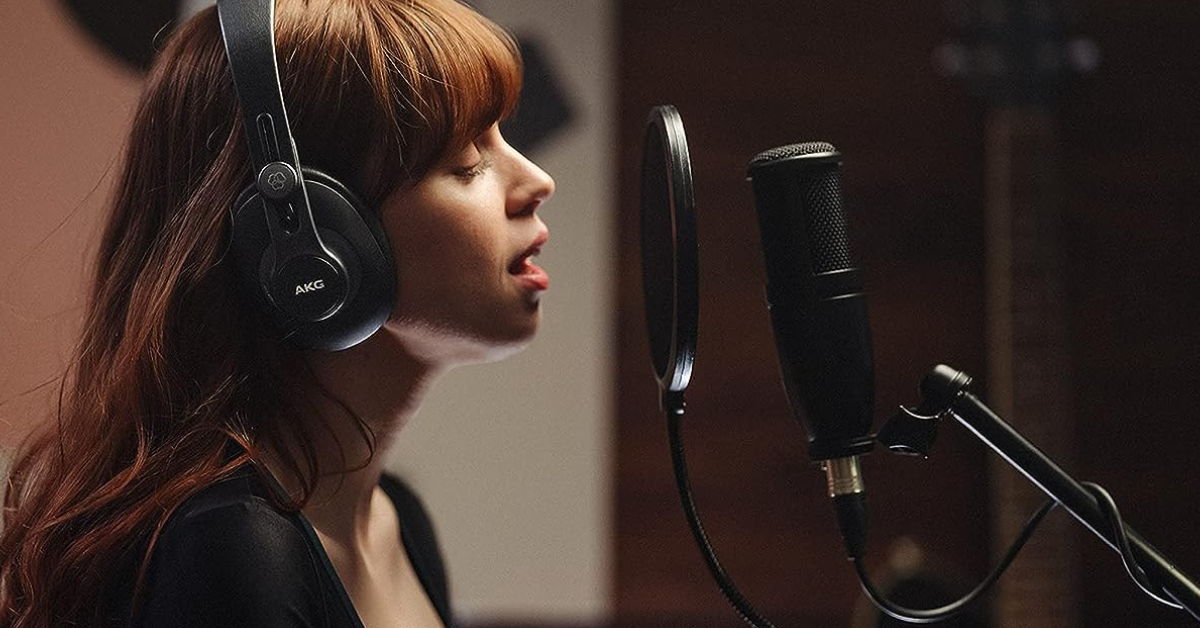
- Attach a pop filter about 2 to 4 inches from the microphone.
- Stand about 6 to 12 inches from the pop filter.
- Keep the microphone capsule near the level of your mouth.
- Aim the microphone slightly to one side if you have strong “s” sounds.
- Sing past the microphone rather than directly into it if plosives are a problem.
- Test both quiet and loud parts before recording.
- Set the input gain so loud notes do not clip.
Distance changes tone. Moving closer creates more low-end warmth through the proximity effect. Moving farther away reduces that effect but allows more room sound into the recording.
This is one lesson I learned early: singers often move without noticing. They lean in during quiet lines and pull away during loud notes. That can create uneven volume and tone. Practice keeping a steady distance, or use movement as a deliberate performance choice.

Room setup matters more than many singers expect
Are condenser mics good for singing in a bedroom? They can be, but the room needs attention. A condenser mic does not know which sounds you want. It records the voice, the room, and the noise around you.
Try these simple improvements:
- Turn off fans, air conditioners, and noisy computers when possible.
- Record away from bare walls and windows.
- Place rugs or thick blankets on hard floors.
- Use curtains to reduce reflections from glass.
- Avoid placing the microphone directly in a corner.
- Put soft furniture behind and beside the singer.
- Clap in the room and listen for a sharp echo.
Foam panels can help with high-frequency reflections, but they do not solve every acoustic problem. Thick materials and thoughtful placement often work better than covering every wall with thin foam.
If your room sounds bad when you speak, it may sound even more obvious through a condenser mic. Record a short test before committing to a full vocal take.
Common mistakes to avoid
Many problems blamed on condenser microphones come from setup errors.
Using too much gain
High gain does not make a recording more professional. It raises the vocal and the background noise together. Set the gain while singing your loudest section.
Singing too close
A close position can create strong plosives and excessive bass. Use a pop filter and keep a steady distance.
Ignoring microphone direction
Most studio condenser microphones are side-address. You sing into the front of the capsule, not the top. Check the manufacturer’s guide before recording.
Recording with effects printed too strongly
Reverb can make a singer feel comfortable, but too much reverb hides problems. Monitor with light effects if needed, but record a clean vocal whenever possible.
Buying by price alone
A high price does not guarantee a perfect match. A modest condenser mic in a quiet, treated room can outperform an expensive microphone in a noisy space.
Are condenser mics good for live singing?
Are condenser mics good for singing on stage? They can work, but dynamic microphones are more common for live vocals.
Live stages often have loud monitors, drums, crowd noise, and changing distances. Condenser microphones may pick up more of these sounds and can be more sensitive to feedback.
Some live condenser microphones include internal shock protection and careful directional design. They can sound detailed and open when used with the right sound system. However, the singer and sound engineer must manage gain, monitor placement, and microphone distance carefully.
For most beginners, a dynamic stage microphone is easier. For controlled acoustic shows, worship settings, theater, or studio-style performances, a condenser mic may be a useful option.
Frequently Asked Questions: Are condenser mics good for singing?
Are condenser mics better than dynamic mics for vocals?
Neither microphone type is always better. Condenser mics usually capture more detail, while dynamic mics often reject room noise and handle loud sources well.
Can I use a condenser mic for singing at home?
Yes, you can use a condenser mic at home if your room is reasonably quiet. Reduce reflections with soft furnishings, and use headphones to check for background noise.
Do all condenser microphones need phantom power?
Most XLR condenser microphones need 48-volt phantom power. USB condenser microphones receive power through the USB connection, so they do not need separate phantom power.
How far should I stand from a condenser mic when singing?
A distance of about 6 to 12 inches from the pop filter is a useful starting point. Adjust the distance to control bass, volume, and room sound.
Is a USB condenser mic good for singing?
A USB condenser mic can be good for home recording, demos, lessons, and streaming. It is convenient, but an XLR microphone and audio interface may offer more flexibility and upgrade potential.
Why does my condenser mic make my voice sound harsh?
The microphone may boost high frequencies, or your room may reflect too much sound. Try moving slightly off-axis, increasing the distance, reducing input gain, or choosing a smoother microphone.
Can a condenser mic record loud singing?
Yes, many condenser microphones can record loud vocals. Test your loudest notes, keep the input level below clipping, and use enough distance to control the signal.
Conclusion
Are condenser mics good for singing? For many singers, they are an excellent choice. They capture vocal detail, wide frequency range, breath, emotion, and subtle changes in performance.
Their main limits are sensitivity to room noise, harsh reflections, sibilance, and incorrect gain settings. A quiet space, pop filter, steady mic distance, and careful level check can make a major difference.
Choose the microphone that suits your voice and recording space, not the one with the biggest price tag. Test your sound, record a short sample, and trust what you hear. Explore more vocal recording techniques, try different microphone positions, and share your experience in the comments.