

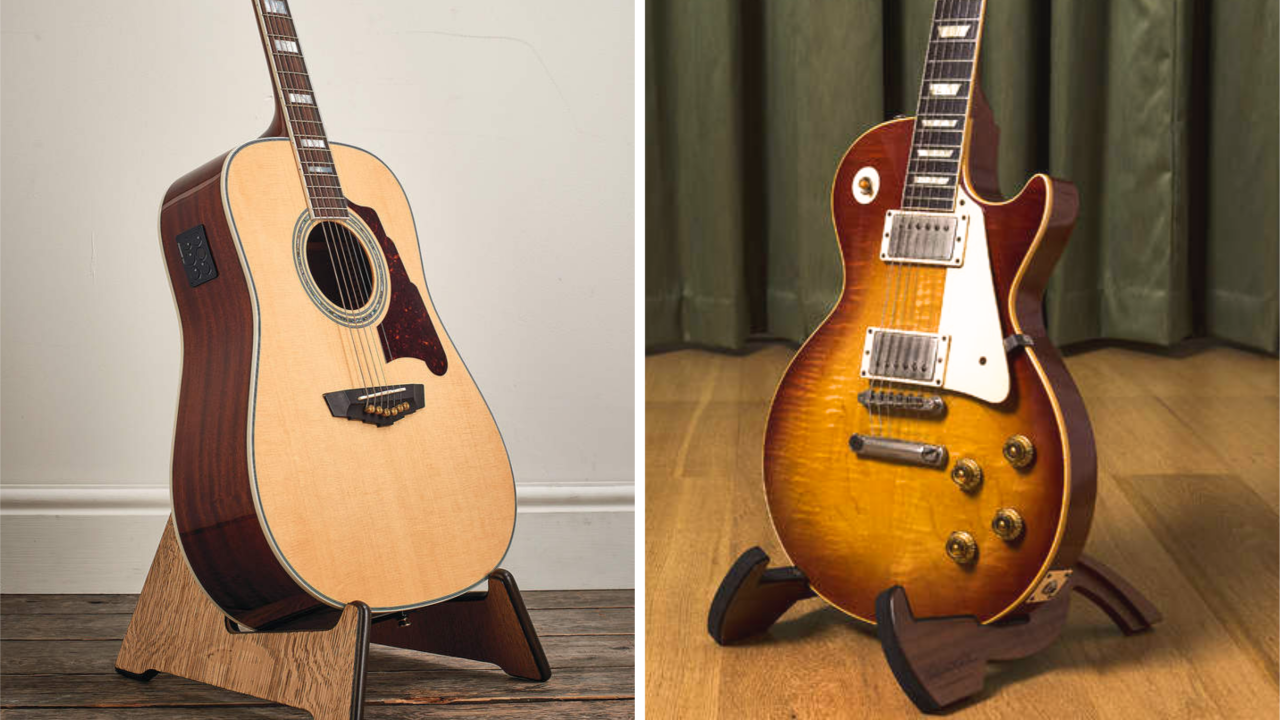
An acoustic guitar uses its hollow body for natural sound, while an electric guitar needs pickups and an amplifier.
If you have ever asked what is the difference between acoustic and electric guitar, you are not alone. The two instruments share tuning, fretboards, and basic chords, but they feel and sound very different. This guide explains their design, tone, cost, playability, gear needs, and best uses so you can choose with confidence.
What is the difference between acoustic and electric guitar?
The main difference is how each guitar creates and projects sound. An acoustic guitar uses vibrating strings and a hollow wooden body. The body acts like a natural speaker and makes the sound loud enough for a room.
An electric guitar uses magnetic pickups. These pickups sense the movement of metal strings and send the signal through a cable to an amplifier. Without an amp, most electric guitars sound quiet and thin.
Here is the basic comparison:
| Feature | Acoustic guitar | Electric guitar |
|---|---|---|
| Sound source | Hollow body and vibrating strings | Pickups, amplifier, and speaker |
| Extra equipment | Usually none | Amp, cable, and sometimes effects |
| String type | Often steel or nylon | Usually steel |
| Body | Hollow or mostly hollow | Solid, semi-hollow, or hollow |
| Typical feel | More natural resistance | Often softer and easier to press |
| Common uses | Folk, country, pop, worship, and singer-songwriter music | Rock, blues, jazz, metal, pop, and country |
| Portability | Simple to carry and play | Requires more gear |
| Volume control | Depends on body size and playing force | Controlled with the guitar and amplifier |
Both guitars can play chords, melodies, solos, and songs. The right choice depends on your goals, comfort, budget, and preferred sound.

How an acoustic guitar creates sound
An acoustic guitar has a soundboard, which is the large wooden top of the instrument. When the strings vibrate, the bridge transfers that energy to the soundboard. The soundboard then moves air inside the body and through the sound hole.
Think of the body as a wooden echo chamber. Its size, shape, wood, bracing, and finish all affect the final tone. A larger dreadnought often sounds loud and full, while a smaller concert guitar may feel balanced and comfortable.
Common acoustic guitar types include:
• Steel-string acoustic guitars, which have bright, strong tones and suit folk, rock, country, and pop.
• Classical guitars, which use nylon strings and have a softer, warmer sound.
• Parlor guitars, which have smaller bodies and often produce clear, focused tones.
• Acoustic-electric guitars, which include a pickup or microphone for connection to an amplifier.
An acoustic-electric guitar is still an acoustic guitar at its core. Its electronics only make it easier to amplify. This detail often causes confusion when people ask what is the difference between acoustic and electric guitar.

How an electric guitar creates sound
An electric guitar has pickups beneath the strings. A pickup contains magnets and wire coils. When a metal string vibrates above the pickup, it changes the magnetic field and creates a small electrical signal.
That signal travels through the guitar cable to an amplifier. The amplifier increases the signal and sends it to a speaker. Effects such as distortion, delay, chorus, and reverb can then shape the sound.
Electric guitars may have:
• Single-coil pickups, which often sound bright, clear, and sharp.
• Humbucker pickups, which usually sound thicker, louder, and warmer.
• A combination of both pickup types for more tonal choices.
• A solid body, which helps reduce feedback at high volume.
• A semi-hollow or hollow body, which can create a warmer and more open sound.
The amplifier is part of the electric guitar’s voice. Two guitars with similar wood and pickups can sound very different through different amps and effects.
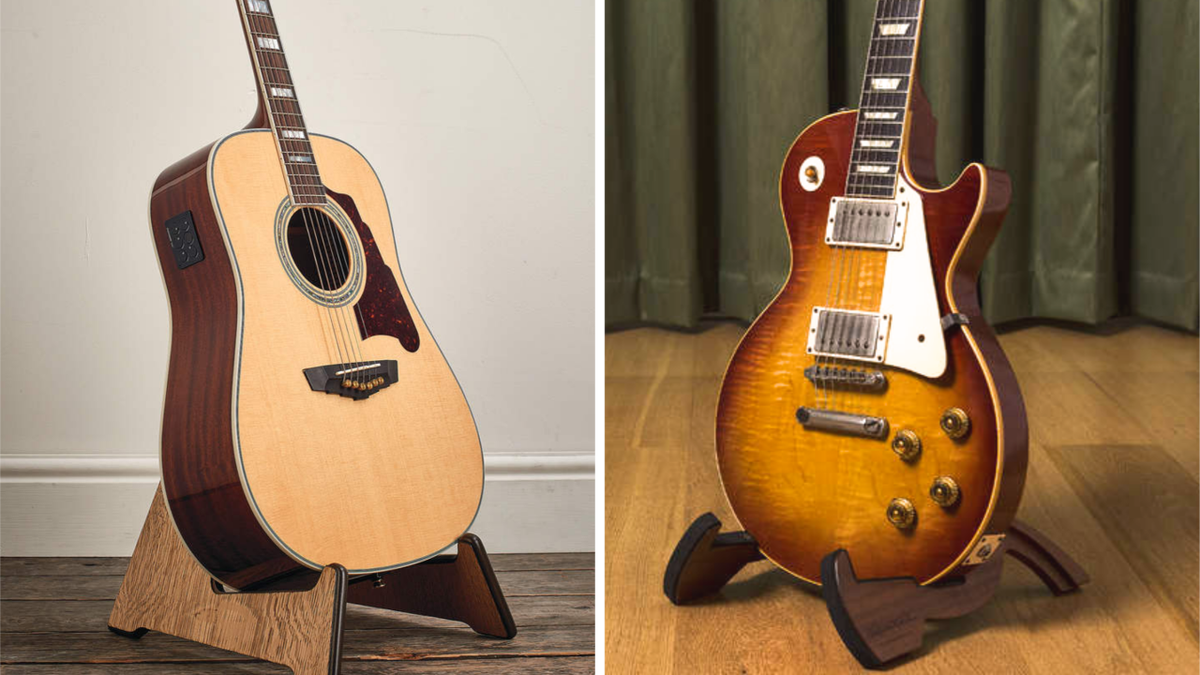
Acoustic vs. electric guitar: the main physical differences
When comparing what is the difference between acoustic and electric guitar, start with the body and neck. These parts affect comfort, tone, weight, and technique.
Body design
Acoustic guitars need a resonant body. Their tops must move freely to produce volume. Electric guitars do not need a large hollow chamber, so many have smaller, solid bodies.
An acoustic body is often wider and deeper. An electric guitar is usually thinner and may feel easier to hold while sitting or standing.
Neck and fretboard
Electric guitars often have slimmer necks and lower string action. String action is the distance between the strings and the fretboard. Lower action can make notes easier to press, though poor setup can cause buzzing.
Acoustic guitars often use slightly higher action because the strings need room to vibrate. A well-set-up acoustic should not feel painful, but it may require more finger pressure than an electric guitar.
Strings
Most steel-string acoustic guitars use heavier strings than electric guitars. This creates a strong acoustic tone but can feel demanding for new players.
Electric guitars use lighter strings in many cases. They can be easier for bends, quick solos, and long practice sessions. However, light strings can also feel less stable and may go out of tune more easily.
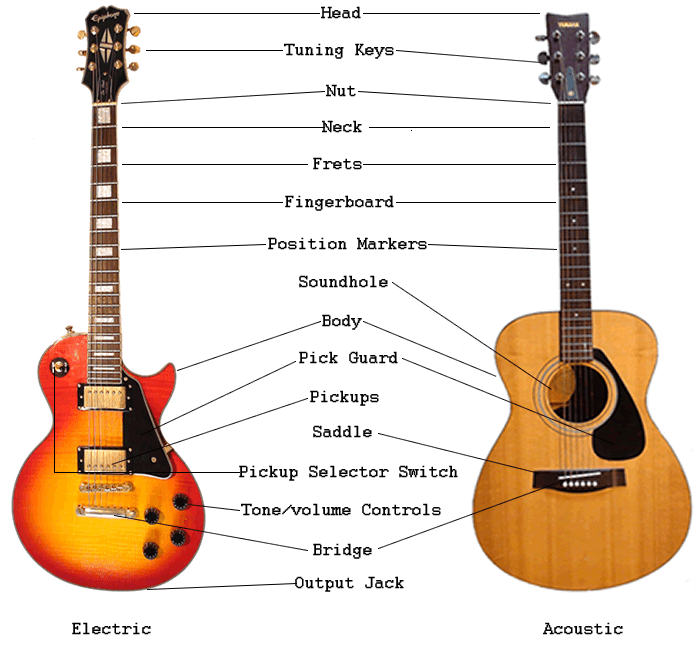
Controls
An acoustic guitar usually has few or no controls. An electric guitar often includes:
• A volume knob.
• One or more tone knobs.
• A pickup selector switch.
• An output jack.
These controls let players shape the sound before it reaches the amplifier.
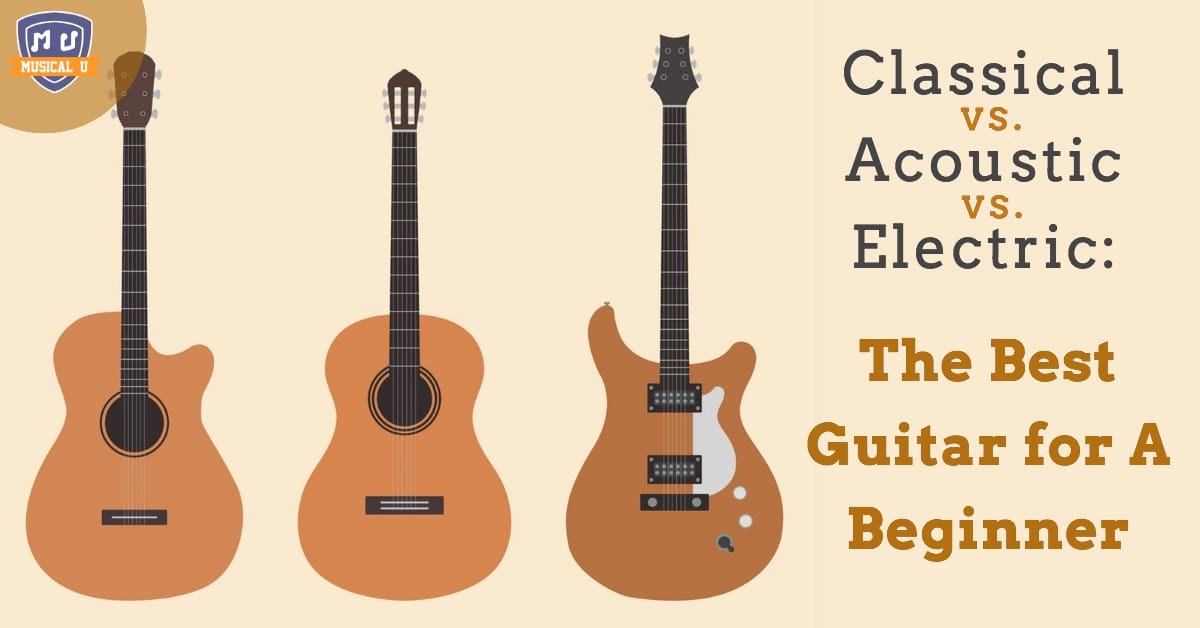
Sound and musical style
The sound difference is one of the clearest answers to what is the difference between acoustic and electric guitar.
An acoustic guitar tends to sound natural, woody, open, and direct. It works well when you want the guitar to support a voice without extra equipment. A simple chord can fill a small room with a warm and familiar tone.
An electric guitar has a wider sound range. It can sound clean and bell-like, gritty and bluesy, heavy and distorted, or smooth and jazzy. The amplifier, pickup, picking style, guitar settings, and effects all play a role.
Acoustic guitars often suit:
• Campfire songs.
• Folk and country music.
• Singer-songwriter performances.
• Worship music.
• Fingerstyle arrangements.
• Unplugged pop songs.
Electric guitars often suit:
• Rock and hard rock.
• Blues.
• Jazz.
• Funk.
• Metal.
• Lead guitar and expressive solos.
These are not strict rules. Many artists use both types. Country players may use electric guitars, and rock musicians may write powerful songs on acoustic guitars.
Which guitar is easier for beginners?
Many beginners ask what is the difference between acoustic and electric guitar because they want to know which one is easier to learn. The honest answer is that each guitar has different challenges.
An electric guitar may feel easier at first. Its lighter strings and lower action can reduce finger strain. It also makes single-note playing and bends more comfortable.
An acoustic guitar offers a simpler setup. You can pick it up and play without an amplifier, cable, or effects pedal. It also builds strong finger pressure and chord control.
A useful beginner guide is:
• Choose acoustic if you want simple practice, easy travel, and a direct connection to the instrument.
• Choose electric if you love rock, blues, metal, or lead guitar and enjoy experimenting with sound.
• Choose a nylon-string classical guitar if your goal is gentle fingerstyle playing or traditional classical music.
One mistake I often see in beginner practice is blaming the guitar when the real problem is poor setup. A guitar with high action can make any player’s fingers hurt. Before giving up, ask a qualified guitar technician to check the neck, action, nut, and intonation.
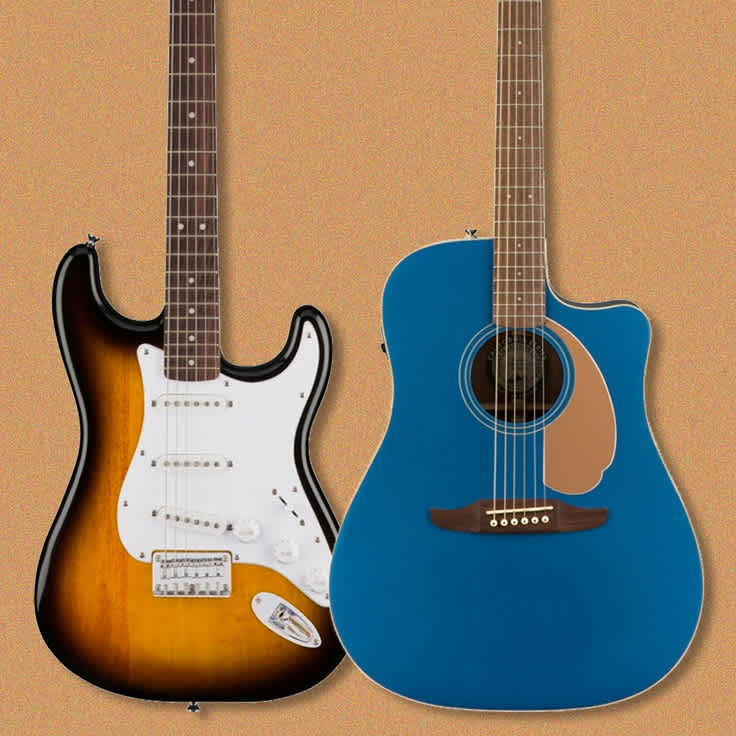
Equipment and maintenance needs
A major part of what is the difference between acoustic and electric guitar is the equipment each one requires.
An acoustic guitar can work with only a pick or your fingers. You may later add a tuner, strap, capo, and case. An acoustic-electric model may also need an amplifier or direct connection when you perform.
An electric guitar normally needs:
• An amplifier.
• A guitar cable.
• A tuner or tuning app.
• A strap for standing play.
• Spare strings and picks.
• Optional effects pedals.
Electric guitar players also need to manage cables, batteries, amplifier settings, and possible noise from poor connections. This is not difficult, but it adds a few steps.
Both guitars need regular care. Wipe the strings after playing, store the instrument away from extreme heat, and replace old strings when the tone becomes dull. Wood responds to changes in humidity, so a case humidifier can help protect an acoustic guitar in very dry areas.
Cost: is acoustic or electric guitar cheaper?
The answer depends on the full setup, not only the guitar price. An entry-level acoustic guitar can be ready to play as soon as you buy it. An electric guitar needs an amplifier and cable, which increases the starting cost.
A basic electric setup includes:
A playable electric guitar.
A small practice amplifier.
A cable.
Picks and a tuner.
You can reduce the cost with a small modeling amp or a headphone amp. Some modern practice amps include built-in effects and drum patterns, which can make practice more fun.
Do not choose only by the lowest price. A very cheap guitar may have sharp fret ends, tuning problems, or uncomfortable action. A slightly better instrument can make practice easier and help you stay motivated.
When considering what is the difference between acoustic and electric guitar, include the cost of accessories, repairs, lessons, strings, and storage.

Acoustic-electric guitars: the middle option
An acoustic-electric guitar may be ideal if you want the natural body of an acoustic guitar with the ability to perform through an amplifier.
Most models use a piezo pickup beneath the bridge. Some include an internal microphone or a small preamp with volume and tone controls. The guitar can sound natural when played unplugged and louder when connected to a PA system or acoustic amplifier.
An acoustic-electric guitar is useful for:
• Open-mic performances.
• Church and worship services.
• Live singer-songwriter shows.
• Recording with a direct input.
• Home practice without extra equipment.
It does not behave exactly like a solid-body electric guitar. Plugging an acoustic-electric into a high-gain rock amp may create feedback and an unnatural tone. For the best result, use an acoustic amp, PA system, or suitable acoustic effect.
Can you play the same songs on both guitars?
Yes. Standard tuning is usually E, A, D, G, B, and E on both instruments. Chord shapes and many scales remain the same.
However, the playing approach may change. Acoustic guitar often rewards steady rhythm, clean chord changes, and controlled strumming. Electric guitar allows bends, slides, vibrato, palm muting, tapping, and amplified sustain.
For example, a simple blues progression can work on both. On acoustic, you may use a strong shuffle rhythm. On electric, you might add bends and short lead phrases between the chords.
This is another useful way to understand what is the difference between acoustic and electric guitar: the musical language overlaps, but the expression tools are different.
Common mistakes when choosing a guitar
Choosing based only on appearance is a common mistake. A beautiful instrument that feels uncomfortable may spend more time on the wall than in your hands.
Avoid these problems:
• Buying an acoustic guitar with very high action.
• Choosing an electric guitar without budgeting for an amp.
• Buying a body size that feels too large.
• Ignoring the music you actually want to play.
• Assuming expensive means automatically better.
• Skipping a professional setup.
Try several guitars in person if possible. Sit with each one, check the neck shape, play a few chords, and listen for buzzing. If you are new, ask a teacher or experienced player to help you inspect the instrument.
A practical test is simple: hold the guitar for five minutes. If your shoulder, wrist, or thumb feels strained, the shape may not suit you.
How to choose between acoustic and electric guitar
Use your goals as the main guide. There is no universal winner.
Choose an acoustic guitar if:
• You want to play without an amplifier.
• You like folk, country, pop, or singer-songwriter music.
• You want an easy travel instrument.
• You enjoy strumming and fingerstyle.
• You prefer a natural, unplugged sound.
Choose an electric guitar if:
• You want to play rock, blues, jazz, funk, or metal.
• You enjoy solos and sound effects.
• You want lighter strings and easier bends.
• You like shaping tone with an amplifier.
• You plan to play in a band.
If your budget allows, owning both can be useful. Many players write songs on acoustic and perform them on electric. Others use electric guitar for practice and acoustic guitar for songwriting.
Frequently Asked Questions About What Is the Difference Between Acoustic and Electric Guitar
Is acoustic guitar harder to play than electric guitar?
An acoustic guitar can feel harder at first because it often has heavier strings and higher action. A good setup and regular practice make it much more comfortable.
Can an acoustic guitar be used with an amplifier?
Yes. An acoustic-electric guitar has a pickup or microphone that allows amplification. A standard acoustic guitar can also be fitted with an aftermarket pickup.
Can you learn electric guitar before acoustic guitar?
Yes. Learning electric guitar first is completely valid. The basic notes, chords, rhythm skills, and music theory transfer between both instruments.
Do acoustic and electric guitars use the same chords?
Yes. Most open chords and barre chords use the same shapes on both guitars. The tone and playing technique may change, but the musical foundation remains similar.
Which guitar is better for a beginner?
The better choice depends on your music goals and comfort. Acoustic is simple and portable, while electric may feel easier on the fingers and offer more sound options.
Does an electric guitar make noise without an amplifier?
It makes a small amount of sound, but it is usually too quiet for normal practice or performance. An amplifier is needed to hear the full tone and volume.
Is an acoustic-electric guitar the same as an electric guitar?
No. An acoustic-electric guitar is an acoustic instrument with electronics for amplification. It does not normally produce the same amplified tone or response as a solid-body electric guitar.
Conclusion
The key to understanding what is the difference between acoustic and electric guitar is the way each instrument creates sound. An acoustic guitar uses its hollow body, while an electric guitar depends on pickups, an amplifier, and often effects.
Acoustic guitars are simple, portable, and direct. Electric guitars offer lighter playing action and a much wider range of tones. Neither is better for every player, so choose the one that matches the music you want to make and the way you want to practice.
Try both if you can, and pay close attention to comfort, setup, and sound. Once you find the right fit, pick up the guitar every day, learn one song at a time, and share your choice or questions in the comments.