

A good electric guitar feels comfortable, stays in tune, sounds clear, and matches your playing style and budget.
A good electric guitar is not always the most expensive model or the one with the most famous logo. After years of playing and testing different instruments, I have found that comfort, solid construction, reliable tuning, and the right pickups matter far more than hype. This guide explains what makes a good electric guitar, how to choose one, and which details deserve your attention before you buy.
What Makes a Good Electric Guitar?
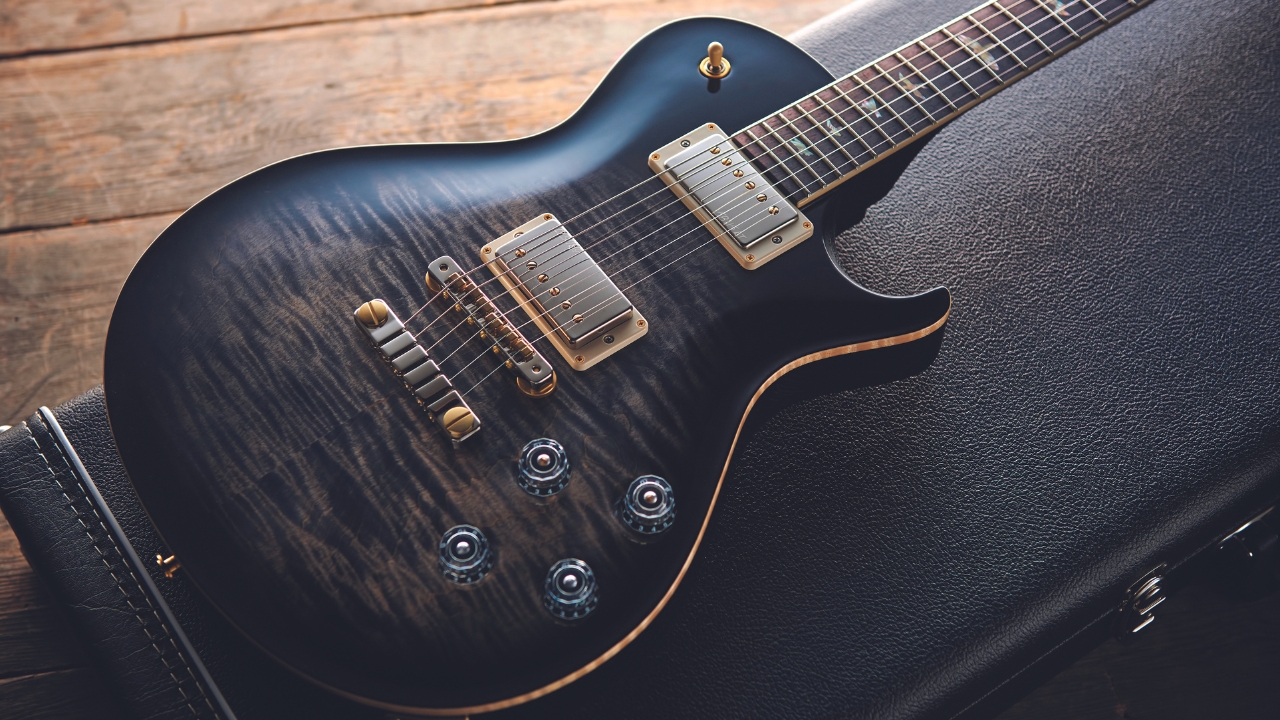
A good electric guitar is an instrument that helps you play with ease and confidence. It should feel natural in your hands, produce a useful range of tones, and remain stable during practice, recording, and live performance.
The best choice depends on your goals. A beginner may need a comfortable guitar that is easy to tune. A blues player may prefer warm, expressive pickups. A metal guitarist may need high-output humbuckers, a fast neck, and strong tuning stability.
The main qualities of a good electric guitar include:
• Comfortable neck shape and width
• Accurate frets with no sharp edges
• Stable tuning machines and bridge
• Reliable electronics with low noise
• Pickups that suit your style
• A balanced body that feels good when seated or standing
• Good setup and playable action
• Strong value for the price
A good electric guitar should also inspire you to pick it up. That emotional connection matters. If an instrument feels like a chore, it may spend more time in its case than in your hands.

The Most Important Features to Check
Many guitar buyers focus on color and brand first. Those details can be fun, but the playing experience comes from the guitar’s neck, fretwork, hardware, electronics, and setup.
Neck Comfort
The neck is where your hand spends most of its time. A slim neck may suit players with smaller hands or those who enjoy fast lead work. A thicker neck can feel more stable and comfortable for players who use strong bends, open chords, or a relaxed grip.
Neck shape is personal. A “C” shape often feels familiar and balanced. A “D” shape may offer more shoulder for the thumb. A “U” shape can feel full and supportive.
Do not assume that a thin neck is always better. A neck should let you move freely without causing hand tension. Try common chord shapes, slides, bends, and scale patterns before making a decision.
Fret Quality
Good fretwork is a major sign of a good electric guitar. The frets should sit level, feel smooth, and have rounded edges. Sharp fret ends can cut your hand and often signal poor finishing work.
Check for:
• Buzzing notes across the neck
• Notes that sound dead or muted
• Sharp fret ends near the fingerboard edge
• Frets that look uneven
• Difficulty bending without the note choking
Some fret buzz can come from an incorrect setup. However, serious buzzing, uneven frets, or poor fret seating may require costly repair.
Body Balance and Weight
A guitar should sit comfortably on your leg and remain balanced on a strap. If the neck constantly drops toward the floor, you may fight the instrument while playing.
Weight also matters. A heavy guitar may offer sustain and a solid feel, but excessive weight can cause shoulder or back pain during long sessions. A lighter guitar may feel easier to carry, though tone depends on many factors beyond body weight.
Hardware and Tuning Stability
A good electric guitar should stay in tune after normal playing. Tuning problems can come from poor machine heads, a badly cut nut, loose hardware, old strings, or improper string installation.
Look for tuners that turn smoothly without excessive looseness. The bridge should feel secure, and screws should not appear stripped or unstable.
A locking tremolo can provide excellent tuning stability when set up correctly. It can also make string changes and tuning adjustments more complex. For many beginners, a fixed bridge is simpler and more practical.
Electronics and Controls
The volume and tone controls should turn smoothly. Pickup selector switches should work without crackling or cutting out. A small amount of noise is normal with some single-coil pickups, especially near electrical devices.
Test every pickup position. Listen for:
• Clear notes
• Even volume between pickups
• Smooth tone control changes
• No unwanted crackling
• No sudden dropouts
• Acceptable noise levels
A good electric guitar does not need expensive electronics to sound useful. It needs dependable electronics that produce the kind of tone you actually want.
Pickup Types and Their Sound
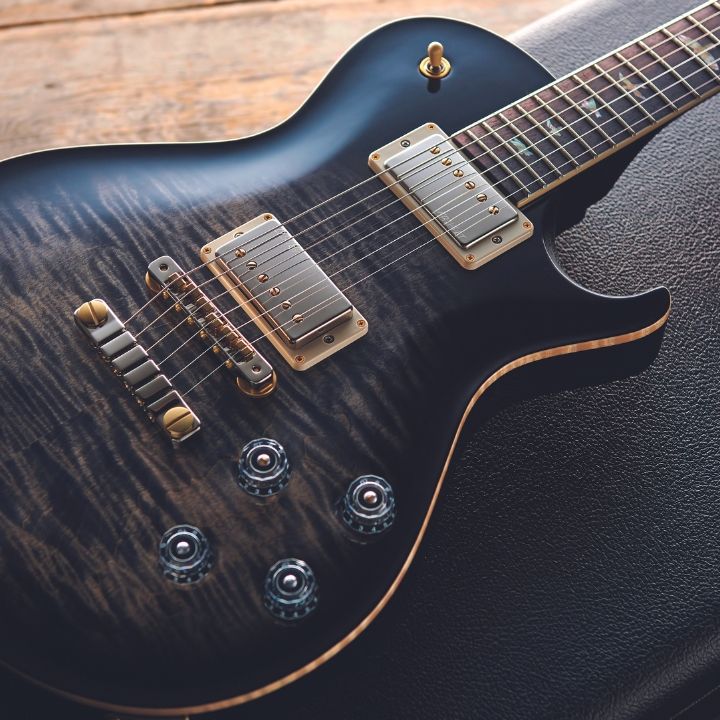
Pickups convert string movement into an electrical signal. They shape the guitar’s basic voice, although the amplifier, effects, strings, playing technique, and room also matter.
Single-Coil Pickups
Single-coil pickups often sound bright, clear, and sharp. They work well for blues, country, pop, funk, rock, and clean playing.
Their strengths include:
• Clear note separation
• Strong attack
• Bright treble
• Expressive response to picking
Their main limitation is noise. Traditional single-coil pickups can produce hum under certain electrical conditions. Noiseless designs reduce this problem but may sound slightly different from classic single-coil models.
Humbucker Pickups
Humbuckers use two coils to reduce the hum associated with traditional single coils. They usually produce a thicker, warmer, and more powerful sound.
Humbuckers are common in:
• Hard rock
• Heavy metal
• Jazz
• Blues rock
• Alternative rock
They can also produce clean tones, especially when used with the guitar’s volume control. However, some humbuckers may sound too dark or compressed for players who want very bright, open tones.
P-90 Pickups
P-90 pickups sit between traditional single coils and humbuckers in character. They often provide strong mids, wide harmonic detail, and a gritty response.
P-90s are useful for blues, garage rock, indie music, punk, and classic rock. They can sound powerful and open, but they may have more hum than a humbucker.
Active and Passive Pickups
Passive pickups are the traditional choice. They respond naturally to picking strength and usually have a dynamic, organic feel.
Active pickups use a battery-powered preamp. They often provide high output, a tight low end, and consistent performance. They are popular in modern metal and other styles that need strong attack and controlled distortion.
Neither design is automatically better. The right choice depends on your preferred sound and playing habits.
Guitar Shapes and Playing Styles
The shape of an electric guitar affects comfort, balance, access to higher frets, and sometimes the available pickup layout.
A solid-body guitar is the most common type. It handles high volume well and works with many styles. A semi-hollow guitar has a central block and hollow sections, which can create a lively feel and airy tone. A hollow-body guitar is often associated with jazz, blues, and roots music, but it may be more prone to feedback at high volume.
Common body styles include:
• Strat-style guitars with versatile pickup combinations and comfortable contours
• Tele-style guitars with strong attack and simple controls
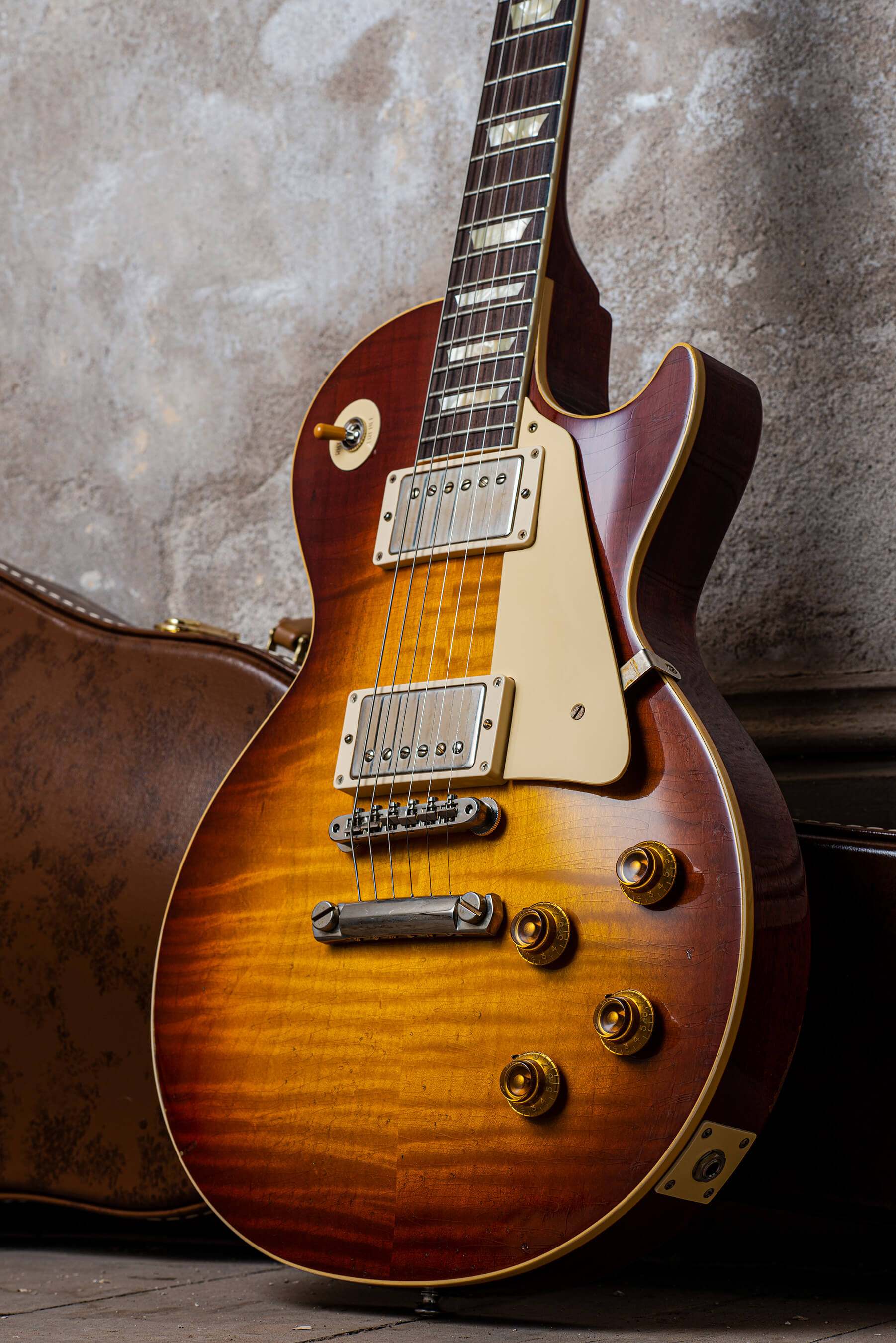
• Les Paul-style guitars with thick tones and a shorter scale
• SG-style guitars with easy upper-fret access and a lightweight feel
• Offset guitars with distinctive balance and often flexible electronics
These labels describe general designs. The actual sound and feel vary by brand, model, wood, pickups, scale length, and setup.
A good electric guitar for rhythm playing may not be the best good electric guitar for fast lead work. Your music should guide your choice.
Scale Length, Strings, and Playability
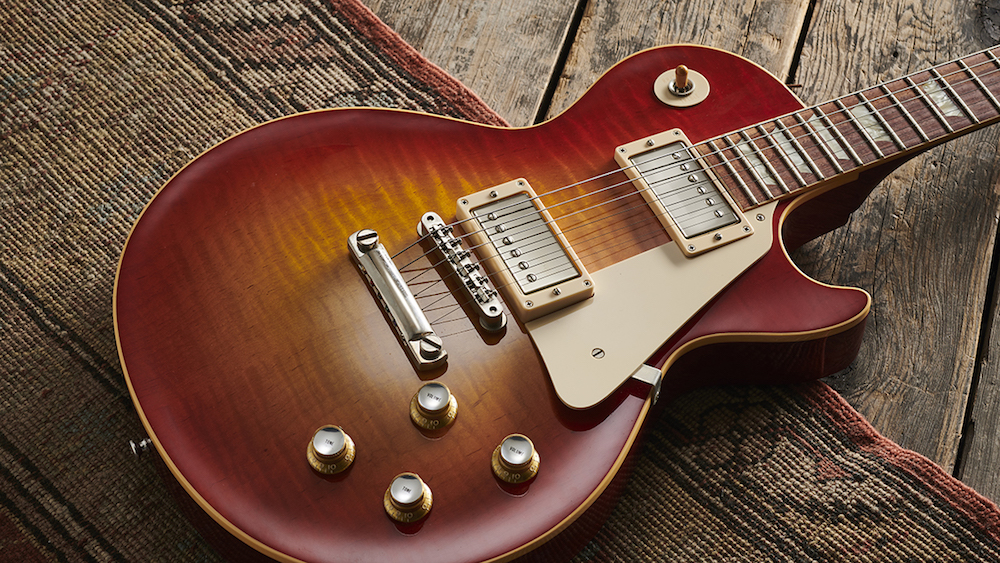
Scale length is the distance from the nut to the bridge. It affects string tension, fret spacing, and the general feel of the guitar.
A longer scale often gives strings a tighter feel at the same tuning. It may produce a firm response and clear low notes. A shorter scale often feels slinkier and can make bends easier.
String gauge also changes playability. Light strings are easier to bend, while heavier strings can feel fuller and provide more tension. Very light strings may create tuning or intonation issues if your technique is forceful.
When testing a guitar:
- Play open chords near the nut.
- Play scales in several positions.
- Bend notes above the seventh fret.
- Check whether the strings feel too tight or too loose.
- Listen for buzzing and dead notes.
- Test the guitar while seated and standing.
A good electric guitar should not make basic tasks feel difficult. It should support your technique rather than expose you to avoidable frustration.

Does Wood Matter?
Tonewood is often discussed as if it decides the sound by itself. In reality, electric guitar tone comes from a system that includes the strings, pickups, bridge, neck, construction, amplifier, speakers, and player.
Wood can influence weight, resonance, sustain, and feel. Yet pickup design and amplifier settings often make a larger audible difference in an amplified electric guitar.
Common woods include:
• Alder, often linked with balanced mids and clear highs
• Ash, often associated with a bright and lively response
• Mahogany, commonly used for warm mids and a strong body feel
• Maple, often used for necks and bright attack
• Basswood, valued for its light weight and balanced response
Do not reject a guitar simply because it uses a wood you have not heard praised online. Play it, listen to it, and judge how it feels. A good electric guitar is a complete instrument, not a list of wood species.

How Much Should You Spend?
You can buy a playable electric guitar at several price levels. A higher price may bring better fretwork, hardware, electronics, quality control, and finishing. It does not guarantee that the guitar will suit your hands or ears.
Beginner Electric Guitars
A beginner guitar should be comfortable, reliable, and easy to maintain. It should stay in tune and have a neck that does not feel difficult to navigate.
At this level, prioritize:
• A proper setup
• Comfortable weight
• Smooth frets
• A stable bridge
• A useful pickup combination
• Access to local repair support
A less expensive guitar with a good setup can feel better than a costly guitar that needs immediate work.
Mid-Range Electric Guitars
Mid-range instruments often offer strong value. They may include better fret finishing, improved tuners, more consistent electronics, and more refined construction.
This category is often ideal for serious students, gigging musicians, and home recording players. You usually gain reliability without paying mainly for luxury details.
Premium Electric Guitars
Premium guitars may offer excellent materials, skilled finishing, custom electronics, and detailed quality control. They can be wonderful tools, but they are not required for good music.
A premium instrument also deserves proper care. Keep it in a suitable case, replace strings regularly, and have the setup checked when needed.
The Guitar Alone Does Not Create the Tone
A good electric guitar is only one part of the signal chain. The amplifier and speaker have a major effect on your sound. A modest guitar through a strong amp can sound excellent, while an expensive guitar through a poor setup may disappoint.
Your basic signal chain includes:
• Guitar
• Instrument cable
• Amplifier
• Speaker
• Effects pedals, if needed
Beginners often spend too much on the guitar and too little on the amp. A reliable practice amplifier with a clean channel, usable gain, headphone output, and simple tone controls can be more useful than a costly guitar paired with a weak amp.
Try the guitar through an amp similar to the one you will use at home. A guitar may sound bright in a store and different through your own equipment.
How to Test a Good Electric Guitar in a Store
Testing a guitar is easier when you follow a simple plan. You do not need to play complicated solos. Basic checks reveal most important problems.
Before Plugging In
Inspect the instrument in good light. Look for cracks, loose parts, uneven finish problems, and signs of repair. Small cosmetic marks may not matter, but structural damage deserves careful attention.
Check the neck from the headstock toward the bridge. A small amount of relief is normal, but severe twisting or bowing can create problems.
While Playing
Play each fret on every string. Listen for buzz, dead notes, and sudden volume changes. Test bends around the upper frets and confirm that notes remain clear.
Turn every knob and switch. Move the cable gently while plugged in. Crackling may indicate a dirty control, a loose jack, or a wiring fault.
Ask for a Setup Check
A setup adjusts the guitar for proper action, neck relief, intonation, and pickup height. New guitars sometimes need one after shipping or changes in humidity.
Do not mistake a poor setup for a poor guitar. However, ask the store whether the instrument has been checked before you buy it.
Buying a Used Electric Guitar
Used guitars can offer excellent value. They may also hide problems that are expensive to repair.
Check these areas carefully:
• Neck stability and truss rod condition
• Fret wear, especially under the plain strings
• Bridge and tuner function
• Output jack security
• Pickup and switch operation
• Signs of water, heat, or impact damage
• Missing original parts
• Modifications that affect resale value
A few scratches are usually harmless. A repaired headstock break, serious neck twist, or damaged truss rod may be a major concern.
Ask for the guitar’s history when possible. Keep receipts and serial information if you buy it. If you are unsure, pay a qualified guitar technician for an inspection. That small cost can prevent a much larger repair bill.
Common Mistakes to Avoid
Choosing a good electric guitar becomes easier when you know what not to do.
Buying Only for Appearance
A beautiful finish can attract you instantly. Still, color cannot tell you whether the neck feels right or the electronics work properly.
Trusting Brand Reputation Alone
Well-known brands make excellent guitars, but every factory and model has variation. Inspect the actual instrument whenever possible.
Ignoring the Amplifier
The amp shapes much of your final sound. Include it in your budget instead of treating it as an afterthought.
Choosing Features You Do Not Need
A floating tremolo, complex switching system, or active electronics may look exciting. Extra features can also make maintenance harder.
Using the Wrong Strings
String gauge affects tension, tuning, action, and tone. If you change gauge, the guitar may need a new setup.
Playing With Too Much Force
Many players press too hard and blame the guitar for sharp notes or hand pain. A lighter touch often improves tuning and speed.
In my experience, the most common buying mistake is choosing a guitar that looks impressive but feels uncomfortable after twenty minutes. Comfort wins over time.
Matching a Good Electric Guitar to Your Music
Your style does not lock you into one guitar. It simply gives you a useful starting point.
• Blues: Try expressive single coils, P-90s, or moderate-output humbuckers.
• Rock: Look for a flexible pickup layout and strong midrange.
• Metal: Consider high-output humbuckers, a tight bridge pickup, and stable tuning.
• Country: Bright single coils and clear attack are common choices.
• Jazz: Warm humbuckers and a smooth clean response may work well.
• Pop and worship: Versatile switching and comfortable clean tones are useful.
• Indie and alternative: Explore P-90s, offset designs, and unusual pickup combinations.
The best good electric guitar for your style is the one that produces useful tones without making you fight the instrument.
How to Maintain Your Guitar
Good maintenance protects playability and value. Wipe the strings after playing to reduce dirt and moisture. Clean the fingerboard according to its material, and avoid using household cleaners.
Store the guitar away from extreme heat, cold, and rapid humidity changes. Wood responds to its environment, and severe dryness can cause fret sprout or cracks.
Replace strings when they feel rough, sound dull, or refuse to hold tune. Have the guitar professionally checked if you notice persistent buzzing, poor intonation, loose hardware, or a changing neck.
A good electric guitar can last for decades with basic care. Maintenance is not glamorous, but it keeps the instrument ready when inspiration arrives.
A Simple Buying Checklist
Use this checklist before you make a final decision:
- Does the neck feel comfortable?
- Can you reach the higher frets without strain?
- Are the fret ends smooth?
- Do all notes ring clearly?
- Does the guitar stay in tune?
- Do all pickups and controls work?
- Is the guitar balanced on a strap?
- Does the weight feel manageable?
- Does it sound good through your amplifier?
- Has the guitar received a proper setup?
- Does the price leave room for an amp, cable, strap, and case?
- Would you still enjoy playing it after the first month?
If the answer is yes to most of these questions, you may have found a good electric guitar.
Frequently Asked Questions About What Is a Good Electric Guitar
What is a good electric guitar for a beginner?
A good electric guitar for a beginner is comfortable, stable, easy to tune, and properly set up. Choose a simple model with dependable controls rather than one overloaded with features.
Is an expensive electric guitar always better?
No. Expensive guitars may offer improved materials and finishing, but price does not guarantee a good match for your hands or music. A well-set-up mid-range guitar can be an excellent long-term choice.
Are humbuckers or single coils better?
Neither pickup type is always better. Single coils often sound bright and clear, while humbuckers usually sound thicker and reduce traditional single-coil hum.
How do I know if an electric guitar has good fretwork?
Play every fret on every string and check for sharp edges, buzzing, dead notes, and uneven bends. Smooth fret ends and clear notes across the neck are strong signs of good fretwork.
Do I need a special guitar for rock or metal?
You do not need one specific guitar, but humbuckers, strong tuning stability, and a suitable bridge can help with rock or metal. The amplifier and speaker also have a major effect on heavy tones.
Can a beginner use a tremolo bridge?
Yes, but a fixed bridge is often easier for a first guitar. Tremolo systems can be useful, though they require more care during tuning and string changes.
How often should an electric guitar receive a setup?
A guitar should receive a setup when its action, intonation, tuning, or neck feel changes. Many players schedule one or two checks each year, while frequent performers may need them more often.
Conclusion
A good electric guitar feels comfortable, stays in tune, plays cleanly, and supports the music you want to make. Focus on neck feel, fret quality, pickup type, hardware, weight, setup, and your total budget rather than choosing by appearance alone.
Play several guitars if you can. Test them through a suitable amplifier, ask about setup work, and trust the instrument that makes you want to keep playing. Explore local stores, compare reliable models, and share your guitar choice or questions in the comments.