

Condenser mics offer more detail, while dynamic mics provide greater durability and room control.
The question “are condenser or dynamic mics better” has no single answer. The right choice depends on your voice, instrument, room, recording goal, and budget. After using both mic types in home studios, rehearsal rooms, podcasts, and live settings, I have learned that the best microphone is the one that fits the job, not the one with the longest feature list.
What Is the Difference Between Condenser and Dynamic Mics?
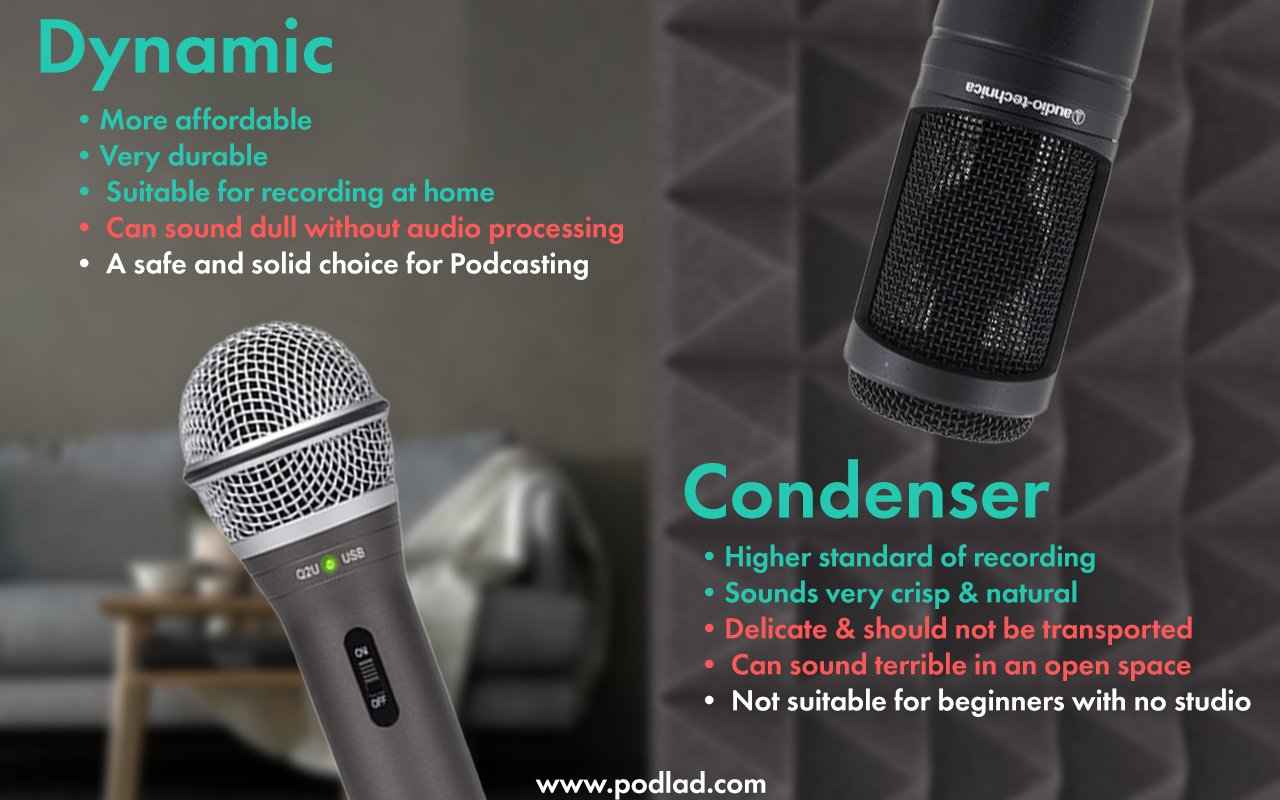
A dynamic microphone uses a moving coil attached to a thin diaphragm. Sound waves move the diaphragm, which moves the coil inside a magnetic field and creates an electrical signal.
A condenser microphone uses a lightweight diaphragm placed near a backplate. It needs power, usually 48-volt phantom power, to create its signal. This design makes the diaphragm more sensitive to small changes in sound.
In simple terms, a condenser mic is like a high-resolution camera. It captures fine detail, room sound, breath, and small changes in tone. A dynamic mic is more like a strong field camera. It focuses on the main subject and handles rough conditions with ease.
The main differences include:
• Sensitivity: Condenser microphones are usually more sensitive than dynamic microphones.
• Detail: Condenser mics often capture more high-frequency detail and subtle expression.
• Durability: Dynamic mics are usually better at handling drops, loud stages, and heavy use.
• Room sound: Dynamic mics reject more unwanted room noise in many situations.
• Power: Most condenser mics need phantom power, while most dynamic mics do not.
• Price: Both types cover a wide price range, from affordable models to professional options.
These are general trends, not strict rules. Some modern dynamic microphones sound open and detailed, while some condenser microphones are built for loud stages and harsh environments.
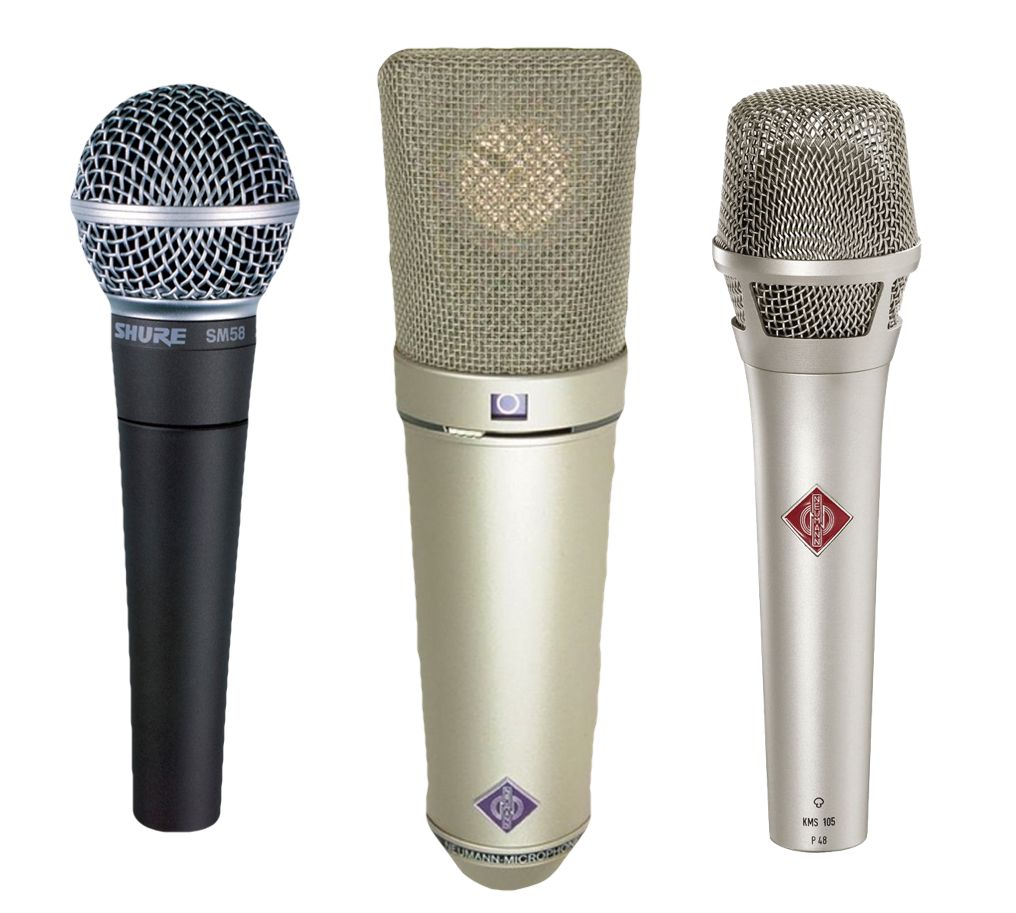
Are Condenser or Dynamic Mics Better for Vocals?
For studio vocals, condenser microphones are often the first choice. They capture vocal texture, breath, air, and small changes in volume. This can help a singer sound more natural and expressive.
A condenser mic can work especially well for:
• Soft singers who need more detail
• Acoustic pop and folk vocals
• Voice-over work
• Audiobooks
• Studio narration
• Vocal performances in a quiet room
However, a condenser mic also hears more. It may pick up computer fans, traffic, air conditioning, room reflections, and mouth sounds. A good microphone cannot fix a noisy or echo-filled room.
Dynamic microphones can be excellent for vocals when the room is not treated. They often focus more on the speaker and reduce some background sound. Many broadcasters and singers prefer dynamic microphones because they produce a focused, controlled tone.
A dynamic mic may suit:
• Loud singers
• Rock and punk vocals
• Live performances
• Untreated bedrooms
• podcasting near a computer
• Singers who move close to the microphone
When people ask, “are condenser or dynamic mics better for vocals,” I first ask where the recording will happen. In a quiet, treated room, a condenser mic often wins for detail. In a noisy room or live setting, a dynamic mic may produce the cleaner final track.
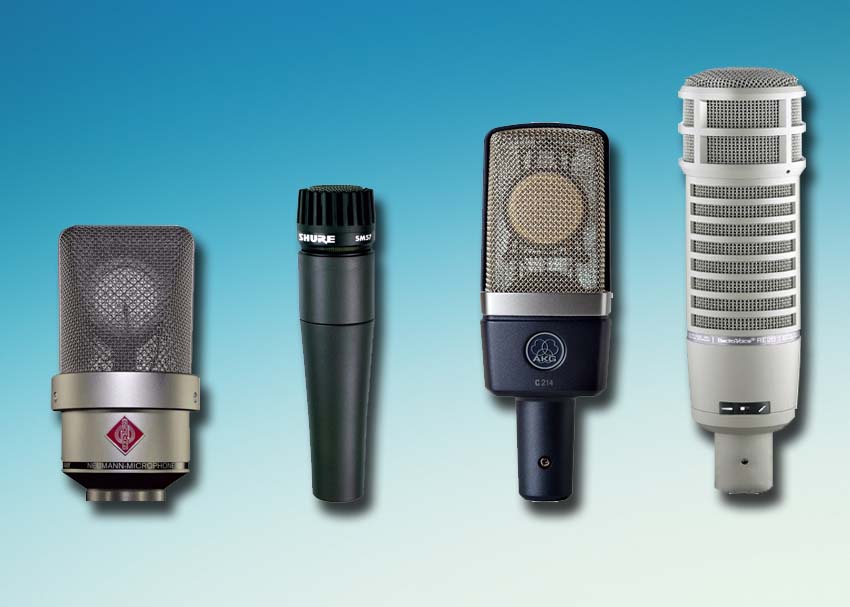
Are Condenser or Dynamic Mics Better for Podcasting?
For podcasting, both mic types can work well. The best option depends on your room, speaking style, microphone distance, and audio interface.
A dynamic microphone is often a safe choice for home podcasting. It can reduce room reflections and background noise when used close to the mouth. This makes it useful in bedrooms, offices, and shared spaces.
A condenser microphone can sound more open and polished. It may capture a wider range of voice detail, but it needs a quieter space. If the room has hard floors, bare walls, or a loud computer, the recording may sound thin, harsh, or echoey.
For a podcast, focus on these points:
• Use the mic 4 to 8 inches from your mouth.
• Speak slightly past the microphone instead of directly into it.
• Use a pop filter or foam windscreen.
• Keep the microphone gain low enough to avoid clipping.
• Turn off fans and noisy appliances.
• Add soft materials to reduce room reflections.
A common mistake is buying a sensitive condenser mic before fixing the room. I have seen people spend hundreds of dollars on a microphone, then place it beside a bare wall and wonder why the voice sounds distant. Moving the mic closer and adding curtains or a rug often makes a larger improvement.
So, are condenser or dynamic mics better for podcasting? A dynamic mic is usually easier in an untreated room. A condenser mic is often better in a quiet room when you want a detailed and airy voice.
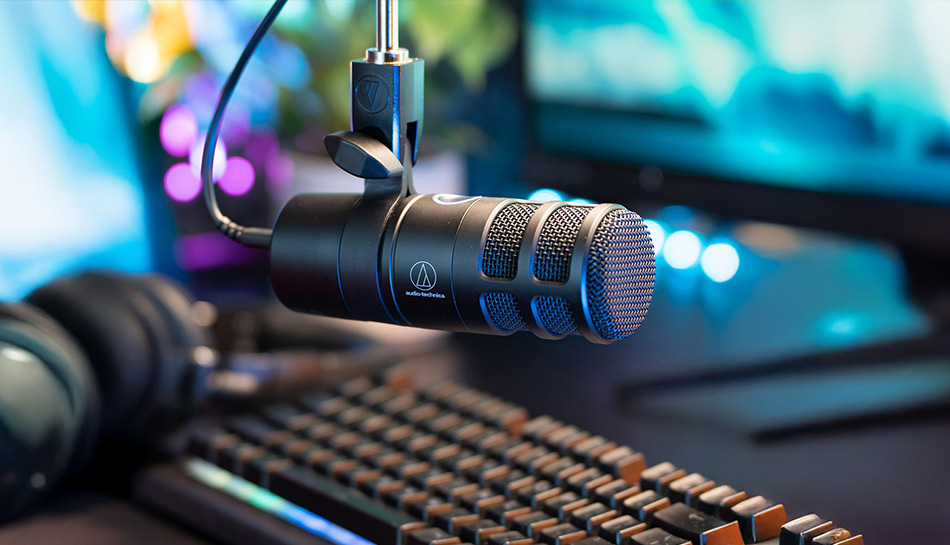
Are Condenser or Dynamic Mics Better for Streaming?
Dynamic microphones are often the better starting point for streamers. Streamers may deal with keyboard clicks, game audio, air conditioners, computer fans, and room echo. A dynamic microphone can help keep these sounds under control.
Many streamers also speak close to the mic. This close position gives a dynamic microphone a stronger, fuller sound. It can create the familiar broadcast tone heard on gaming and talk streams.
A condenser mic may be a good fit if:
• Your room is quiet
• You sit at a stable distance from the mic
• You want a bright and detailed sound
• You use acoustic treatment
• You have good microphone technique
A dynamic mic may be better if:
• You share the room with other people
• Your computer is loud
• You use a mechanical keyboard
• You move often while streaming
• You want stronger background noise control
Room treatment still matters. A dynamic microphone does not magically remove every unwanted sound. It can reduce some noise, but it will still hear loud sources nearby.
When deciding are condenser or dynamic mics better for streaming, think about control. A good dynamic mic placed close to your mouth can deliver clear speech with less room noise. A condenser mic can sound beautiful, but it demands better conditions.

Are Condenser or Dynamic Mics Better for Recording Instruments?
The answer changes with the instrument. Condenser microphones are common for acoustic guitar, piano, strings, cymbals, and other instruments where detail matters.
For acoustic guitar, a small-diaphragm condenser can capture pick noise, string movement, and the natural brightness of the instrument. A large-diaphragm condenser can provide a fuller, more rounded sound.
Dynamic microphones are common on electric guitar cabinets, snare drums, toms, and loud brass instruments. Their lower sensitivity helps them handle high sound pressure levels without becoming too harsh or overloaded.
Here are common choices:
• Acoustic guitar: Condenser microphones often capture more detail.
• Electric guitar cabinet: Dynamic microphones often provide punch and midrange focus.
• Kick drum: A specialized dynamic microphone is often a strong choice.
• Snare drum: Dynamic microphones are popular because they handle sharp transients.
• Piano: Condenser microphones often capture a wider and more detailed sound.
• Brass: Either type can work, depending on volume and desired tone.
Microphone placement can matter more than microphone type. Moving a mic a few inches can change the bass, brightness, and room sound. Before replacing a microphone, try moving it, changing its angle, or adjusting the distance.
A useful studio lesson is to record short tests. Place the mic in two or three positions, keep the same performance, and compare the tracks at the same volume. This gives you a more reliable answer than reading a long list of specifications.

Sound Quality: Condenser vs. Dynamic Microphones
Condenser microphones often produce a detailed and open sound. They can capture high frequencies, quiet notes, and fast changes in volume with great accuracy.
Dynamic microphones often produce a focused and controlled sound. Some have a strong midrange that helps voices and instruments stay clear in a busy mix.
Neither type is automatically higher quality. Sound quality depends on several factors:
• The microphone design
• The microphone’s frequency response
• The performer
• The recording space
• Mic placement
• The preamp or audio interface
• The final mix
A cheap condenser mic may sound worse than a well-designed dynamic mic. A premium dynamic mic may sound more refined than an entry-level condenser. The label alone does not tell you how a microphone will sound.
Sensitivity is also important. Condenser mics often produce a stronger signal, but that does not mean they always sound better. A sensitive microphone can capture more room noise and may require more careful placement.
If you want a bright, detailed, and spacious sound, a condenser mic may be a good fit. If you want a focused, warm, and controlled sound, a dynamic mic may be the better choice.

Room Acoustics and Microphone Choice
Your room can shape a recording as much as the microphone. Bare walls, windows, wood floors, and ceilings reflect sound. These reflections reach the microphone after the direct voice and can create echo or a boxy tone.
Condenser microphones usually reveal these reflections more clearly because they are sensitive. This is helpful in a treated studio, but it can cause problems in a bedroom or kitchen.
Dynamic microphones may reduce some room sound because they often have lower sensitivity and work best at close range. Still, they are not completely immune to bad acoustics. A loud reflection close to the microphone will remain a problem.
You can improve a room without building a professional studio:
• Place a rug on a hard floor.
• Hang thick curtains near windows.
• Keep the microphone away from bare walls.
• Use a bookshelf with uneven items to scatter reflections.
• Avoid recording in empty rooms.
• Place soft furniture around the recording area.
Do not place a blanket directly over your head and assume the room is fixed. That may reduce some reflections, but it can also create an uncomfortable and uneven sound. A few thoughtful changes around the microphone usually work better.
This is one of the biggest lessons behind the question, are condenser or dynamic mics better. The room may decide the answer before the microphone does.

Power, Gain, and Audio Interface Requirements
Most condenser microphones need 48-volt phantom power. Many USB condenser mics receive this power through the USB connection, while XLR condenser mics need an audio interface, mixer, or preamp.
Most dynamic microphones do not need phantom power. They connect easily to an interface or mixer, but some passive dynamic models have a low output level. This means you may need more gain from your preamp.
If the gain is too low, the recording may sound quiet. If you add too much gain with a noisy preamp, you may hear hiss. Some low-output dynamic microphones work best with a clean, powerful preamp or an inline gain booster.
Before buying, check:
• Whether the mic uses USB or XLR
• Whether your interface provides phantom power
• How much clean gain your interface offers
• Whether you need a stand, cable, pop filter, or shock mount
• Whether the microphone works with your computer or mixer
Phantom power is usually safe with standard balanced XLR connections, but caution is wise with older equipment, unusual adapters, and some ribbon microphones. Check the microphone manual and interface instructions before connecting unfamiliar gear.
For beginners, a USB microphone can be simple. An XLR microphone offers more flexibility if you plan to upgrade your interface or build a larger recording setup.

Advantages and Limitations of Condenser Mics
Condenser microphones are popular because they capture detail with little effort. They can make a voice sound clear, intimate, and present.
Main benefits include:
• High sensitivity
• Strong detail and clarity
• Good response to quiet sounds
• Excellent use in studio vocals
• Strong results on acoustic instruments
• Wide options for different tones
Their limitations are just as important:
• They can capture room echo
• They may pick up background noise
• They need power in most cases
• Some models are sensitive to handling noise
• High sound levels can cause problems with poor placement
• Cheap models may sound bright or harsh
A condenser mic is not a shortcut to a professional sound. It is a precise tool. If the room, placement, or performance is poor, the microphone may capture those problems in greater detail.
Use a pop filter with vocals, especially when recording sounds such as “p,” “b,” and “t.” These sounds create bursts of air that can hit the diaphragm and cause low-frequency pops.
Advantages and Limitations of Dynamic Mics
Dynamic microphones are trusted in live sound, broadcast, rehearsal, and studio recording. Their strong design lets them handle regular use and high sound levels.
Main benefits include:
• Excellent durability
• Good control of room noise
• Strong performance at close range
• No phantom power for most models
• Good handling of loud sources
• Useful sound for live vocals and speech
Their limitations include:
• They may need more preamp gain
• Some models capture less high-frequency detail
• They usually work best close to the source
• Poor technique can cause volume changes
• They may sound dark or less open in some setups
A dynamic microphone often rewards good technique. Staying close and keeping a steady distance helps maintain a full, even sound. Moving too far away can make the voice lose power and increase room noise.
Do not assume that a dynamic mic is always quiet or dull. Modern broadcast and studio dynamics can sound rich, clear, and detailed. The microphone’s design matters more than the category alone.
How to Choose the Right Microphone
Start with your main use. A microphone for a loud stage has different needs from one used for a quiet audiobook.
Use this simple process:
Choose the recording purpose. Decide whether you need a mic for singing, podcasting, streaming, instruments, meetings, or live sound.
Evaluate the room. Listen for echo, traffic, fans, computer noise, and nearby people.
Consider your voice or instrument. A bright source may need a smoother mic, while a dark source may benefit from more top-end detail.
Check your equipment. Confirm the connection type, phantom power, gain, and stand requirements.
Set a realistic budget. Include a cable, stand, pop filter, and interface if needed.
Test before judging. Record the same sentence or musical phrase with different placements.
Choose the cleanest result. Do not choose only by price, appearance, or online popularity.
A useful rule is simple: choose a condenser mic for detail in a controlled room, and choose a dynamic mic for focus in a noisy or demanding space.
If you are still unsure, a quality dynamic microphone is often the safer first purchase for a bedroom studio. You can later add a condenser mic when your room and recording process improve.
Common Mistakes to Avoid
Many microphone problems come from setup mistakes, not bad equipment. Fixing these issues can improve your sound at no extra cost.
Avoid these common errors:
• Holding a studio microphone in your hand while recording
• Placing the mic too far from your mouth
• Speaking directly into a sensitive condenser without a pop filter
• Recording beside a bare wall
• Setting the gain too high
• Buying a microphone without checking the connector
• Comparing microphones at different loudness levels
• Trusting online reviews without considering your room
• Using heavy noise reduction to fix poor recording technique
Louder audio often sounds better at first. This can lead people to choose the wrong microphone. Match the volume of each recording before comparing tone.
Another common mistake is copying a famous setup. A microphone that works for a deep radio voice may sound too dark on a soft voice. A mic that flatters one singer may exaggerate harshness in another.
Your own test matters most. Record a short sample, listen on headphones and speakers, and ask whether the voice sounds clear without becoming tiring.
Frequently Asked Questions About Are Condenser or Dynamic Mics Better
Are condenser or dynamic mics better for beginners?
Dynamic microphones are often easier for beginners in untreated rooms because they reject more room sound and need less careful placement. Condenser microphones can also be beginner-friendly when used in a quiet room with an interface that provides phantom power.
Are condenser or dynamic mics better for singing?
Condenser microphones are often better for detailed studio vocals, especially in a quiet room. Dynamic microphones can be better for loud singers, live performances, or rooms with unwanted noise.
Are condenser or dynamic mics better for a noisy room?
Dynamic microphones are usually the better choice for a noisy room because they often work close to the speaker and capture less surrounding sound. However, microphone placement and room treatment still have a major effect.
Do condenser microphones sound better than dynamic microphones?
Not always. Condenser microphones often capture more detail, but a dynamic microphone may sound clearer and more natural when the room is noisy or the source is loud.
Can a dynamic mic record acoustic guitar?
Yes, a dynamic mic can record acoustic guitar. It may produce a focused and warm tone, while a condenser mic often captures more string detail and room space.
Does a condenser mic need an audio interface?
An XLR condenser microphone normally needs an audio interface, mixer, or preamp that provides phantom power. A USB condenser microphone connects directly to a computer and usually receives power through the USB cable.
Are condenser or dynamic mics better for YouTube videos?
Either type can work well. A dynamic microphone is often easier in an untreated room, while a condenser microphone can offer more detail in a quiet, controlled recording space.
Conclusion
So, are condenser or dynamic mics better? Condenser microphones usually win for detail, quiet studio vocals, acoustic instruments, and controlled rooms. Dynamic microphones often win for live sound, streaming, podcasting, loud sources, and untreated spaces.
The best decision comes from matching the microphone to your room and purpose. Test placement, control your recording level, and improve the space before spending more money. Choose the microphone that gives you a clean, comfortable recording with the least effort, then explore more recording tips and share your experience with others.