

A 12-string guitar usually costs $150 to $3,000 or more, depending on quality, brand, age, and design.
Knowing how much is a 12-string guitar helps you set a realistic budget before you shop. Entry-level models can deliver a rich, chorus-like sound for casual playing, while professional guitars use better wood, stronger bracing, and careful construction. I have seen many buyers focus only on the price tag and overlook setup costs, neck comfort, and long-term value. This guide explains what you can expect to pay, what affects the price, and how to choose a 12-string guitar that fits your music and budget.
How Much Is a 12-String Guitar?
For most buyers in the United States, a new 12-string guitar costs between $150 and $3,000. A small number of handmade, vintage, or custom models can cost much more.
Here is a simple price guide:
• $150 to $300: Basic beginner and budget guitars
• $300 to $800: Reliable intermediate guitars
• $800 to $1,500: High-quality guitars for serious players
• $1,500 to $3,000 or more: Professional, handmade, and premium models
• $100 to $700: Used guitars, depending on age and condition
The answer to “how much is a 12-string guitar” depends on whether you want an acoustic, electric, vintage, or custom instrument. A basic acoustic 12-string may be affordable, but a premium solid-wood model can cost as much as a good professional six-string guitar.
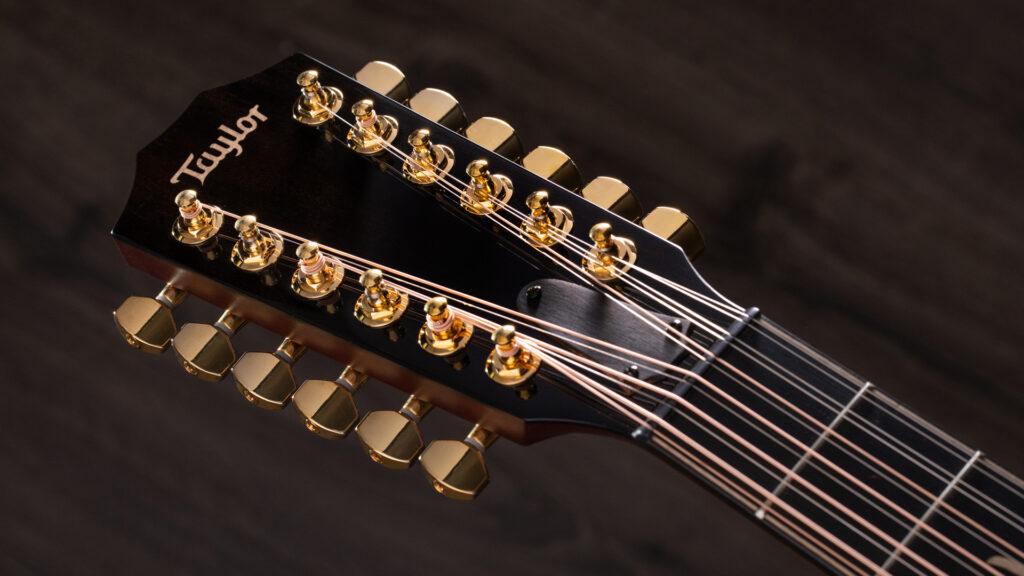
12-String Guitar Price Ranges Explained
Budget 12-string guitars: $150 to $300
Budget models are often made with laminated wood. They may use spruce or basswood on the top, with layered wood on the back and sides. These guitars can sound bright and lively, but they may not have the depth or volume of more expensive instruments.
This price range works well for:
• Beginners
• Home practice
• Occasional songwriting
• Players who want to test the 12-string sound
A low price does not always mean a poor experience. A good setup can make an inexpensive guitar feel much better. Check the string height, tuning machines, bridge, and neck before buying.
Intermediate 12-string guitars: $300 to $800
This is often the best value range. Many guitars in this group have a solid spruce top and laminated back and sides. They usually offer better tuning stability, stronger projection, and a more balanced tone than entry-level models.
A 12-string guitar in this price range may include:
• A solid wood top
• Better tuners
• Improved bracing
• A built-in pickup and tuner
• A padded gig bag or hard case
If you want to play folk, country, worship music, pop, or classic rock, this range offers many strong choices. For many players, the answer to how much is a 12-string guitar is around $500 for a dependable instrument.
Premium 12-string guitars: $800 to $1,500
Premium guitars often use solid wood throughout the body. Common tonewoods include spruce, mahogany, rosewood, maple, and cedar. These materials can produce more complex overtones and stronger projection.
At this level, builders also pay close attention to:
• Neck shape
• Fret finishing
• Bracing design
• Intonation
• Bridge placement
• Finish quality
• Electronics
A premium 12-string is a serious investment. It can be easier to play and more inspiring, but it still requires careful care because 12 strings place greater tension on the neck and bridge.
Professional and custom 12-string guitars: $1,500 to $3,000 or more
Professional instruments may be handmade or produced in limited quantities. They often feature carefully selected wood, advanced bracing, premium electronics, and detailed finishing.
Custom guitars may cost more because you are paying for:
• Individual design choices
• Custom neck dimensions
• Special tonewoods
• Hand-applied finishes
• High-end pickup systems
• Direct work from a respected builder
The price can rise sharply when the guitar has rare wood, historic value, or a famous maker. At this level, the best guitar is not always the most expensive one. Playability and sound should guide your decision.

What Affects the Price of a 12-String Guitar?
Materials and construction
Wood is one of the biggest price factors. A solid spruce top usually costs more than a fully laminated body. Solid wood can mature in tone, but it also needs more care with humidity and temperature.
Construction matters just as much. A well-braced guitar can handle string tension more safely. Poor construction may lead to buzzing, bridge lifting, neck movement, or difficult tuning.
Brand reputation
Established brands often charge more because they invest in design, quality control, warranties, and customer service. Brand name alone does not guarantee a perfect guitar, but it can reduce the risk of poor construction.
Some respected brands offer affordable models under the same brand family. This gives beginners access to reliable designs without paying for a top-tier instrument.
Acoustic or electric design
An acoustic 12-string creates its sound through the body. An electric 12-string depends more on pickups, amplifiers, and effects. Electric models can cost more because of their electronics, hardware, and specialized neck design.
The answer to how much is a 12-string guitar may change based on the type you want:
• Acoustic 12-string: About $150 to $3,000 or more
• Electric 12-string: About $400 to $3,000 or more
• Acoustic-electric 12-string: About $300 to $2,500 or more
Electronics
A built-in pickup makes an acoustic guitar easier to use on stage. Basic pickup systems may add modest cost. Premium systems with microphones, under-saddle pickups, preamps, and feedback control can increase the price considerably.
If you only play at home, you may not need onboard electronics. If you perform, record, or attend open mic nights, a good pickup can be worth the extra money.
Age and rarity
Vintage guitars can range from affordable to extremely expensive. A used 12-string from a respected maker may offer excellent value, but age alone does not make a guitar valuable.
Before buying a vintage instrument, inspect:
• Neck angle
• Bridge condition
• Top cracks
• Fret wear
• Tuning machines
• Previous repairs
• Original parts
A vintage guitar with structural problems can cost more to repair than a newer model.
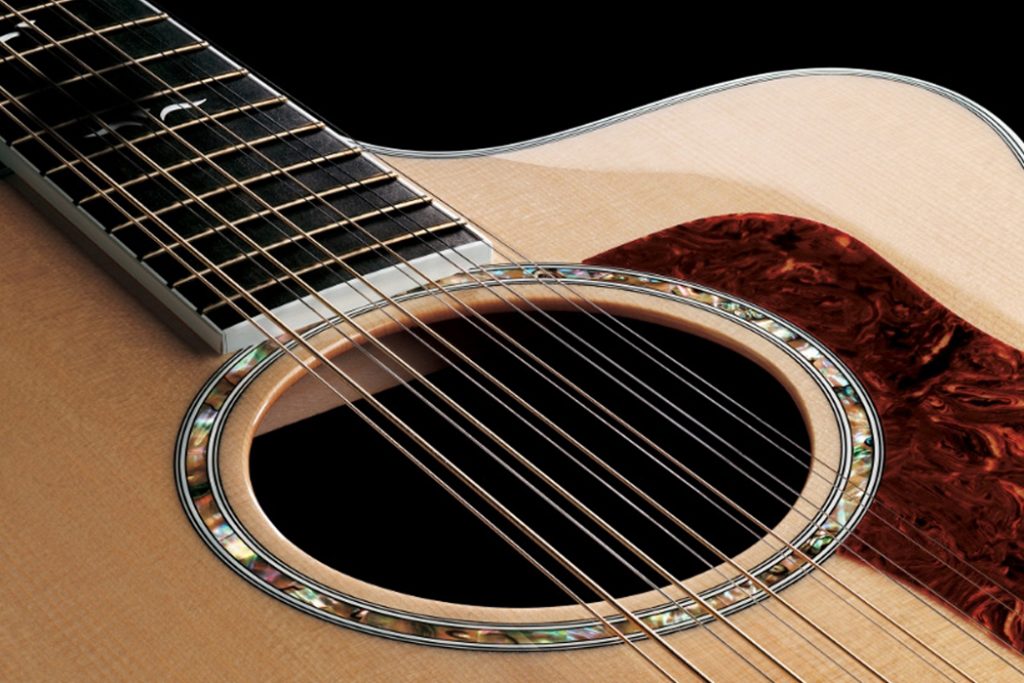
New Versus Used: Which Offers Better Value?
A new 12-string guitar gives you a warranty and a clear return policy. You can also choose the exact finish, electronics, and body style. The main drawback is faster depreciation after purchase.
A used guitar can save 20% to 50% compared with a similar new model. Some used instruments have already had their setup work completed. A mature solid-wood guitar may also have a warm, open tone.
However, used buying requires caution. I have found that the biggest mistake buyers make is judging only by a guitar’s appearance. A clean finish can hide a warped neck, loose bridge, or expensive repair.
Use this checklist when inspecting a used guitar:
- Look down the neck from the headstock toward the bridge.
- Check for severe forward bowing or twisting.
- Press each string at every fret to find buzzing.
- Inspect the bridge for lifting.
- Check the top for cracks near the bridge and soundhole.
- Test every tuner and electronic control.
- Confirm that the guitar holds tuning.
- Ask whether the instrument has had repairs.
If possible, have a guitar technician inspect the instrument before you pay. A small inspection fee can prevent a large repair bill.

Extra Costs to Include in Your Budget
The purchase price is only part of the total cost. A 12-string guitar needs more accessories and maintenance than many beginners expect.
Plan for these possible expenses:
• Hard case: $80 to $300
• Gig bag: $30 to $150
• Professional setup: $60 to $150
• New string set: $12 to $30
• Clip-on tuner: $10 to $30
• Strap: $15 to $60
• Capo: $15 to $50
• Pickup installation: $100 to $300 or more
• Humidifier: $15 to $40
A setup is especially important for a 12-string. The technician may adjust the truss rod, saddle, nut, and intonation. A properly adjusted guitar can feel dramatically easier to play.
Strings also cost more because you replace twelve of them. Many players change strings every few months, but the timing depends on sweat, playing time, string type, and sound preference.

Is a 12-String Guitar Worth the Money?
A 12-string guitar is worth the money if you enjoy its wide, shimmering sound. Each pair of strings creates natural doubling, which can make simple chords sound full and spacious.
It works especially well for:
• Folk music
• Acoustic rock
• Country
• Pop songwriting
• Worship music
• Fingerstyle arrangements
• Studio rhythm parts
The main limitation is playability. The neck is wider, the strings require more pressure, and tuning takes longer. Beginners may find that a 12-string feels tiring during long practice sessions.
A useful approach is to start with a six-string guitar if you are completely new to guitar. Once your hand strength and chord skills improve, a 12-string can become an exciting second instrument.
For experienced players, the answer to how much is a 12-string guitar should include the value of inspiration. If the sound makes you want to pick up the instrument every day, it may be worth more than a cheaper guitar that stays in its case.
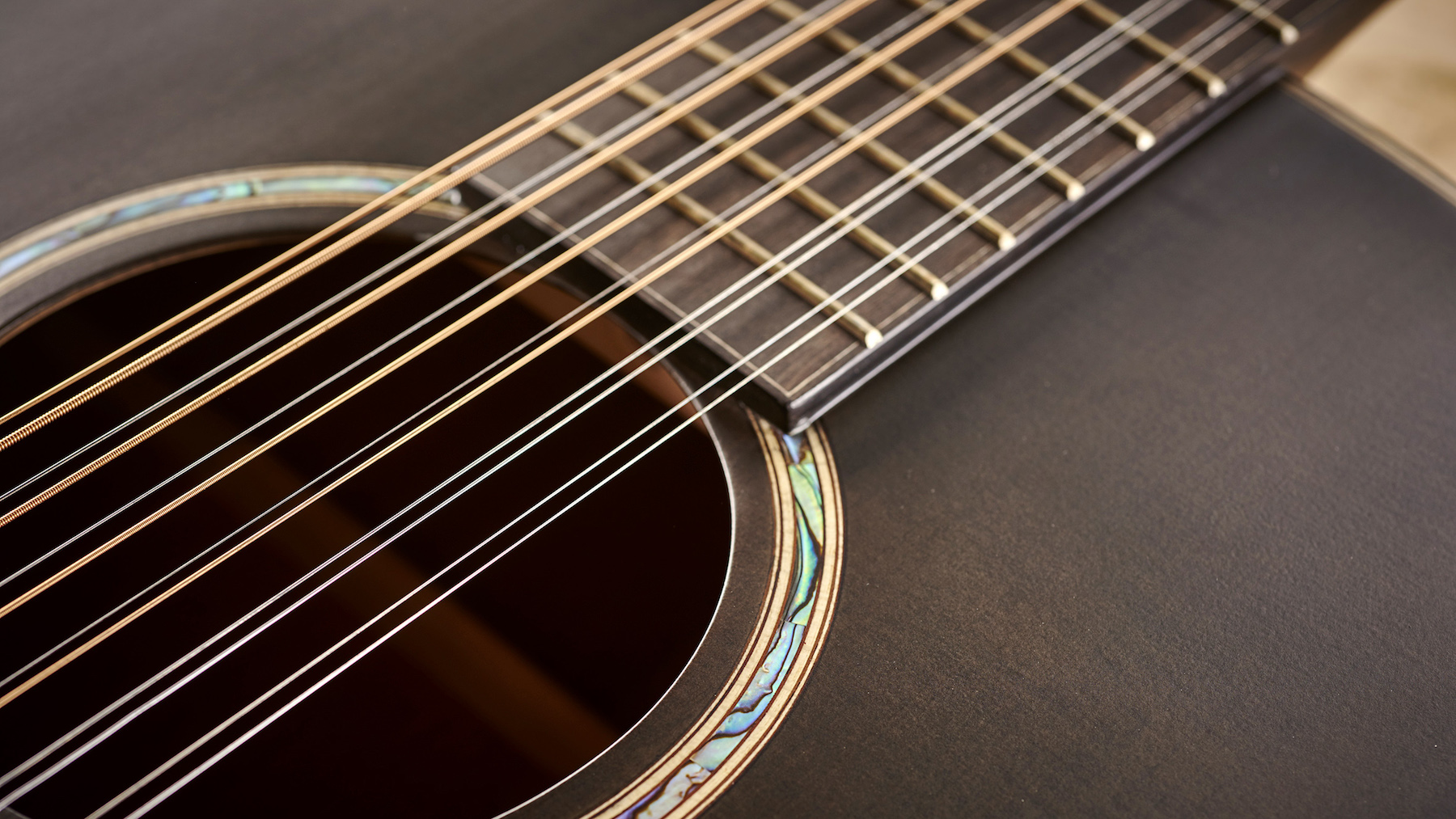
How to Choose the Right 12-String Guitar
Start with your playing goals. Do you want to strum at home, perform on stage, record music, or collect instruments? Your answer will narrow the choices quickly.
Choose your body style
Common body shapes include dreadnought, jumbo, concert, and auditorium.
• Dreadnought: Loud, strong bass, and useful for strumming
• Jumbo: Big volume and a broad tonal range
• Concert: Smaller and often more comfortable
• Auditorium: Balanced sound for strumming and fingerpicking
A larger body can produce more volume, but it may feel uncomfortable for smaller players. Comfort matters because a guitar that hurts your shoulder or wrist will not get much use.
Check the neck and string action
String action is the distance between the strings and frets. High action can make chords feel hard to press. Low action can feel fast, but it may create buzzing if the setup is poor.
When testing a guitar, play:
• Open chords
• Barre chords
• Single notes
• Fingerpicked patterns
• The highest accessible frets
Do not judge the guitar after playing one chord. Spend at least ten minutes with it if the store allows. Your hands will notice problems that your eyes cannot.
Consider tuning stability
A 12-string must keep twelve strings in tune. Quality tuning machines help, but proper string installation matters too. Some players use lighter strings to reduce tension and make tuning easier.
Always follow the manufacturer’s recommended string gauge. Using overly heavy strings can increase stress on the neck, bridge, and top.
Best Ways to Save Money on a 12-String Guitar
You do not need to spend thousands of dollars to get a pleasing 12-string tone. Smart shopping can help you stay within budget.
Try these strategies:
• Compare new and used prices.
• Shop during holiday sales and seasonal promotions.
• Consider last year’s model.
• Choose a solid-top guitar instead of an all-solid model.
• Buy a guitar with a minor cosmetic mark if the structure is sound.
• Ask whether a store includes a setup.
• Compare the full package, including case and electronics.
• Test several guitars before choosing one.
Avoid buying only because a guitar has a famous logo. A less expensive guitar with a comfortable neck may serve you better than a costly model that fights your hands.
You can also save by buying a model without electronics if you do not perform. Adding a pickup later may be cheaper than paying for a premium factory system you will rarely use.

Common Mistakes When Buying a 12-String Guitar
The first mistake is ignoring comfort. Many players become excited by the sound and forget that a large body and twelve strings can demand more from the hands.
The second mistake is skipping a setup. Even a well-made guitar may need adjustment after shipping or changes in climate. A poor setup can make buyers think the instrument itself is defective.
The third mistake is choosing the wrong strings. Heavy strings may produce strong volume, but they can also make the guitar harder to play and increase tension. Use the gauge recommended by the manufacturer or a qualified technician.
Another mistake is failing to protect the guitar from dry air. Acoustic guitars can crack when humidity drops too low. Store the instrument in a case and use a soundhole humidifier when needed, especially during dry winters.
Frequently Asked Questions About How Much Is a 12-String Guitar
How much is a good beginner 12-string guitar?
A good beginner 12-string guitar usually costs about $200 to $500. Look for a comfortable neck, stable tuners, decent fretwork, and a solid spruce top if your budget allows.
Is a 12-string guitar more expensive than a six-string guitar?
A 12-string guitar is often more expensive because it requires extra tuners, strings, stronger construction, and careful setup. However, entry-level 12-string models can still cost less than many mid-range six-string guitars.
How much does it cost to restring a 12-string guitar?
A 12-string set commonly costs $12 to $30, depending on the brand and material. If a technician installs the strings, labor may add another $15 to $40.
Are cheap 12-string guitars worth buying?
A cheap 12-string can be worth buying for casual use, but inspect its setup and construction carefully. A low-cost guitar with high action or unstable tuning may become frustrating and expensive to repair.
Do 12-string guitars need special maintenance?
Yes. They need regular tuning, suitable strings, neck checks, and humidity control. A professional setup can also help protect the bridge, neck, and intonation.
Can beginners play a 12-string guitar?
Beginners can play a 12-string guitar, but the wider neck and extra string tension may feel challenging. Learning basic chords on a six-string first can make the transition easier.
What is the best price for a 12-string guitar?
For many players, $400 to $800 offers the best balance of quality, playability, and value. Your ideal price still depends on whether you need stage electronics, premium wood, or a professional build.
Conclusion
The answer to how much is a 12-string guitar ranges from about $150 for a basic model to $3,000 or more for a professional or custom instrument. Most buyers can find a reliable choice between $300 and $800, especially when they compare construction, setup, electronics, and used prices.
Focus on comfort, tuning stability, and condition rather than the brand name alone. Set aside money for a case, strings, and a professional setup so your guitar performs at its best. Try several models in person, choose the one that makes you want to play, and explore more guitar-buying guides before making your final decision.