

Hold the guitar with the neck pointing right, the body resting on your left leg, and your left hand fretting the strings.
Learning how to hold guitar left handed is the first step toward clean chords, easy rhythm, and relaxed practice. The position may feel unusual at first, but a few small adjustments can make the instrument feel natural. This guide explains the correct posture, hand placement, strap setup, common mistakes, and simple ways to build comfort.
What does left-handed guitar position mean?
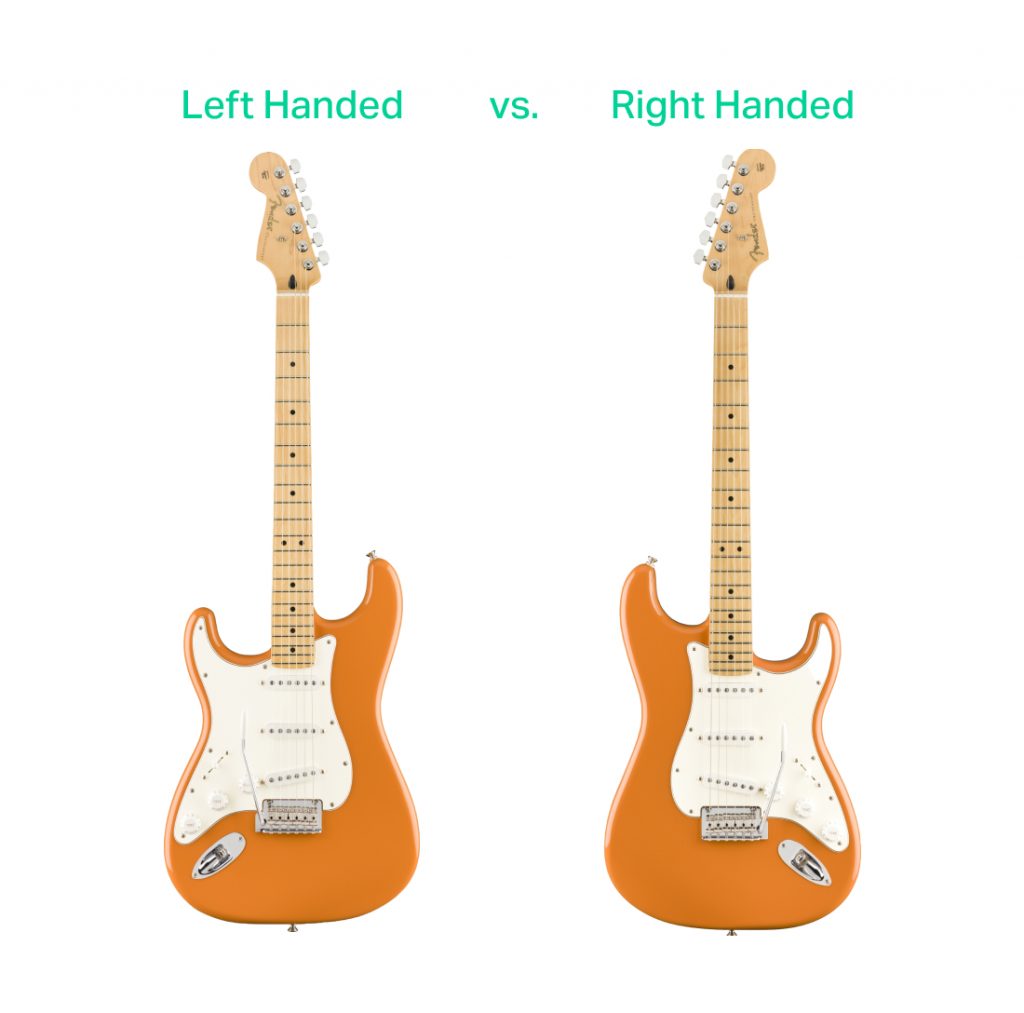
A left-handed guitarist usually holds the guitar with the neck pointing to the right. The right hand strums or picks near the sound hole or pickups, while the left hand presses the strings against the fretboard.
This is the mirror image of the common right-handed position. A left-handed guitar is also built for this setup, with its strings, bridge, nut, and body shape arranged to support left-handed playing.
When learning how to hold guitar left handed, remember this simple rule:
• Your left hand controls the notes and chords.
• Your right hand controls strumming and picking.
• The guitar body rests against your torso.
• The neck points slightly upward and to your right.
A standard right-handed guitar can sometimes be restrung for left-handed use, but this is not always a perfect solution. The nut, bridge angle, body cutaway, and internal bracing may still suit right-handed playing.
Step-by-step: how to hold guitar left handed
Follow these steps while sitting in a stable chair. Keep both feet on the floor and let your shoulders stay loose.
Sit near the front of the chair. Avoid leaning far back.
Rest the guitar body on your left thigh. Classical players often use the left leg, while many casual players use the right leg. Choose the position that keeps the neck stable and your wrists relaxed.
Hold the guitar close to your chest and stomach. It should touch your body without being squeezed tightly.
Point the neck to your right. Raise it slightly so the headstock sits above the guitar body.
Place your left thumb behind the neck. Keep it near the center of the neck instead of wrapping it tightly over the top.
Curve your left fingers over the fretboard. Press the strings with your fingertips, close to the metal fret.
Let your right forearm rest lightly over the guitar body. Your right hand should sit above the sound hole on an acoustic guitar or above the pickups on an electric guitar.
Keep your right wrist straight and relaxed. Use small movements when strumming.
The guitar should feel balanced even when you briefly relax your hands. If it slides, moves away from your body, or forces your shoulders up, adjust the guitar angle.

The best sitting posture for left-handed players
Good posture helps your hands work with less effort. Sit with your back tall but not stiff. Your shoulders should hang naturally, much like they do when you walk.
Keep your chest open and avoid bending your head sharply toward the fretboard. You can look down with your eyes instead of folding your whole neck.
Use these posture checks:
• Both feet should feel steady on the floor.
• Your left elbow should hang under the neck.
• Your right shoulder should remain lower than your ear.
• The guitar neck should point slightly upward.
• Your wrists should not bend sharply.
• The guitar should stay close to your body.
When learning how to hold guitar left handed, many beginners focus only on the hands. The lower body matters too. A stable leg and relaxed back give your hands a steady base, like a tripod supporting a camera.
For classical guitar, a footstool or guitar support can raise the instrument. For rock, folk, and pop, most players use a more relaxed position with the guitar on the left or right thigh.

How to place your left hand on the fretboard
Your left hand forms chords and plays single notes. Start by placing your thumb behind the neck. The thumb should provide gentle support, not a hard clamp.
Keep your fingers curved. Press each string with the tip of the finger, just behind the fret wire. This position usually creates a clear note with less pressure.
Try this simple test:
Place your first finger behind the first fret.
Press one string at a time.
Pick each note with your right hand.
Listen for buzzing or muted sound.
Move your finger closer to the fret and try again.
Do not press harder than needed. Too much pressure can tire your hand and pull the note sharp. This is one of the most useful lessons when practicing how to hold guitar left handed.
Your thumb may move as you play. That is normal. Keep it relaxed and let it shift when a chord or scale requires more reach.
How to place your right hand for strumming
Your right arm creates the rhythm. Let your forearm rest on the upper edge of the guitar body. The exact spot depends on the guitar’s shape, but it should feel supported rather than pinned down.
Place your right hand over the sound hole on an acoustic guitar. On an electric guitar, position it between the neck pickup and bridge pickup, depending on the sound you want.
For basic strumming:
• Keep the wrist loose.
• Hold the pick between your thumb and index finger.
• Let only a small part of the pick extend.
• Move from the wrist, not the whole arm.
• Strum through the strings with even motion.
Your first strums may sound uneven. That is normal. Focus on smooth movement before trying fast patterns.
When learning how to hold guitar left handed, avoid turning your right wrist inward too far. A bent wrist can cause pain and makes steady rhythm harder.

Using a guitar strap while standing
A strap can make how to hold guitar left handed feel easier when you play standing. Attach the strap to both strap buttons. On some acoustic guitars, the second button may be near the neck joint or headstock.
Adjust the strap so the guitar sits close to the same height as it does when you sit. This helps your hands remember the same angles.
A good standing position includes:
• The guitar body resting near your waist or upper hip.
• The neck pointing slightly upward.
• Your left elbow free to move.
• Your right arm able to strum without reaching.
• Your feet spaced about shoulder-width apart.
Do not let the guitar hang too low just because it looks stylish. A very low guitar can force your left wrist to bend and make chords harder. Comfort and control matter more than appearance.

Left-handed guitar setup and string direction
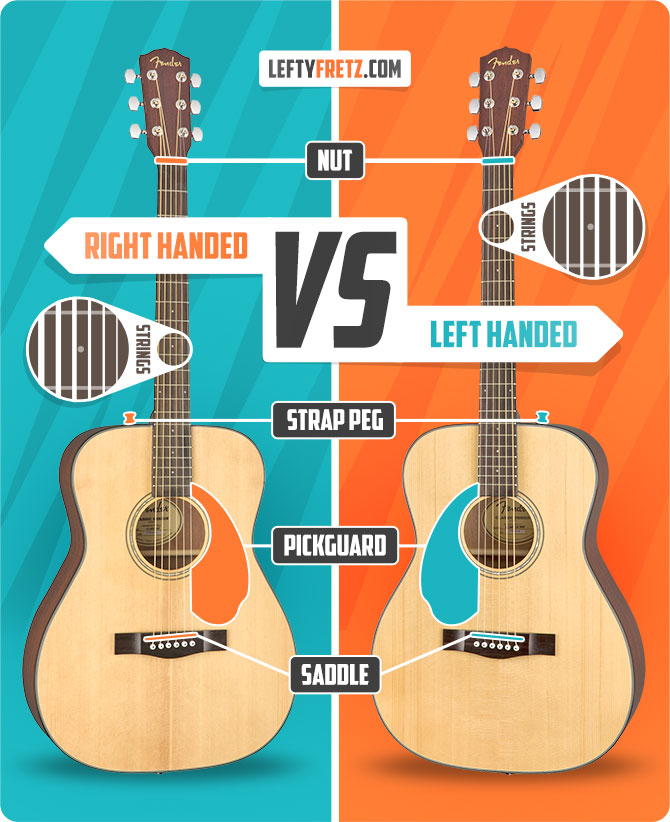
A true left-handed guitar has its strings arranged for left-handed playing. On a six-string guitar, the thickest string sits along the upper edge of the neck, while the thinnest string sits along the lower edge.
From your playing position, the strings should run from thick to thin in the same functional order as a right-handed guitar, but mirrored across the instrument.
If you buy a right-handed guitar and flip it over, several problems can occur:
• The strings may sit in the wrong order.
• The nut slots may not fit the strings.
• The bridge may have the wrong angle.
• The cutaway may be on the less useful side.
• The controls may feel awkward on an electric guitar.
A guitar technician can often convert some instruments, but the cost and quality of the result vary. Before buying, check whether the instrument is labeled left-handed rather than simply looking at its body shape.

Common mistakes to avoid
Small posture errors can slow your progress. The good news is that most are easy to fix.
Holding the neck too flat
A completely flat neck can make your wrist bend more. Raise the headstock slightly and let the neck angle upward.
Squeezing the guitar
A tight grip creates tension in your arms and shoulders. Let your leg and body support the guitar instead.
Wrapping the thumb too tightly
Some styles use the thumb over the neck, but beginners should first learn a relaxed thumb position behind the neck.
Bending the wrist sharply
A bent wrist may cause discomfort. Move your elbow under the neck and bring the guitar closer to your body.
Looking down for every note
Use short glances to check your fingers, then return your eyes to a neutral position. This helps you develop touch and muscle memory.
Choosing a guitar that is too large
A large dreadnought acoustic may feel difficult for a small player. Try a concert, parlor, or smaller-body guitar if the instrument feels hard to control.
These corrections make how to hold guitar left handed more comfortable and can help prevent avoidable strain.

How to practice the position
You do not need to play a full song to improve your guitar position. Short, focused practice works well.
Start with a five-minute setup routine:
Sit or stand with the guitar in position.
Relax your shoulders and hands.
Play open strings slowly.
Form one easy chord, such as A minor or E minor.
Strum four slow beats.
Release the chord and shake out your hands.
Repeat with one more chord.
During practice, check your body every few minutes. Ask yourself whether your shoulders are raised, your wrist is bent, or the guitar has slipped.
A useful teaching habit is to record a short video from the front and side. The video can reveal posture problems that are hard to notice while playing. Many new left-handed players discover that the guitar slowly rotates away from the body as they focus on chord changes.

Should you learn left handed or right handed?
Hand preference is not the only factor. Some people naturally prefer left-handed guitar because their left hand feels more precise. Others learn right handed because they already have access to more instruments, lessons, and learning materials.
Consider these points:
• Which hand feels more natural for detailed movement?
• Which position feels more balanced?
• Can you find a suitable guitar in your budget?
• Are most of your favorite lessons designed for one orientation?
• Do you already play another instrument?
There is no universal rule that left-handed people must play left handed. A short trial with both orientations can help. Try holding a guitar without thinking about technique and notice which position feels less forced.
The best choice is the one that lets you practice often and comfortably. A good fit matters more than following a label.
Comfort, pain, and safe practice
Mild fingertip soreness is common when you begin. Sharp pain, numbness, tingling, or lasting wrist pain is not something to ignore.
Stop playing if you feel unusual pain. Rest, check your posture, and consider whether the guitar action is too high. Action is the distance between the strings and fretboard, and high action can make fretting much harder.
A qualified guitar technician can inspect the instrument. A medical professional or physical therapist can help with ongoing hand, wrist, shoulder, or neck symptoms.
Use these safe habits:
• Take a short break every 20 to 30 minutes.
• Stretch gently without forcing your fingers.
• Keep practice slow when learning new movements.
• Avoid gripping the neck with maximum force.
• Check that your chair and strap support the guitar.
The goal of how to hold guitar left handed is not only better sound. It is also a position you can use for years without unnecessary strain.
How long does it take to feel natural?
Most beginners need several practice sessions before the position feels familiar. Chords may feel awkward for a few weeks because your hands are learning new angles and movements.
Practice for 10 to 20 minutes each day instead of forcing one long session. Consistent practice helps your body build a clear movement pattern.
Can I play a right-handed guitar left handed?
You can physically flip some right-handed guitars, but the string order and hardware may not work correctly. A left-handed guitar is usually the better choice because its nut, bridge, controls, and body design match the playing position.
Which leg should hold a left-handed guitar?
Many left-handed players rest the guitar on the left thigh, especially in a classical position. Others use the right thigh for a casual style, so choose the leg that keeps the neck stable and your wrists comfortable.
Frequently Asked Questions About How to Hold Guitar Left Handed
How should a left-handed person hold an acoustic guitar?
Hold the guitar with the neck pointing to the right and the body resting against your torso. Your left hand should fret the strings, while your right hand strums near the sound hole.
Is the thickest guitar string at the top for left-handed players?
Yes. In a normal left-handed playing position, the thickest string is along the upper edge of the neck, closest to your face. The thinnest string is along the lower edge.
Should a left-handed guitarist use a left-handed guitar?
A left-handed guitar is usually the easiest and most comfortable option. It has the correct string layout, nut, bridge, and controls for left-handed playing.
Can I learn how to hold guitar left handed on a right-handed guitar?
You can experiment with a right-handed guitar, but flipping it may create setup problems. The strings, bridge, and nut may not support accurate tuning or comfortable playing.
Why does my left wrist hurt while playing guitar?
Wrist pain can come from a bent wrist, a high guitar position, excess thumb pressure, or long practice sessions. Stop if the pain is sharp or persistent, then review your posture and seek professional advice if needed.
Should the guitar neck point upward or stay level?
A slight upward angle usually helps your left hand reach the frets with less wrist bend. Keep the angle modest and adjust it until the position feels natural.
How tight should I hold the guitar?
Use only enough pressure to keep the instrument stable. Your leg, torso, and strap should support the guitar so your hands can stay relaxed.
Conclusion
Learning how to hold guitar left handed starts with a stable body, a relaxed grip, and the neck pointing to your right. Rest the guitar securely, keep your wrists comfortable, place your left thumb behind the neck, and let your right wrist guide the rhythm.
Practice the position before chasing speed. A few minutes of careful setup can improve your sound, reduce tension, and build strong habits from the start. Pick up your guitar today, check each posture point, and leave a comment with the position that feels most comfortable for you.