

A good vocal microphone matches your voice, recording space, budget, and preferred sound—not simply the highest price.
Choosing a good microphone for recording vocals takes more than picking a famous brand. The right mic can make your voice sound clear, warm, bright, or powerful, while the wrong one may highlight harsh tones and room noise. After comparing condenser and dynamic microphones in home studios and professional setups, I’ve found that microphone choice matters, but placement, room treatment, and recording technique matter just as much.
What Makes a Good Microphone for Recording Vocals?
A good microphone for recording vocals captures the natural character of your voice without adding unwanted noise, harshness, or distortion. It should also suit your room, music style, vocal range, and recording equipment.
Most vocal microphones use one of two main designs:
- Condenser microphones capture fine detail and a wide range of vocal tones. They are common in studios and home recording setups.
- Dynamic microphones are tough, less sensitive, and often better for untreated rooms or loud singers.
- USB microphones connect directly to a computer, while XLR microphones need an audio interface or mixer.
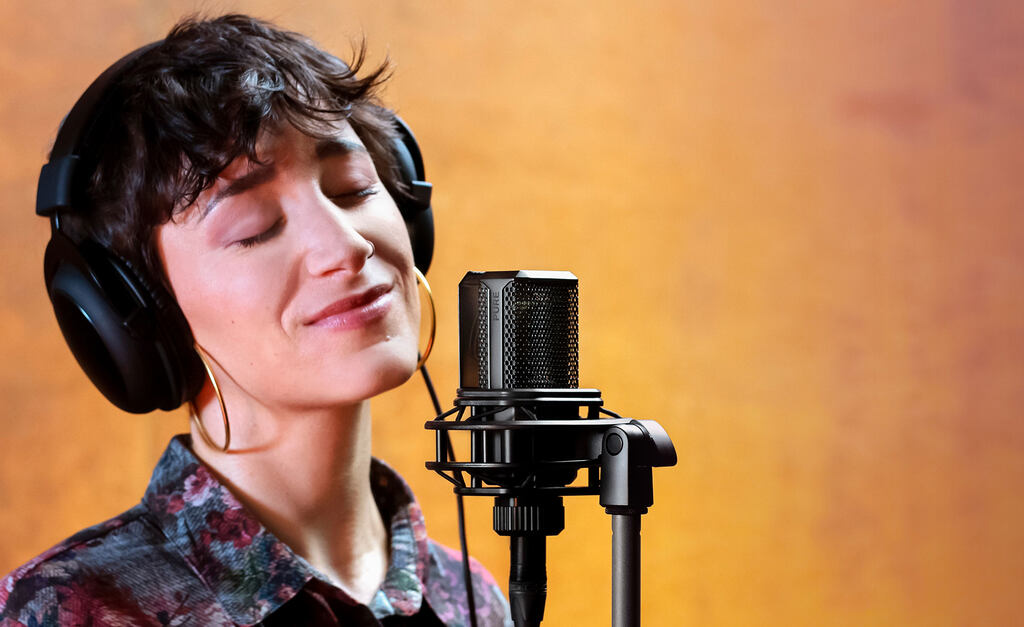
A microphone does not need to be expensive to sound good. A $100 microphone in a quiet, treated room can sound better than a $1,000 microphone placed beside a noisy window.
The best choice also depends on your voice. A bright microphone may help a deep or dark voice cut through a mix. A warm microphone may suit a thin or sharp voice. This is why there is no single good microphone for recording vocals that works perfectly for everyone.

Condenser vs. Dynamic Microphones for Vocals
Condenser microphones
Condenser microphones are popular for lead vocals because they capture small details in the voice. They can reveal breath, vocal texture, soft consonants, and subtle changes in volume.
Most large-diaphragm condenser microphones need 48-volt phantom power. You can supply this power through an audio interface, mixer, or some USB microphones.
Condenser microphones work well for:
- Pop vocals
- R&B and soul
- Acoustic singers
- Voiceovers
- Podcasting
- Soft and detailed vocal performances
Their main weakness is sensitivity. A condenser mic can also capture computer fans, traffic, air conditioning, and room reflections. If your room is untreated, that detail may make the recording sound less polished.
Dynamic microphones
Dynamic microphones use a different design. They are less sensitive than condensers, so they often reject more background noise and room sound.
A dynamic mic can be a good microphone for recording vocals when your room has echo or outside noise. It also works well for loud singers, rock vocals, rap, live performances, and aggressive vocal styles.
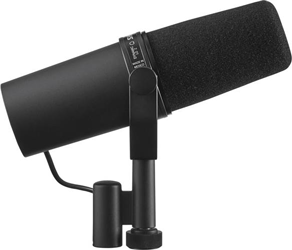
Popular dynamic vocal microphones include the Shure SM58, Shure SM7B, Electro-Voice RE20, and Sennheiser e835. Some need a strong preamp, so check your audio interface before buying.
USB vs. XLR microphones
USB microphones are simple. You plug one into your computer and start recording. They are useful for beginners, streaming, demos, podcasts, and small home studios.
XLR microphones offer more flexibility. You can change the audio interface, preamp, cables, and other equipment as your skills grow. An XLR setup also makes sense if you plan to record instruments or more than one person.
For the cleanest upgrade path, an XLR microphone is usually the better long-term choice. For speed and simplicity, USB is hard to beat.

The Best Microphone Types for Different Vocal Styles
Your music style can guide your choice. A soft indie singer may need a sensitive condenser, while a loud rock singer may sound stronger through a dynamic microphone.
Pop and R&B vocals
A large-diaphragm condenser is often a strong choice for pop and R&B. It can capture breathy details, smooth harmonies, and small changes in vocal tone.
Good options include:
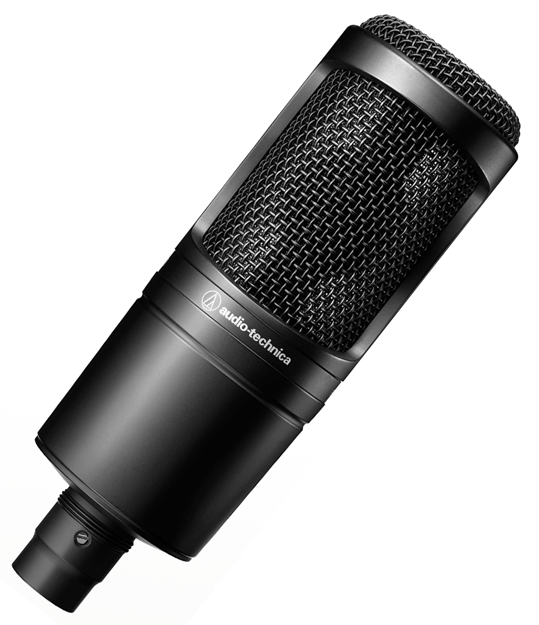
- Audio-Technica AT2020 for a low-cost studio setup
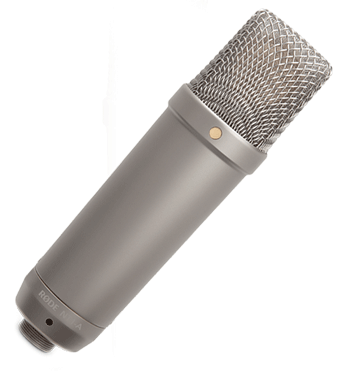
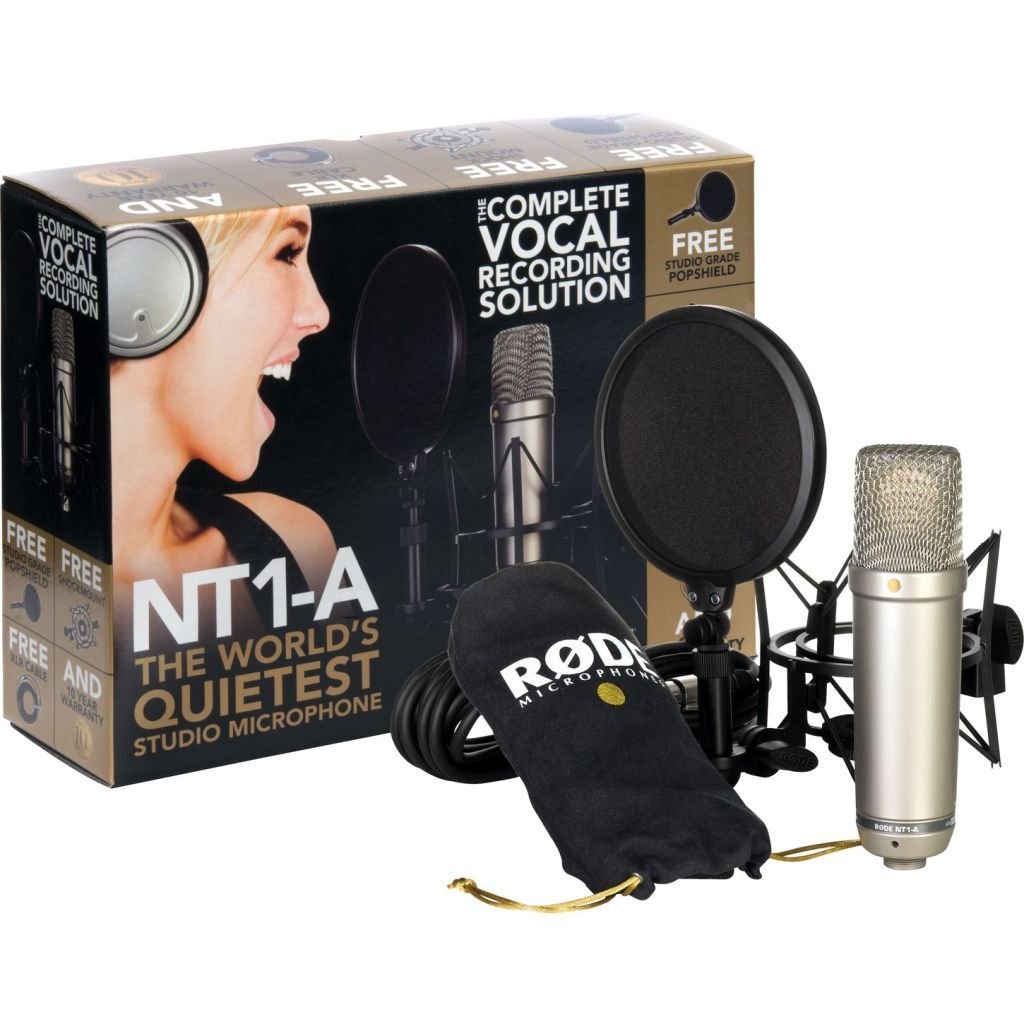
- Rode NT1 for a quiet, detailed recording
- Aston Origin for a clear and open vocal sound
- Neumann TLM 103 for a premium, highly detailed sound
Rap and hip-hop vocals
Rap vocals need clarity, strong midrange detail, and good control of loud peaks. A condenser can deliver a polished sound, but a dynamic microphone may work better in a noisy home room.
The Shure SM7B is widely used for spoken word and aggressive vocals. It has a smooth top end and can reduce some room sound, but it needs plenty of clean gain.
Rock and metal vocals
Rock singers often benefit from a dynamic microphone. These microphones can handle high sound pressure levels and strong vocal attacks.
The Shure SM58 is a reliable starting point. It is affordable, durable, and forgiving. It may not sound as detailed as a studio condenser, but it can produce a focused vocal that sits well in a loud mix.
Acoustic and folk vocals
A condenser microphone usually captures the gentle detail needed for folk and acoustic music. You can hear finger noise, soft breaths, and changes in vocal pressure.
Use a pop filter and keep the microphone at a steady distance. A quiet room is especially important because soft performances leave more space for background noise.
Recommended Microphones for Recording Vocals
The following microphones cover several budgets and recording needs. The best microphone for recording vocals from this list depends on your room, voice, and setup.
Audio-Technica AT2020
The AT2020 is one of the most common entry-level condenser microphones. It offers clear detail at a modest price and works with many audio interfaces.
It can sound bright on some voices, especially if the singer already has strong “s” sounds. A pop filter and careful microphone angle can help control that issue.
It is a strong choice for:
- Beginners
- Home studios
- Voiceovers
- Acoustic vocals
- General-purpose recording
Rode NT1
The Rode NT1 is known for its low self-noise and smooth sound. Low self-noise matters when recording quiet vocals because the microphone adds less hiss to the track.
The current NT1 line includes versions with XLR and USB features, depending on the model. Check the exact version before buying so you know whether it fits your setup.
For many singers, the NT1 is a good microphone for recording vocals because it offers studio-style detail without reaching the price of premium microphones.
Shure SM58
The SM58 is a classic dynamic microphone. It is built for demanding use and has a focused midrange that can make vocals sound strong.
It is less sensitive to room reflections than many condensers. That makes it useful in bedrooms, untreated spaces, rehearsal rooms, and live settings.
The SM58 is not flashy, but it teaches an important lesson: a simple microphone used well can outperform a costly microphone used poorly.
Shure SM7B
The SM7B has a smooth, controlled sound. It is often used for broadcast vocals, podcasts, rap, rock, and spoken word.
It needs a powerful, quiet preamp. Some audio interfaces can drive it directly, while others may need an inline gain booster. Do not buy the microphone without checking your interface’s available gain.
The SM7B is a good microphone for recording vocals when you want a controlled sound and reduced room detail. It may sound too quiet or dull if your preamp cannot provide enough clean gain.
Neumann TLM 103
The TLM 103 is a premium large-diaphragm condenser. It offers high sensitivity and a detailed upper range.
This type of microphone can sound excellent on voices that need air and presence. However, it may also emphasize sibilance or room problems. A high price does not guarantee a perfect match for every singer.
How Much Should You Spend on a Vocal Microphone?
You can record useful vocals at almost any budget, but your full setup matters more than the microphone alone.
Under $150
At this level, consider microphones such as the Audio-Technica AT2020, Shure SM58, or similar entry-level models.
Spend part of your budget on:
- A stable microphone stand
- A pop filter
- A proper XLR cable
- Basic room treatment
- Headphones
Between $150 and $500
This range offers many strong home-studio choices. You can find quieter condensers, smoother dynamic microphones, and USB/XLR models with useful features.
A good microphone for recording vocals in this range may provide lower noise, better build quality, and a more refined frequency response. Still, test the microphone with your own voice when possible.
Above $500
Premium microphones can offer excellent detail, low noise, and carefully tuned sound. They make the most sense when you already have:
- A quiet room
- A quality audio interface
- Good monitoring headphones or speakers
- Basic acoustic treatment
- Strong microphone technique
Buying an expensive microphone before fixing a noisy room is like buying a high-end camera and leaving the lens covered in dust.
Room Acoustics Matter More Than Many Buyers Expect
Your room affects the recording before the audio reaches the microphone. Hard walls, bare floors, windows, and ceilings can reflect sound back into the mic.
These reflections create a boxy, hollow, or distant tone. Equalization cannot always remove them because the room sound is mixed into the original recording.
You do not need a perfect professional studio. Try these practical steps:
- Record away from corners.
- Keep the microphone several inches from walls.
- Place thick curtains over large windows.
- Add a rug to reduce floor reflections.
- Use a bookshelf with uneven surfaces to scatter sound.
- Hang heavy blankets behind and beside the singer.
- Turn off fans, air conditioners, and loud computers.
A cardioid microphone captures sound mainly from the front and rejects some sound from the rear. However, cardioid does not mean room-proof. It still hears reflections from the sides and front of the singer.
In my own testing, moving a microphone just a few inches often changed the recording more than switching between two microphones in the same price range. Small placement changes can be surprisingly powerful.
Vocal Microphone Placement and Technique
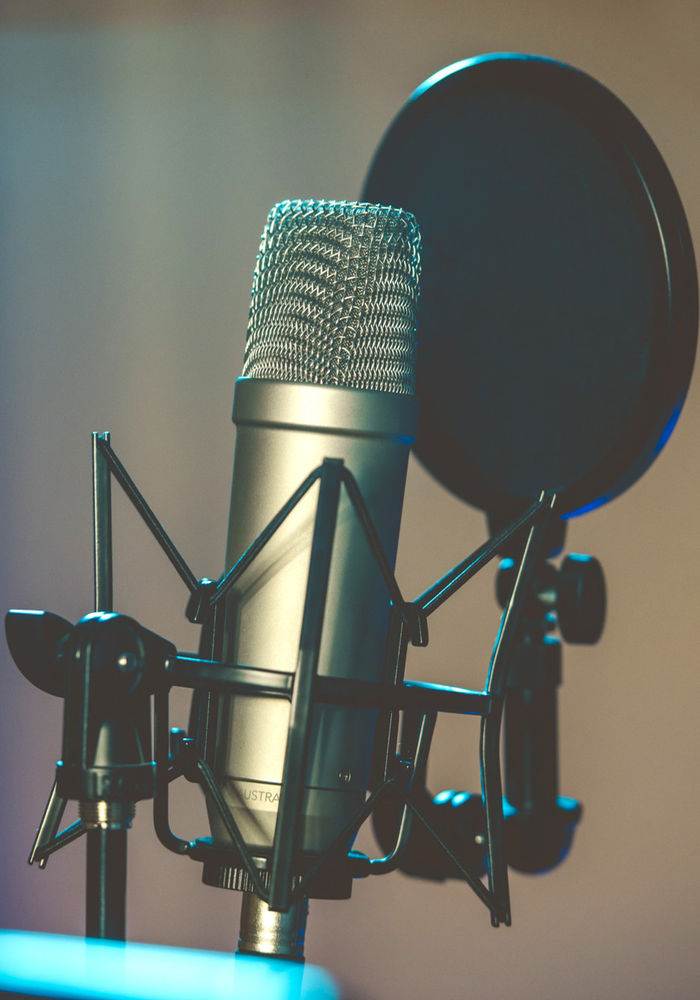
Even the best microphone for recording vocals can sound poor if you place it incorrectly. Start with the singer’s mouth about 6 to 10 inches from the microphone, then adjust by ear.
Use a pop filter about 2 to 4 inches in front of the microphone. The singer should stand a few inches behind the filter.
Try these techniques:
- Aim the microphone slightly above or below the mouth to soften harsh consonants.
- Move farther away for loud passages.
- Stay closer for a warmer, more intimate sound.
- Keep the singer centered in front of the capsule.
- Avoid turning the head too much while singing.
- Record a short test before starting the full take.
The “proximity effect” increases bass when you move close to many directional microphones. This can create warmth, but too much distance change can make the vocal tone uneven.
Sibilance is another common problem. These are sharp “s,” “sh,” and “ch” sounds. Turning the microphone slightly off-axis can reduce sibilance without removing all the vocal brightness.
One mistake I often see is placing the singer too close because the vocal sounds exciting in headphones. The recording may then become boomy, muddy, or full of popping sounds. A little distance usually gives you more control during mixing.
Other Equipment You Need
A microphone is only one part of a vocal recording chain. A basic XLR setup usually includes:
- Microphone
- Audio interface
- XLR cable
- Microphone stand
- Pop filter
- Closed-back headphones
- Recording software
Your audio interface converts the microphone signal into digital audio. It also provides preamp gain and, for condenser microphones, phantom power.
Use phantom power only when your microphone requires it. Most modern studio condensers need 48 volts. Dynamic microphones usually do not, though supplying phantom power to a balanced dynamic microphone is normally harmless.
Do not ignore the stand. A weak stand can slowly fall, create noise, or force the singer into an awkward position. Stable equipment helps the performer stay relaxed and consistent.
Closed-back headphones are useful during recording because they reduce sound leaking into the microphone. Keep the headphone volume comfortable. Very loud monitoring can cause ear fatigue and lead to poor performance choices.
Common Mistakes to Avoid
Buying a microphone based only on online popularity is one of the most common mistakes. A microphone that sounds smooth on one singer may sound harsh, thin, or muddy on another.
Avoid these errors:
- Choosing a condenser for a very noisy room without treating the space
- Buying an SM7B without enough preamp gain
- Recording without a pop filter
- Placing the microphone against a wall
- Using excessive software effects while recording
- Recording too close to the capsule
- Ignoring room reflections
- Assuming a higher price means a better vocal sound
Another mistake is recording too loudly. Leave enough headroom so loud notes do not clip. Digital clipping creates harsh distortion that is difficult to repair.
Record a test take first. Listen for noise, echo, plosives, sibilance, and distortion. Fix those problems before recording the final performance.
A Simple Buying Guide
Use this process to choose a good microphone for recording vocals:
- Decide whether you need USB or XLR.
- Listen to your room for echo and background noise.
- Identify your vocal style and vocal range.
- Choose condenser, dynamic, or a hybrid option.
- Check the microphone’s gain and power needs.
- Read frequency response information carefully.
- Look for a return policy when possible.
- Compare recorded samples made with a similar voice.
- Budget for a stand, pop filter, and cable.
- Test the microphone with your real singing voice.
If you can visit a music store, ask to test several microphones. Sing the same line into each one. Keep the distance and volume similar. The right microphone should make your voice easier to record, not force you to repair every problem later.
Frequently Asked Questions About a Good Microphone for Recording Vocals
What is a good microphone for recording vocals at home?
The Audio-Technica AT2020, Rode NT1, and Shure SM58 are strong home-recording choices. The best option depends on whether your room is quiet and treated or noisy and reflective.
Is a condenser or dynamic microphone better for vocals?
A condenser microphone usually captures more detail, while a dynamic microphone often rejects more room noise. Choose a condenser for a quiet space and a dynamic microphone for a loud or untreated room.
Can I record vocals with a USB microphone?
Yes, a USB microphone can record clear vocals without an audio interface. It is a convenient choice for beginners, although an XLR microphone offers more upgrade options over time.
Do I need an audio interface for a vocal microphone?
You need an audio interface for most XLR microphones. You do not need one for a USB microphone because the digital conversion and basic preamp are built into the microphone.
How far should I stand from a vocal microphone?
Start about 6 to 10 inches away, with a pop filter between you and the microphone. Move farther away when singing loudly and closer only when you can keep a steady position.
Is the Shure SM58 good for recording vocals?
Yes, the SM58 is a durable and reliable vocal microphone for studios, rehearsal spaces, live work, and untreated rooms. It may capture less fine detail than a condenser, but it can produce a focused and usable vocal sound.
Does an expensive microphone always sound better?
No. A costly microphone may reveal more detail, but it can also expose room problems and harsh vocal tones. Microphone placement, room acoustics, performance, and gain settings often matter more than price.
Conclusion
A good microphone for recording vocals should match your voice, room, music style, and equipment. Condenser microphones offer detail, dynamic microphones handle noisy spaces and loud performances well, and USB microphones provide a simple path into recording.
Start with a reliable microphone, a pop filter, a stable stand, and careful placement. Treat your room as much as your budget allows, record test takes, and listen before you commit to a full performance. Explore sample recordings, compare microphones in person when possible, and share your own vocal setup or questions in the comments.