

The best places to buy a used guitar are local music stores, trusted online marketplaces, pawn shops, and reputable guitar dealers.
Knowing where to buy used guitar can save you hundreds of dollars, but the seller matters as much as the instrument. After comparing prices, inspecting necks and electronics, and seeing how secondhand deals work in real life, I have found that the safest choice depends on your budget, skill level, and comfort with testing a guitar before purchase.

Where to Buy Used Guitar: The Best Options
There is no single best place to buy a used guitar. Each seller type offers a different balance of price, selection, service, and risk. Your ideal choice may be a local shop if you want expert help, or a large online marketplace if you want the widest range.
Here are the most useful places to consider:
• Local music stores
• Online guitar retailers
• Used gear marketplaces
• Pawn shops
• Guitar forums and community groups
• Estate sales and garage sales
• Direct sales from musicians
• Auction websites
The safest approach is to compare at least two or three sellers before you pay. A low price can be helpful, but a guitar that needs major repairs may cost more than a properly checked instrument from a store.
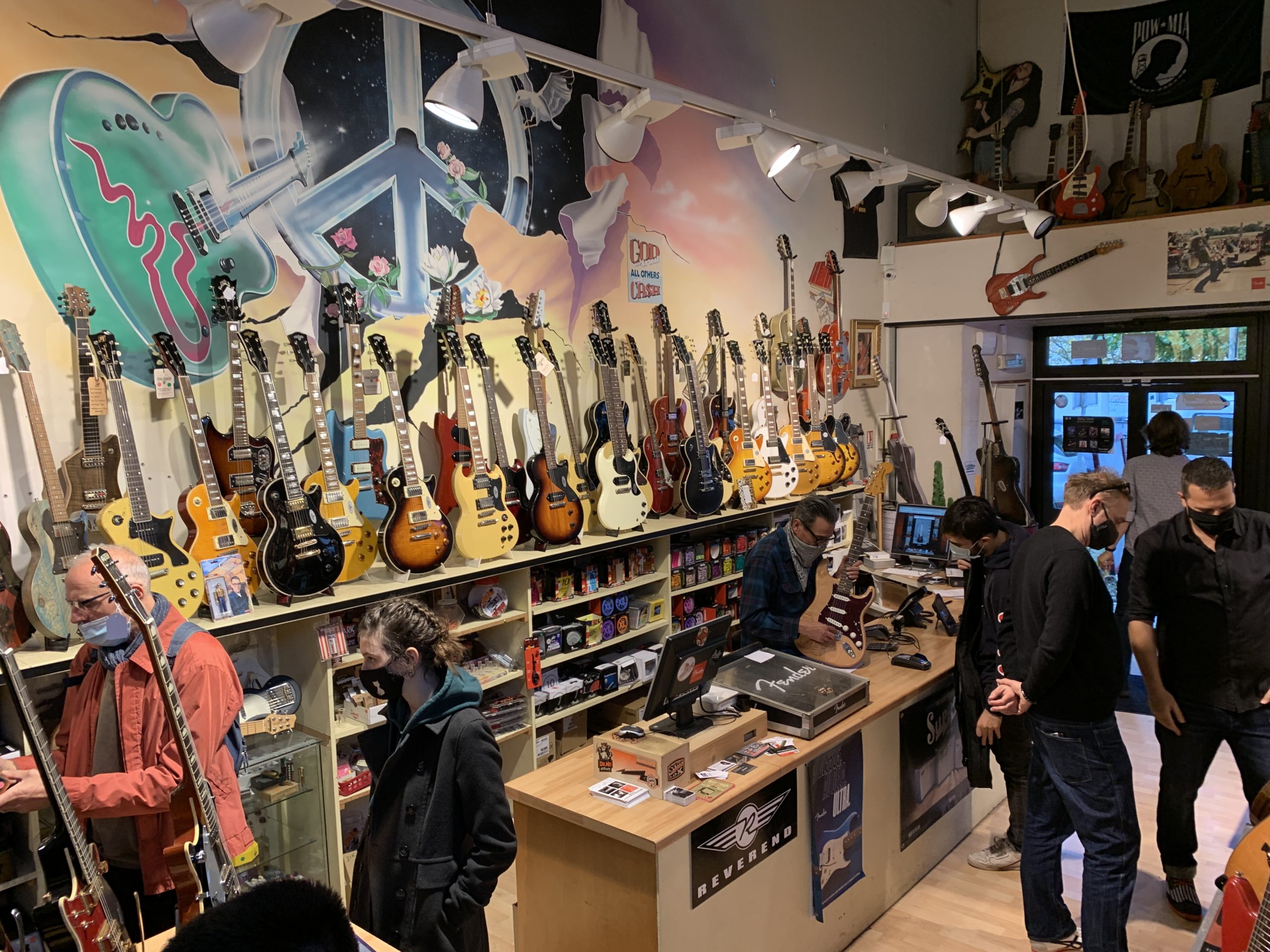
Buy a Used Guitar From a Local Music Store
A local music store is often the best answer for beginners asking where to buy used guitar. You can hold the instrument, play every fret, test the electronics, and ask a trained employee about its history.
Many stores inspect used guitars before putting them on the sales floor. They may also adjust the neck, replace old strings, clean the instrument, or repair loose hardware. These services add value and reduce the chance of buying a guitar with hidden problems.
Ask the store about its return policy and warranty. Even a short return period gives you time to test the guitar at home with your own amplifier.
Benefits of local guitar stores
• You can inspect and play the guitar before buying.
• Staff can explain the model, age, and condition.
• Basic setup work may already be complete.
• You may receive a short warranty or return period.
• You can compare several guitars in one visit.
• Local stores may offer trade-in value later.
Possible drawbacks
• Prices may be higher than private-sale prices.
• Selection depends on what is available locally.
• Popular models may sell quickly.
• Some stores may price vintage or rare guitars above market value.
In my experience, the extra cost at a good local shop can be worthwhile. A guitar that feels comfortable and works correctly is usually a better deal than a cheaper guitar that needs immediate repairs.
Buy a Used Guitar Online
Online retailers and marketplaces provide the largest selection. You can find beginner guitars, professional instruments, vintage models, left-handed guitars, basses, and specialty instruments from sellers across the country.
Reputable online guitar retailers usually provide several clear photos and a condition grade. Some offer inspection periods, secure packing, and return policies. These protections are important because photos cannot show everything, especially fret wear, neck movement, or small electronic faults.
When shopping online, read the full listing. Look for details about:
• Fret wear
• Neck relief and straightness
• Cracks or repaired breaks
• Pickup and control function
• Tuning stability
• Case or gig bag inclusion
• Modifications and replacement parts
• Shipping insurance
• Return costs and deadlines
Large marketplaces can offer excellent prices, but seller quality varies. Check the seller’s feedback, review recent sales, and avoid listings with vague descriptions or only one poor-quality photo.
How to buy a used guitar online safely
- Compare the listing with recent prices for the same model.
- Ask for photos of the headstock, bridge, neck, frets, back, and electronics.
- Request a video showing the guitar plugged into an amplifier.
- Confirm the serial number when appropriate.
- Use a payment method with buyer protection.
- Keep all messages and transaction records.
- Inspect the guitar as soon as it arrives.
- Start a return process immediately if the instrument differs from the listing.
Never send money through an unprotected method just because the seller offers a small discount. That discount is not worth losing your payment.

Buy a Used Guitar From a Private Seller
Buying directly from a musician can be a great way to find a well-loved guitar at a fair price. Many players sell instruments because they are changing styles, reducing their collection, or upgrading to a new model.
Private sellers may know the guitar’s full history. They can often explain how often it was played, whether it was stored in a case, and which parts have been replaced.
Still, private sales usually provide fewer protections than stores. You should inspect the guitar carefully and meet in a safe public place, such as a music store parking area or a police department exchange zone.
Ask the seller:
• How long have you owned the guitar?
• Why are you selling it?
• Has it ever had a neck or headstock repair?
• Has it been stored in a controlled environment?
• Are the pickups, tuners, and bridge original?
• Does the truss rod work correctly?
• Does the guitar come with a case?
• Are there any known issues?
A relaxed seller who answers clearly is often a good sign. However, friendly conversation should never replace a proper inspection.
Buy a Used Guitar From a Pawn Shop
Pawn shops can be useful when you want a low price or need to shop locally. You may discover a quality guitar that the staff has not fully researched. This can create room for negotiation.
The main limitation is that pawn shop employees may not specialize in guitars. The instrument may have old strings, poor setup work, or damage that is not obvious at first glance.
Bring a small tuner and, if possible, a portable amplifier. Test every control, play notes across the entire neck, and inspect the body under bright light.
A pawn shop may be a good place to buy used guitar if you understand guitar condition and can identify repair costs. Beginners should bring an experienced player or ask a guitar technician to inspect the instrument before completing the sale.

Buy a Used Guitar From a Guitar Forum or Community Group
Guitar forums, local musician groups, and social media communities can connect you with knowledgeable sellers. These groups often attract players who care about instruments and understand model differences.
Community sellers may provide better photos, accurate descriptions, and useful details about modifications. They may also package the guitar more carefully than a casual seller.
The risk is that payment and shipping rules vary. Some communities have strong reputation systems, while others offer little protection. Review group rules and check the seller’s history before making an agreement.
A community sale works best when:
• The seller has a long, positive history.
• The listing includes detailed photos.
• The price matches real market values.
• Payment includes buyer protection.
• The seller agrees to proper insurance and packaging.
Avoid pressure tactics. Statements such as “Pay now or I will sell it to someone else” should make you slow down, not rush.

How to Inspect a Used Guitar Before Buying
A careful inspection can reveal problems that photos hide. You do not need to be a repair expert, but you should know what to check.
Inspect the neck and frets
Look down the neck from the headstock toward the bridge. A small amount of natural relief is normal, but a severe twist, sharp bend, or uneven shape may require costly work.
Run your finger gently along the fret edges. Sharp fret ends may show that the guitar has dried out or needs professional fret work. Play every fret on every string and listen for buzzing, dead notes, or choking during bends.
Check the body and neck joint
Look for cracks, repaired breaks, deep dents, and signs of water damage. Small scratches are normal on a used guitar, but structural damage deserves careful attention.
The neck joint matters on both acoustic and electric guitars. Watch for gaps, movement, or cracks around the joint. A repaired headstock is not always a reason to reject a guitar, but it should lower the price and be professionally evaluated.
Test the hardware
Turn each tuner and check whether it feels smooth. Inspect the bridge, saddle, nut, strap buttons, and tailpiece. Loose parts can often be repaired, but replacement costs should be part of your offer.
On electric guitars, plug into an amplifier and test every pickup, volume control, tone control, and switch. Rotate the knobs slowly and listen for loud crackling or signal loss.
Inspect an acoustic guitar
Use a small mirror and light to inspect the inside if possible. Look for loose braces, major cracks, or signs that the bridge is lifting.
Check the bridge and saddle. A bridge that is separating from the top can require professional repair. Also look along the top for unusual swelling or sinking.

How Much Should a Used Guitar Cost?
Used guitar prices depend on brand, model, age, condition, rarity, included accessories, and local demand. A common beginner guitar may sell for a modest price, while a rare vintage model can cost several thousand dollars.
Do not judge value by the original retail price alone. Used instruments often sell for less than new ones, but popular models may keep their value well. Limited editions and discontinued guitars may even increase in price when demand is strong.
Before making an offer, compare:
• Recent completed sales, not only active listings
• The same model and year
• Condition and repair history
• Original pickups and hardware
• Included case or accessories
• Shipping, tax, and setup costs
Remember to add likely repair costs. A guitar listed for $300 may need $150 in fret work, new tuners, and a setup. Another guitar priced at $400 may already be ready to play.
A fair offer should be based on facts rather than the seller’s emotional attachment. Sentimental value is real to the owner, but it does not always increase market value.

Signs You Should Avoid a Used Guitar Listing
Some listings deserve extra caution. A guitar can still be a good deal with cosmetic wear, but major structural or financial risks should not be ignored.
Be careful when:
• The seller refuses to provide more photos.
• The serial number appears altered or missing without explanation.
• The price is far below every similar listing.
• The description says “I know nothing about guitars” but claims the guitar is perfect.
• The seller demands a wire transfer or gift card.
• The photos show a different guitar than the written description.
• The seller will not allow testing before a local purchase.
• The listing hides cracks, repairs, or modifications.
A missing serial number does not always mean the guitar is stolen. Some older instruments have unclear markings, and some manufacturers place numbers inside acoustic guitars. Still, the seller should offer a reasonable explanation and proof of ownership when possible.
New Guitar Versus Used Guitar
Buying used can provide better value, but new guitars offer simpler returns, fresh warranties, and a cleaner purchase history. The right choice depends on your priorities.
Advantages of a used guitar
• Lower purchase price
• More guitar for your budget
• Access to discontinued models
• Possible resale value
• Existing signs of natural aging and wear
• More room to negotiate
Advantages of a new guitar
• Manufacturer warranty
• No unknown repair history
• Current design and specifications
• Easy returns from many retailers
• Fresh frets and hardware
• More predictable condition
A used guitar is similar to a used car. It may be an excellent value, but you need to inspect it before you commit. A new guitar is easier to buy, while a used guitar rewards patience and good judgment.
Best Used Guitar Choices for Beginners
Beginners should focus on comfort, reliable tuning, and easy playability. The most expensive guitar is not automatically the best first guitar.
Good beginner options often include:
• A used acoustic guitar with a comfortable neck
• A reliable electric guitar with standard replacement parts
• A short-scale guitar for smaller players
• A nylon-string guitar for players who prefer softer strings
• A used starter package with an amplifier and cable
Avoid buying a guitar only because it looks impressive. A heavy instrument, uncomfortable neck, high action, or unstable tuning can make practice frustrating.
When helping new players choose where to buy used guitar, I recommend a local store when possible. The player can test comfort, and a technician can often make a quick setup that changes the entire experience.
How to Negotiate the Price of a Used Guitar
Good negotiation is polite, specific, and based on evidence. Do not insult the guitar or make an unrealistic offer.
First, research the typical selling price. Then note real issues, such as worn frets, missing hardware, damaged electronics, or the lack of a case.
You might say:
“I found similar models selling between $350 and $400. Since this one needs a setup and has worn frets, would you consider $325?”
This approach gives the seller a clear reason for your offer. Some sellers will decline, and that is fine. Walking away is part of buying used gear.
Do not negotiate before inspecting the guitar. You need facts before you can make a fair offer.
Shipping and Receiving a Used Guitar
Shipping creates risks, even when the guitar is in excellent condition. A guitar should be packed in a hard case or a well-padded gig bag inside a strong shipping box.
Ask the seller to loosen the strings slightly, support the neck, protect the headstock, and fill empty space inside the box. The package should not allow the guitar to move freely.
When the guitar arrives:
- Photograph the unopened box.
- Look for shipping damage before removing the instrument.
- Let a cold guitar warm to room temperature before opening the case.
- Inspect the neck, headstock, bridge, and body.
- Test the guitar carefully.
- Keep the packaging until you are satisfied.
Temperature and humidity changes can affect wood. This is especially important with acoustic guitars. Sudden changes may cause finish cracks, fret sprout, or other issues.
A Simple Used Guitar Buying Checklist
Save this checklist on your phone before you visit a store or meet a seller.
• Confirm the brand, model, and approximate year.
• Compare recent market prices.
• Check the serial number when available.
• Inspect the neck for twists or major movement.
• Play every fret on every string.
• Look for cracks and repaired damage.
• Test all pickups, switches, and controls.
• Check tuners, bridge, nut, and strap buttons.
• Ask about modifications and repairs.
• Confirm what accessories are included.
• Review the return policy.
• Calculate setup and repair costs.
• Use protected payment for online purchases.
• Trust your judgment if the seller creates pressure.
This process may take only 15 minutes, but it can prevent an expensive mistake.
Frequently Asked Questions About Where to Buy Used Guitar
Where is the safest place to buy a used guitar?
A reputable local music store is usually the safest option because you can inspect the guitar and ask about its history. A trusted online retailer with a clear return policy is another good choice.
Is it cheaper to buy a used guitar online?
Online prices can be lower because you can compare sellers across a larger market. However, shipping, taxes, setup work, and return costs may reduce the savings.
How do I know if a used guitar is in good condition?
Check the neck, frets, body, bridge, tuners, electronics, and tuning stability. Play every fret and test every control before buying.
Can a beginner safely buy a used guitar?
Yes, but beginners should bring an experienced player or buy from a store that offers inspection and returns. A professional setup can also make a used guitar much easier to play.
What should I ask before buying a used guitar?
Ask about repairs, cracks, modifications, storage, ownership history, and included accessories. Also confirm the return policy and whether all electronics work correctly.
Are pawn shops good places to buy used guitars?
Pawn shops can offer low prices, but the instruments may not be fully inspected. They are best for buyers who can test the guitar and estimate repair costs.
How much should I offer for a used guitar?
Start with recent prices for the same model and adjust for condition, repairs, accessories, and demand. Make a respectful offer based on specific facts rather than a random percentage.
Conclusion
The best answer to where to buy used guitar depends on how much risk you can manage and how much help you need. Local music stores offer inspection and support, online retailers provide broad selection, and private sellers or pawn shops may offer stronger bargains.
Take your time, inspect the instrument, test every feature, and include repair costs in your budget. The right used guitar can feel like finding a hidden gem: affordable, reliable, and ready to become part of your musical life. Compare trusted listings today, and share your best used-guitar buying tip with other players.